
When Healthy Eating Finally Meets Real Life
Let’s be honest most of us don’t have the time or patience to count carbs every night. Between work, errands and trying to eat something that actually tastes good, it’s easy to slide into whatever’s fast (and often full of sugar). That’s where diabetic crockpot meal planning quietly saves the day. It’s not about being a health saint it’s about building a system that lets your blood sugar behave while you live your life.
If you’ve ever tried to “wing it” with meals, you already know how that story ends: a quick sandwich here, a skipped lunch there, and by 8 p.m., your glucose feels like it’s been on a roller coaster. But when you start using your crockpot as your weekday sidekick, everything changes. You throw in your prepped ingredients in the morning, go about your day, and come home to dinner that’s both low-carb and genuinely comforting. It’s structure disguised as freedom.
There’s something quietly powerful about that kind of consistency. You’re no longer chasing balance you’re setting it in motion. The right mix of slow-cooked proteins, fiber-rich veggies, and sugar-free sauces can keep your blood sugar stable for hours without you thinking twice about it. And once you’ve stocked your kitchen with the right staples, planning your week becomes almost automatic. You’re not “on a diet”; you’re just making smart defaults that work on autopilot.
So in this guide, we’ll skip the fluff and get straight to what actually helps you stay steady and sane:
- Why pre-planning your meals stabilizes blood sugar (and saves your sanity)
- Which core proteins, vegetables, and flavor bases belong in your kitchen
- How to shop smarter with a full one-week grocery list
- And a batch-cooking strategy that links directly to ready-to-eat diabetic-friendly meals
Because eating for diabetes doesn’t have to feel like a restriction it can feel like relief. Once you’ve built your rhythm with the slow cooker, dinner becomes one less decision to stress about… and one more win for your health.
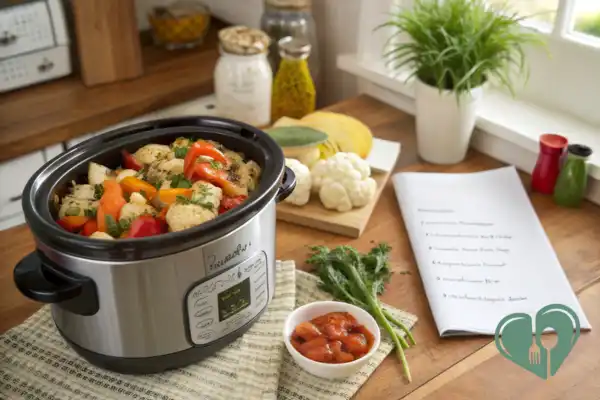
The Importance of Pre-Planning for Blood Sugar Stability
Here’s a truth no one really talks about: managing diabetes isn’t just about what you eat – it’s about when and how consistently you eat. The reason so many meal plans fall apart isn’t lack of willpower; it’s lack of pre-planning. Without a roadmap, even the best intentions crumble between late meetings, skipped lunches, and that “I’ll just grab something quick” moment that almost always leads to a glucose spike. That’s exactly why pre-planning your diabetic crockpot meals is the quiet secret weapon to blood sugar stability.
When you prep your meals in advance – even loosely – you’re removing decision fatigue from the equation. You already know what’s going into the pot how many carbs you’re working with, and when you’ll be eating. That kind of predictability creates stability. Instead of reacting to hunger, you’re leading it. You’re setting the tempo before your body starts to panic for sugar.
Why Crockpot Pre-Planning Works So Well
The beauty of a slow cooker is that it does the discipline for you. While you’re working, running errands, or catching up on life, it’s quietly building your next balanced meal protein, fiber, and flavor all slow-cooked into harmony. When dinner time rolls around, there’s no scrambling or “just this once” takeout temptation. You’ve already made the right choice hours ago without effort.
On a biological level, consistent meal timing helps your body release insulin more predictably. The more stable your intake, the fewer swings in blood sugar. And psychologically pre-planning builds trust in yourself that quiet confidence of knowing, “I’ve got dinner handled.”
Common Mistakes (and Easy Fixes)
- Overestimating flexibility:
Thinking you’ll “figure it out later” almost guarantees a carb-heavy emergency meal.
Fix: Plan three crockpot dinners per week – enough structure, not too much pressure. - Ignoring portion prep:
Even low-carb meals can derail your goals if you eyeball portions.
Fix: Pre-portion proteins and veggies before freezing, future-you will thank you. - Forgetting sauces and sides:
Hidden sugars sneak in through store-bought flavor bases.
Fix: Stock sugar-free broths and sauces ahead of time (more on that later).
FAQ: How far ahead should I plan diabetic crockpot meals?
For most people, one week at a time works best. It’s long enough to shop efficiently but short enough to stay flexible. Use your crockpot for two or three main dishes that reheat well and rotate sides or toppings to keep things fresh without rebuilding your plan from scratch.
Core Proteins to Stock Up On
Let’s start with the truth: protein is your anchor. When your day gets messy meetings run long, traffic crawls, dinner sneaks up it’s protein that quietly keeps your blood sugar (and your sanity) steady. That’s why a well-stocked freezer is less about “being prepared” and more about peace of mind. When you’ve got the right proteins ready to drop into your slow cooker, you’re basically saying to the universe, “Dinner’s handled.”
And honestly, that’s a powerful feeling.
Here’s the thing not all proteins behave the same in a crockpot. Some get dry, others turn silky and rich. The magic happens when you know which ones can simmer all day and still taste like you actually tried. These are your reliable, low-carb allies simple, high-protein ingredients that cook low and slow without sabotaging your blood sugar.
Your Slow Cooker MVPs
- Chicken (Breasts or Thighs): Think of chicken as your blank canvas. Breasts stay lean and soak up sauces; thighs bring that melt-in-your-mouth comfort you crave on tired nights. You can’t lose either way.
- Ground Turkey: The unsung hero of diabetic crockpot cooking. It’s budget-friendly full of protein and a perfect base for everything from chili to taco bowls. Bonus: it absorbs spice like a sponge.
- Lean Beef (Chuck Roast or Stew Cuts): Ideal for when you want that hearty, slow-simmered flavor without the carb-heavy sides. Just a handful of carrots or cauliflower rice and it’s dinner worthy of a Sunday night.
- Pork Tenderloin: Don’t let its reputation fool you pork can be totally diabetic-friendly when trimmed right. A splash of vinegar, a touch of sugar-free BBQ sauce, and it becomes comfort food without consequence.
- Tofu or Tempeh: If you’re plant-based (or just trying to cut back on meat), tofu’s your texture chameleon. It soaks up flavor and adds body to vegetable stews and curries without messing with your carb count.
A Tiny Prep Ritual That Changes Everything
Here’s what I do on Sundays I portion my proteins into labeled freezer bags: “Chicken Curry,” “Beef & Veggie Stew,” “Turkey Chili.” Takes maybe fifteen minutes. But during the week? It feels like you’ve got your own meal kit service waiting for you. No decision fatigue, no “oops, we’re out of something.” Just grab, thaw, and go. It’s the kind of small, invisible habit that ends up protecting your blood sugar better than any diet app ever could.
FAQ: Can I mix proteins in one crockpot meal?
Totally just keep it logical. Chicken and turkey get along beautifully. Beef and pork are best friends. But pairing tofu with a heavy meat cut? Not ideal. The key is balance: matching textures and cook times so everything finishes tender, not tangled.
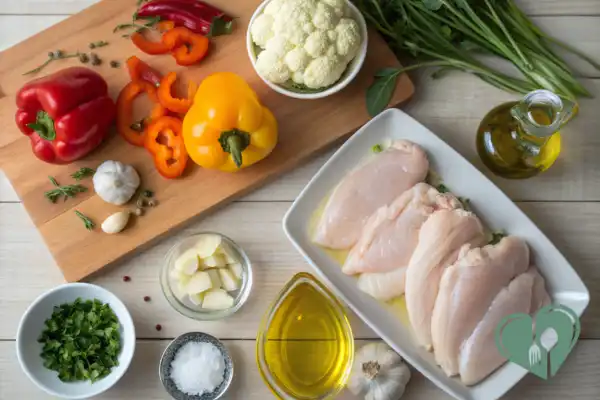
Low-Carb Vegetables & Pantry Staples
Here’s the thing – vegetables don’t get enough credit in diabetic crockpot cooking. They’re usually treated as “fillers,” but in reality, they’re the quiet architects of balance. They give structure, color, and a little crunch when everything else has gone soft. Get your mix right, and you can turn any slow cooker meal into something that feels both comforting and responsible.
The beauty of low-carb vegetables is how forgiving they are – they don’t just pad your meals, they carry them. They absorb flavor, add body, and help stabilize blood sugar without you even thinking about it. Once you figure out which ones hold their shape (and which ones melt into mush), you’ll never go back to carb-heavy stews again.
The Vegetables That Play Nice with the Slow Cooker
Some veggies thrive under slow heat – others give up halfway through. These are the keepers:
- Cauliflower & Broccoli: The backbone of any low-carb stew. They soak up sauces and stay firm enough to chew – comfort without the carb load.
- Cabbage: A quiet superstar. It sweetens as it cooks, adds volume, and makes any dish heartier without a single gram of guilt.
- Radishes & Turnips: The great potato imposters. They start sharp, end mellow, and give you that tender bite your brain associates with “real comfort food.”
- Bell Peppers, Celery & Garlic: The holy trinity of flavor. Add them early – they create the foundation that makes every bite taste intentional.
- Kale & Spinach: The finishers. Add them last for that pop of color and nutrients that say, “Yes, this meal was worth waiting for.”
And zucchini? She’s delicate. Add her late, let her warm through, and she’ll play along beautifully.
Low-Carb Vegetables & Pantry Staples
If you’ve ever opened your fridge at the end of a long day and stared at a half-wilted head of lettuce wondering what to do next you’re not alone. That’s where crockpot cooking earns its halo. It takes what you already have – a handful of low-carb vegetables, a can of something from the pantry – and turns it into a warm, slow-simmered dinner that somehow tastes like care itself. For anyone balancing diabetes and real life, that’s gold.
Because here’s the quiet truth: low-carb vegetables aren’t just the side show. They’re the engine. They fill the gaps, stretch your proteins, and help your blood sugar stay smooth and steady when the rest of your day feels anything but. Once you learn which ones can handle eight hours of slow heat – and which pantry staples give depth without sugar – your crockpot starts feeling less like an appliance and more like an ally.
The Vegetables That Thrive Under Slow Heat
Some veggies are born for the crockpot. They soften slowly deepen in flavor and come out tasting richer than when they went in:
- Cauliflower: The shape-shifter. It soaks up sauce like rice holds texture like potatoes and gives that creamy, nostalgic body without the carb guilt.
- Cabbage: Forget what you think you know – slow-cooked cabbage becomes tender, sweet, and impossibly cozy. It’s comfort food with discipline.
- Radishes & Turnips: The rebels. Sharp at first, mellow by dinner. They give the illusion of potatoes – especially when paired with garlic and a little broth.
- Broccoli & Brussels Sprouts: Add them early for bold flavor or mid-cook for bite. They bring backbone and fiber to any dish.
- Peppers, Celery & Garlic: Think of them as the scent memory of home. That base aroma that tells everyone dinner’s going to be good.
- Spinach & Kale: Always add these near the end – they’re the finishing flourish the final note of color and nutrients.
And if you’ve got zucchini hanging around? Toss it in at the very end. It’s the most forgiving “oh right, I should add a vegetable” ingredient there is.
Pantry Staples That Make Every Meal Possible
Diabetic crockpot cooking becomes infinitely easier when your pantry quietly has your back. These staples are your emergency plan – the reason you can pull off something balanced and flavorful even when you haven’t shopped in days.
Keep these in rotation:
- Canned diced tomatoes (no added sugar): Your base for everything from stews to chili.
- Low-sodium broth: The difference between “okay” and “this tastes like it’s been cooking all day.”
- Coconut milk (unsweetened): Adds creaminess, richness, and that hint of indulgence – without a gram of sugar.
- Tomato paste or sugar-free marinara: Instant depth, no label reading required.
- Apple cider vinegar: A splash cuts through the heaviness and wakes up flavors that have been simmering for hours.
- Healthy fats: Olive oil for smoothness, avocado oil for heat, and ghee for a buttery finish.
- Spices: Cumin, turmeric, smoked paprika, thyme, and a touch of cinnamon. They’re not just flavor – they’re metabolic support.
A tiny real-world tip: keep all your diabetic-safe sauces, broths, and fats together on one “grab shelf.” It sounds small, but it transforms those tired weeknights when your brain just wants autopilot.
Smart Swaps That Don’t Feel Like Compromises
Low-carb doesn’t mean low joy – it just means learning new defaults.
- Pasta → zucchini ribbons or shirataki noodles (same comfort, no carb hangover).
- Potatoes → riced cauliflower or diced rutabaga (heartier than you’d expect).
- Flour thickeners → chia seeds or xanthan gum (¼ teaspoon goes a long way).
- Cream soups → coconut milk or blended cauliflower (silky, naturally sweet).
Once you make these swaps a habit, you stop “substituting” and start simply cooking differently. It’s not deprivation – it’s evolution.
FAQ: What low-carb veggies hold up best in the crockpot?
The winners are the sturdy ones – cauliflower, cabbage, Brussels sprouts, and radishes. They stand up to long cooking without turning to mush. Leafy greens like kale or spinach should always be added during the last 15–20 minutes to keep their structure and nutrients intact.
Sauces, Broths, and Flavor Bases (No Sugar Added)
One of the biggest turning points in diabetic crockpot meal planning is realizing this: flavor doesn’t come from sugar – it comes from memory. From the smoky pull of chili powder on a Sunday night, the warmth of garlic melting into olive oil, or that gentle tang of tomato and vinegar that makes everything feel like home. Your crockpot is built for that kind of flavor – slow, evolving, and real. And the secret is in what you pour over your proteins before the lid clicks shut.
Most store-bought sauces ruin that magic. They’re loaded with hidden sugars, thickeners, and “natural flavorings” that are anything but natural. The good news? You can create deep, layered flavors – Mediterranean, Tex-Mex or even Asian-style – with just a few sugar-free staples and a little time.
Your Universal Flavor Builders
- Low-Sodium Broth: The canvas of your dish. Chicken for light meals beef for heartier ones, veggie broth when you want neutrality. Unsweetened, unflavored – so your spices get to shine.
- Canned Tomatoes (No Sugar Added): The slow cooker’s best friend. They evolve over hours, turning mellow and sweet without needing sugar.
- Coconut Milk (Unsweetened): Adds richness without carbs – think creamy curries or Thai-inspired stews.
- Apple Cider Vinegar or Lemon Juice: The unsung heroes. They lift flavors and balance natural fats, creating that satisfying finish you usually get from sugar.
- Soy Sauce, Tamari, or Coconut Aminos: Add umami depth without sweetness overload.
- Spices: The real architects of flavor – and every culture has its own take.
Build Your Sauce Like a Pro – By Region
1. Mediterranean Comfort (Herby & Bright)
Base: Tomato paste + olive oil + broth
Add: Garlic, oregano, basil, thyme and a splash of red wine vinegar
Perfect with: Chicken, turkey or lean beef
It’s your diabetic-friendly answer to marinara – cozy, fragrant, and naturally low-glycemic.
2. Tex-Mex Warmth (Smoky & Satisfying)
Base: Tomato sauce + broth + olive oil
Add: Chili powder, cumin, smoked paprika, onion and lime juice
Perfect with: Shredded chicken, pork tenderloin or ground turkey
Pro tip: roast a poblano pepper once a week – toss it into your crockpot meals for that subtle heat that tastes like it came from a restaurant.
3. Asian Comfort (Savory & Creamy)
Base: Coconut milk + tamari or coconut aminos
Add: Ginger, garlic, curry powder, turmeric and a dash of rice vinegar
Perfect with: Tofu, shrimp or sliced beef
This combo creates that slow-blooming depth – the kind that coats your spoon and makes you pause mid-bite.
Hidden Sugars That Sneak Into “Healthy” Labels
Even the cleanest-looking bottle can hide a surprise. Common culprits:
- Store-bought BBQ sauce or stir-fry mixes
- “Light” or “low-fat” salad dressings
- Cream-of-anything soups
- Tomato sauces with “no added sugar” (still sweetened with fruit concentrate)
Quick fix? Scan labels for these stealth sweeteners: maltose, dextrose, syrup solids, cane juice, or honey powder. If it sounds sweet – it probably is.
FAQ: What’s the best sugar-free sauce for diabetic crockpot meals?
It depends on your craving.
- For cozy comfort → go Mediterranean.
- For bold, warming spice → choose Tex-Mex.
- For creamy depth → lean Asian-inspired.
Each follows the same principle: fat + acid + salt + spice = satisfaction. No sugar required. Once you taste the difference, you’ll never miss the store-bought stuff again.
One-Week Shopping List Example
Here’s the beauty of a well-planned diabetic crockpot week: once you shop smart, the rest almost runs on autopilot. No more “what’s for dinner?” panic or last-minute grocery runs. With a few staples – proteins, low-carb veggies, healthy fats, and sugar-free flavor bases – you can cook five different slow cooker meals from one clean, efficient list.
This example isn’t a rigid “diet plan.” It’s a flexible foundation you can repeat, remix, or expand depending on how much variety (and time) you want that week.
Your Core Grocery Zones
Proteins (Choose 3–4)
These will be the base of your weekly crockpot rhythm.
- Chicken breasts or thighs (2–3 lbs)
- Lean ground turkey (1 lb)
- Beef stew meat or chuck roast (1.5–2 lbs)
- Pork tenderloin (1–1.5 lbs)
- Extra-firm tofu or tempeh (1 pack)
(Tip: buy family-size packs, portion into freezer bags, and label by meal – “chili,” “curry,” “BBQ chicken.” You’ll thank yourself later.)
Low-Carb Vegetables
Stock up on sturdy, slow-cooker-friendly produce that lasts all week.
- Cauliflower (1 head or frozen riced)
- Broccoli (2 crowns or 1 bag florets)
- Bell peppers (3–4, assorted colors)
- Cabbage (½–1 head)
- Zucchini (2–3 medium)
- Spinach or kale (1 bag, add near the end of cooking)
- Celery (1 bunch)
- Onions (2–3 medium)
- Garlic (1 bulb)
- Radishes or turnips (1–2 lbs for potato swaps)
Pantry Staples
These are your non-perishables – keep them stocked for easy flavor-building.
- Canned diced tomatoes (2–3 cans, no added sugar)
- Tomato paste (1 small can)
- Low-sodium chicken or beef broth (2 cartons)
- Coconut milk (2 cans, unsweetened)
- Olive oil or avocado oil
- Apple cider vinegar or balsamic vinegar
- Tamari or coconut aminos
- Salt, pepper, smoked paprika, cumin, turmeric, thyme, and chili powder
Flavor Add-Ons
A few extras that make your meals feel new each day.
- Fresh herbs: cilantro, parsley, or basil
- Sugar-free BBQ sauce or marinara (check labels carefully)
- Shredded cheese (for toppings)
- Greek yogurt (as a sour cream swap)
- Lemon or lime (for brightening sauces)
Sample 7-Day Crockpot Meal Plan Snapshot
Here’s how this list comes to life across a week:
| Day | Crockpot Meal | Base Protein | Core Veggies | Flavor Profile |
|---|---|---|---|---|
| Mon | Tomato Basil Chicken | Chicken | Bell pepper, spinach | Mediterranean |
| Tue | Turkey Chili | Ground turkey | Tomatoes, onions, peppers | Tex-Mex |
| Wed | Creamy Coconut Curry | Tofu | Broccoli, cauliflower | Asian |
| Thu | Beef & Cabbage Stew | Lean beef | Cabbage, radish | Homestyle |
| Fri | BBQ Pulled Pork | Pork tenderloin | Cabbage slaw (side) | Southern |
| Sat | Leftover Remix | Any | Zucchini noodles, kale | Mix & Match |
| Sun | Batch Cooking Day | Prep next week | Freeze proteins | Reset |
(Pro tip: Make double batches of Monday or Tuesday meals – they reheat perfectly and can cover lunches or emergency dinners.)
FAQ: Can I reuse ingredients across multiple crockpot recipes?
Absolutely – in fact, that’s the secret to stress-free diabetic meal planning. Each ingredient on this list plays multiple roles. That same bag of peppers works in chili, curry, and stew; your broth base runs through every recipe. Reusing ingredients creates consistency in both flavor and blood sugar response – it’s repetition that works for you, not against you.
Batch Cooking Strategy
If you’ve ever wanted to make your diabetic Meal Prep truly effortless, batch cooking is where everything clicks. It’s the bridge between “I should eat better” and “Dinner’s already waiting.” The beauty of slow cookers is that they’re built for this – you can make double (even triple) portions without extra effort, then portion, freeze, and rotate throughout the week.
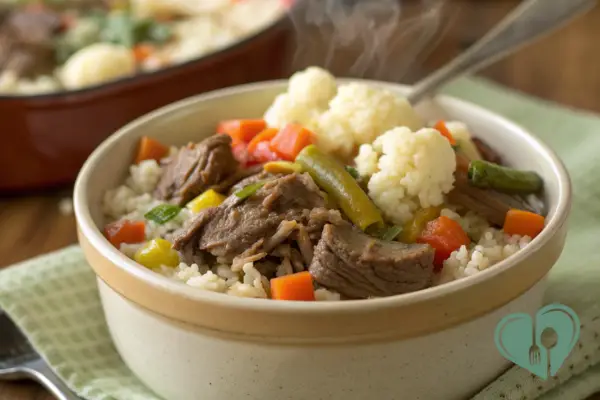
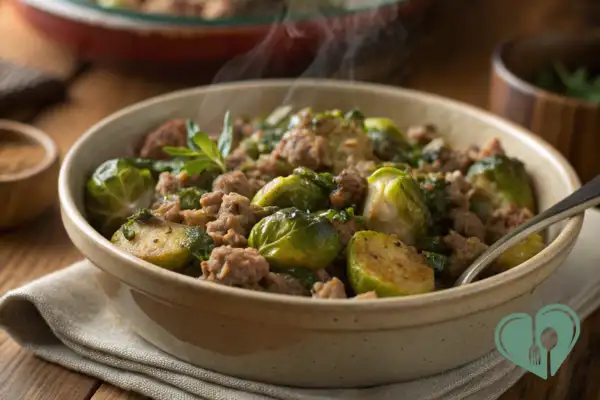
Here’s the approach that works best: dedicate one or two days (usually Sunday and midweek) to prepping your proteins and bases. You don’t need a dozen recipes – just two solid, balanced meals that reheat beautifully. For example, our Slow Cooker Beef & Cauliflower Rice Bowl and Crockpot Turkey & Brussels Sprouts recipes are designed with exactly this rhythm in mind. They share overlapping ingredients, cook at similar times, and hit that low-carb, high-protein sweet spot that keeps blood sugar stable without making you feel restricted.
How to Make Batch Cooking Work for You
- Cook Once, Portion Twice:
Divide your cooked meals into individual containers before refrigerating. That way, you’re not tempted to “eyeball” portions later. - Freeze in Layers:
If you’re freezing leftovers, cool them first, then portion into airtight bags laid flat – they’ll thaw evenly and save space. - Reheat Right:
Always reheat slowly to preserve texture and nutrients. A microwave works fine, but adding a splash of broth can bring the dish back to life. - Rotate Flavors, Not Workload:
Keep one batch mild (like the Turkey & Brussels Sprouts) and one bolder (like the Beef & Cauliflower Bowl). You’ll get variety without doubling your prep time.
Batch cooking isn’t about eating the same thing every day – it’s about making different meals from the same smart foundation. Once you’ve got your two core dishes prepped, mix and match sides, sauces, or toppings throughout the week to keep things fresh. The result? Predictable blood sugar, less food waste, and a calmer, more organized kitchen – all without extra time in front of the stove.

Conclusion: Turning Routine Into Relief
Here’s the thing about diabetic crockpot meal planning it’s not really about food. It’s about breathing room. It’s the quiet relief of knowing that, for once you don’t have to fight your schedule and your blood sugar at the same time. You’ve already made the decision. Dinner’s taken care of.
And that’s the secret most people miss stability isn’t built overnight; it’s built one slow-cooked meal at a time. Every grocery list every frozen batch, every sugar-free sauce is a small promise you keep to yourself. Not for perfection, but for peace.
When your meals are prepped, your choices shrink in the best possible way. There’s less guessing, less stress, and far fewer “forget it, I’ll just grab takeout” moments. You start trusting your routine. You start trusting you.
So keep it simple. Plan one week at a time. Lean on your slow cooker to do what it does best transform ordinary ingredients into balance warmth and comfort.
Because in the end, it’s not just about eating well with diabetes; it’s about finally feeling like food fits your life again not the other way around.

Dreena shares balanced, diabetes-friendly recipes made for real life—simple, nourishing, and full of flavor. Her kitchen is where health meets heart.

Sami Ahmed is a Diabetes Nutrition Coach at The Diabetic Recipes. He blends science with everyday cooking to create meals that stabilize blood sugar without sacrificing taste. Sami’s passion lies in helping people with diabetes enjoy food confidently — one balanced, flavorful recipe at a time.