

Low carb diabetic dinners are usually where things get weird. You eat fine all day. Nothing dramatic. Then dinner happens and your numbers decide to do their own thing. No clear reason. If you are looking for low-carb diabetic dinners or blood sugar friendly meals, it is probably not because you want to eat “healthy” in some abstract way. You just want fewer surprises. Less second guessing. Fewer nights staring at a screen wondering what you did wrong.
Low carb advice gets thrown around a lot. Too much, honestly. Some of it feels extreme. Some of it feels empty. Lists of meals. Rules with no context. Half the time it sounds like you are supposed to be scared of your plate. Most people are not confused because they are careless. They are confused because nothing gets explained in a way that matches real life dinners.
This is not about perfection. Or cutting things forever. It is about meals that tend to behave better at night. Meals that feel like dinner, not a workaround. We will talk through low carb dinners, what actually matters, and where people usually get tripped up. Not everything. Just the parts that keep coming up. And yeah, it is not as clean as most advice makes it sound.
Do Diabetics Need Low-Carb Dinners?
Short answer. Not always. Longer answer. Sometimes yes, sometimes no, and sometimes it depends on the night. That is usually the part people do not like hearing.
A lot of advice online makes it sound binary. Either you eat low carb or you are doing it wrong. That is not how real dinners work. Or real bodies. Some people do fine with more carbs earlier in the day, then struggle at night. Others see spikes no matter what they do and assume carbs are the only problem. They are not always wrong. They are not always right either.
Dinner is different. You are usually moving less. Your body is winding down. Stress can be higher or lower depending on the day. Sleep is coming soon, which matters more than people think. So carbs that felt manageable at lunch can hit harder at night. That is where low carb dinners start to make sense for a lot of people. Not because carbs are bad, but because timing matters.
This is where carb fear creeps in. Someone sees better numbers after cutting carbs at dinner and decides that carbs are the enemy forever. Then meals get smaller. Or boring. Or heavy on fats that do not actually fix the problem. Blood sugar might look better at first, then things start feeling off. Hunger shows up later. Or cravings. Or weird spikes that make no sense again.
Low carb does not mean no carb. It also does not mean low everything else. What most people are really reacting to is balance. Fewer fast carbs. More protein. Enough fiber. Enough food to feel done when you are done. When that balance is off, even a technically low carb dinner can backfire.
Some people genuinely feel better keeping dinners lower carb most nights. Others only need to do it on weekdays. Some rotate. None of that means failure. It means you are paying attention.
So do diabetics need low carb dinners. Sometimes. Often, actually. But not as a rule carved in stone. More like a tool you use when dinner tends to cause problems. And you put it down when it stops helping.
That is usually where the real questions start.
How to Build a Low-Carb Dinner Without Feeling Restricted
Most people hear low carb and immediately think smaller plates. Or sad ones. That is usually where things go wrong. Not because low carb is impossible, but because dinner starts to feel like a punishment.
A low carb dinner that actually works usually feels full. Not stuffed. Not light either. Full enough that you are not roaming the kitchen an hour later. That almost always starts with protein. Real protein. Chicken, fish, beef, eggs. Something that feels like the center of the meal not an add on. When protein is weak, everything else gets weird. Hunger shows up fast. Cravings get loud.
Then there is fat. This is where people either underdo it or go way too far. A little fat helps food stick. It slows things down. Makes dinner feel like dinner. Too much fat, though, can backfire. Heavy meals that sit there. Numbers that rise later for no obvious reason. It happens more than people expect.
Fiber is the quiet piece people forget. Vegetables that actually take up space on the plate. Not decorative greens. Real volume. Broccoli, green beans, zucchini, peppers. When fiber is missing, low carb meals feel empty. When it is there, things calm down. Digestion slows. Hunger backs off.
Flavor matters more than rules. If food tastes flat it does not matter how balanced it is. You will end up wanting something else. Acid helps. Salt helps. Garlic helps. Butter helps. Sugar is not the only way food tastes good, even if it sometimes feels like it is.
The goal is not to build a perfect plate. It is to build a plate that feels finished. One you do not need to negotiate with later. When dinner feels normal, low carb stops feeling like a restriction and starts feeling like a default. At least on the nights when dinner usually causes problems.
That is usually enough to get people started. The rest gets figured out along the way.
5 Low-Carb Diabetic Dinner Recipes That Actually Taste Good
This is usually the part people scroll to first. Not because they want magic meals, but because they are tired of guessing. These are dinners that tend to behave better. Not perfect. Just more predictable for a lot of people. They also taste like real food which matters more than it should.
Cauliflower Fried Rice with Shrimp
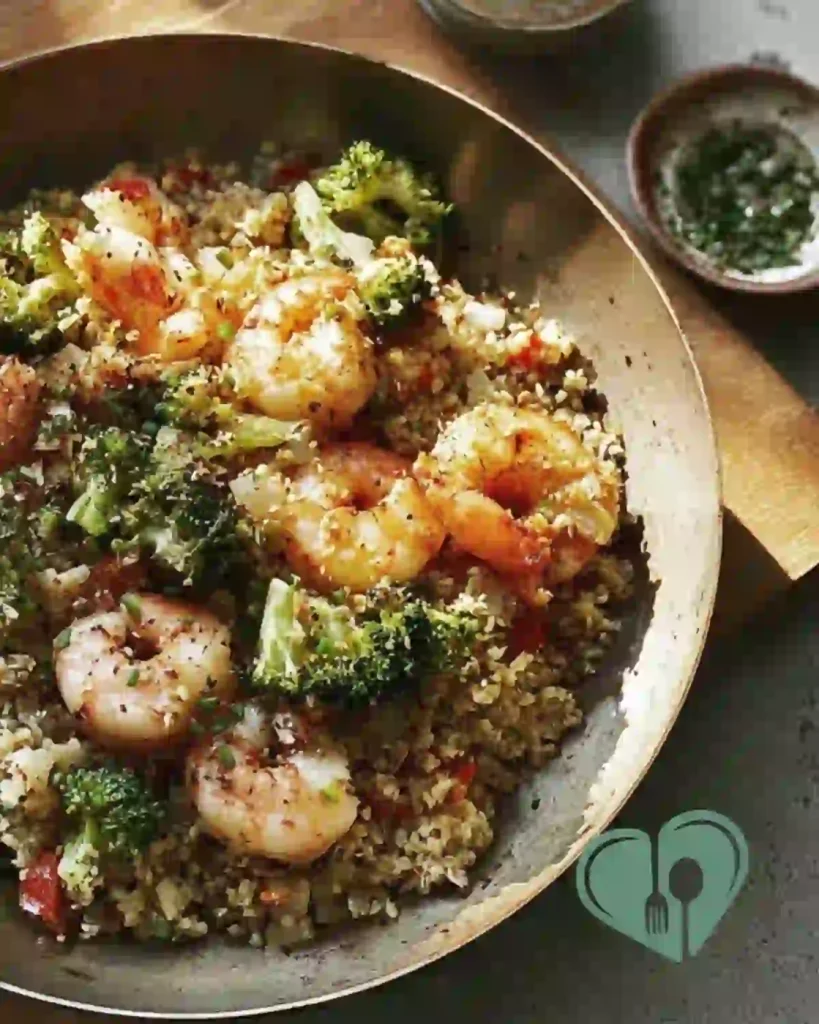
This one surprises people. It looks like a swap meal. It does not eat like one. Shrimp cooks fast and feels light, but still filling. Cauliflower rice works best here when it is dry and cooked hot. No steaming. Soy sauce, garlic, sesame oil. Enough to make it feel familiar. It usually hits that takeout craving without the after dinner regret.
Zucchini Noodle Turkey Bolognese

Zucchini noodles get a bad reputation. Mostly because they are treated like pasta replacements instead of vegetables. This works when the sauce is the focus. Ground turkey, tomatoes, herbs, olive oil. Let the sauce carry the meal. The noodles are just there to hold it. Eat it hot. That part matters.
Stuffed Bell Peppers with Lean Ground Beef
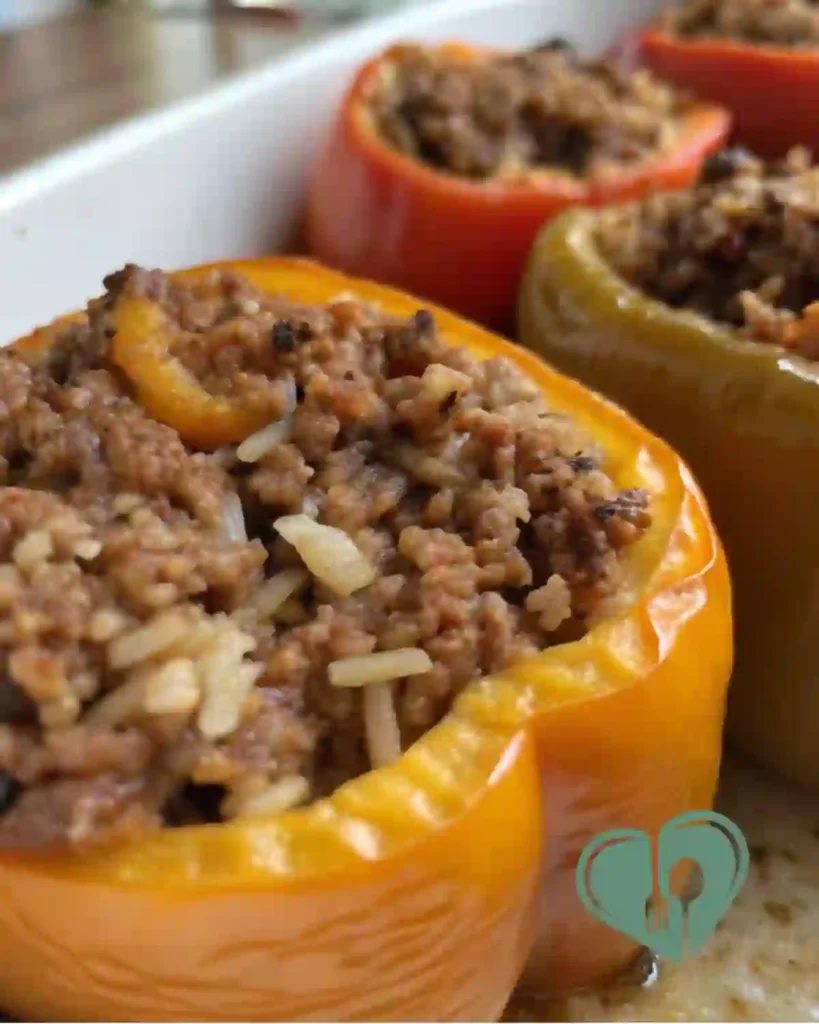
These feel like comfort food. Which is probably why they work. The peppers soften, the meat carries the meal, and everything stays contained. No big carb side needed. You can adjust the filling without breaking the whole thing. More veg. Less rice. Or none at all. They reheat well too, which helps on busy nights.
Garlic Butter Chicken with Green Beans

Simple food gets underestimated. Chicken thighs or breasts, garlic, butter, green beans cooked until they are not squeaky anymore. That is it. This is one of those meals that does not spike much for a lot of people because nothing sneaks up on you later. It feels done when you are done eating.
Low-Carb Creamy Tuscan Chicken (No Flour)

Creamy sauces scare people. They should not always. This one skips flour and relies on cream, broth, and parmesan. Sun dried tomatoes add flavor without much sugar. Spinach fills the plate. It feels indulgent, which helps with sticking to lower carb dinners long term. Sometimes feeling satisfied is the whole point.
None of these are rules. They are starting points. ” If you want a broader mix beyond just low-carb options, you can look through 20 Easy Diabetic Dinner Recipes that follow the same steady, weeknight-friendly approach.” Meals that tend to behave better than expected. Especially at night.
Common Low-Carb Mistakes That Backfire
This is the part nobody wants to hear but it matters. A lot of dinners are technically low carb and still cause problems. That is usually when people feel stuck and start blaming themselves.
One big issue is cutting carbs and not replacing them with anything solid. Meals get smaller. Lighter. You finish eating but you do not feel finished. Hunger shows up later and it is louder than before. Late snacks happen. Or you wake up high and have no idea why. That is not a willpower issue. That is a dinner that did not do its job.
Fiber gets skipped a lot. Especially when people are focused on numbers. Meat and fat alone can look fine on paper, but it often leaves meals feeling off. Vegetables add bulk. They slow things down. Without them, digestion can feel weird and blood sugar can rise later instead of sooner. That delayed rise catches people off guard.
Then there is fat. This one sneaks up on people. Adding fat feels safe because it does not spike quickly. So portions creep up. Creamy sauces. Extra cheese. More oil than needed. The meal feels heavy, sits longer, and sometimes leads to higher readings hours later. It is confusing because it does not happen right away.
Another mistake is trying to make low carb dinners look like high carb ones. Fake breads. Substitutes stacked on substitutes. It looks comforting but often ends up unsatisfying or unpredictable. Sometimes simpler meals behave better, even if they look boring.
None of this means low carb does not work. It means it can be done in ways that quietly cause problems. Most people figure this out after a few frustrating weeks. Or months. Usually the hard way.
Once you notice these patterns, dinners get easier to adjust.
When to Add Smart Carbs Back In
This is where things usually loosen up a bit. Or should. Because staying low carb all the time gets tiring for a lot of people. Mentally and physically.
Some nights, low carb feels easy. Other nights it feels forced. That is usually a sign. Not that you are failing, but that your body might handle a small amount of carbs just fine in the right setup. The problem is people hear that and jump straight to old portions. That is where things fall apart.
Adding carbs back in works better when the rest of the meal is solid first. Protein is there. Vegetables are there. Fat is not out of control. Then carbs come in quietly. Not as the main event. A small scoop of beans. A little lentils. Half a sweet potato. Something that digests slower and does not hit all at once.
Portion matters more than the food itself. That part is annoying, but true. A food that works well one night can spike you the next if the portion creeps up. Especially at dinner. Especially late. Some people can handle more earlier in the evening and less closer to bedtime. Others notice no difference at all. You only really learn that by paying attention over time.
There is also the tolerance piece people do not like to admit. Everyone is different. What works for someone else online might not work for you. That does not mean you are broken. It just means your cutoff is different. Once you see where that line is, dinners get easier to plan.
Smart carbs are not about being brave. They are about being selective. Using them when they help meals feel complete, not when they create stress later. Some nights that means adding them in. Other nights it means skipping them without making it a big deal.
That back and forth is normal. Messy, even. But it usually works better than pretending one rule fits every dinner.
Where These Recipes Fit in the Bigger Picture
These dinners are not meant to be a system. Or a plan you follow perfectly. They sit inside real life. Workdays. Tired evenings. Nights when cooking feels fine and nights when it feels like too much.
Some people use meals like these most nights and loosen up on weekends. Others rotate them in when numbers start creeping up and pull back when things feel steady again. That back and forth is normal. It does not mean you are inconsistent. It usually means you are paying attention.
These recipes are also not meant to fix everything. Stress still matters. Sleep still matters. Portions still matter, even when the food feels safe. Sometimes dinner looks good on paper and your body still reacts differently. That happens. It does not mean the meal was wrong. It just means bodies are not machines.
What these dinners tend to do is remove a layer of chaos. They lower the odds of big swings. They give you something familiar to come back to when things feel off. That alone can make diabetes feel more manageable even if nothing is perfect.
Over time, most people end up with a short list of dinners they trust. Meals they know how they usually respond to. These recipes often become part of that list. Not because they are special but because they are reliable.
And that reliability is usually what people are actually looking for at dinner time.
If there is one thing to take from all this, it is that dinner does not have to feel like a test every night. These meals are just tools. Options you can lean on when things feel noisy. You are allowed to repeat dinners. You are allowed to change your mind. You are allowed to eat the same thing three nights in a row because it works and you are tired.
Some nights will still be off. That does not cancel out the nights that go fine. Over time, you start trusting certain meals more than others. You stop guessing as much. Dinner stops being the hardest part of the day.
That is usually enough.
And if it is not, you adjust. Like everyone else does.

Sami Ahmed is a Diabetes Nutrition Coach at The Diabetic Recipes. He blends science with everyday cooking to create meals that stabilize blood sugar without sacrificing taste. Sami’s passion lies in helping people with diabetes enjoy food confidently — one balanced, flavorful recipe at a time.