
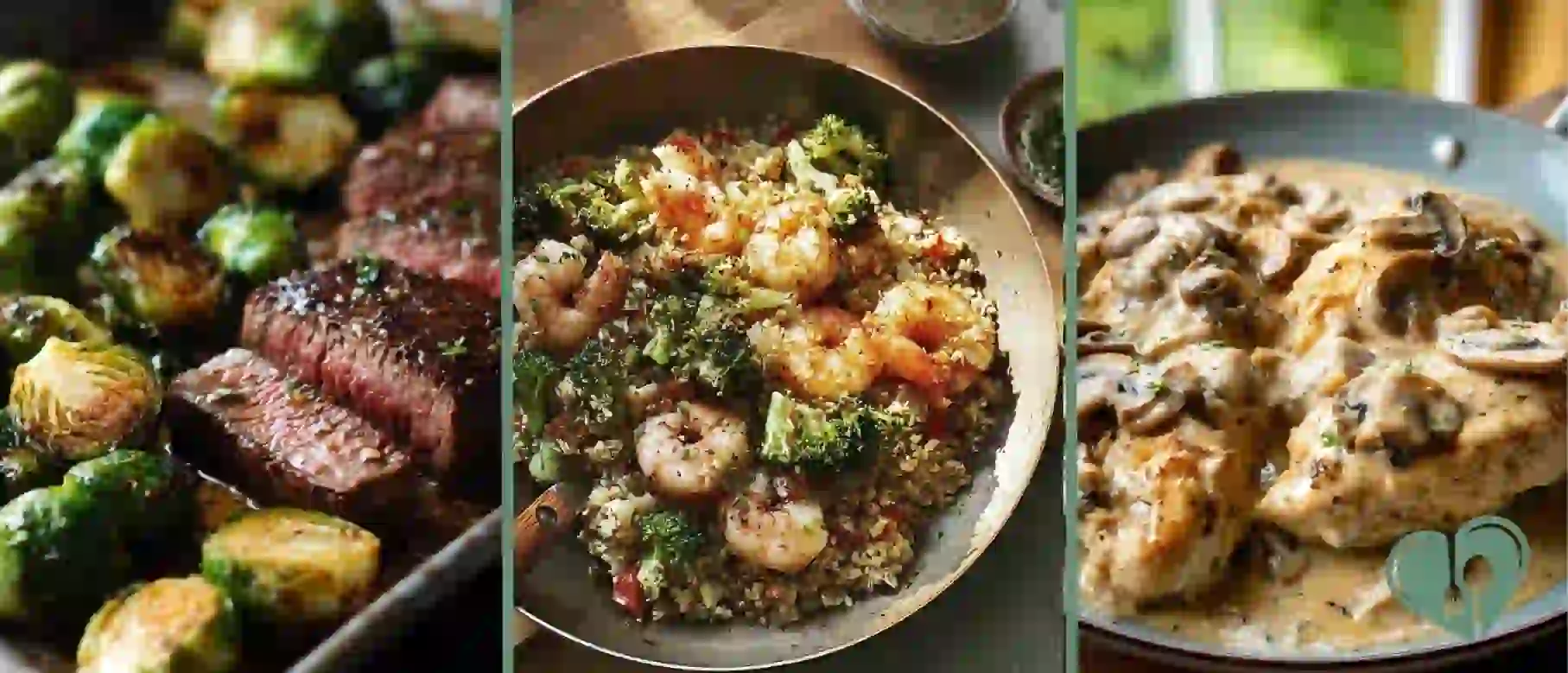
Easy diabetic dinner recipes should make weeknights simpler, not give you one more thing to worry about. When you’re hungry, tired, and short on time, dinner needs to be practical, satisfying, and easy to put together.
This collection brings together simple dinner ideas designed for busy weeknights. You’ll find quick skillet meals, lower-carb options, comforting favorites, plant-based dinners, and protein-focused recipes made with familiar ingredients.
Instead of complicated rules, these meals focus on practical combinations of protein, vegetables, fiber-rich foods, healthy fats, and carbohydrate foods in portions that can be adjusted to your individual needs.
Some recipes come together in about 30 minutes, while others use one pan or straightforward preparation methods to keep cooking and cleanup manageable.
Whether you need something fast after work or simply want more easy dinner ideas to add to your weekly rotation, these recipes are designed to make everyday meals feel more manageable.
What Makes a Dinner Diabetic-Friendly?
A diabetes-friendly dinner does not have to feel restrictive or completely different from the meals you already enjoy.
For many people, the goal is simply to build a balanced plate using familiar foods in portions that fit their individual needs.
Protein First: Why It Matters
Protein can help make dinner more satisfying and gives the meal a solid foundation.
Chicken, fish, turkey, eggs, tofu, beans, and other protein foods can all work. The goal is not to make protein the entire meal, but to include a meaningful portion alongside vegetables and carbohydrate foods.
The Role of Fiber & Non-Starchy Vegetables
Non-starchy vegetables add volume, texture, nutrients, and fiber without making the meal complicated.
Broccoli, zucchini, peppers, leafy greens, cauliflower, and similar vegetables are easy additions to many weeknight dinners.
The Diabetes Plate Method recommends filling about half of a nine-inch plate with non-starchy vegetables.
Understanding Carbs Without Fear
Carbohydrates do not have to disappear from dinner.
Foods such as rice, pasta, beans, whole grains, fruit, and starchy vegetables can still fit into a diabetes-friendly meal. Portion size and the overall balance of the plate matter.
One simple approach is to give carbohydrate foods about one-quarter of the plate, while using the rest for non-starchy vegetables and protein.
Why “Easy” Matters for Consistency
A meal is more useful when it is realistic enough to make again.
Easy diabetic dinners can use fewer ingredients, straightforward cooking methods, and familiar foods so that weeknight meals require less planning and cleanup.
The goal is not a perfect dinner. It is a practical meal that fits your routine and individual needs.
What Qualifies as a Diabetic-Friendly Dinner?
There is no single formula that works for everyone with diabetes.
A useful starting point is a meal that includes non-starchy vegetables, protein, and a portion of quality carbohydrate foods. The American Diabetes Association’s balanced plate approach uses this same basic structure.
How to Build an Easy Diabetic Dinner Plate
When you need dinner to be simple, a basic plate structure can make planning easier without requiring complicated calculations.
The Balanced Plate Method
A simple starting point is to divide your plate into three parts:
- Half the plate: non-starchy vegetables such as broccoli, zucchini, peppers, spinach, or salad greens.
- One quarter: protein such as chicken, fish, turkey, eggs, tofu, or another protein food.
- One quarter: carbohydrate foods such as rice, pasta, beans, whole grains, or starchy vegetables.
This gives you a flexible framework that can be adjusted to your preferences and individual needs.
Portion Size Made Simple
You do not need every meal to look exactly the same.
Simple adjustments can make a dinner easier to balance:
- Serve rice or pasta alongside protein and vegetables rather than making it the entire meal.
- Use one tortilla as part of the meal instead of building the meal around several.
- Mix pasta with vegetables and protein to create a more varied plate.
Portion needs can vary from person to person, so use this as a general framework rather than a fixed rule.
Keep the Cooking Method Simple
Weeknight dinners are often easier when the cooking method requires fewer steps.
Baking, grilling, roasting, sautéing, and one-pan cooking can all help keep preparation straightforward. When using bottled sauces or dressings, checking the nutrition label can also help you compare added sugars, sodium, and carbohydrate content.
Quick & Easy Diabetic Weeknight Dinners

Busy weeknights call for meals that are simple, practical, and quick to prepare.
When time and energy are limited, complicated recipes can make dinner harder than it needs to be. That’s why these easy diabetic dinners focus on fewer steps, familiar ingredients, and straightforward cooking methods.
Many of these meals come together in about 30 minutes or less, making them useful options for nights when you want something satisfying without spending too much time in the kitchen.
Explore all quick diabetic weeknight dinners.
Here are a few simple recipes to get you started.
- Garlic lemon chicken skillet
Chicken cooks quickly with fresh lemon and garlic for a simple one-pan dinner. Add green beans or zucchini to the skillet, and serve with a small portion of rice or another side that fits your meal.

- Turkey veggie stir fry
Ground turkey cooks quickly with mixed vegetables for an easy weeknight stir-fry. Frozen vegetables work well when you want to save time. Add a light soy sauce or another simple sauce, and serve with a portion of rice that fits your meal.

- Baked salmon and broccoli
Salmon and broccoli roast together on one sheet pan for a simple dinner with minimal cleanup. Add olive oil, salt, and your preferred seasonings, then serve with quinoa or another side if you want something extra.

- One pan chicken and zucchini
Chicken and zucchini cook together in one pan for a simple weeknight dinner with minimal cleanup. Add your preferred herbs or seasonings and serve it as is, or pair it with a small side that fits your meal.

- Eggplant chickpea skillet
Eggplant and chickpeas come together in a simple plant-based skillet with plenty of texture and flavor. Chickpeas add plant protein and fiber, while eggplant helps make the meal hearty without requiring a long ingredient list.

None of these are complicated. That is the point.
Why Quick Dinners Can Make Weeknights Easier
When you are very hungry or short on time, putting together a balanced meal can feel more difficult.
Keeping a few quick, simple diabetic meals in rotation can reduce last-minute decisions and make it easier to get dinner on the table without overcomplicating things.
That is especially useful on busy weeknights when time and energy are limited.
Low-Carb & Blood-Sugar Stable Dinner Ideas
Low-Carb Dinner Ideas
Low-carb dinners can be one option when you want to build a meal around protein, non-starchy vegetables, and lower-carbohydrate ingredients.
They are not a requirement for everyone with diabetes. Some people prefer lower-carb meals, while others include moderate portions of rice, pasta, beans, whole grains, or starchy vegetables as part of a balanced dinner.
The amount of carbohydrate that fits best can vary from person to person, so there is no single approach that works for everyone.
Do All People With Diabetes Need Low-Carb Dinners?
No.
A diabetes-friendly dinner does not have to be low-carb. Carbohydrate foods can still be part of the meal, especially when portions are adjusted to individual needs and combined with vegetables, protein, and other foods.
The goal is not to eliminate carbohydrates completely, but to find a meal pattern that fits your preferences, routine, and individual plan.
When Might You Choose a Lower-Carb Dinner?
A lower-carb dinner can simply be a practical choice when you want a meal centered on vegetables and protein.
Examples might include grilled chicken with roasted vegetables, fish with salad, zucchini noodles with a protein-rich sauce, or a cauliflower-rice stir-fry.
Here are a few lower-carb dinner ideas to try:
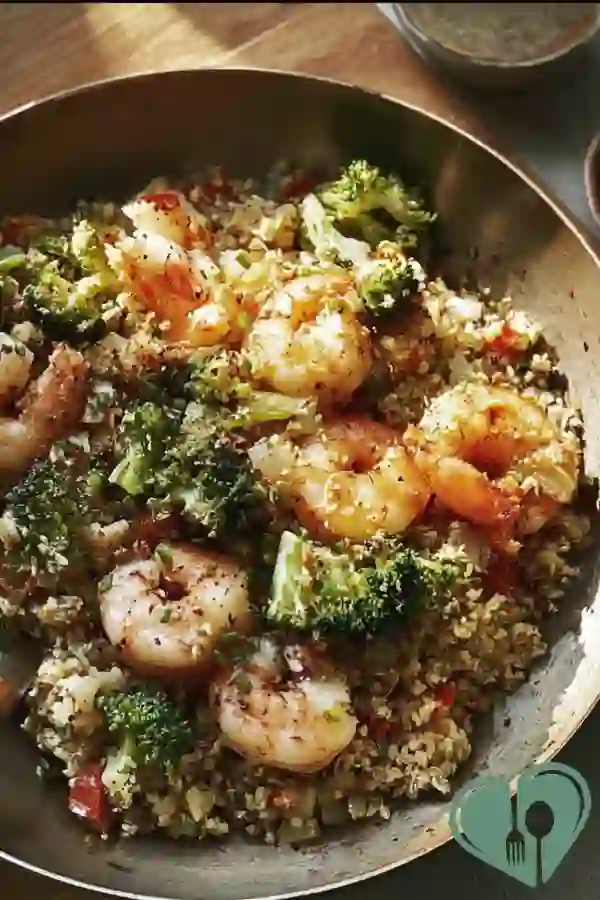
- Cauliflower fried rice
Cauliflower rice gives this stir-fry a lighter base while shrimp adds protein and familiar takeout-style flavor. It’s a quick option when you want something simple and savory.
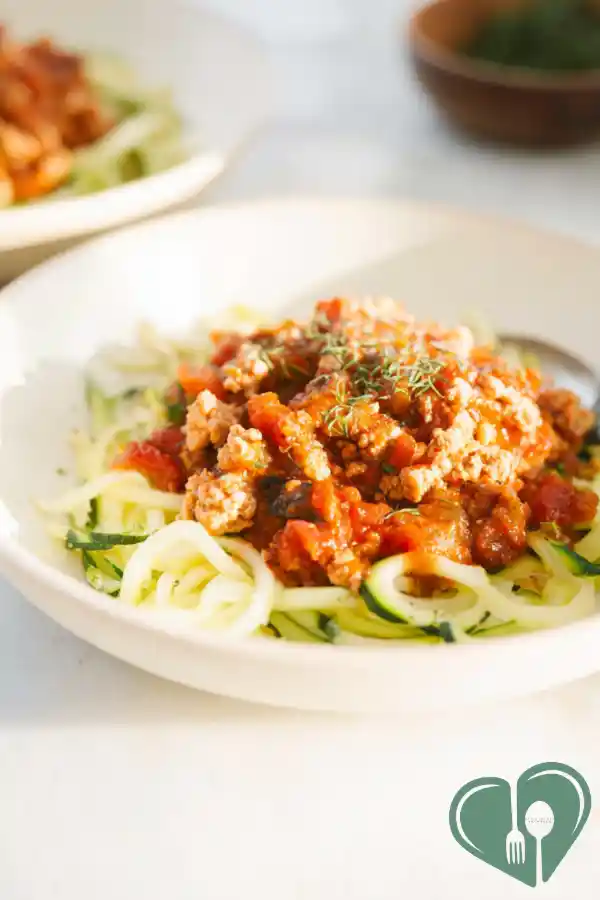
- Zucchini noodle bolognese
Zucchini noodles replace traditional pasta in this lighter version of Bolognese, while the turkey meat sauce keeps the meal hearty and flavorful. It’s a simple option when you want familiar comfort-food flavors with more vegetables.
- Stuffed bell peppers
Bell peppers are filled with lean ground beef and a smaller amount of rice for a hearty, simple dinner. The peppers add vegetables and texture while keeping the filling familiar and satisfying.

- Garlic butter chicken
Garlic butter chicken pairs well with green beans or other non-starchy vegetables for a simple, protein-focused dinner. It comes together quickly and works well for busy weeknights.

- Tuscan chicken
Creamy Tuscan chicken brings together tender chicken, a rich sauce, and vegetables in a simple skillet meal. Serve it with non-starchy vegetables or another side that fits your meal.

Low-carb dinners do not have to mean small or restrictive meals. They can simply place more emphasis on protein, non-starchy vegetables, and lower-carbohydrate ingredients.
Diabetic-Friendly Comfort Food Dinners
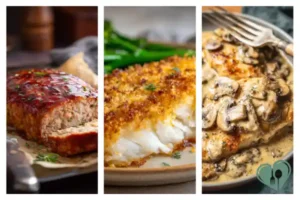
Comfort food can still have a place in a diabetes-friendly eating pattern.
Pasta bakes, chili, pot pie, and other familiar dinners do not necessarily need to disappear. Often, a few practical adjustments can make them easier to fit into a balanced meal.
The goal is to keep the flavors and comfort you enjoy while paying attention to the overall balance of the plate.
Why Comfort Food Can Be Harder to Balance
Many traditional comfort-food meals rely heavily on pasta, bread, crusts, potatoes, or other carbohydrate-rich ingredients.
Instead of removing these foods completely, you can adjust the proportions of the meal by adding more vegetables and protein and choosing a portion of carbohydrate foods that fits your individual needs.
Small changes can keep the meal familiar while giving the plate more variety and balance.
How to Make Comfort Meals More Balanced
You do not have to reinvent every recipe. A few simple changes can often make a familiar dinner easier to fit into your routine.
- Chicken pot pie skillet
Chicken pot pie filling comes together in a skillet with chicken, vegetables, and a lighter topping for a familiar comfort-food dinner. You can also serve the filling with extra vegetables on the side.

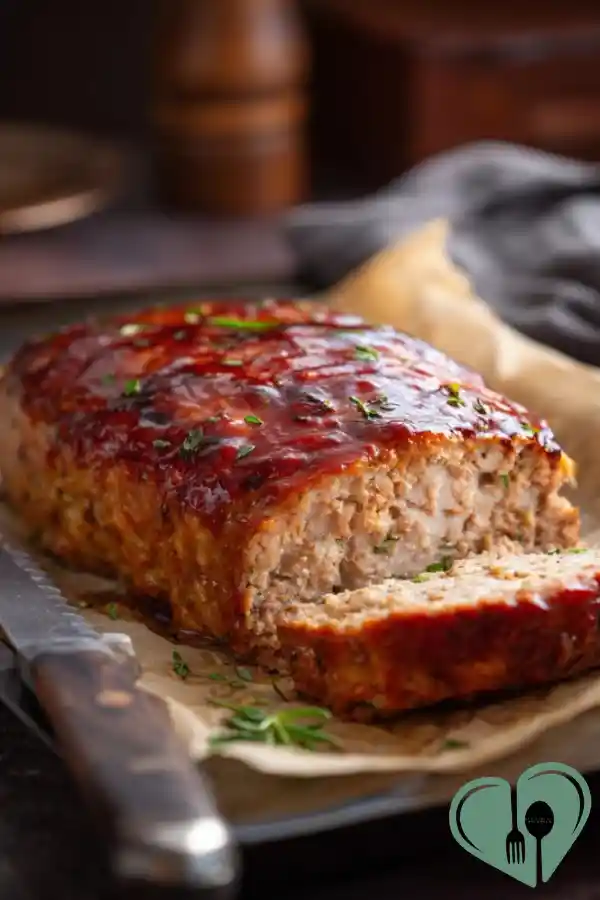
- Turkey meatloaf
Turkey meatloaf offers a leaner take on a classic comfort-food dinner. Grated vegetables can be mixed into the meatloaf for extra texture, and roasted green beans make an easy side.
- Creamy mushroom chicken
Creamy mushroom chicken combines tender chicken with a rich mushroom sauce for a comforting dinner. Serve it with sautéed spinach, roasted vegetables, or a modest portion of whole-grain noodles.

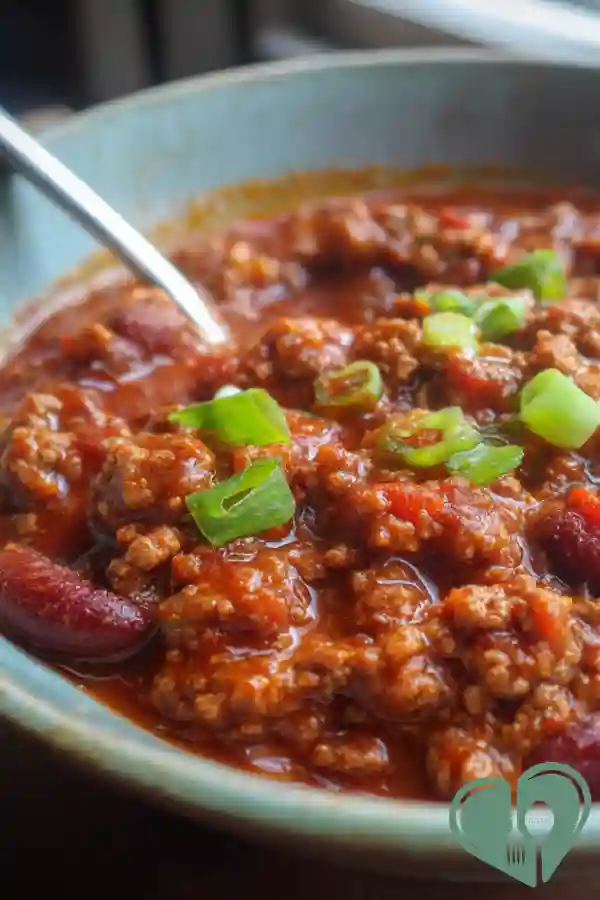
- Diabetic-safe chili
Lean ground beef, beans, and tomatoes come together in a hearty chili with plenty of flavor and protein. Serve it with vegetables or a portion of your preferred side to complete the meal.
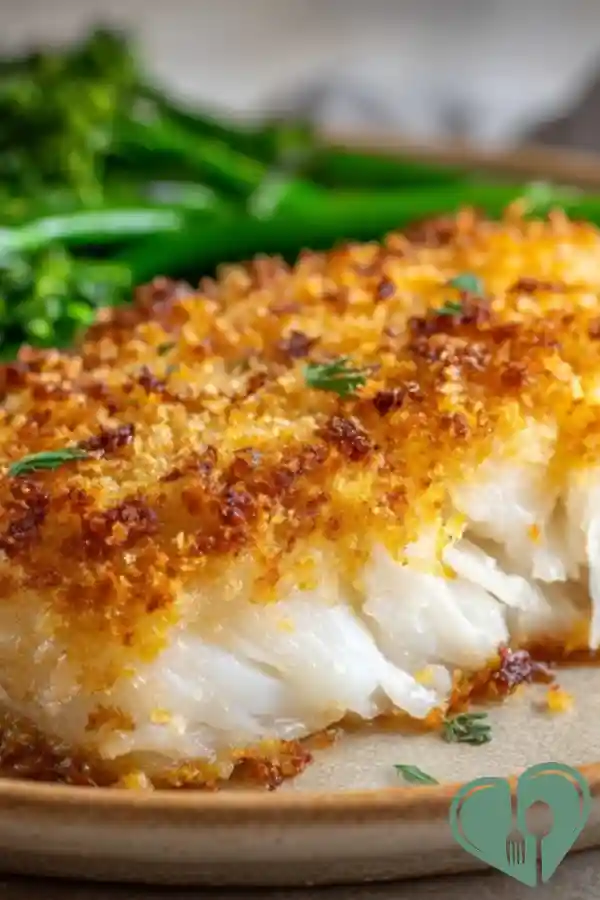
- Parmesan crusted fish
Oven-baked fish with a Parmesan crust gives you a simple, flavorful comfort-food dinner. Serve it with roasted vegetables, salad, or another side that fits your meal.
The goal is not to remove comfort from dinner. It is to keep the familiar flavors you enjoy while adjusting portions and adding vegetables, protein, and other foods that help create a more balanced meal.
High-Protein, Balanced Diabetic Dinners

High-protein dinners can be a practical option when you want a meal that feels substantial and satisfying.
Protein foods such as chicken, fish, turkey, eggs, tofu, beans, and lentils can form the center of a balanced dinner alongside vegetables and carbohydrate foods.
The goal is not to remove carbohydrates or make every dinner extremely high in protein. It is simply to build a meal where protein has a meaningful place on the plate.
Here are a few high-protein dinner ideas to try:
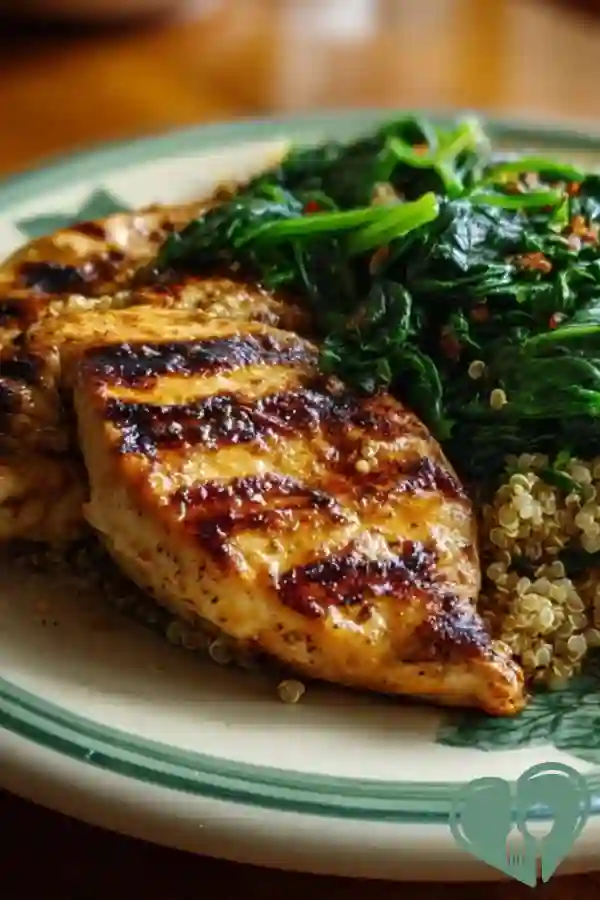
- Grilled chicken with quinoa
Grilled chicken and quinoa make a simple, balanced dinner with protein, fiber, and familiar ingredients. Add spinach or another non-starchy vegetable to round out the meal.
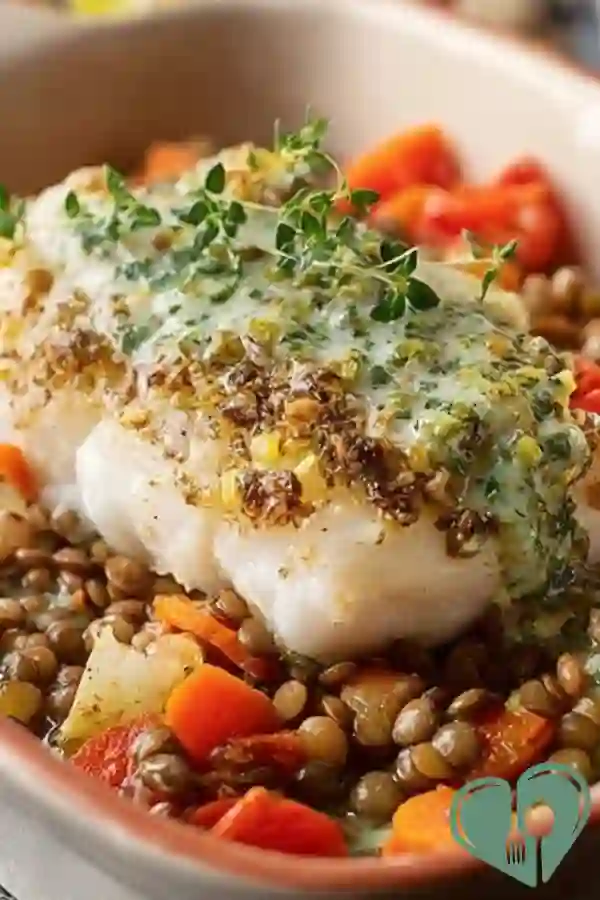
- Cod with lentils
Light but filling. Protein from both the fish and the lentils.
- Turkey lettuce wraps
Less bread. More filling. Still feels like a real dinner.

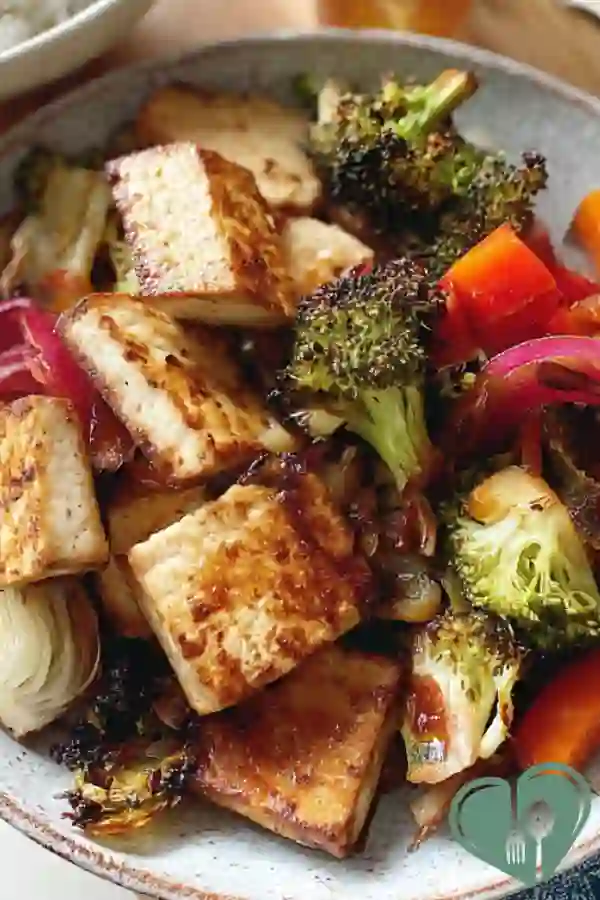
- Tofu with roasted veggies
Baked cod and lentils make a simple dinner with protein from both the fish and the legumes. Add vegetables or a fresh salad to complete the meal..
- Steak and Brussels sprouts
Steak and Brussels sprouts cook together for a simple, hearty dinner with protein and vegetables on the same plate. Add your preferred seasonings and serve as is or with a small side if needed.

Animal vs. Plant Protein
Both animal and plant proteins can fit into a balanced dinner.
Chicken, fish, turkey, eggs, and lean meats are easy to build meals around. Plant-based options such as beans, lentils, tofu, and tempeh can also provide protein along with other nutrients.
The best choice depends on your preferences, the rest of the meal, and what fits your individual eating plan.
Common Dinner Mistakes That Can Make Meals Harder to Balance
Even a simple dinner can become less balanced when portions, sauces, or side dishes start taking over the plate.
A few small adjustments can make everyday meals easier to manage.
Hidden Sugars in Sauces
Barbecue sauce, teriyaki sauce, honey mustard, bottled stir-fry sauces, and some pasta sauces can contain added sugars.
You do not need to avoid sauces completely. Check the nutrition label, compare options, and use an amount that fits the meal.
Oversized Portions of Carbohydrate Foods
Whole grains and other carbohydrate foods can still be part of dinner, but portion size matters.
Brown rice, whole-grain pasta, beans, and sweet potatoes can be combined with protein and vegetables rather than taking up most of the plate.
The goal is balance, not eliminating carbohydrate foods.
Skipping Protein at Dinner
Meals built mostly around pasta, rice, or other carbohydrate foods may be less satisfying when there is very little protein included.
Adding chicken, fish, eggs, tofu, beans, lentils, or another protein food can make the meal more complete.
Simple Meal Planning Tips for Diabetic Dinners
Planning dinner does not have to mean preparing an entire week of meals at once.
A few simple habits can reduce decisions on busy evenings and make your favorite easy diabetic dinners easier to repeat.
Repeating Familiar Meals Is OK
You do not need a completely different dinner every night.
If you have a few meals that are simple, enjoyable, and fit your needs, keeping them in regular rotation can make planning much easier.
Batch Cooking Without Boredom
Batch cooking can be as simple as preparing extra ingredients rather than making several identical meals.
Cook extra protein, roast a tray of vegetables, or prepare a pot of chili and freeze part of it for another day.
Those ingredients can then be used in bowls, wraps, salads, or other quick meals throughout the week.
Grocery Shopping Shortcuts
Keep your shopping list simple.
Choose a few proteins, several vegetables, and one or two carbohydrate options that can be combined in different ways.
A small group of versatile ingredients can give you several dinners without requiring a long shopping list.
You also do not need to plan seven different dinners every week. A few planned meals, along with leftovers and familiar quick options, may be enough to make the week easier.
Putting It All Together: Making Diabetic Dinners Easier
Easy diabetic dinner recipes do not need to follow a perfect formula.
A practical dinner can include protein, vegetables, carbohydrate foods, and healthy fats in proportions that fit your individual needs and preferences.
Some nights you may choose a lower-carb meal. Other nights you may include rice, pasta, beans, or another carbohydrate food. Familiar comfort foods can also fit with a few practical adjustments.
The goal is to build a small collection of meals that are easy enough to prepare on busy weeknights and enjoyable enough to make again.
Explore the quick weeknight dinners, lower-carb ideas, comfort-food options, and high-protein meals above, and keep the recipes that work best for your routine.
Dinner should feel manageable, not complicated.