
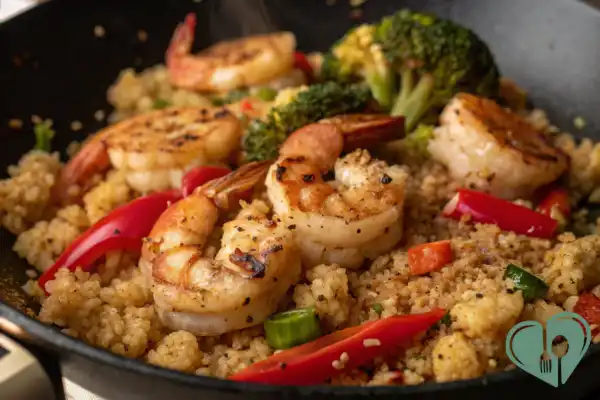
Some days you just want fried rice. Not a project. Not a health lecture. Just something hot in a pan that smells right. The kind of smell that makes you hover near the stove and poke at it too early.
Then you remember how regular fried rice usually ends. You feel it later. Heavy. Foggy. Blood sugar doing its thing. Annoying.
That is where this cauliflower fried rice with shrimp came from. Not from a plan. More like frustration. I wanted the food without the aftermath. I kept seeing lists of easy diabetic dinner recipes that felt sad or overly careful. This is not that. This is just food. Shrimp, garlic, heat. Cauliflower doing its quiet background job.
It cooks fast. That matters. Shrimp does not ask for much. Neither does cauliflower rice as long as you do not drown it. You end up with a bowl that looks familiar. Feels familiar. You eat it and wait for the usual crash. It does not show up. That part still feels a little surprising.
I make this when I do not want to think. Or when takeout feels tempting but also like a bad idea. ” That’s usually when something like Turkey Lettuce Wraps makes more sense. Same takeout feel, way lighter. ” It fits into that space where simple diabetic dinners are supposed to live, but usually do not. It is not perfect. Sometimes it is better than other times. That is fine.
Anyway. Let’s get into why the cauliflower part actually works. Or at least why it works for me.
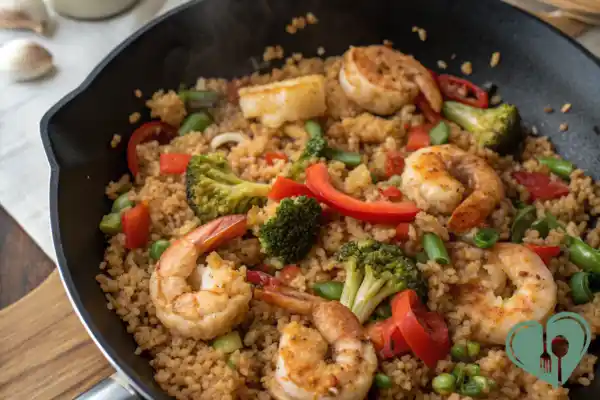
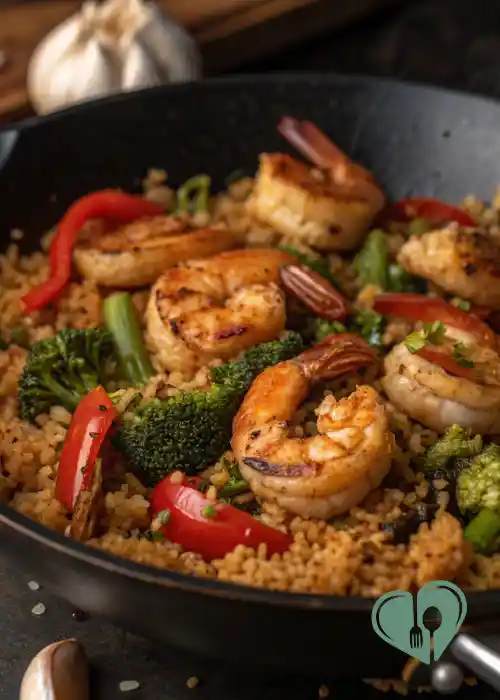

Cauliflower Fried Rice with Shrimp
Ingredients
Equipment
Method
- If using frozen cauliflower rice, microwave it first. Squeeze out as much moisture as you can using a clean kitchen towel. Set aside.
- Heat 1 tablespoon oil in a large skillet over medium high heat. Season shrimp lightly with salt and pepper. Cook 1 to 2 minutes per side until just pink. Remove from pan and set aside.
- Add about 1/2 tablespoon oil to the same pan. Pour in the beaten eggs. Stir gently until just set. Slide eggs out of the pan with the shrimp.
- Add remaining oil to the pan. Add diced onion and cook for 2 to 3 minutes until softened.
- Add garlic and ginger. Stir for about 30 seconds until fragrant.
- Increase heat slightly. Add cauliflower rice and frozen peas and carrots. Stir often and cook 5 to 7 minutes until moisture cooks off and light browning starts.
- Return shrimp and eggs to the pan. Add soy sauce or coconut aminos. Toss everything together and cook 1 to 2 minutes more.
- Taste and adjust with salt and black pepper. Garnish if using and serve hot.
Notes
- Drying the cauliflower rice matters more than anything else. If it is wet, the whole dish goes soft.
- Use a large pan and do not crowd it. Space helps everything brown instead of steam.
- Shrimp cooks fast. Pull it early and add it back later so it stays tender.
- Start with less sauce than you think. You can always add more at the end.
- This tastes best right after cooking. Reheats fine, just not the same.
- If it tastes flat, it usually needs more heat or salt, not more sauce.
Why Cauliflower Rice Helps Blood Sugar
This part is not exciting. It is just real.
Regular rice hits fast. You eat it it turns into sugar, and your body reacts like it always does. Sometimes you feel it. Sometimes you do not notice until later when everything feels off. Tired. Hungry again. A little irritable for no clear reason.
Cauliflower rice does not do that. Or at least not in the same way. It moves slower. It does not rush in and cause chaos. It kind of sits there and behaves. That is the main reason people keep coming back to it, even when they swear they hate cauliflower. Blood sugar stays steadier. No sharp spike. No crash that makes you want a nap or something sweet right after dinner.
I did not believe this at first. It sounded like one of those swaps people pretend to enjoy. But after a few meals, it became obvious. Nights with cauliflower rice felt different. Calmer. Less reactive. Especially when paired with protein, like shrimp. Protein slows things down even more. That combo matters.
Another thing people do not always mention is portion size. With cauliflower rice, you can eat a full bowl and not feel like you messed up. That alone takes some pressure off. You stop doing math in your head while you eat. That mental load is real, especially if you are managing diabetes or scanning easy meals for diabetics every week.
It also helps that cauliflower rice does not have much of a personality. That sounds like an insult, but it is not. It takes on whatever you cook it with. Garlic. Soy sauce alternatives. Sesame oil. It becomes a background thing instead of the main event, which is probably how rice should have been treated all along.
Is it the same as real rice. No. It is different. But different is sometimes the point. It lets you eat food you actually want, just without the side effects. And once you stop expecting it to be something else, it starts making a lot more sense.
Anyway. That is the logic behind it. Nothing fancy. Just fewer problems later.
Ingredients
This is intentionally simple. That is the whole point. Nothing fancy. Nothing that sends you scrolling through ingredient lists wondering if dinner is still worth it.
Here is what actually goes in the pan.
Main stuff
- 1 lb raw shrimp, peeled and deveined
- 4 cups cauliflower rice, fresh or frozen
- 2 eggs, lightly beaten
- 3 tbsp avocado oil or sesame oil, split up as you go
- 3 cloves garlic, minced
- 1/2 small onion, diced pretty small
- 1/2 cup frozen peas and carrots
- 3 tbsp soy sauce or coconut aminos
- 1 tsp fresh grated ginger (optional, but honestly, good)
- Salt and black pepper
That is it. No tricks.
Optional, but usually worth it
- Green onions on top
- Red pepper flakes or chili crisp if you want heat
- A lime wedge at the end, sounds odd, works anyway
This is why it keeps landing on my list of weeknight diabetic meals. The ingredients do not argue with you. They are easy to find. They behave.
Ingredient FAQ
Can I use pre cooked shrimp?
You can. It will work. Just know it is not ideal. Pre cooked shrimp heats fast and turns rubbery if you are not careful. Raw shrimp gives you a little more control and stays juicier. If pre cooked is what you have, use it and move on.
Step by Step Cooking Instructions
This goes fast. Faster than you expect. Get everything chopped first or you will be scrambling in a bad way.
1. Dry the cauliflower rice
If it is frozen, microwave it first. Then squeeze the life out of it using a clean towel. This step matters more than people admit. Skip it and you get mush. Nobody wants that.
2. Cook the shrimp
Heat about 1 tablespoon oil in a big pan over medium high heat. Season shrimp lightly with salt and pepper. Cook one to two minutes per side until just pink. Take them out. Set aside. Do not overcook them. They will come back later.
3. Scramble the eggs
Add about half a tablespoon oil to the same pan. Pour in the eggs. Stir gently. Pull them off while they are still soft. They finish cooking later anyway.
4. Build the base
Add the rest of the oil. Toss in the onion. Cook a couple minutes until soft. Add garlic and ginger. Stir for about thirty seconds. When it smells good, move on.
5. Add cauliflower rice and veggies
Turn the heat up a bit. Add cauliflower rice and peas and carrots. Stir constantly. Let the moisture cook off. This takes five to seven minutes. You want steam gone and light browning starting.
6. Bring it all back together
Shrimp goes back in. Eggs too. Add soy sauce or coconut aminos. Toss everything around. Cook another minute or two.
7. Finish
Taste it. Adjust salt or pepper. Add green onions or chili if you want. Squeeze lime if that is your thing. Eat it hot.
Cooking FAQ
Why is my cauliflower fried rice mushy?
Too much moisture or too much crowding. Dry the rice better and do not be afraid of higher heat. That usually fixes it.
Flavor Boosts Without Sugar
This is where most low carb fried rice falls apart. It tastes flat. Or weirdly sweet. Or both. Usually because people rely on bottled sauces that sneak sugar in when no one is looking.
You do not need much here. You just need the right things, used at the right moment.
Garlic and ginger do most of the work. Fresh if possible. If not, still fine. They hit the pan early and wake everything up. That smell is half the reason this dish works. If your kitchen does not smell good at this stage, something is off.
Heat matters too. A pan that is not hot enough gives you steamed vegetables. That is not what you want. You want a little browning. A little edge. That slight almost burned note that makes fried rice taste like fried rice.
Soy sauce alternatives help, mostly because they are salty without being sweet. Coconut aminos are popular for a reason. They behave. Regular soy sauce works too if that fits your situation. Just do not drown the pan. A few tablespoons is enough. You can always add more later.
Sesame oil goes in at the end. Always. If you cook it too long, it gets bitter. A small drizzle right before serving changes everything. Same with white pepper, if you like it. It is subtle. You might not notice it until it is missing.
Acid is optional but useful. A squeeze of lime or rice vinegar right at the end cuts through the richness. It makes the shrimp pop more. It also keeps the whole bowl from tasting heavy.
This is why this dish keeps showing up when people look for diabetic friendly meals that feel normal. Nothing here tastes like a substitute. It just tastes intentional. ” If you’re craving something closer to pasta but still low-carb, Zucchini Noodle Bolognese hits that same comfort note without the blood sugar spike. “
If you want heat, add chili flakes or chili crisp. Not too early. Late. You want the flavor, not burned bits.
That is basically it. No sugar. No fake sweetness. Just layering things that already work.
Next up is protein swaps, because shrimp is great, but sometimes you are out, or just not in the mood.
Protein Swaps
Shrimp is great. Until it is not. Maybe you forgot to thaw it. Maybe seafood just sounds wrong today. Happens. “ If you prefer something simpler and just as satisfying, Garlic Butter Chicken is an easy low-carb swap that works beautifully for weeknights. “
The good thing about this dish is that the protein is flexible. You can swap it without breaking anything.
Chicken works easily. Thighs are better than breast. More forgiving. Cut them small. Let them get some color before moving them around. Same timing as shrimp, just a little longer. Pull them out early. Bring them back at the end.
Eggs alone also work. Just add more of them. Three or four instead of two. It turns into a very different dinner, but still solid. Cheap. Fast. One of those nights where effort is low and expectations are realistic.
Tofu is fine too, if you treat it right. Extra firm only. Press it if you have time. If not, just dry it aggressively. Cube it. Let it sit in hot oil until it actually browns. Do not stir too much. Once it has color, it behaves better.
Beef is another option. Thin sliced steak or even ground beef. If it is ground cook it first and drain off extra fat before moving on. If it is sliced, cook it hot and fast. Do not overcrowd the pan. Same rule as always.
Leftovers also count. Rotisserie chicken. Leftover pork. Even that random piece of salmon from last night. Chop it up. Add it late. Keep expectations reasonable.
This is part of why it fits into flexible diabetic dinners without feeling repetitive.
Same base. Different protein. Different mood. Same pan.
Next up is the FAQ section. The questions people usually ask after the first time they make this and something goes a little sideways.
FAQs
Can I use frozen cauliflower rice?
Yes. Most people do. Just dry it. Really dry it. Microwave it first, then squeeze it out with a towel like you mean it. If you skip that, it turns soft and weird. That is usually where things go wrong.
Can I make this ahead of time?
Kind of. It is best fresh. Reheated is fine, just not exciting. If you do reheat it, use a pan, not the microwave if you can help it. The microwave makes everything sad.
Does this actually keep blood sugar steady?
For a lot of people, yes. Especially compared to regular fried rice. Everyone is different, obviously. But cauliflower rice plus protein is a calmer combo. Fewer surprises later. That is usually the goal with weeknight meals for diabetes anyway.
Why does mine taste bland?
Probably not enough heat. Or not enough salt. Or both. Fried rice needs a hot pan and confidence. Taste as you go. Adjust. You are allowed to do that.
Can I freeze leftovers?
You can, but I would not plan on it. The texture takes a hit. If freezing is your thing, it still works. Just lower expectations a little.
Is this keto?
Close enough for most people. Depends on what you add and how strict you are. The base is low carb. The rest is up to you.
That is usually everything people ask the first time around. The rest you figure out by cooking it once or twice. That part is unavoidable.

Dreena shares balanced, diabetes-friendly recipes made for real life—simple, nourishing, and full of flavor. Her kitchen is where health meets heart.