
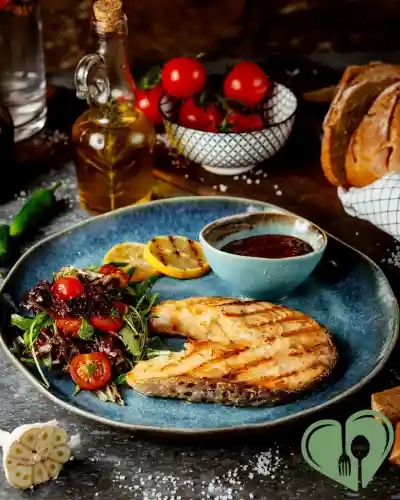
If you’re living with diabetes, eating can start to feel like a constant negotiation between keeping blood sugar stable and actually enjoying your meals. It’s tiring. One day a food feels safe, the next it throws your numbers off. And somewhere in the middle, you’re just trying to feel good again.
That’s where Mediterranean foods for diabetics come in. Not as a trend, but as a steady way of eating that adds support instead of stress. These meals focus on what works: healthy fats, fiber-rich vegetables, legumes that hold you, and ingredients that digest slowly enough to give your body a chance to keep up.
In this guide, we’ll break down the 10 best Mediterranean foods for diabetics, explain why they’re helpful, and share a 3-day dinner plan built for real life not perfection. No rules. No guilt. Just meals that help your blood sugar stay balanced, and your relationship with food feel a little more sane.
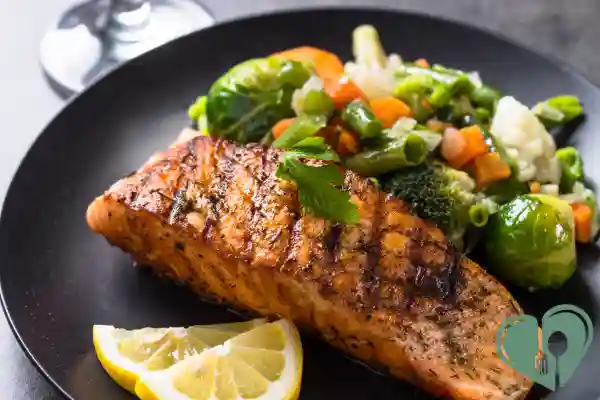
Why the Mediterranean Diet Works for Diabetics
Trying to manage blood sugar can feel like you’re constantly correcting for something you didn’t even do wrong. One day, you eat a grain bowl and feel great. The next, the same meal leaves you foggy and frustrated. That unpredictability wears on you and it’s why a lot of people give up. Not because they don’t care. But because they’re tired of playing nutrition roulette.
That’s why the Mediterranean diet lands differently. It’s not a trend or a fix it’s a pattern. A rhythm, really. It leans into foods that don’t just fill you up, but slow you down in a good way. Meals built around olive oil, beans, grains with some bite, greens that actually taste like something… they don’t crash your blood sugar, they coast it. And when that starts to happen consistently, something else kicks in: trust.
The Ingredients Behind the Stability
This isn’t about magic ingredients. It’s about combinations that give your metabolism room to breathe.
- Whole, unprocessed foods aren’t just “clean” they break down slower. That alone can change the shape of your entire day.
- Healthy fats from olives, nuts, fish they don’t raise glucose, and they help curb hunger without turning eating into a numbers game.Curious how simple ingredients like olive oil, feta, and fiber help stabilize blood sugar? Here’s a closer look at how these three quietly support diabetic meals.
- Low-glycemic carbs like barley and lentils let you eat carbs without inviting chaos. Not all carbs are the enemy. These ones show up with manners.
- Fiber-rich produce, especially greens, slow digestion, feed your gut, and quietly do the background work that makes everything else more effective.
This has been studied a lot. People following a Mediterranean diet have seen lower A1C, improved insulin response, less weight fluctuation. A review published in PubMed Central confirmed these benefits, showing significant improvements in A1C, insulin sensitivity, and reduced chronic inflammation in people with type 2 diabetes.
Not because they tried harder. But because they changed the input. You give your body food it knows what to do with, and it starts responding like it remembers how to regulate itself.
It’s About More Than Food
But maybe the biggest shift? It’s emotional. Mediterranean-style eating doesn’t just change your diet it softens your relationship with food. There’s less shame. Less micromanaging. More sitting down, more chewing, more flavor. The rituals matter maybe even more than the macros.
And on the hard days because there will be hard days this way of eating doesn’t fall apart. You don’t have to start over. You just keep going. That’s the power of a rhythm instead of a rulebook.
Top 10 Mediterranean Staples That Support Glucose Control
Some foods just don’t throw you off. You eat them, and you don’t feel weird after. No spike, no crash, no sudden hunger an hour later. That’s what this list is really about. Not just what’s “healthy” but what’s predictable. The kind of ingredients that, once they’re in your rotation, quietly change the way your day feels.
- Olive Oil
Not everything needs a spreadsheet. Olive oil isn’t a low-fat choice it’s a low-chaos one. It slows digestion, supports insulin, and makes everything else you eat more satisfying. Not a garnish. A foundation. - Legumes (Lentils, Chickpeas, Beans)
They don’t spike. They stick with you. You eat lentils and feel full in that steady, unbothered way. Chickpeas are great for that too. Beans depends on the type, but they’re generally good at keeping things even. - Whole Grains (Barley, Farro, Quinoa)
There’s a difference between carbs that hit hard and carbs that stay in their lane. These grains do the latter. Barley’s particularly underrated. Quinoa’s protein-rich, farro’s got this chew to it that slows you down and weirdly, that helps. - Leafy Greens (Spinach, Arugula, Kale)
You can put them next to anything. They don’t raise blood sugar, and they do a lot in the background magnesium, fiber, volume. No drama. Just solid support. - Tomatoes
They don’t mess with your levels, and they add this acid and richness that makes a plain meal feel whole. Lycopene’s in there, sure, but really it’s how they round out a dish that matters more. - Fatty Fish (Salmon, Sardines, Mackerel)
Zero carbs, plenty of protein, omega-3s. No weird glycemic surprises here. Even a small portion makes a meal feel grounded. Bonus: tames inflammation too. - Yogurt (Unsweetened Greek)
The key word is unsweetened. Get past the taste-shock at first, and it becomes a go-to. Great protein-to-carb ratio, plus probiotics that help digestion work the way it’s supposed to. - Nuts & Seeds
They’re small but mighty. Almonds, walnuts, chia they all work differently but land in the same place: slower absorption, fewer cravings. One handful makes more difference than you’d expect. - Garlic & Onions
Not just flavor bombs they’re insulin-friendly. Especially garlic. And because they make food taste like food, you’re not reaching for sauces or sugar to make up for blandness. - Herbs (Oregano, Basil, Parsley)
Tiny, overlooked, powerful. They make healthy food feel layered and satisfying, which let’s be honest is half the battle when you’re eating for stability.
You don’t have to use all ten every day. But the more you build your meals around these? The fewer glucose surprises you’ll get. And over time, that predictability starts to feel like peace.
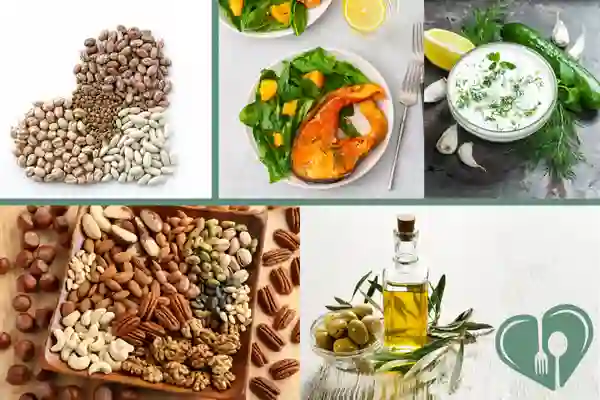
Blood Sugar Benefits of These Ingredients
Here’s what it comes down to when these foods show up in your meals regularly, things just start to feel… calmer. Not instantly. Not perfectly. But steadier.
Fiber especially from beans, greens, and whole grains slows things down. You don’t get that jolt after eating. Fats like olive oil or salmon keep you full longer, which honestly just helps you stop thinking about food all the time. And those carbs people tell you to avoid? Lentils, barley, quinoa they give you energy without making your numbers spiral.
The herbs, garlic, tomatoes they don’t feel like “medicine,” but they still help. Less inflammation, better insulin response, easier digestion. All that low-grade chaos in the background quiets down.
No single food fixes everything. But together, they build meals that work with your body instead of against it. You eat, and you feel okay after. That’s the difference.
Sample 3-Day Mediterranean Dinner Plan for Diabetics
Some nights you cook. Some nights you assemble. These three? They’re just the ones that don’t mess me up after. That’s all I really care about.
Day 1
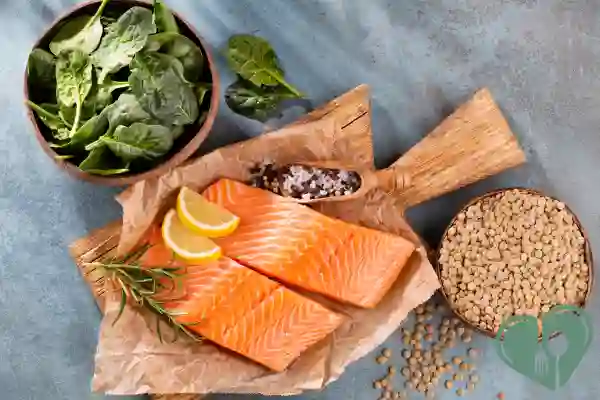
Grilled salmon. Or pan-seared if I’m too lazy to go outside. Lentils leftovers, usually. Spinach, wilted fast with garlic. I’ve made this a hundred ways. Doesn’t really matter. It always leaves me feeling level.
Day 2
Quinoa and chickpeas. Stuffed into a roasted pepper if I have time. If not, just mixed in a bowl. Parsley or oregano. Oil. Feta, if there’s some left. It’s one of those “use what you’ve got” meals. And somehow it always works.
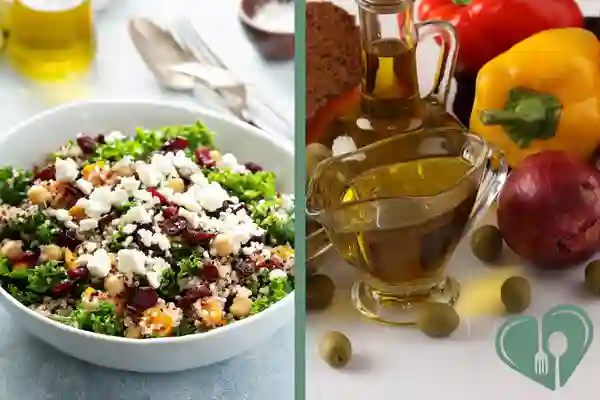
Day 3
Zucchini noodles. Garlic. Olive oil. Whatever’s in the fridge that fits olives, tomatoes, maybe a few crumbles of cheese. It takes ten minutes. Doesn’t spike me. Doesn’t leave me hungry. It’s a win.
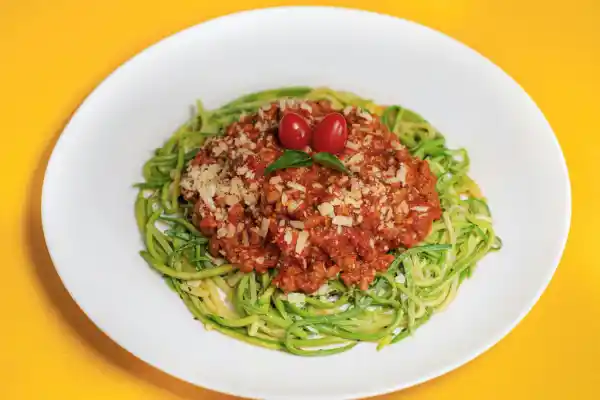
Not perfect meals. Not even great sometimes. But they get me through dinner without a fight. That’s enough.
Looking for a full roadmap? Explore our Diabetic Mediterranean Meal Guide: Recipes, Nutrients & Meal Plans for step‑by‑step menus and nutrient breakdowns.
FAQs
Is this a low-carb diet?
No. I mean… not really. It’s low in refined carbs, but there’s still pasta, bread (the right kind), lentils, even fruit. It’s more about slowing things down so your body has time to deal with the carbs than cutting them out.
Pasta yes or no?
Yeah, just not buckets of it. Whole grain or lentil pasta if you can. And always with something else: veggies, fat, some protein. Pasta on its own is a spike. But pasta with things? Totally doable.
When will I see changes?
Depends. Some people feel better in days fewer crashes, less foggy. The numbers (like A1C) take longer. A few weeks, sometimes months. But if you’re consistent, you’ll notice.
Do I need to count stuff?
Only if you want to. Once you figure out which meals work, it becomes more intuitive. I don’t count anymore. I just build meals that feel balanced and pay attention to how I feel after.
Can this work if I don’t eat meat?
Yeah, 100%. The base of this way of eating is plants. Legumes, grains, greens, oil you can go vegetarian and still get all the benefits.
Finding Balance with Mediterranean Foods for Diabetics
There’s something deeply frustrating about trying to “eat right” and still feeling off. Like you’re doing the work but the numbers or the way your body feels don’t always reflect that. The Mediterranean approach doesn’t promise quick fixes. It just gives you ingredients and meals that make fewer things worse. And over time, that steadiness adds up.
You don’t have to be perfect with it. You just have to be consistent enough that your body starts to trust the rhythm again fewer spikes, fewer crashes, more days where food feels like a tool, not a threat.
If nothing else, this way of eating gives you options. Not restrictions. Not guilt. Just choices that make it easier to feel like yourself again and stay there.

Dreena shares balanced, diabetes-friendly recipes made for real life—simple, nourishing, and full of flavor. Her kitchen is where health meets heart.