
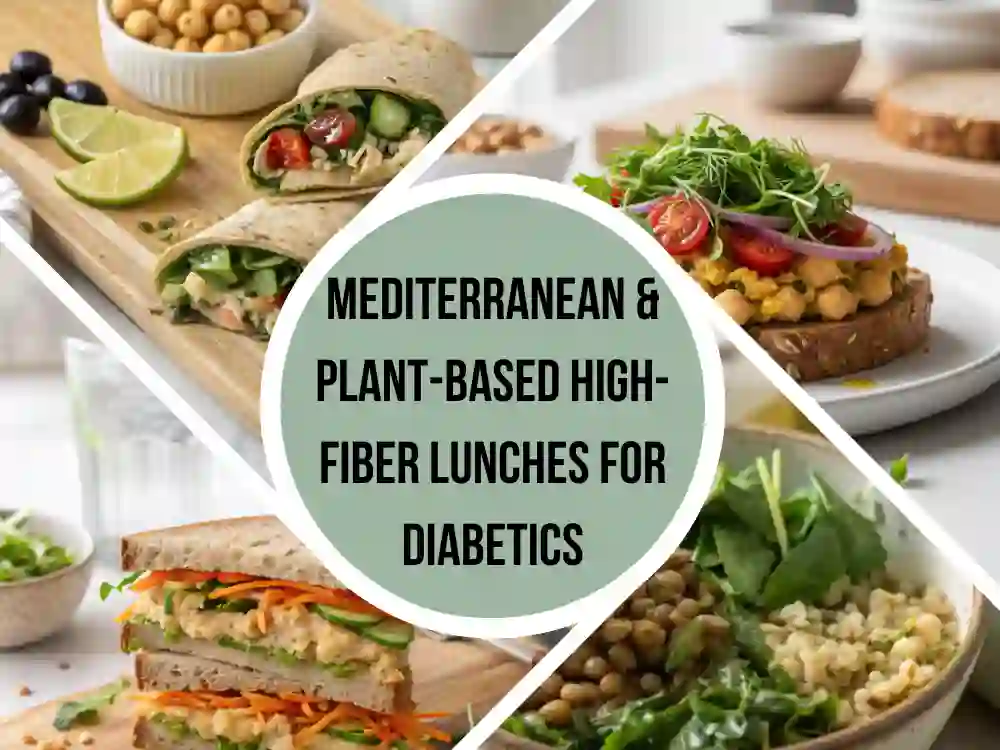
Lunch tends to be the make-or-break meal for blood sugar control – not because it’s inherently risky, but because it’s usually rushed, repetitive, or built around whatever’s easiest. That’s where Mediterranean & plant-based high-fiber lunches for diabetics quietly shine. They don’t rely on extremes. No cutting out entire food groups. No pretending you’ll meal-prep perfectly every Sunday forever. Just a pattern of eating that works with your body instead of constantly correcting it.
If you’ve ever noticed how a bean-heavy lunch keeps you steady longer than a sandwich on white bread – or how olive oil somehow makes vegetables more satisfying – you’ve already felt the logic behind this approach. Fiber slows digestion. Healthy fats soften glucose spikes. And plant-forward meals tend to crowd out the blood-sugar chaos without feeling restrictive. Still, knowing why something works and knowing how to build it consistently are two very different things. That gap is where most people get stuck.
This article focuses specifically on lunch – not dinner recipes you’ll never cook midweek, and not breakfast ideas that don’t carry you past noon. We’ll look at why Mediterranean and plant-based meals are so effective for diabetes management, the specific lunch recipes that fit this style, the core ingredients that define it, and how to assemble meals that are filling, flexible, and realistic. Budget concerns, shortcuts, and common doubts are part of the conversation too – because let’s be honest, a “healthy” lunch that isn’t practical won’t last long.
By the end, you should have a clear mental framework for building high-fiber, plant-forward diabetic lunches that feel normal enough to repeat – and solid enough to trust.
Why Mediterranean & Plant-Based Meals Are Great for Diabetes
Let’s slow this down for a second, because this is where a lot of diabetes advice goes sideways. Mediterranean & plant-based high-fiber lunches for diabetics aren’t effective because they follow some perfect nutritional formula. They work because they remove friction. Less blood sugar whiplash. Fewer food decisions that feel loaded or risky. More meals that behave predictably, even when life doesn’t.
Lunch is especially unforgiving. Eat too light, and you’re shaky by mid-afternoon. Eat too refined, and your glucose spikes before you’ve finished answering emails. Mediterranean and plant-based meals sit in a middle ground that most people don’t realize exists – filling without heaviness, carb-inclusive without being chaotic. The real benefit isn’t restriction; it’s rhythm. These meals digest more slowly, release energy more evenly, and tend to keep hunger signals quieter for longer. That alone solves a lot of downstream problems.
Naturally high in fiber
Fiber is the anchor here, and it’s doing more than just “keeping you full.” In plant-forward Mediterranean lunches, fiber comes from multiple directions at once – legumes, vegetables, whole grains, sometimes fruit – which creates a layered slowing effect in digestion. Glucose doesn’t rush in; it trickles. That pacing matters far more than total carb count for many people with diabetes.
What often gets overlooked is how fiber changes behavior not just numbers. When lunch keeps you satisfied, you’re less likely to chase snacks, overcorrect lows, or second-guess dinner. That consistency compounds. It’s not dramatic but it’s powerful.
Rich in healthy fats
Then there’s fat – specifically the kind that doesn’t hijack appetite or insulin response. Olive oil, nuts, seeds, and olives don’t just add flavor; they change how the meal lands metabolically. Fat slows stomach emptying which smooths the glucose curve and often reduces post-meal spikes.
There’s also an honesty here worth mentioning: plant-based meals without fat feel incomplete. People quit them. Mediterranean-style fats make these lunches satisfying enough to repeat, which matters more than hitting some theoretical ideal.
Backed by research
This pattern isn’t floating on vibes. Mediterranean-style diets are consistently linked to improved insulin sensitivity, lower A1C, and reduced cardiovascular risk – outcomes that matter deeply for anyone managing diabetes. Plant-forward versions tend to enhance those effects by increasing fiber intake and minimizing refined carbohydrates.
That said – and this is important – research reflects patterns over time, not perfect days. The benefit shows up when this becomes your default lunch style, not when every meal is textbook.
FAQ: Will eating this way raise my blood sugar because it includes grains and beans?
For most people, no – and often the opposite happens. When grains and legumes are eaten with fiber, fat, and vegetables, the blood sugar response is usually slower and lower than expected. Many people see more stable readings compared to refined or low-fiber lunches, even if carb totals look similar.
Recipes in This Category
This section is less about “recipes” in the traditional sense and more about reliable lunch patterns. The kind you can lean on when motivation is low and blood sugar predictability matters more than novelty. Mediterranean & plant-based high-fiber lunches for diabetics tend to work best when they’re modular – familiar enough to repeat, flexible enough to adjust, and satisfying enough that you don’t feel like you’re settling.
What these lunches share isn’t a strict cuisine label. It’s balance. Fiber shows up in meaningful amounts, fats are present without overpowering the meal, and protein comes mostly from plants that digest slowly – the same structure you’ll see in Mediterranean-style high-fiber salads for diabetics that are built to stay filling without pushing blood sugar around. None of these are “special occasion” foods. They’re everyday lunches designed to hold steady through the afternoon – which, let’s be honest, is usually when things unravel.
Mediterranean Roll-Ups
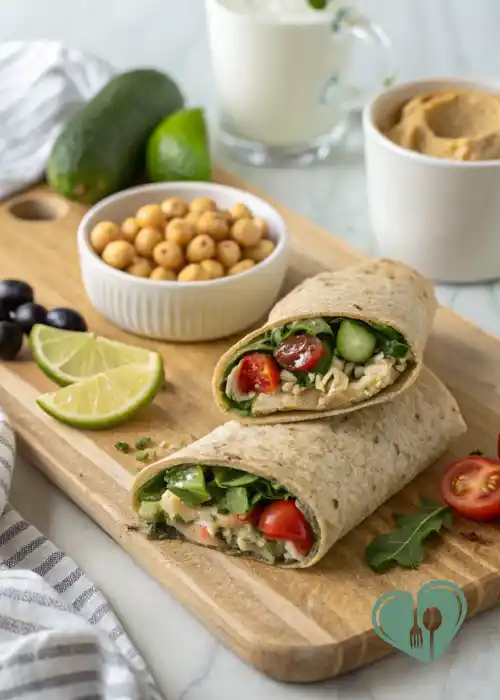
Mediterranean roll-ups are a quiet workhorse. They’re quick to assemble easy to pack and forgiving if you don’t measure anything. A whole-grain wrap or sturdy greens filled with hummus beans vegetables and olive oil creates a lunch that digests slowly without feeling dense. If you want a simple, repeatable version you can lean on, Mediterranean High-Fiber Roll Ups (Diabetes-Friendly) walk through the structure step by step without overcomplicating portions or ingredients.
What makes these especially useful for diabetics is control without obsession. You can adjust the ratio – more vegetables one day, more protein the next – without breaking the structure. They’re also one of the few lunches that still feel good cold, which matters more than people admit.
Chickpea-Based Sandwich Variations

Chickpea-based sandwiches tend to reset expectations. Instead of relying on processed deli fillings, mashed chickpeas provide fiber, protein, and a texture that feels familiar enough to satisfy. When paired with olive oil, herbs, and crunchy vegetables, they behave very differently in the body than traditional sandwich fillings. Options like the Veggie and Hummus Sandwich for Diabetics (High-Fiber Lunch), an Avocado Tomato Sandwich (Chicken or Chickpea Version), or an Open-Face Chickpea Salad Sandwich for Diabetics show how flexible this base can be without complicating lunch.

For people managing diabetes, this often means steadier post-lunch readings and fewer cravings later. It’s a lunch that feels normal – not “diabetic food” – which helps with long-term consistency.
Lentil & Apple Salad

This is one of those combinations that sounds odd until you eat it a few times. Lentils offer slow-digesting carbohydrates and protein, while apples add fiber and brightness without overwhelming sweetness. Together, they create a lunch that’s light but surprisingly durable. If you want a simple version built around this balance, Mixed Greens with Lentils & Sliced Apple walks through how to assemble it without overthinking ingredients or portions.
It’s especially helpful for days when heavy meals feel unappealing but skipping substance backfires. As a bonus, it holds up well for meal prep and often tastes better after sitting.
Global Grain + Bean Bowls
Grain and bean bowls are the most flexible option here. Different grains, different legumes, different flavor profiles – same underlying structure. When built with intact whole grains plenty of vegetables, and healthy fats, they provide consistent energy without sharp glucose swings. A simple framework like Simple Grain-Bean-Greens Bowl (Diabetic Lunch Base) shows how to assemble these bowls in a repeatable way without turning lunch into a project.

FAQ: Do these lunches require full meal prep?
Not necessarily. While some components can be prepared ahead of time, most of these lunches work just as well assembled quickly using leftovers, canned beans, or pre-cut vegetables.
Ingredients That Define This Style of Eating
I’ll be honest – this part sounds simpler than it feels when you’re actually standing in your kitchen. Mediterranean & plant-based high-fiber lunches for diabetics are often described as a “way of eating,” which can make it seem abstract or even intimidating. In reality, it’s more like a short ingredient vocabulary you keep reusing. Once those foods become familiar, lunch decisions get quieter. Less second-guessing. Less mental math.
What really defines this style isn’t novelty; it’s reliability. these ingredients tend to behave well together, even when portions aren’t exact or meals aren’t perfectly balanced. They add bulk without chaos, flavor without sugar creep, and fullness without heaviness. Over time, that predictability builds trust – and trust is what makes a way of eating stick.
Olive oil
Olive oil does more than make food taste better – though that alone counts. It slows digestion just enough to soften post-meal blood sugar rises, especially when paired with fiber-rich foods. That slowing effect is subtle, but you often feel it later when hunger doesn’t come crashing in all at once.
There’s also a psychological side to it. Plant-based meals without fat can feel like you’re missing something, even if nutritionally they’re “fine.” Olive oil closes that gap. A drizzle over vegetables or beans makes lunch feel intentional instead of improvised – which sounds small, but matters when you’re eating this way regularly.
Beans and legumes
If there’s a cornerstone ingredient here, it’s legumes. Beans, lentils, and chickpeas carry carbohydrates, protein and fiber together which is rare and incredibly useful for diabetes management. They digest slowly, support fullness, and don’t tend to create sharp glucose swings when eaten in reasonable portions.
They’re also forgiving. You can mash them, toss them into salads, wrap them up or eat them cold the next day. Canned beans work. Leftover beans work. That flexibility is a big reason people can keep coming back to them without burnout.
Whole grains
Whole grains often get misunderstood. In this context, they’re not filler – they’re structure. Intact grains like barley farro quinoa bulgur and brown rice still contain fiber and texture that slow digestion.
The catch is pairing. Whole grains shine when they’re eaten with legumes, vegetables, and fat. On their own, they can behave like any other carb. In combination, they become part of a meal that releases energy gradually and predictably.
Herbs, spices and veggies
Vegetables provide volume and fiber without pushing blood sugar but herbs and spices are what make repetition tolerable. Flavor prevents boredom, and boredom is often the real reason people abandon healthy lunches.
FAQ: What if I don’t like one of these ingredients?
That’s fine. This style isn’t about forcing foods you dislike. It’s about finding equivalents you’ll actually eat. Consistency beats correctness every time.
How to Build Plant-Forward High-Fiber Diabetic Meals
Let me reframe this one more time, because this is usually where people think they understand the idea – and then still feel stuck at lunchtime. Building plant-forward high-fiber diabetic meals isn’t about assembling the “right” plate. It’s about avoiding the wrong kind of gaps. Most lunches that derail blood sugar aren’t excessive; they’re incomplete. Something important is missing and the body notices before you do.
A useful way to think about lunch is as a stabilizer not a highlight. You’re not trying to impress yourself. You’re trying to get through the afternoon without fighting hunger, fatigue, or sudden cravings. When fiber, plants, and fat are present in reasonable balance, the meal tends to carry you longer – even if portions aren’t perfect or timing isn’t ideal. That flexibility is the whole point.
Pick a plant protein
Start with a protein source that also contains fiber. This matters. Beans, lentils and chickpeas do more than add protein – they slow digestion because the carbohydrates are physically wrapped in fiber. That’s why they behave differently than refined starches or isolated carbs.
This doesn’t need to be a large portion. Even a modest amount creates structure. Without it, lunches tend to feel “floaty” – satisfying for a moment, then suddenly gone. A plant protein gives the meal weight without heaviness.
When these plant proteins are paired with grains and vegetables in a bowl-style lunch, the structure becomes even easier to repeat. That’s where High-Fiber Lunch Bowls for Diabetics: Easy, Filling and Blood-Sugar Friendly can be especially helpful, showing how this balance comes together without turning lunch into a project.
Add veggies
Vegetables aren’t filler; they’re regulators. Non-starchy vegetables increase volume and fiber while keeping the overall glucose load manageable. They also slow the meal down mechanically – more chewing, more bulk, slower digestion.
You don’t need complexity here. Two vegetables you actually enjoy will do more for consistency than five you tolerate. Raw, roasted, sautéed – it all counts.
Add healthy fat
This is where many lunches fall apart. Without fat, digestion speeds up, hunger returns early and blood sugar becomes harder to predict. Olive oil, nuts, seeds, olives, or tahini create a smoother digestion curve and make meals feel finished.
Think supportive not heavy. A drizzle, a spoon, a small handful. Enough to slow things down – not enough to overwhelm the plate.
Keep seasoning fresh and bold
Flavor isn’t optional if you want this to last. Herbs, spices, citrus, vinegar, garlic, and onion keep repetition from turning into resentment. When lunch tastes good you’re less likely to look for “something else” an hour later.
FAQ: What if this still feels too vague to follow?
That’s normal at first. The pattern clicks after repetition, not explanation. Start by asking one question at lunch: What’s missing – fiber, vegetables, or fat? Fix that, and most meals stabilize on their own.
Budget-Friendly Ingredient Swaps
Let’s be real for a second – a lot of “healthy eating” advice quietly assumes you’ve got extra time and extra money. Most people don’t. The good news is that Mediterranean & plant-based high-fiber lunches for diabetics don’t actually require fancy ingredients or specialty shopping. In fact, some of the most effective foods for blood sugar stability are also the least expensive – once you stop trying to make them perfect.
The biggest budget killer isn’t beans or grains. It’s food waste and burnout. Buying fresh ingredients that spoil before you use them, grabbing expensive convenience foods because you’re exhausted, or experimenting with trendy products that never get finished – that’s where money leaks out. Budget-friendly swaps work because they lower the effort barrier. When food is easy to use, it actually gets eaten.
Canned beans
Canned beans are one of those ingredients that don’t get enough credit. They’re cheap, shelf-stable, and ready when you are – which matters on a weekday at noon. Nutritionally, they still deliver fiber and plant protein, especially if you rinse them to reduce sodium.
From a real-life perspective, canned beans remove friction. You don’t have to plan ahead or remember to soak anything. You open a can, and lunch is halfway done. That ease makes it far more likely you’ll build a balanced, fiber-rich meal instead of defaulting to something refined and rushed.
Frozen vegetables
Frozen vegetables might be the most underrated budget tool in a diabetic-friendly kitchen. They don’t rot in the fridge. They don’t judge your schedule. And they’re usually frozen at peak freshness, which means the fiber is still there.
They also remove pressure. You can add vegetables to lunch without committing to a full produce haul or worrying about waste. A handful of frozen veggies tossed into a bowl, wrap, or skillet instantly makes a meal more balanced – with zero extra planning.
Affordable grains
You don’t need trendy grains to eat well. Brown rice, bulgur, barley, oats, and even plain whole-wheat pasta are often cheaper than pre-packaged “healthy” blends and work just as well for blood sugar control.
Buying grains in larger quantities, cooking them once, and reusing them across several lunches saves both money and mental energy. Leftovers aren’t a failure here they’re the strategy.
FAQ: Does eating this way still work if my budget is tight?
Yes and often better than expected. When meals are built around beans, grains, vegetables, and simple fats, costs tend to stabilize. The key isn’t perfection; it’s choosing foods you’ll actually use consistently instead of ones that look good on paper.
Nutrition Snapshot
This section isn’t about turning lunch into a spreadsheet. It’s about setting realistic expectations so you’re not guessing whether what you’re eating is actually doing what you hope it is. Mediterranean & plant-based high-fiber lunches for diabetics tend to work not because they hit exact numbers every time, but because they land in a reliable range – nutritionally and metabolically.
A typical lunch in this category usually ends up higher in fiber than most people are used to. That’s a good thing. Many meals naturally land somewhere in the 10–18 grams of fiber range without trying too hard, sometimes more if legumes and vegetables are doing most of the heavy lifting. That fiber slows digestion, softens glucose rises, and helps explain why these lunches often feel “calmer” in the body afterward.
Carbohydrates are present – and intentionally so. These meals often include moderate carbs from beans, whole grains, fruits, and vegetables but they’re packaged with fiber and fat which changes how the body responds. Instead of sharp spikes and quick drops, glucose tends to rise more gradually. For a lot of people, that translates into steadier afternoon energy and fewer cravings later on.
Fat intake is usually moderate not excessive. Olive oil, nuts, seeds, and olives add enough fat to slow digestion and improve satisfaction without overwhelming the meal. Protein comes primarily from plant sources, which digest more slowly and often feel less heavy at lunch than large portions of animal protein.
What’s easy to overlook is consistency. Eating roughly similar lunches day to day – even if they’re not perfect – often leads to better blood sugar predictability than constantly switching styles.
Quick reference (approximate, per lunch)
- Fiber: 10–18 g
- Carbohydrates: Moderate, mostly from whole plant foods
- Protein: Plant-based, steady not maximal
- Fat: Moderate, mostly unsaturated
FAQ: Should I be tracking macros if I eat this way?
Usually not at least not long-term. Many people find that when lunches are built around fiber, vegetables, legumes, and healthy fats blood sugar feedback becomes the most useful guide. If numbers are stable and hunger is manageable, that’s often enough.
FAQs
Alright – let’s drop the polished FAQ voice and talk like actual people who are trying to get through lunch without wrecking their blood sugar or their sanity. These are the questions that usually pop up midweek, not in theory – when you’re tired, hungry, and wondering if you’re overthinking this whole thing. Totally fair.
“Isn’t this still a lot of carbs for diabetes?”
It looks like it, yeah. Especially if you’ve spent years hearing that carbs are the enemy. But here’s the thing most advice skips: carbs don’t all act the same. Beans, lentils, whole grains, and vegetables come wrapped in fiber. That fiber slows everything down. So instead of a sharp spike and a crash, you often get a slower, steadier rise – sometimes better than with lower-carb lunches made from refined stuff.
A lot of people are surprised when their numbers are more stable eating this way. Not everyone – bodies differ – but it’s common enough that it’s worth paying attention to how your body responds instead of assuming the worst.
“Do I have to go vegetarian or vegan for this to work?”
Nope. And if that idea stresses you out, you can let it go.
Plant-based here really means plant-forward. Plants do most of the work on the plate. That’s it. Some people include fish, eggs, yogurt, or a little cheese and do just fine. Others don’t. Both can work.
This isn’t about identity or labels. It’s about what shows up most often at lunch.
“What if I don’t like Mediterranean foods?”
You’re not broken – and you’re definitely not alone. Not everyone loves olives, hummus, or Mediterranean flavors. The good news? You don’t need them.
This style of eating is about structure, not specific foods. Beans for fiber and protein. Vegetables for volume. Healthy fat for staying power. The flavors can come from anywhere – Latin, Middle Eastern, Asian-inspired, or just whatever you like. If you enjoy the food, you’re more likely to keep eating it. That matters way more than being “authentic.”
“How fast should I see blood sugar changes?”
Sometimes quickly. Sometimes not.
Some people notice steadier post-lunch numbers within a few days, especially if their old lunches were refined or low in fiber. Others notice different signals first – fewer crashes, less urgent snacking, more consistent energy – before numbers clearly shift.
Consistency beats speed here. Eating similar lunches for a stretch makes patterns easier to see and easier to tweak.
“Can this help with weight without turning into a diet?”
For many people, yes – but not in a dramatic, forced way. High-fiber, plant-forward lunches tend to be filling without being heavy, which often leads to eating less without trying. That doesn’t guarantee weight loss, and it’s not the point – but it does support appetite regulation instead of fighting it all day.
Honestly, feeling steady and not obsessed with food is already a win.
If this approach to lunch feels doable, you don’t have to stop here. Mediterranean and plant-forward meals are just one piece of a much bigger pattern. The Ultimate Guide to High-Fiber Diabetes-Friendly Lunches brings all of it together – bowls, wraps, salads, warm meals, and practical strategies – so you can mix and match what actually works for your days without starting from scratch every time.

Dreena shares balanced, diabetes-friendly recipes made for real life—simple, nourishing, and full of flavor. Her kitchen is where health meets heart.