
Let’s be honest, the slow cooker can be both a blessing and a trap. You set it, forget it, and come home to that warm, familiar smell… only to realize you’ve made a pot full of carbs. Not on purpose, of course – it just happens. Potatoes, beans, noodles, rice – all those comforting things we grew up with sneak in so easily that you don’t even think twice. Until you do.
I remember that moment – realizing that what felt like “healthy home cooking” was quietly pushing my blood sugar all over the place. It was frustrating, almost ironic. The slow cooker is supposed to make life easier not harder to manage. But it’s not the appliance that’s the problem; it’s the ingredients we default to.
That’s where the idea of smart swaps comes in. Not extreme dieting, not flavor sacrifice – just a shift. What happens if you trade rice for cauliflower rice? Or if you use Greek yogurt instead of heavy cream? The meal still feels like comfort food but suddenly it supports your goals instead of sabotaging them.
If you’re living with diabetes, pre-diabetes or just trying to keep your carbs under control, this guide is for you. I’ll walk you through the swaps that actually work – the kind that don’t taste like a compromise. Because honestly, food shouldn’t feel like a punishment. It should feel like possibility.
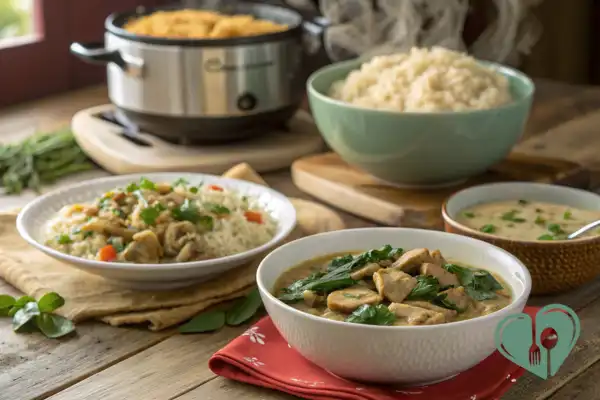
Why Ingredient Substitution Is Essential for Diabetic Meal Control
If you’ve ever looked at a slow cooker recipe and thought, “This looks healthy enough,” only to check your meter later and realize otherwise – you get it. Crockpots are amazing, but they have a sneaky side. Somewhere between the broth, the starch, and the “just to thicken it a bit” flour, a simple stew can turn into a carb storm. Potatoes, beans, rice, pasta – they’re the comfort pillars we rarely question.
The problem isn’t that these foods are “bad.” It’s that, for someone keeping blood sugar steady, they act like little accelerators. They give your body quick energy when what you really need is a slow, steady burn. You can feel that difference – the post-meal dip, the mid-afternoon fog – those are signals your body’s trying to tell you, “Hey, maybe that ratio was off.”
When Carbs and Protein Start Talking to Each Other
Once you begin to swap ingredients, you start noticing a pattern. Pull a cup of rice out, add a cup of cauliflower in – suddenly the dish feels lighter, but you’re full longer. That’s the subtle alchemy of balance. Protein steps in where starch used to dominate, slowing digestion, stretching energy release, and making every bite work a little harder for you.
It’s not just science, though – it’s sensory. A chili thickened with diced mushrooms instead of beans still tastes hearty. A creamy sauce built on Greek yogurt instead of roux still coats the spoon. You’re not losing flavor; you’re redistributing power.
Redefining What “Comfort” Means
There’s a quiet mental shift that happens when you start cooking this way. At first, it feels like giving something up – like a potato-shaped hole in your stew. But somewhere along the way, comfort stops being about the starch and starts being about how you feel afterward: grounded, awake not fighting a sugar slump. That’s a better kind of cozy.
FAQ – Do I Need to Cut Out All Carbs to See Results?
No, and honestly, you shouldn’t. Your body still needs carbs – just slower, smarter ones. The trick is pairing them with enough protein and fiber that your blood sugar stays calm. A scoop of quinoa here, a handful of lentils there – it’s about intention, not elimination. The crockpot can still be your ally; you’re just learning to fill it differently.
Swap 1: Grains → Low-Carb Veggie Alternatives
There’s a certain comfort in scooping into a crockpot meal and finding that familiar base of rice or noodles underneath – it feels grounding, like the food equivalent of a warm blanket. But if you’re keeping an eye on carbs that comfort can turn into a quiet betrayal. Those grains – rice, barley, pasta – they’re sneaky. One serving feels innocent, but a few hours later your blood sugar tells a different story.
It took me a while to realize that it wasn’t the flavor of those meals I missed when I cut carbs – it was the feel. The texture the heft, the way rice soaks up sauce and pulls everything together. Once I understood that, finding replacements stopped feeling like a chore and started feeling like creativity.
Cauliflower Rice: The Slow Cooker’s Unsung Hero
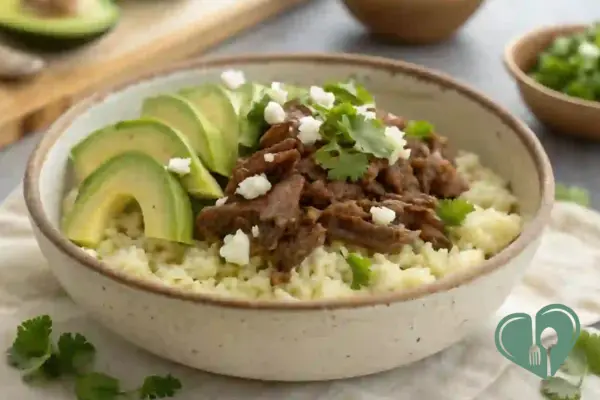
Cauliflower rice might sound like a compromise until you actually try it in a slow cooker. Add it near the end of cooking, and it quietly takes on the flavors around it – rich broth, smoky beef, garlicky sauce – without falling apart. It’s flexible, forgiving, and surprisingly satisfying.
The first time I made a Slow Cooker Beef & Cauliflower Rice Bowl, I braced myself for disappointment. Instead, I got that same cozy, saucy spoonful I’d been missing – only this time, I didn’t feel the heavy crash afterward. It’s still one of those dishes that surprises people who think low-carb food has to taste “light.” It doesn’t. It just feels better.
And if you want a bit more structure or crunch, shredded cabbage is an amazing stand-in for grains too. It softens beautifully but still holds a little bite, making it perfect under anything saucy – pulled chicken, Thai curry, you name it.
When Pasta Isn’t the Star Anymore
Here’s the thing – once you stop trying to replace pasta exactly, you open yourself up to flavor again. Spiralized zucchini brings this gentle sweetness that balances acidic sauces. Shirataki noodles with their springy bite, practically disappear into the dish while giving it that pasta-like chew. They don’t compete; they just carry the flavor forward.
And maybe that’s the lesson: comfort doesn’t come from carbs. It comes from the satisfaction of a meal that still hugs you – just without the sugar spikes afterward.
FAQ: Will Veggie Alternatives Keep Me Full?
Yes – and sometimes even more so. Veggies like cauliflower, cabbage, and zucchini are packed with fiber and water, which means they digest slowly and keep you full longer. You might feel lighter, but not less satisfied – a balance that makes it easier to stick with.
Swap 2: Creamy Sauces → Protein-Boosted Versions
Here’s the thing about creamy sauces – they’re comfort food in its purest form. You don’t even have to taste them to feel soothed; one whiff from the slow cooker and your shoulders drop an inch. But for anyone managing blood sugar, that creamy luxury often comes with a catch. Roux condensed soups, heavy cream – they sneak in carbs and fat that can throw everything off balance.
Still, giving up creamy dishes altogether never felt right to me. They’re part of what makes home cooking feel… well, homey. So instead of cutting them out, I started rebuilding them – one ingredient at a time. And honestly? The swaps didn’t just work; they made the sauces better.
The Protein Twist: Creaminess Without the Crash
Greek yogurt and cottage cheese have become my quiet kitchen heroes. They bring all that body and tang without the carb load. When you blend them smooth – maybe with a splash of broth or almond milk – they transform into something that feels indulgent but fuels you better. The trick is timing: add Greek yogurt at the end (heat ruins its texture) and let cottage cheese simmer in slow and low.
What you get isn’t just a lighter version – it’s more alive. The flavor is fresher, the texture silkier, and the after-meal heaviness? Gone.
The Secret Players: Tofu and Egg Yolks
Soft tofu doesn’t exactly sound romantic, but pureed into sauces, it becomes something you’d never expect – smooth, rich, and completely neutral in flavor. It’s the quiet base that lets your other ingredients shine. And if you want that deep, old-school richness, add an egg yolk right before serving. It thickens the sauce without flour, bringing that velvety finish that used to rely on butter and cream.
That’s how the Mushroom & Chicken Stroganoff (Low-Carb Version) came to life in my kitchen. I’d been craving the classic – that deep, savory flavor and creamy texture – but dreaded the glucose rollercoaster. So I swapped the roux for blended Greek yogurt and a bit of tofu, added mushrooms for body, and waited. The result? Comfort food that didn’t weigh me down. It was rich, warm, and balanced – like the old favorite had quietly evolved.
FAQ: Will These Swaps Really Taste the Same?
Not exactly. They taste better. Greek yogurt brings a subtle brightness, tofu adds smooth depth, and egg yolks lend that luxurious texture you crave. You’ll still get that comforting creaminess, but now it comes with steady energy instead of the crash.
Swap 3: Beans & Starches → Fiber-Rich Low-Glycemic Veggies
There’s this quiet nostalgia that lives inside slow-cooked meals. Maybe it’s the smell of potatoes breaking down in broth, or the way beans make a stew feel like a real meal. It’s the kind of food that tastes like home – hearty grounding familiar. But when you’re watching carbs, those same ingredients start to feel a little like landmines. They seem harmless until a few hours later when your blood sugar tells a different story.
I resisted changing it for a long time. I thought, without beans or potatoes, it won’t feel right. But what I learned – slowly, through trial and error – is that comfort doesn’t only live in starch. It lives in warmth, in texture, in the way a dish makes you feel when you’re done eating. And that? You can rebuild.
Mushrooms, Eggplant, Zucchini – The Texture Trio
Mushrooms were my gateway. Diced small and left to simmer, they pick up every note of the broth – a little smoky, a little earthy – and give you that same “bite” beans once offered. Eggplant surprised me next. When cooked low and slow, it turns velvety almost creamy, lending body to sauces without a drop of flour. Zucchini, on the other hand just melts. It softens enough to thicken soups slightly while keeping the whole dish light and clean.
Together, they turn what used to be a bean-based meal into something deeper, fresher – comfort food that doesn’t drag you down.
When Greens Take Center Stage
Spinach and kale used to be side characters in my kitchen – a garnish, a last-minute “I should add something green.” Now they’re front-row. When you stir them into the crockpot at the end, they collapse into the sauce, adding texture, fiber, and that subtle minerality that keeps rich foods from feeling heavy.
That’s how the Creamy Spinach Chicken Soup (Low Carb, Low Sodium) happened one weekend. I’d planned to make my usual chicken-and-bean soup but realized I was out of beans. Out of habit, I grabbed mushrooms instead, tossed in chopped spinach and let it ride. What came out wasn’t what I expected – it was better. Creamy but balanced, hearty without the crash. It’s become one of those dishes I keep coming back to – not just because it’s “healthier,” but because it tastes like comfort done right.
FAQ: Can Veggies Truly Replace Beans and Potatoes?
Not perfectly – but that’s kind of the point. You’re not copying the old thing you’re creating something new that feels just as satisfying. Mushrooms give chew, eggplant brings depth spinach rounds it out with silkiness. Together, they give your slow-cooked meals the heart you thought you’d lose.
Swap 4: Sugar-Based Sauces → Low-Carb Flavor Enhancers
I used to love the way sugar made food feel finished. The gloss on a BBQ sauce, that sticky edge around slow-cooked chicken – it made dinner taste like a reward. And for years, I didn’t question it. It was homemade, after all. “Real food.” But somewhere along the way, I started connecting the dots – that warm, comforting sweetness also came with the afternoon crash, the fog, the slow climb on the glucose meter.
Still, I wasn’t ready to let it go. Cutting out sugar felt like cutting out joy. So I started playing – not trying to “replicate” the flavor, just trying to build something that felt complete again. A little vinegar, tomato paste, smoked paprika… not measured, just guessed. And the first time it worked it caught me off guard. It wasn’t sweet the way I expected but it was alive. Tangy, rich, balanced. It made me realize I’d been mistaking sugar for depth all along.
When Sweetness Stops Being the Goal
Coconut aminos became my quiet ally after that – a kind of soft sweetness without the crash. It doesn’t taste like sugar; it tastes round, like something that’s been cooked down for hours. Pair it with tamari for salt, lime for sharpness and suddenly you’ve got a sauce that feels full without tipping over into sweet.
That’s what happened with my Thai Coconut Chicken Curry. I was trying to remake a dish I loved – the kind that used to come out of a jar. I remember mixing coconut milk, a bit of tomato paste, red curry, a squeeze of lime, and thinking, “this probably won’t work.” But then the house filled with this warm, citrusy smell and I knew. The sweetness wasn’t gone; it had just found a quieter way to exist.
FAQ – Can You Really Get That “Sweet Sauce” Satisfaction Without Sugar?
You can – but not by chasing it. The trick is to build contrast: sour next to savory, creamy next to sharp. Sugar used to flatten those flavors into something simple; removing it lets them breathe. Once you taste that kind of balance, the bottled stuff starts to feel one-dimensional.
Swap 5: High-Fat Meats → Leaner Cuts + Protein Powders
I used to think fat meant flavor – that if you took it out, you took the soul out of the dish. Every slow cooker recipe seemed to agree: “use pork shoulder,” “add chuck roast,” “don’t skimp on the marbling.” And honestly, it made sense. Those cuts are forgiving. You can forget them for hours and still end up with something that falls apart on a fork.
But when you start paying attention – to energy levels, digestion, blood sugar – that kind of richness starts feeling different. Heavy. Comforting in the moment, but sluggish afterward. I didn’t quit cold turkey (no pun intended), but I began to experiment – one swap at a time.
The Shift to Leaner Cuts
Chicken thighs were the first win. They’re humble, a little less fussy than breasts, but still tender when cooked low and slow. Turkey came next. Ground or whole, it just… absorbed whatever flavor I threw at it. There’s a kind of honesty to leaner meat – it doesn’t hide behind fat. It asks for seasoning, for patience, for a bit of attention.
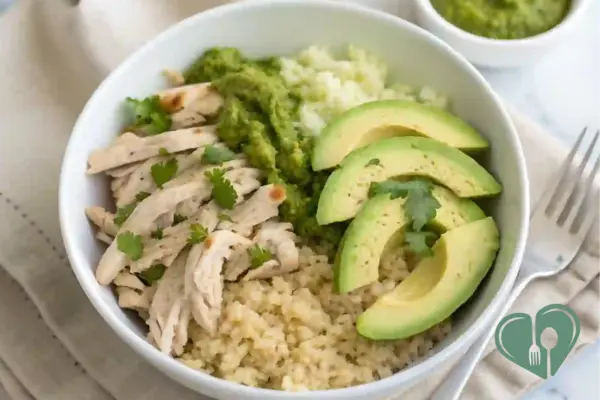
That’s what I learned the night I made Salsa Verde Chicken with thighs instead of pork. I expected bland. What I got was brightness – lime, cilantro, the tang of tomatillo all standing front and center. It wasn’t heavy. It was alive.
A Quiet Trick Most People Miss
Here’s something I stumbled onto by accident: a scoop of unflavored protein powder – whey isolate or collagen – whisked into a sauce or broth. It doesn’t taste like anything. But it thickens. Adds body. Balances the macros in a way that keeps you full longer without changing a single flavor note.
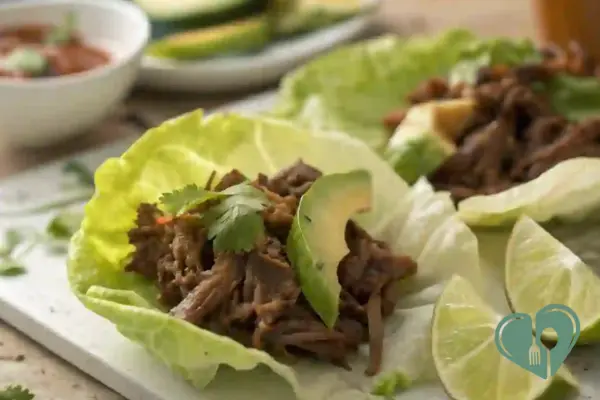
I started doing that in soups, then stews, and eventually in things like my Beef Wraps – lean ground beef, a handful of spices, and a bit of collagen mixed in while it simmered. It gave the meat that velvety texture fat used to. Nobody noticed the difference, and honestly, I didn’t tell them.
When Flavor Finds a New Home
That’s the secret no one tells you – you don’t lose flavor when you lose fat. You just have to find it somewhere else. In roasted spices. In slow onions. In a sauce that takes its time. Lean cooking isn’t about cutting back; it’s about listening closer to what’s already there.
FAQ: Can Lean Meats Really Stay Tender in a Slow Cooker?
Yes – but only if you respect the low in “low and slow.” Add liquid early, don’t rush the heat, and let the sauce do the work. Lean meats don’t need rescuing; they just need patience.
Bonus: Vegetarian & Budget Swaps
There was a stretch of time when I thought eating healthy meant eating expensive. Lean meats, protein powders, fresh produce – it adds up fast. And when you’re trying to manage blood sugar and stay on a budget, something has to give. I remember one week in particular – staring at the grocery total and thinking, I can’t keep doing this.
But I did. Just not the same way. What changed everything wasn’t more money – it was how I started to see ingredients. Not as “good” or “bad,” but as flexible. Swappable. Sometimes even better in disguise.
Finding Balance in Simplicity
Tofu became my quiet hero. It’s cheap clean and soaks up flavor like it’s got something to prove. Pair it with eggs or a little broth and you’ve got a meal that feels comforting not frugal. The first time I combined them in the slow cooker, I wasn’t expecting much. I tossed in curry paste, coconut milk, and a handful of spinach that was it. But when I opened the lid hours later the smell hit me first warm nutty slightly sweet. That Tofu Curry didn’t just fill me up it reminded me that creativity can taste better than convenience.

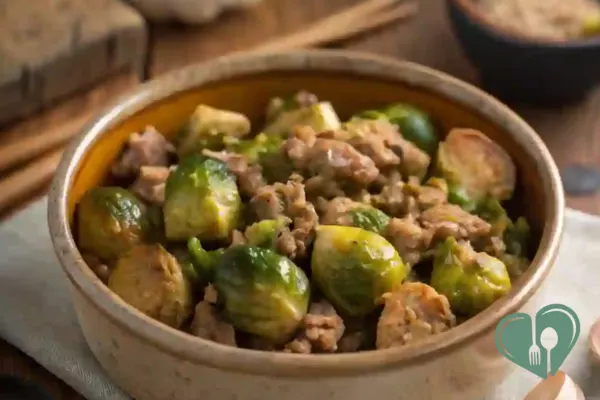
And turkey – the kind you buy frozen in bulk – became another quiet solution. I’d brown it, mix it with Brussels sprouts, a splash of olive oil and whatever herbs were lying around. It turned into this humble little meal, Turkey & Brussels Sprouts that somehow tasted like effort, even when there wasn’t much of it.
When “Enough” Is Actually Enough
I think the hardest part of cooking on a budget – or eating to manage something like diabetes – is the guilt. You start feeling like you’re never doing it right. Too many shortcuts, not enough fresh produce, too little variety. But here’s what I learned the hard way: food doesn’t have to be perfect to do its job.
Some nights, balance looks like tofu instead of steak. Other nights, it’s just skipping the rice and adding a handful of spinach. The point isn’t to chase some ideal meal plan – it’s to eat in a way that supports you today.
FAQ: Are Vegetarian or Budget Meals Really Filling Enough?
They can be – if you build them with intention. Pair tofu or eggs with something hearty like cauliflower rice or coconut milk. Add fat where you need it – olive oil, avocado, even a sprinkle of cheese. Fullness isn’t about calories; it’s about balance and care.
20 Easy Ingredient Swaps for Crockpot Success
After trying (and sometimes failing) my way through countless low-carb slow cooker experiments, I started keeping a notebook – just a messy list of what worked, what didn’t, and what I’d try differently next time. Over time, that list turned into something I wish I’d had from the start: a quick guide for swapping ingredients without losing flavor, texture, or joy.
Here’s the version I keep taped to my fridge – the one I actually use when I’m standing over the slow cooker wondering, “Okay, what can I use instead?”
Slow Cooker Ingredient Swap Guide
| Instead of This… | Try This Instead | Why It Works |
|---|---|---|
| White rice | Cauliflower rice or shredded cabbage | Adds bulk without the carbs; soaks up flavor beautifully |
| Pasta | Spiralized zucchini or shirataki noodles | Keeps the texture light; low-glycemic and fiber-rich |
| Heavy cream or roux | Blended Greek yogurt or cottage cheese | Creamy, tangy, and protein-packed |
| Cream of mushroom/chicken soup | Silken tofu or mashed cauliflower + broth | Rich texture, zero refined carbs |
| Beans (in soups/stews) | Diced mushrooms or eggplant | Mimics texture; adds umami without starch |
| Potatoes | Turnips or chopped zucchini | Tender texture with fewer carbs |
| BBQ or teriyaki sauce | Tomato paste + vinegar + stevia | Tangy-sweet without the sugar spike |
| Soy sauce | Coconut aminos or low-sodium tamari | Less sodium, natural sweetness |
| Pork shoulder or chuck roast | Chicken thighs or turkey breast | Lower fat, same tenderness when slow-cooked |
| Ground beef (80/20) | Lean ground beef + collagen powder | Keeps protein high, fat low, texture rich |
| All-purpose flour (for thickening) | Xanthan gum or protein powder | Adds body without carbs |
| Cornstarch | Chia seeds or flaxseed meal | Thickens naturally and adds fiber |
| Cream cheese | Whipped cottage cheese or blended tofu | Smooth, light, and full of protein |
| Rice noodles | Cabbage ribbons | Low-carb, holds sauce beautifully |
| Lentils | Chopped mushrooms + greens | Adds earthiness without the carb load |
| Sugar or honey | Stevia, monk fruit, or erythritol | Keeps sweetness without insulin spikes |
| Full-fat sausage | Lean turkey sausage | Flavorful but heart-friendly |
| White bread crumbs | Almond flour or crushed pork rinds | Crispy texture, gluten-free |
| Cheese-heavy toppings | Nutritional yeast or light parmesan | Umami boost with fewer calories |
| Sour cream | Plain Greek yogurt | Tangy, creamy, high in protein |
A Small Note from My Kitchen
You don’t have to make every swap at once. Start with one. Maybe rice today, cream tomorrow. The goal isn’t perfection – it’s progress you can taste.
Some of these swaps will surprise you. Some might flop (that’s normal). But each one moves you closer to meals that make you feel both comforted and in control. That’s what cooking low-carb – or honestly, cooking with intention – is really about.
Conclusion: Smart Ingredient Swaps for Lower-Carb Crockpot Cooking
Cooking low-carb in a slow cooker isn’t about reinventing yourself – it’s about remembering what you actually want from your food. Warmth. Comfort. Something that feels like care, even when the day’s been long.
The truth is, these swaps aren’t rules. They’re little acts of adjustment – the kind you make when you realize food can love you back without hurting you later. Cauliflower instead of rice, yogurt instead of cream, mushrooms instead of beans – they’re small choices that add up quietly, one meal at a time.
Over the years, I’ve learned that “healthy cooking” doesn’t have to mean giving things up. It can mean reclaiming them in a way that feels like you again lighter, steadier more in control. When you taste a dish like Creamy Spinach Chicken Soup (Low Carb, Low Sodium) or Mushroom & Chicken Stroganoff (Low-Carb Version), you realize the comfort is still there. It’s just been rebuilt on a better foundation.
And maybe that’s the bigger takeaway. Smart ingredient swaps for lower-carb crockpot cooking aren’t about the carbs – they’re about intention. The choice to care for yourself a little more deeply. To cook with awareness, not restriction. To find a version of comfort that doesn’t ask you to compromise who you are or how you feel afterward.
So take these swaps make them your own, and let your slow cooker do what it’s always done best – create warmth, one slow, patient meal at a time.

Dreena shares balanced, diabetes-friendly recipes made for real life—simple, nourishing, and full of flavor. Her kitchen is where health meets heart.