
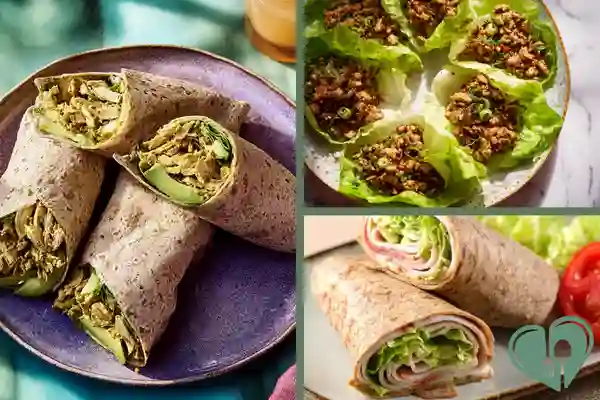
If you’ve been looking up chicken and turkey wraps for diabetics, you’ve probably hit the same wall most people do.
Everything sounds… healthy. On paper.
But then you try it. And something feels off.
Either it’s bland. Or confusing. Or worse, it seems like a good choice but your blood sugar says otherwise. That part? Yeah, that’s frustrating.
Wraps are especially tricky. They look simple. Almost too simple. Just throw some chicken or turkey into a wrap and call it a day.
But it doesn’t really work like that.
Because the wrap itself can be the problem. Or the sauce. Or the combination. It’s rarely just one thing. It’s a bunch of small choices stacking up quietly.
And no one really points that out clearly.
You might pick grilled chicken, thinking you’re doing everything right. Then add a soft tortilla, maybe something creamy or slightly sweet. Nothing extreme. Just normal choices. Still… your energy dips later. Or you feel weirdly hungry again.
That disconnect messes with your confidence a bit. Makes you question everything.
So let’s slow this down.
This guide isn’t just about throwing ingredients together. it’s about understanding why some wrap combinations actually work better for blood sugar, while others don’t. The same goes for turkey wraps for type 2 diabetes. Some combinations keep things stable. Others don’t, even if they look healthy.
And honestly, once you see the pattern, it gets easier. Not perfect. Just easier.
You stop guessing.
You start building meals that feel good and behave better in your body.
Quick Answer: Are chicken and turkey wraps good for diabetics?
Short answer. Yes… but only if you build them right.
Chicken and turkey are lean proteins. That’s a solid start. Add fiber, control the carbs, skip the hidden sugars, and suddenly a wrap becomes a really balanced meal. Something that keeps you full without the crash.
So no, wraps aren’t the issue.
It’s the way they’re put together.
And once you fix that part, everything changes.
Why Chicken and Turkey Wraps Work for Diabetics
Chicken and turkey make sense here for a pretty simple reason. They give you protein without bringing a lot of extra carbs with them.
That matters more than people think.
When a wrap has enough protein in it, it usually feels steadier. You are not dealing with the same quick rise and crash you can get from a lunch that leans too hard on refined carbs. It is not magic. It is just a better starting point.
But that does not mean any wrap with chicken or turkey is automatically a good choice.
The wrap still depends on the full build. The tortilla matters. The sauce matters. The extras matter. That is usually where things get off track.
Lean Protein and Blood Sugar Stability
Chicken and turkey are often the part of the wrap doing the most good.
They help slow things down a bit. The meal feels more even. More stable. And if you have ever had a lunch that looked healthy but left you tired an hour later, you already know why that matters.
That is one reason high-protein lunches tend to work well for people trying to keep blood sugar on a more even track.
Portion Control and That “I’m Actually Full” Feeling
This part gets overlooked a lot.
A good wrap should feel filling, not just look filling. Chicken and turkey help with that. They make the meal more satisfying without making it feel too heavy.
And when you actually feel full, you are less likely to start picking at snacks not long after. That alone can make a big difference.
Protein to Carb Balance (This Is Where It Clicks)
Usually, the wrap works or fails because of balance.
Not because of one ingredient. Because of the whole mix.
A wrap tends to work better when the chicken or turkey is paired with vegetables, a better wrap base, and a little healthy fat like avocado or olive oil. That combination usually feels more complete and gives the meal a steadier rhythm.
You are not just eating less. You are building it better.
The Hidden Mistake Most People Make
Most of the time, the chicken is not the problem.
It is the little things around it.
A sweet sauce. A tortilla that sounds healthier than it really is. Extra add-ons that do not look like much on their own, but together change the whole meal.
That is why some wraps seem like a smart choice at first, then do not feel that great after. The issue is usually not the protein. It is the balance around it.
Best Wrap Bases for Chicken & Turkey Recipes
Alright, this is where things can quietly go wrong.
Not the chicken. Not the turkey. The wrap itself.
You can build a really solid, high-protein filling… and then wrap it in something that spikes your blood sugar faster than you expected. It happens a lot. Probably more than people realize.
So yeah, if you’re working on better chicken and turkey wraps for diabetics, the base matters just as much as what’s inside.
Maybe even more.
Whole Wheat Tortillas
These are usually the first “healthy swap” people make.
And to be fair, they’re better than white tortillas. More fiber. Slower digestion. Slightly more stable.
But… not all whole wheat tortillas are equal.
Some are still highly processed. Some barely have enough fiber to make a real difference. So you can’t just trust the label and move on.
If you go this route, look for:
- Higher fiber (at least 3 to 5 grams per wrap)
- Short ingredient list
- No added sugars hiding in there
They can work. Just don’t assume they’re automatically safe.
Low-Carb Tortillas
Now these are interesting.
Low-carb tortillas are designed to reduce net carbs, often by adding fiber or using alternative flours. And in many cases, they actually do a better job at keeping blood sugar stable.
But… small pause here.
Some people tolerate them really well. Others notice weird digestion issues or just don’t love the taste.
So it’s a bit personal.
If they work for you, they’re one of the easiest upgrades you can make if you want a wrap with less impact on blood sugar. Same convenience, less impact on blood sugar.
Lettuce and Cabbage Wraps
This is where things get lighter. Literally.
Lettuce wraps, cabbage leaves… they remove most of the carbs completely. So blood sugar impact drops a lot.
But let’s be honest.
They’re not the same experience.
They’re fresher. Crunchier. A bit messier. Sometimes less satisfying if you’re craving something “bread-like.”
Still, for quick lunches or lighter meals, they work really well. Especially when you load them with protein and a good sauce that isn’t sugary.
Collard Greens
This one surprises people.
Collard greens are sturdy. Like, actually strong enough to hold a full wrap without falling apart. And they bring fiber, nutrients, and basically zero refined carbs.
The only catch?
They need a bit of prep. Usually a quick blanch to soften them.
But once you get used to it… they’re kind of underrated. Especially if you’re trying to keep your high-protein diabetic lunches as clean and stable as possible.
Which Wrap Base Is Best for Blood Sugar Control?
If we’re being real about it…
- Lowest impact: lettuce, cabbage, collard greens
- Balanced option: low-carb tortillas
- Okay option: whole wheat tortillas (if chosen carefully)
There’s no single “perfect” choice. It depends on what you actually enjoy eating. Because if you don’t enjoy it, you won’t stick with it. Simple as that.
Quick Question: Should diabetics avoid tortillas completely?
Not necessarily.
Diabetics don’t have to avoid tortillas completely. The key is choosing options with more fiber and fewer refined carbs, and pairing them with protein and healthy fats to slow digestion.
So yeah, tortillas aren’t banned.
They just need a bit more attention.
And now that you know what to wrap things in… the fun part starts. The actual recipes.
9 Diabetic-Friendly Poultry Wrap Recipes
Okay, here’s the part that actually matters.
Not the theory. Not the “choose lean protein” advice you’ve already seen ten times. The real part. The food part.
Because once you understand the basics, the next problem shows up fast. You still need lunches that taste good. Lunches you’d make again without forcing yourself. That’s where a lot of so-called healthy recipes fall apart. They look fine. They sound fine. Then you eat them once and never come back to them.
So let’s fix that.
These chicken and turkey wraps for diabetics are built to feel normal. Good normal. Crunchy, creamy, savory, fresh, filling. Some are lighter. Some are more comforting. A few are better for days when you want something cold and crisp. A few feel more like actual “meal” meals. Which, honestly, matters.
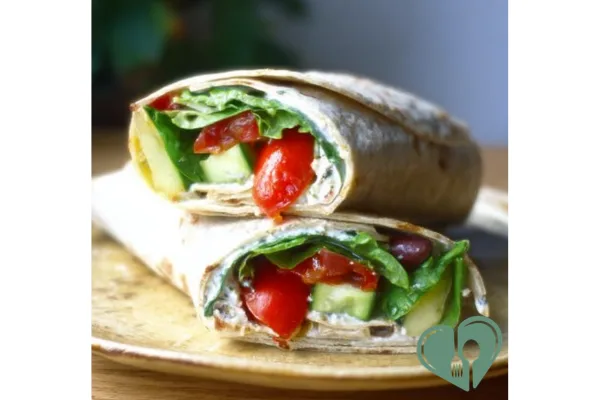
Greek Salad Wrap
This one has some life to it. Grilled chicken, cucumber, tomato, red onion, feta, maybe a spoon of plain Greek yogurt or tzatziki. It tastes sharp and fresh, not flat.
It works well because there’s a lot going on without adding junk. Protein from the chicken, fiber from the vegetables, and enough flavor that you do not need some sweet bottled sauce to make it interesting.
See the full Greek Salad Wrap recipe
Chicken Lettuce Wraps with Peanut Sauce
These are cold, crisp, and a little messy. In a good way. The kind of lunch that feels lighter, but still holds up.
The lettuce keeps the carbs low. The chicken gives it structure. Then the peanut sauce pulls everything together, as long as you keep it savory and skip the sugary version. This is one of those diabetic chicken wrap recipes that does not feel like a compromise.
See the full Chicken Lettuce Wraps with Peanut Sauce recipe
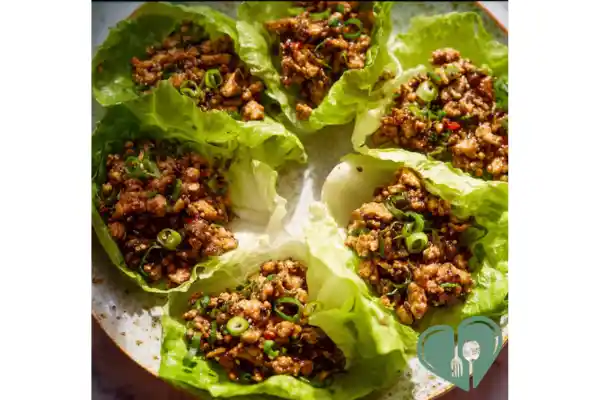
Peanut-Chicken Cabbage Wraps
This one has more crunch. More bite. More staying power.
Cabbage is better than lettuce when you want something sturdier, and it holds up better if you’re making lunch ahead of time. Add shredded chicken, crunchy vegetables, and a simple peanut dressing, and it turns into one of those high-protein diabetic lunches that actually keeps you full.
See the full Peanut-Chicken Cabbage Wraps recipe

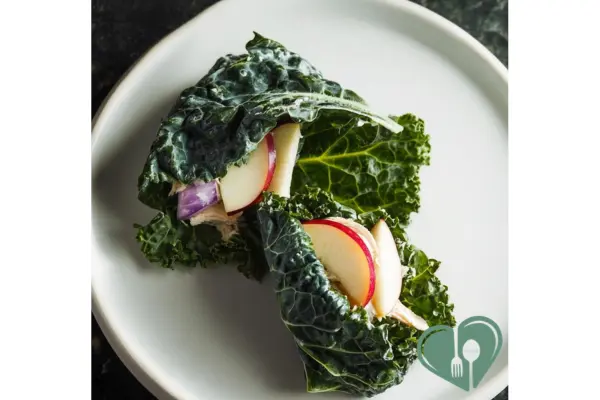
Chicken & Apple Kale Wraps
This one sounds slightly suspicious at first. Apple in a diabetic wrap? Fair question.
But a small amount of apple with kale and chicken works really well. You get sweetness, chew, and protein all in the same bite. The trick is not overdoing the fruit. Just enough for contrast. Not enough to turn the whole thing into a sugar-heavy lunch.
See the full Chicken & Apple Kale Wraps recipe
Turkey Avocado Wrap
This is probably the easiest one here. And maybe the most repeatable.
Turkey and avocado just make sense together. Add greens, tomato, mustard if you like it, and you’re done. It’s simple, but not sad. That matters. A lot of turkey wraps for type 2 diabetes fail because they feel too plain, too dry, too careful. This one doesn’t.
See the full Turkey Avocado Wrap recipe
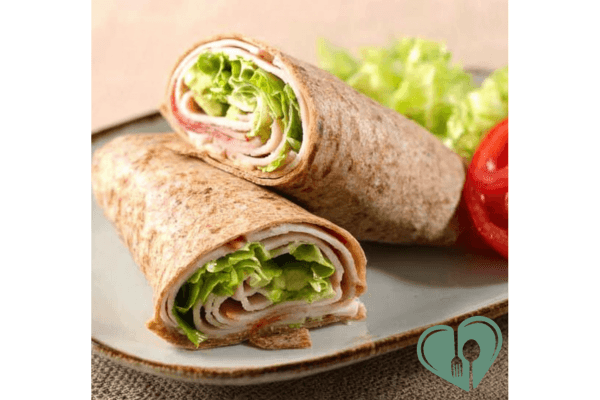
Turkey & Cheddar Lettuce Wraps
This one is more salty, more snacky, more direct. No pretending to be fancy.
You wrap sliced turkey and a little cheddar in lettuce, maybe add mustard or pickles, and that’s pretty much it. It’s low in carbs, high in protein, and weirdly satisfying for something so basic. Sometimes basic wins.
See the full Turkey & Cheddar Lettuce Wraps recipe
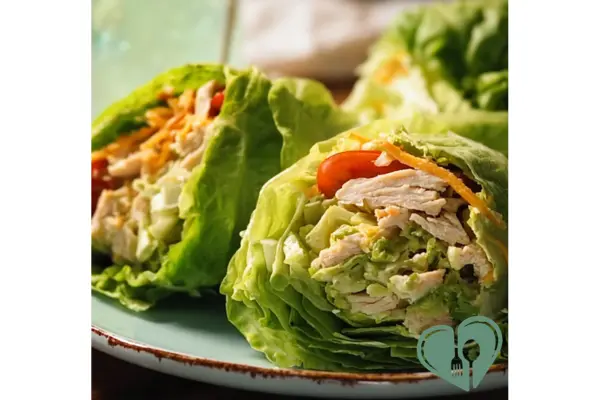
Kale Turkey Wraps
Kale gives this one a little resistance. More chew. More texture. Some people love that. Some need a minute. Still, it makes the wrap feel more substantial.
Turkey, kale, cucumber, maybe hummus or avocado, maybe shredded carrot. Nothing complicated. Just layered enough to keep it from feeling flat. It’s one of those lunches that gets better once you stop expecting it to taste like deli food.
See the full Kale Turkey Wraps recipe
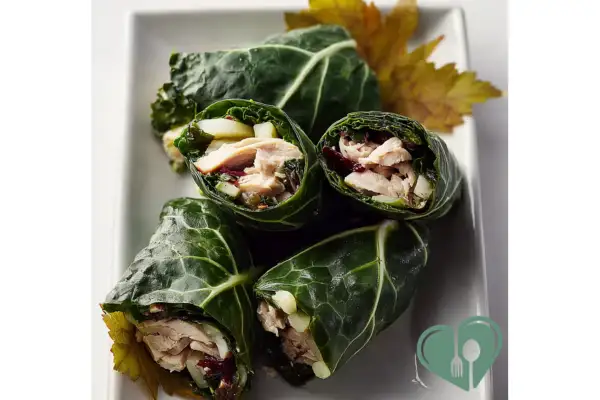
Turmeric Chicken & Avocado Wraps
This one is warmer in flavor. Not spicy, just warmer. Turmeric gives it that earthy edge, and avocado smooths it out.
It’s a good option when your usual wraps start feeling repetitive, which happens fast, honestly. Chicken can get boring if you keep making it the same way. This changes the mood without making the recipe annoying.
See the full Turmeric Chicken & Avocado Wraps recipe
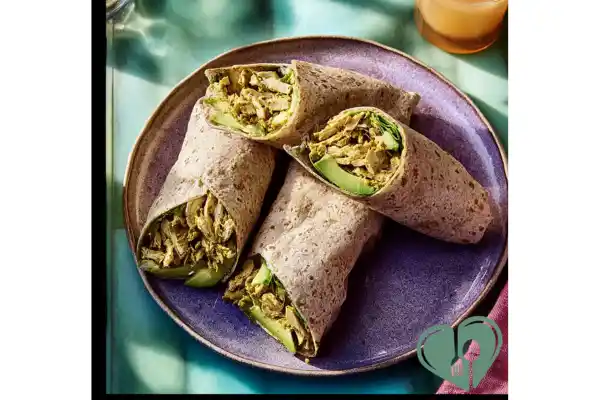
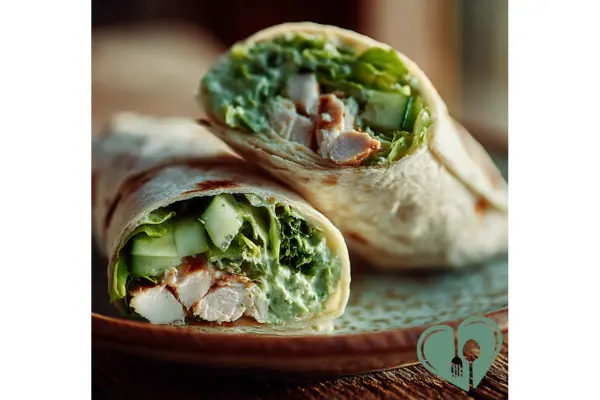
Cucumber-Chicken Green Goddess Wrap
This one feels cool and creamy from the first bite. Chicken and cucumber already work. Add a green goddess style dressing made with yogurt or avocado, and suddenly it tastes like you put in more effort than you actually did.
It works especially well in a low-carb tortilla or collard leaf. Fresh, filling, and easy to keep in rotation. That last part matters more than people think.
See the full Cucumber-Chicken Green Goddess Wrap recipe
Which wrap is the best one?
Honestly, the best one is usually the one you’ll still want next week.
Still, if you want a safe place to start, the lettuce, cabbage, and collard-based wraps are usually lower in carbs. The turkey avocado wrap, Greek salad wrap, and peanut-chicken cabbage wrap are probably the most balanced overall. Protein, fiber, decent texture, no unnecessary sugar. That’s usually the sweet spot.
So yeah. You’ve got options now.
Not fake healthy options. Actual lunch options.
How to Lower Carbs in Poultry Wraps
This is usually where things drift.
Not with the chicken. Not with the turkey. With the extras. The little things. The stuff people barely count because it seems harmless. A drizzle here. A bigger tortilla there. One “healthy” sauce that turns out to be mostly sugar.
That’s how a decent wrap becomes a blood sugar problem.
The good news is, you usually do not need to change the whole meal. Just a few parts of it. Small fixes, really. The kind that make a wrap feel almost the same, but work much better in your body.
Remove Sugary Sauces
This one matters more than most people think.
A lot of wraps go wrong because of the sauce, not the filling. Sweet chili sauce, honey mustard, bottled teriyaki, some “light” dressings too. They seem minor. They are not.
A sauce can add fast carbs without making the wrap more filling. So you end up with a meal that tastes good for five minutes, then leaves you dealing with the after-effect later.
A better move is keeping the flavor, just changing where it comes from.
Try:
- Greek yogurt based dressings
- Mustard
- Hummus
- Avocado
- Olive oil with lemon
- Peanut sauce without added sugar
That way, you still get richness and flavor, just without the sugar hit hiding in the background.
Add Fiber-Rich Vegetables
This is the part that people skip when they are in a rush. Which is understandable. But it makes a difference.
Fiber helps slow digestion. That means carbs hit more gradually, not all at once. Research on soluble fiber and glycemic response helps explain why that matters. And when you are building chicken and turkey wraps for diabetics, that slower pace is kind of the whole point.
You do not need anything fancy here.
Cucumber works. Cabbage works. Kale, lettuce, spinach, shredded carrots, bell peppers. Just enough to add crunch, bulk, and a little resistance. A wrap with fiber feels more balanced. More complete. Less likely to leave you hungry again too soon. If you want more lunch ideas built around fiber, take a look at Diabetes-Friendly Sandwiches and Wraps High in Fiber.
And honestly, it tastes better too. A wrap that is all protein and tortilla gets boring fast.
Swap the Tortilla for Leafy Greens
This is the easiest way to cut carbs fast.
Use lettuce leaves, cabbage, or collard greens instead of a regular tortilla, and the carb count drops right away. No math needed. No guessing.
Now, does it feel exactly the same? No. Obviously not.
A lettuce wrap is lighter. A collard wrap is sturdier. Cabbage has more crunch. So it depends what you want. Some people miss the soft tortilla. Some do not care at all once the filling is good enough.
That part is personal.
But if you are trying to make your wraps lower in carbs without making them feel boring, leafy wraps are one of the better swaps.
What spikes blood sugar the fastest in a wrap?
Usually, it is the combination of refined tortillas and sugary sauces.
A white tortilla on its own can raise blood sugar fairly quickly. Add a sweet dressing or sauce, and the effect gets stronger. That is why the best turkey wraps for type 2 diabetes usually keep carbs controlled at the base and avoid sugar-heavy toppings.
So no, lowering carbs in a wrap does not have to mean stripping all the good parts out of it.
It mostly means paying attention to the parts people usually ignore.
And once you do that, the whole meal starts working better. Same idea. Better result.
Meal Prep Tips for High-Protein Diabetic Wraps
Meal prep sounds great until you actually do it.
Then you open the fridge two days later and the wrap is soggy, the lettuce is limp, and somehow everything tastes like cold sadness. So yeah, prepping chicken and turkey wraps for diabetics is smart, but only if you do it in a way that still makes lunch worth eating.
The first thing that helps is separating the parts.
Do not fully assemble every wrap days in advance unless you know the ingredients can handle it. Most cannot. Especially anything with cucumber, tomato, lettuce, or dressing. They release water, and then the whole thing goes downhill fast. A better move is prepping the filling, the chopped vegetables, and the wrap base separately, then putting things together right before eating.
That sounds slightly more annoying, I know. But it saves the texture. And texture matters more than people admit.
Prep the Protein First
Start with the part that makes the meal actually filling.
Cook a batch of chicken breast, chicken thighs, or turkey ahead of time, then portion it into containers for the next few days. Keep the seasoning simple if you want flexibility. Salt, pepper, garlic, paprika. Something neutral enough that it can work in more than one wrap.
This makes high-protein diabetic lunches a lot easier during the week because the hardest part is already done. Once the protein is ready, lunch becomes assembly, not cooking.
A few prep ideas:
- Slice cooked chicken thin for lettuce or cabbage wraps
- Shred chicken for peanut or Greek-style wraps
- Portion deli turkey or cooked turkey breast for faster grab-and-go meals
- Store proteins in separate containers so they do not soak the vegetables
That last one matters. Warm protein plus raw vegetables in one container can get weird fast.
Keep Wet Ingredients Away Until the End
This is probably the most useful tip in the whole section.
Keep sauces separate.
Keep juicy vegetables separate too, if possible. Tomatoes, cucumbers, dressings, even avocado if you are prepping more than a day ahead. These are the ingredients that make wraps taste fresh, but they are also the ones that ruin them first.
For diabetic chicken wrap recipes, the easiest system is this:
- Container one, cooked protein
- Container two, chopped vegetables
- Small cup, sauce or dressing
- Wrap base stored dry
Then you assemble when you are ready to eat. Takes maybe two minutes. Worth it.
Build for Three Days, Not Five
A lot of people push meal prep too far. They try to prep the whole workweek in one shot. Sometimes that works. Often it doesn’t.
Three days is usually the sweet spot for wraps.
The chicken still tastes decent. The vegetables still have some life. The whole thing feels fresh enough that you will actually want to eat it. After that, quality drops. Not always dangerously. Just noticeably.
How long do chicken and turkey wrap ingredients last in the fridge?
Most cooked chicken and turkey will keep safely in the fridge for about 3 to 4 days when stored properly. Chopped vegetables usually last 2 to 4 days depending on the type, while fully assembled wraps tend to lose texture much faster, often within 1 day.
So the trick is not really “prep everything.”
It’s prep the right parts.
Do that, and these wraps stop feeling like a project. They start feeling easy. Which is kind of the whole point.
FAQs About Chicken & Turkey Wraps for Diabetics
This is usually where the small doubts show up. The annoying ones. The ones that seem minor, but still stop people from feeling fully confident about what they’re eating.
So let’s clear those up.
Can diabetics eat chicken or turkey wraps every day?
They can, yes. But only if the wrap is built well and the ingredients are varied enough that you’re not eating the exact same thing on repeat forever.
Chicken and turkey are both solid proteins, so the real issue usually is not the meat. It’s the wrap base, the sauces, and how many carbs sneak in through the extras. A low-carb tortilla, collard wrap, or lettuce wrap with enough vegetables and healthy fat can absolutely fit into a regular routine. That said, most people do better when they mix things up a bit. Different vegetables. Different seasonings. Different textures. Otherwise even good meals start feeling like a chore.
Are low-carb tortillas actually better for blood sugar?
A lot of the time, yes. But not automatically.
Some low-carb tortillas are genuinely helpful because they contain more fiber and fewer digestible carbs. Others are just heavily processed products with clever marketing. So you still have to read the label. A tortilla that says “low carb” but has a long ingredient list and barely any fiber is not always the win it pretends to be.
Still, for a lot of people, low-carb tortillas are one of the easiest ways to make chicken and turkey wraps for diabetics more manageable without giving up the wrap experience completely.
What sauces are best for diabetic wraps?
The best sauces are usually the ones that add flavor without quietly dumping in sugar.
Good options include:
- Greek yogurt based dressings
- Mustard
- Hummus
- Avocado mash
- Olive oil with lemon
- Unsweetened peanut sauce
The sauces that cause problems are usually sweet ones. Honey mustard, sweet chili sauce, bottled teriyaki, and some “healthy” dressings too. They can make a wrap taste better fast, sure, but they can also change the whole blood sugar impact without you noticing right away.
Is deli turkey okay for type 2 diabetes?
It can be. But this is one of those “it depends” answers.
Deli turkey is convenient, and convenience matters. A lot. Especially for lunch. But some versions are high in sodium, preservatives, or added sugars. So it is worth checking the label instead of assuming all turkey slices are the same.
If you find a cleaner option with decent protein and not too many extras, it can work well in turkey wraps for type 2 diabetes. It just should not be something you choose blindly.
What makes a wrap more filling without raising carbs too much?
Usually, the answer is protein plus fiber plus a little fat.
That combination keeps meals from feeling empty. Chicken or turkey gives the wrap structure. Vegetables add bulk and slow digestion. Avocado, hummus, cheese, or a nut-based sauce can help the meal stick with you longer without relying on more bread or sweet toppings.
That’s really the pattern behind most good high-protein diabetic lunches. Not low-carb for the sake of it. Just balanced enough that you stay full and steady.
Are lettuce wraps better than tortillas for diabetics?
For blood sugar control, usually yes.
Lettuce wraps are lower in carbs, lighter, and simpler. But they are not always more satisfying. That part depends on the person. Some people are totally fine trading tortillas for lettuce. Others feel like the meal is missing something and end up snacking later, which kind of defeats the purpose.
So the better question is not just “what is lower carb?” It is “what will actually work for me more than once?”
That’s usually the smarter way to think about it.
Explore the Full Guide to Diabetic Wrap Recipes
At this point, you’ve probably noticed something.
A good wrap is not just about cutting carbs and hoping for the best. It’s about building meals that actually hold together well, taste good, and do not make blood sugar harder to manage later. That’s really the thread running through all of these chicken and turkey wraps for diabetics. More protein. Better fiber. Smarter wrap bases. Less hidden sugar.
Simple idea. Big difference.
And once that clicks, you stop looking at wraps like random lunch food. You start seeing patterns. Which ingredients keep you full. Which sauces quietly ruin the balance. Which wrap bases are worth buying again, and which ones just sound healthy on the package.
That matters because one recipe is useful, sure. But a full system is better.
So if you’re building out your weekly lunch routine, it makes sense to go a little wider from here. 20 Diabetic Wrap Recipes for Healthy, Blood Sugar-Friendly Meals
Try a few different diabetic chicken wrap recipes. Rotate in some turkey wraps for type 2 diabetes when you want easier prep. Keep a few lower-carb options for days when you want something lighter. Keep a couple heartier wraps for the days when lunch needs to actually carry you through the afternoon.
That kind of mix makes it easier to stay consistent without getting bored, which, honestly, is half the battle.
What should you look for in a diabetic wrap recipe?
A good diabetic wrap recipe usually has four things. Lean protein, fiber-rich vegetables, a smart wrap base, and a sauce or spread that is not packed with sugar. If one of those pieces is off, the whole meal usually feels less balanced.
That’s the bigger takeaway here.
Not restriction. Not perfection. Just better combinations.
So go explore a few more wrap ideas, test what actually works for your body, and keep the ones you’d genuinely want to eat again. That’s usually how sustainable meals happen. Not from chasing perfect recipes, but from finding a few solid ones that fit real life.

Dreena shares balanced, diabetes-friendly recipes made for real life—simple, nourishing, and full of flavor. Her kitchen is where health meets heart.