
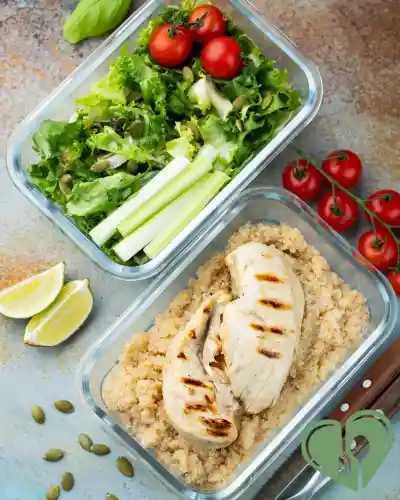
Diabetic meal prep and freezer meals. Honestly? It sounds like a chore especially if you’re already stretched thin trying to balance meds, appointments, numbers… life. But if you’ve ever had one of those days where you’re hungry, your glucose is being unpredictable, and the only thing in the fridge is a maybe-questionable yogurt you know why this matters.
It’s not about discipline. Or being “on top of things.” It’s more basic than that. It’s about having food you trust, ready when your brain’s too fried to care about macros or fiber counts. It’s about less panic at 6:30 p.m.
You don’t have to overhaul everything. That’s not what this is. This is a way to make eating just eating a little easier. A little safer. Less of a question mark.
We’ll walk through how to prep and freeze meals that won’t mess with your blood sugar or your day. And maybe hopefully how to stop dreading the “What’s for dinner?” moment altogether.
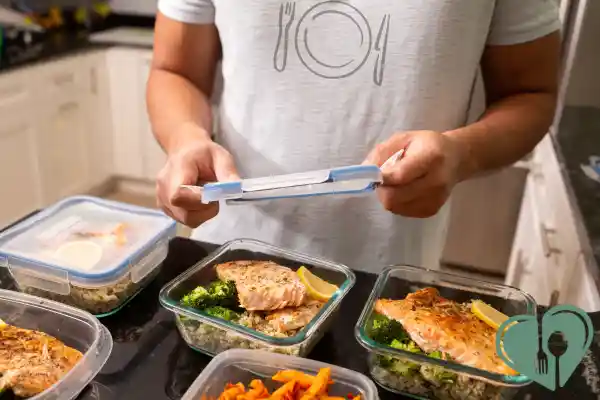
Why Meal Prep Is a Game-Changer for People with Diabetes
Let’s be real eating with diabetes is already complicated. Every meal feels like a mini negotiation: how much carb is too much? Did I get enough protein? Will this spike me two hours from now?
Now imagine if most of that was already figured out. That’s what meal prep actually offers. Not perfection. Just fewer food decisions when you’re low on energy, or distracted, or let’s be honest just not in the mood to think about nutrition.
When you plan ahead, even just a little, everything changes. You avoid the “what do I eat now?” spiral. You already know the portion is right, the carbs are balanced, the fiber’s in there. You’re not guessing. You’re not negotiating. You’re just eating.
It also helps in ways that don’t show up on a nutrition label. There’s something calming about opening the fridge and seeing meals you trust meals you made, for this exact reason. That kind of predictability? It can lower stress, and let’s face it, stress messes with blood sugar too.
But why does it help so much?
Because diabetes thrives on chaos unless you don’t let it. Prepping your meals gives you the edge. It’s not about being rigid, it’s about having something ready before you need it. Especially on days when nothing else feels under control.
Best Practices for Diabetic Meal Prep
Here’s the truth: most people don’t meal prep because they love it. They do it because not meal prepping leads to chaos. And for folks managing diabetes, chaos and carbs? Not a great combo.
So forget perfection. If you’re prepping 3–5 days ahead, that’s already a win. Enough to stay ahead of meals without turning your kitchen into a second job. And if you want to go beyond a few days, batch cooking for diabetic dinners can help you prep full meals without the daily hassle. Any more than that and, honestly, you’re probably setting yourself up to waste food or burn out.
Now, as for what to prep keep it simple. Lentils. Roasted veggies. Some protein you don’t hate by day three. And carbs? Sure, but pair them with fiber and fat. A bowl of brown rice with chickpeas and olive oil hits different than plain rice alone. Your blood sugar will tell you the difference.
Containers help too clear ones, portioned out, labeled with prep dates and a rough carb count. Yeah, it’s a pain the first few times, but Future You will thank Past You when you’re low on time and need to eat now.
Batch without the burnout
Don’t go full Pinterest. Just prep a few staples:
- A grain or two (quinoa, brown rice)
- A legume (chickpeas, lentils)
- Veggies you’ll actually eat
- A couple proteins chicken, tofu, eggs, whatever works
Build meals from those throughout the week. It’s kind of like having healthy puzzle pieces.
Do I have to weigh everything?
Nope. But knowing your portions and having a general idea of carbs and protei makes it easier to match meals to your meds, especially if insulin timing’s involved.
Freezer-Friendly Meals That Support Glucose Control
Let’s just admit it: freezer meals can get depressing fast. One minute you’re all proud of yourself for “planning ahead,” the next you’re poking at a block of something vaguely orange and wondering what past-you was thinking.
Still when it’s done right? The freezer can be your best friend. Especially when you’re managing diabetes and just don’t have the energy (or blood sugar stability) to cook from scratch every night. For even more ideas, check out our full list of freezer meals for type 2 diabetes safe, simple, and designed to keep your glucose steady.
Here are some freezer meals that don’t completely fall apart after reheating and won’t wreck your glucose:
- Lentil + Veggie Stew – Thick enough to survive the freezer, loaded with fiber, and somehow still decent after a microwave blitz.
- Turkey Chili – Honestly hard to mess up. Protein, beans, flavor, all in one bowl.
- Stuffed Peppers (Quinoa + Ground Turkey) – Freeze them standing up if you can. They hold their shape and don’t taste like sadness later.
- Chickpea Curry – This one’s a winner. Doesn’t separate, doesn’t get weird. Just skip the cream.
- Egg Muffins – Works if you avoid cheese or milk-heavy versions. Reheat gently or they’ll go rubbery.
- Tofu Stir-Fry Kits – Freeze raw tofu with marinade and bag some veggies next to it. Future-you will appreciate the shortcut.
Don’t overcomplicate it. Think single-serving, balanced, and something you might actually look forward to. Reheating shouldn’t feel like punishment.
What about labeling?
You think you’ll remember. You won’t. Label it. Carb estimate, protein ballpark, date, and what it is. Unless you like mystery food roulette.
Can I freeze greens?
Sure. Technically. But… they get limp and weird. Better move: keep a bag of frozen spinach on hand and just toss it in when you’re heating things up. Fresh texture, zero planning.
Building a Blood Sugar-Friendly Freezer Strategy
Freezing meals sounds simple until you’re six containers deep in unlabelled stews and questioning your life choices. The good news? A solid freezer system doesn’t have to be fancy. It just needs to work for you not against your blood sugar.
Let’s start with the basics: cool everything before freezing. If you toss hot food straight into a container and into the freezer, it creates condensation, which leads to freezer burn which ruins everything. Just… let it chill first.
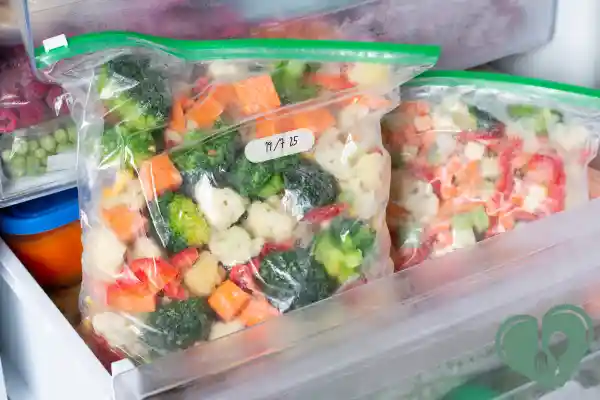
Then, go airtight. BPA-free containers or sturdy freezer bags work. Air is the enemy of texture and flavor. Also, go single-serving. Freezing huge portions might seem efficient until you’re hacking away at a dinner-sized iceberg.
Label like your future depends on it (it kinda does)
Write down the name, the portion size, the estimated carbs and protein, and the prep date. Not because you’re obsessive. Because on a tired Tuesday, you’re not going to remember what’s in that frozen blob and whether it’ll spike you.
A few things not to do (you’ll thank yourself later)
- Don’t freeze creamy sauces. They separate and turn weird.
- Don’t refreeze thawed meals. Texture? Gone. Safety? Questionable.
- Don’t forget fiber. Seriously some freezer meals lose it somewhere in the process, and then you’re just eating carbs with no backup.
This isn’t about being rigid it’s about removing risk. With the right freezer habits, you get meals that help you stay steady without needing a spreadsheet.
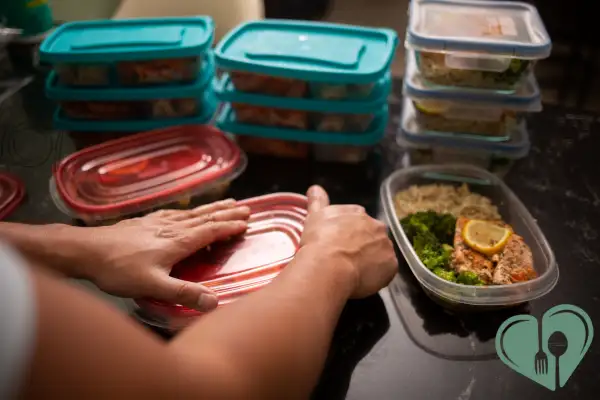
Sample 3-Day Meal Prep Plan (Freezer-Ready)
If you’ve ever tried prepping meals for a full week and ended up bored by day two… same. Three days is the sweet spot. You get the benefits of planning without the burnout. Here’s a loose plan that’s easy to batch, freeze, and rotate without getting sick of it.
| Day | Meal |
|---|---|
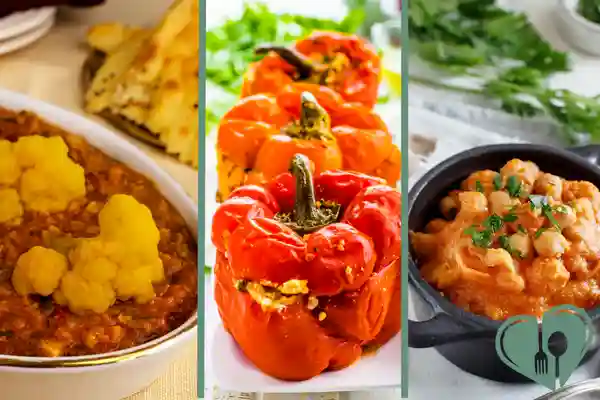
| Mon | Lentil stew + roasted cauliflower (hearty, reheats well, no mush) |
| Tue | Turkey-stuffed pepper + add-your-own side salad (greens keep better fresh) |
| Wed | Chickpea curry + brown rice + sautéed spinach (you can freeze it all, or toss in the spinach fresh later) |
No calorie-counting lecture here, just what you probably want to know:
- Carbs? Around 35–45g net
- Protein? 20–30g
- Fiber? Enough to keep things steady
You can prep these in one afternoon, or do two days’ worth and see how you feel. Reuse leftovers. Sub in different veggies. There’s no gold star for doing it the same every time.
Make it easier on yourself:
- Let meals cool before freezing. Seriously.
- Store sauces or curries separate from grains when you can. Texture matters.
- Label with the basics: name, date, and maybe “add greens after reheating” if you tend to forget.
This isn’t about nailing the perfect prep routine. It’s about building a tiny buffer between you and blood sugar chaos. And having one less thing to figure out when you’re already running low on time, energy, or both.
FAQs
Can I freeze meals with leafy greens?
Technically, yes. But honestly? They don’t always bounce back well. Spinach, kale once frozen tend to wilt into something you’ll eat, but probably won’t enjoy. What works better: keep a bag of frozen spinach on hand and toss some in while reheating. It blends right in and doesn’t drag the whole dish down.
How long do diabetic freezer meals really last?
Two to three months is a good rule. You might stretch it a bit, but after that, flavor and texture start fading. Ice crystals creep in, and you’re less likely to actually want to eat what you prepped. Label everything, even if you think you’ll remember. You won’t. No judgment we’ve all played freezer roulette.
Can I include fruit in meal prep?
Definitely, just be mindful. Berries are your best bet they freeze clean, thaw quickly, and won’t spike your sugar as fast as high-GI fruits. Try portioning them out for smoothie bags, oatmeal toppings, or just a snack. Fruit’s not the enemy. It just works better when you’re intentional with it.
Why Diabetic Meal Prep and Freezer Meals Might Be the Easiest Way to Take Control
Managing diabetes comes with enough daily decisions. Food doesn’t have to be one more stressor. With a little planning and a few freezer-safe containers, diabetic meal prep and freezer meals can shift the whole tone of your week from reactive to ready. You’re not aiming for perfection here just meals you can trust, already made, already portioned, already helping. And that kind of quiet support? It adds up. Not just in your numbers, but in how you feel. More steady. Less overwhelmed. A little more free.

Dreena shares balanced, diabetes-friendly recipes made for real life—simple, nourishing, and full of flavor. Her kitchen is where health meets heart.