
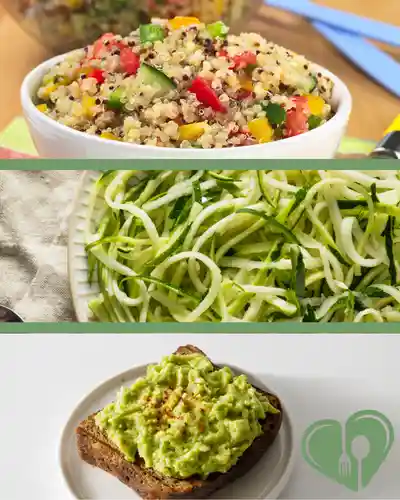
Looking for carb substitutes for diabetics that actually taste good and don’t feel like a downgrade? You’re not alone. For many, foods like pasta, bread, and rice aren’t just carbs they’re comfort, routine, even part of family traditions. But if you’re managing blood sugar, the standard versions can work against you.
Here’s the good news: you don’t have to give up carbs completely you just need smarter swaps. This guide breaks down realistic, blood sugar–friendly carb substitutes for diabetics that keep the flavor, hold the satisfaction, and skip the glucose spikes. Let’s make those smart carbs your new normal.
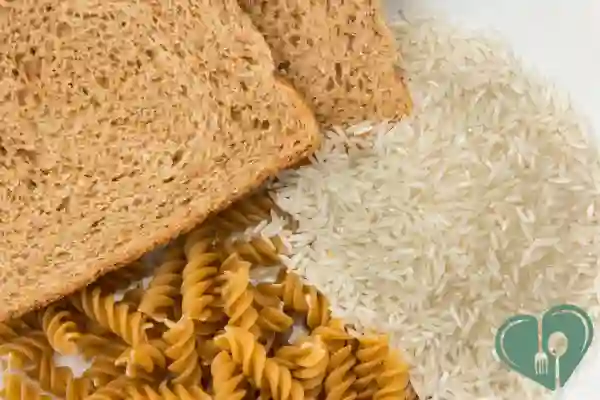
Why Refined Carbs Can Be Problematic for Diabetics
Pasta. White rice. Toast. You know the drill easy staples, always within reach. But if you’re dealing with diabetes, these aren’t just comfort foods. They’re triggers.
Stripped of fiber, they digest fast and flood your system with sugar. That surge? It doesn’t just raise blood sugar it whiplashes it. You feel full, then wiped. Calm, then shaky. It’s exhausting.
And the damage isn’t always loud. A little here, a little there A1C creeps up. Your body becomes less responsive. Energy fades quicker than it should.
The real issue isn’t carbs it’s how fast some of them hit. If you want to understand why some carbs spike blood sugar more than others, this breakdown on the glycemic index in diabetic meal planning explains it clearly.
Best Pasta Alternatives for Blood Sugar Control
Pasta’s a hard thing to give up. It’s familiar, it fills you up, and it’s in a lot of meals. But if you have diabetes, regular pasta made from white flour hits your blood sugar fast too fast. It doesn’t keep you full, and it makes your numbers swing.
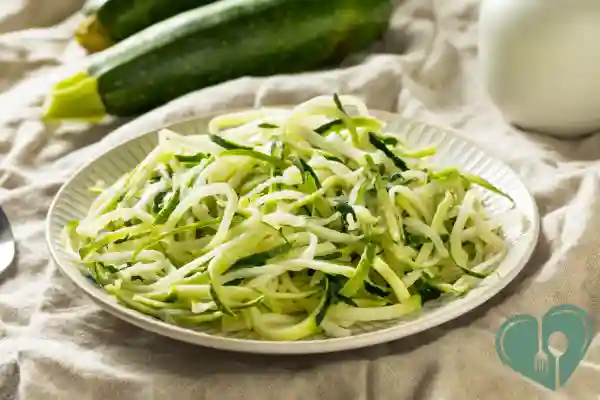
Zoodles (zucchini noodles): These are made from fresh zucchini. You spiral them, cook them quick, and they don’t raise your blood sugar. They don’t taste like pasta, but they do the job when you need something light that takes on sauce.
Lentil or Chickpea Pasta: These are more filling. They’ve got more protein and fiber, so they don’t break down as fast. They taste a little different kind of nutty but they’re closer to real pasta than most swaps.
Shirataki Noodles: Made from a plant called konjac. No real carbs. Almost no calories. The texture’s different kind of rubbery but it’s one of the lowest-impact options out there for blood sugar.
Cooking makes a difference too. Don’t overcook pasta. Keep it firm al dente. It breaks down slower that way. And if you eat it with something fatty or fibrous like olive oil, greens, or avocado it’ll keep your blood sugar steadier.
Healthy Rice Replacements
If you’ve been eating white rice for years, it’s tough to pull it off your plate. It’s cheap, fast, and it fits with almost everything. But for blood sugar? It’s rough. It hits fast, and it doesn’t bring much fiber to slow things down.
Cauliflower Rice: It’s not rice. Let’s just be clear on that. But it does the job when you want something to hold your stir-fry or soak up a sauce. Super low carb. No spike. You can buy it frozen or grate it yourself.
Barley: This one takes longer to cook, but it sticks with you. Chewy, nutty, and slower on the sugar rise. You probably won’t eat a giant bowl of it which is the point. Good in soups or as a base for warm salads.
Quinoa: Not carb-free, but it’s balanced. There’s protein and fiber in there, and that changes how your body handles it. It’s a little earthy, cooks fast, and works hot or cold. Decent choice if you’re easing off white rice slowly.
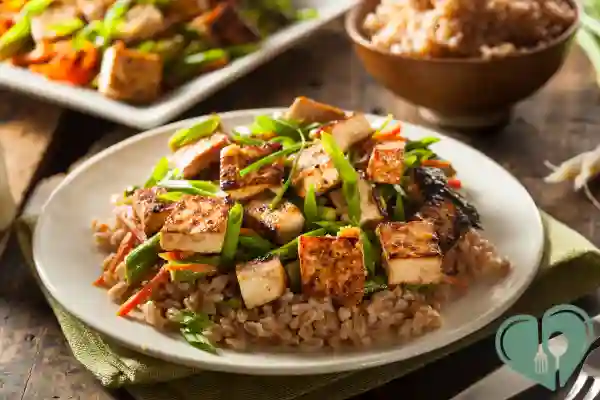
Farro: Hearty stuff. It’s not low in carbs, but it’s dense and takes time to break down. You feel fuller, longer. Use it in small amounts it’s more about balance than restriction.
Tip: If you’re not ready to go full swap, try doing half-and-half with cauliflower rice. You’ll still get the texture, but cut the carbs way down.
Want more ideas that don’t mess with flavor but keep blood sugar in check? Check out our guide on Glycemic Index and Smart Carb Swaps for Diabetics it breaks down how to choose carbs that actually work with your body, not against it.
Bread Alternatives for Diabetics
Bread is one of the hardest things to swap. It’s familiar, fast, and tied to so many meals. But for blood sugar? Most bread works against you, even if it’s labeled “whole wheat” or “multigrain.”
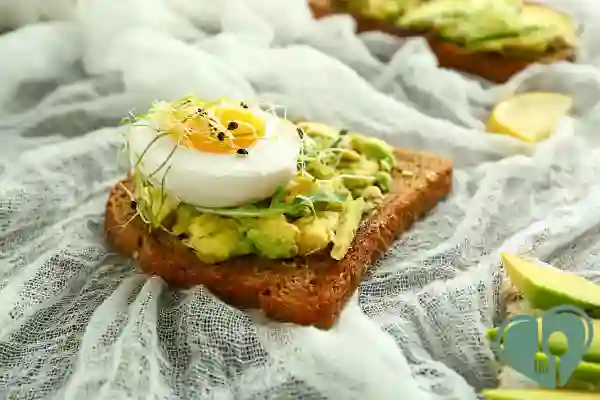
Sprouted Grain Bread: This isn’t soft sandwich bread. It’s dense, rougher in texture, but way better for blood sugar. The grains are sprouted before baking, which changes how your body digests them. It doesn’t spike you the same way.
Almond Flour Flatbreads: These are light, low in carbs, and more filling than they look. No fluff, no grains just almond meal, maybe some egg or oil. Great if you’re trying to cut back hard on carbs.
Whole Grain Wraps: They’re not all equal. You have to check the label. Go for wraps with at least 4g fiber and fewer than 15g net carbs. If there’s no fiber listed? Probably not a good sign.
Skip anything that just says “multigrain” on the front. That’s marketing. Flip it over and read the ingredients if there’s no fiber, it’s just dressed-up white bread.
FAQs
Is gluten-free pasta better?
Not really. A lot of it’s made from rice or corn, which still hits your blood sugar fast. The label might sound better, but it doesn’t mean much. You’re better off with something like lentil pasta it’s got fiber, and it keeps things steadier.
Can I still eat bread if I have diabetes?
Yeah just be picky. It needs to have real fiber. Look for something sprouted or dense. And don’t go overboard. One slice, maybe two, and eat it with something else eggs, avocado, whatever slows it down.
What’s the lowest-carb rice swap?
Cauliflower rice. Almost no carbs, no sugar rush. It’s not rice, but you can use it the same way. Throw sauce or stir-fry on top and you’re good.
Final Thoughts: Finding the Right Carb Substitutes for Diabetics Without Giving Up Flavor
You don’t have to give up the foods you love you just have to know how to swap them smartly. Pasta, rice, bread they’re not the enemy. But the refined versions? They don’t work well for blood sugar.
The good news is there are better options. Ones that don’t leave you crashing an hour later. And once you find a few that you like, it doesn’t feel like a diet anymore. It just becomes how you eat.
Take your time. Try a few things. See what works in your meals and what actually makes you feel good. That’s what matters.

Dreena shares balanced, diabetes-friendly recipes made for real life—simple, nourishing, and full of flavor. Her kitchen is where health meets heart.