
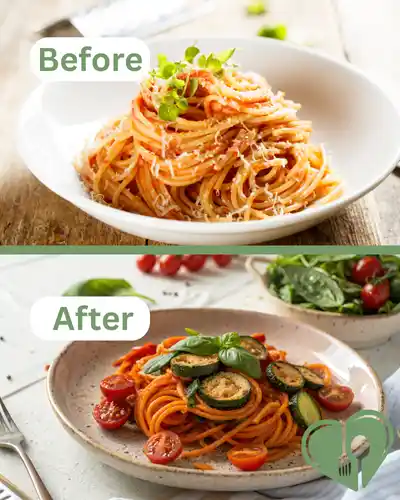
Glycemic index carb swaps maybe you’ve heard the term tossed around at a doctor’s office or in a diabetes support group, and maybe, like a lot of people, you nodded but quietly thought: “Okay… but what does that actually mean for me?”
Here’s the short version: not all carbs are created equal. Some sneak into your bloodstream and cause a sharp sugar spike. Others take their time, releasing energy slowly, keeping you balanced. The trick? Knowing which is which and more importantly, which ones you can realistically swap without overhauling your life.
Because let’s be real: if managing diabetes were just about avoiding sweets, it’d be simple. But the day-to-day reality is full of gray zones like why oatmeal makes you feel great one morning and drained the next. That’s where understanding the glycemic index in diabetic meal planning comes in. Once you grasp how different carbs behave in your body, you can start making swaps that feel less like restrictions and more like smart upgrades.
In this guide, you’ll learn how to make smart glycemic index carb swaps that fit into real life not just a nutritionist’s textbook. Small shifts, like trading white rice for quinoa or toast for sprouted bread, can make a big difference in how you feel meal to meal, and month to month.
What Is the Glycemic Index (GI) and Why Diabetics Should Care
Let’s say you’re doing everything “right” eating balanced meals, watching your carb intake but your blood sugar still rises unpredictably. That’s not you messing up. That’s what happens when no one explains the speed of carbs, not just the quantity. And that’s exactly what the glycemic index (GI) helps clarify.
The GI measures how quickly a carbohydrate turns into glucose in your blood. Some carbs convert fast (high GI), others take their time (low GI). It’s like comparing a firecracker to a slow-burning candle both produce energy, but one explodes, the other paces itself.
For diabetics, that pacing can mean the difference between a steady afternoon or a mid-meeting glucose crash. When you pick lower-GI carbs, you’re reducing the sudden insulin demand. That might sound technical, but in practice? It just means fewer jolts to your system physically and emotionally.
Where This Actually Shows Up in Daily Life
Think about breakfast. You grab a bowl of cereal seems light and simple. But it’s high-GI. Your blood sugar spikes fast, then crashes, and by 10 a.m., you’re unfocused and craving something sweet again. Now swap that for steel-cut oats with berries. Same idea, different outcome. You feel full longer, your energy stays level, and you’re not battling your body all morning.
GI carb swaps aren’t about being perfect. They’re about shifting your baseline. Swapping out the daily foods that work against you for ones that work with you often without changing the overall feel of your meal.
FAQ: Is the glycemic index reliable for everyone?
It’s a solid guide but not one-size-fits-all. People digest foods differently depending on metabolism, gut health, and even stress. Use the GI as a compass, not a ruler. What matters most is how you feel after eating and that’s something GI can help you predict more accurately.
Common High-GI Foods to Swap Out
Let’s be honest most high-GI foods don’t look like a problem. They’re normal. Comfortable. Often what we grew up eating. A bowl of cereal. A heap of white rice. Toast in the morning. They’re not deep-fried or covered in frosting so how could they be sabotaging your blood sugar?
But here’s the twist: it’s not what they look like. It’s how they digest.
High-GI carbs break down quickly, sending a surge of glucose into your bloodstream. For a diabetic, that surge doesn’t just feel like a number on a monitor it feels like fatigue, irritability, or that gnawing hunger even when you “just ate.” That’s not your fault. That’s the food’s speed. And thankfully, that speed is something you can slow down with smarter swaps.
Trade-Ups That Feel Familiar Just Better
You don’t need exotic ingredients or a Pinterest-perfect kitchen. You just need options that behave better in your body like some of these healthy carb substitutes for pasta, rice, and bread, which offer the same comfort without the glucose spike.
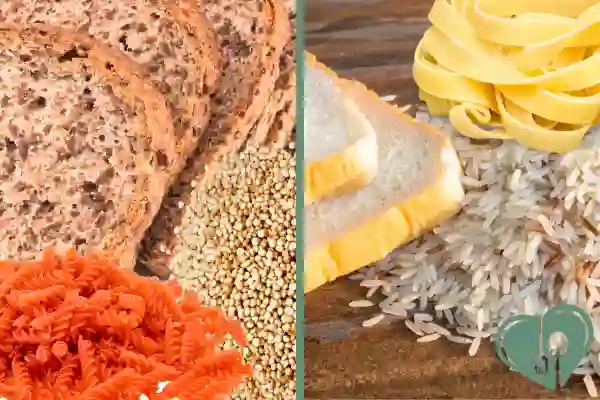
| High-GI Food You Know | Swap With This… |
|---|---|
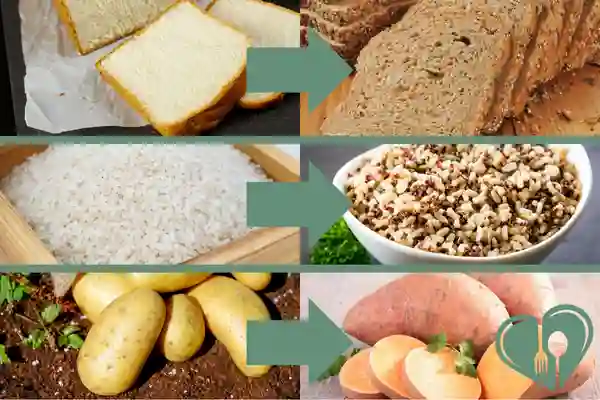
| White sandwich bread | Sprouted grain bread or whole grain tortilla |
| White rice | Barley, quinoa, or cauliflower rice |
| Instant oats | Steel-cut oats or overnight oats |
| Mashed potatoes | Mashed turnips or roasted sweet potatoes |
| Regular pasta | Lentil or chickpea pasta, or zoodles |
| Sugary cereal | Bran flakes, chia pudding, or plain Greek yogurt |
Here’s the thing: these swaps won’t just show up on your glucose graph. They show up in your day. In how long you stay full. In how clear your brain feels by 3 p.m. In whether or not you need that “emergency snack.”
FAQ: Are these swaps all-or-nothing?
Not even close. Try one. Try two. Taste around. Some will stick, others won’t and that’s fine. You’re not trying to be perfect. You’re trying to stop feeling hijacked by your own meals. One swap at a time gets you there.
Benefits of Making Smart Carb Swaps
Here’s what no one tells you when you’re first diagnosed: managing diabetes isn’t just numbers and labels. It’s how you feel after meals, between meals, at 3 p.m. when your brain fog rolls in, or when your stomach growls even though you just ate. That’s where smart carb swaps start making a quiet difference.
You don’t always notice it on day one. But maybe by day three, you realize you didn’t reach for a snack between lunch and dinner. Or your energy didn’t tank mid-morning. Or your cravings the ones that used to shout now just whisper. That’s what these swaps do: they calm the noise in your system. Less glucose drama, more internal ease.
Not Just Better Numbers Better Days
We often frame diabetic choices around “control,” but what many people actually feel is relief from the guesswork, the crashes, the constant need to “fix” how they feel after eating.
What smart swaps offer:
- Less glucose volatility, more even moods, energy, and focus
- Lower insulin load, which can reduce weight struggles and inflammation
- Fewer food regrets, you stop second-guessing every bite
- More satisfaction, because fiber and protein-rich swaps leave you full longer
- A ripple effect, fewer highs mean fewer lows, which builds real momentum
And long-term? Yes, better A1C control is on the table. But even before that, it’s the day-to-day ease that convinces people to stick with it. Because when food starts feeling less risky, everything else feels a little steadier too.
FAQ: Will smart swaps really help if my blood sugar’s already “okay”?
They might help it feel easier. You might already be “in range” but are you constantly working to stay there? Swaps can reduce the effort it takes to maintain balance. Less glucose management work means more freedom and that’s a win, too.
How to Shop for Smart Carbs
The grocery store can feel like a minefield when you’re managing blood sugar. There’s no shortage of “healthy” labels shouting at you low-fat, whole grain, all-natural and yet some of those very foods send your glucose soaring. If you’ve ever felt betrayed by a “diabetic-friendly” choice, you’re not alone.
Shopping smart isn’t about being restrictive it’s about being strategic. Once you know what matters most on a label, you stop relying on the promises on the front and start trusting what’s quietly listed on the back.
What to Look For (And What to Question)
You don’t need a dietitian in your cart. Just these rules of thumb:
- Fiber first. Aim for 4g or more per serving. It slows down digestion and sugar absorption and often signals a more intact, whole food.
- Net carbs under control. Look for under 15g net carbs per serving, especially in snacks. The lower the impact, the easier it is on your system.
- Check the GI if available. A low or moderate glycemic index (≤69) means the carb digests at a gentler pace. If it’s not listed, the fiber and ingredient list will clue you in.
- Watch added sugars. Even “natural” ones like agave, coconut sugar, or honey can spike you. If it’s sweetened, check the grams.
- Avoid the flour trap. Many “whole grain” products still use refined flour as the main ingredient. Choose whole, intact grains when possible.

Real-Life Staples That Keep Blood Sugar Steady
Once you find a few favorites, they tend to become your anchors the things you can always fall back on when life’s too hectic to plan.
- Quinoa or barley, both low-GI and high in protein
- Old-fashioned or steel-cut oats, skip the flavored packets
- Lentils, black beans, chickpeas, endlessly versatile
- Sprouted grain breads, denser texture, slower burn
- Lentil or chickpea pasta, doesn’t spike like traditional noodles
- Chia seeds and ground flax, fiber bombs that bulk up meals
None of these are fancy. You don’t need to shop at a health food store. Some of the most blood sugar-friendly foods are hiding in plain sight you just need to know what to reach for.
FAQ: Do I have to shop “perfectly” to see results?
Not at all. This isn’t about getting every label right. It’s about tipping the balance choosing smarter more often than not. Even just replacing two or three key items can take the edge off your glucose curve. That’s a win. Build from there.
Sample Meal Swaps for Real Life
If you’re managing diabetes, every meal starts to carry weight. Not just physical emotional, too. “Is this okay?” “Will I crash later?” “Why does this food still throw me off?” It’s exhausting. What helps? Predictable swaps. Small ones. Repeatable ones. The kind you don’t have to think hard about.
Because when the blood sugar rollercoaster stops, so does the anxiety around food. These swaps aren’t dramatic. They’re the ones that slide easily into your routine and work quietly in the background.
The Easy Kind of Different
- Breakfast
Before: Toast with jelly or boxed cereal
Try: Overnight oats with chia, cinnamon, and a spoon of peanut butter- Low GI. High fiber. Warm or cold. No crash by 10 a.m.

- Lunch
Before: Sandwich on white bread
Try: Whole grain wrap with roasted veggies and chicken or tofu- Swaps the bread, not the whole idea. Your energy holds through the afternoon.
- Dinner
Before: White rice or pasta with protein
Try: Lentil pasta, barley, or cauliflower rice- The same plate. Just gentler on your system.

- Snack
Before: Crackers, granola bar, trail mix
Try: Greek yogurt + berries, or a hard-boiled egg with cherry tomatoes- A little fat, a little protein. You won’t go hunting for more 20 minutes later.
Swapping isn’t about becoming someone else. It’s about making peace with what your body needs now and finding ways to give it that without burning out.
FAQ: What if I get bored?
Then pivot, not quit. Burnout usually means you need variety, not a total reset. If you’re tired of oats, switch to chia pudding. Hate cauliflower rice? Try barley or farro. You’re allowed to adjust the only goal is stability, not perfection.
FAQs
You’re doing your best. Reading, swapping, trying. But sometimes, even with all that effort, there’s still doubt. You wonder if you’re prioritizing the right thing, or if all the label-reading even matters. These aren’t “beginner” questions they’re the ones that linger. Let’s make them less confusing.
Is GI more important than how many carbs I eat?
Not more, just different. GI is about speed. Carb count is about load. Think of it like a hose: GI is how fast the water’s flowing; carbs are how much water you’re pumping. A slow trickle of a lot of water still fills the bucket just more gently. Use both to guide you.
Can I trust “whole grain” labels?
Not fully. Many products labeled “whole grain” are mostly refined flour with a sprinkle of whole wheat thrown in. That’s why some “healthy” breads or crackers spike you just like white ones. Your best bet? Look for ingredients like “whole sprouted wheat,” or go for grains in their original form barley, quinoa, oats. The more intact, the better.
Can GI guide every meal I eat?
It can help but don’t treat it like law. You don’t need to calculate GI at every bite. Just learn the broad patterns. Swapping white rice for lentils, instant oats for rolled oats those decisions add up. GI becomes second nature over time. No math required.
Why Glycemic Index Carb Swaps Are Worth It
It’s easy to underestimate small changes especially when managing diabetes can feel like you’re constantly playing defense. But glycemic index carb swaps offer something most strategies don’t: calm. Not control, not perfection just a little more calm in your blood sugar, your cravings, your energy, and your relationship with food.
You’re not trying to master some rigid plan. You’re just learning what helps your body stay steady. And these swaps? They’re practical. Flexible. Human. They don’t demand overhaul just curiosity and a little consistency.
Maybe today it’s swapping your cereal. Maybe tomorrow it’s upgrading your sandwich bread. Whatever your pace, it counts. The goal isn’t to avoid every spike it’s to reduce the chaos that comes after.
So take a deep breath. Try one swap. See how it feels. You don’t have to do it all just enough to make your next meal a little easier on your system… and on you.

Sami Ahmed is a Diabetes Nutrition Coach at The Diabetic Recipes. He blends science with everyday cooking to create meals that stabilize blood sugar without sacrificing taste. Sami’s passion lies in helping people with diabetes enjoy food confidently — one balanced, flavorful recipe at a time.