

The best protein for diabetics isn’t just about grams on a label it’s about how it actually affects your blood sugar in real life. If you’ve ever eaten what seemed like a “healthy” meal but still felt your glucose swing, protein might be the missing piece. Unlike carbs, protein doesn’t spike blood sugar and when used right, it can even help flatten the curve.
But not all protein is created equal. Some digest slower, others support insulin response better, and a few shine when paired with fats and fiber to keep you full and stable.
In this guide, we’ll break down the best protein for diabetics, ranked by their impact on glucose plus smart pairing tips, common mistakes to avoid, and meal ideas that actually work.

What Makes a Protein Truly Diabetic-Friendly?
Not every “high-protein” food is safe for blood sugar. Some come packed with hidden sugars, others spike insulin subtly, and a few just digest too fast. So what separates a diabetic-friendly protein from the rest?
Let’s break it down beyond the label.
It’s Not Just About Carbs It’s About the Full Metabolic Picture
You’ve probably heard that protein doesn’t raise blood sugar the way carbs do. True but context matters. Some proteins, especially those eaten alone or in excess, can still nudge glucose levels through a process called gluconeogenesis (your body turning protein into sugar). It’s not common in small portions, but it can happen especially for those with Type 1.
What matters more is how the protein is delivered:
- Is it mixed with refined starches or sugary sauces?
- Does it contain insulin-spiking additives like maltodextrin or dextrose?
- Is it paired with fiber and fats that slow digestion?
These factors can make or break how your blood sugar responds.
Core Traits of a Diabetic-Friendly Protein
Here’s what to look for:
- Low Glycemic Impact: Doesn’t contain fast-absorbing sugars or hidden carbs.
- Slow Digestion or Balanced Release: Like casein in cottage cheese or fiber in lentils.
- Minimal Processing: Less added sugar, salt, or starches = cleaner metabolic response.
- High Satiety Value: Keeps you full longer so you don’t snack on high-GI foods later.
- Supports Lean Muscle Mass: More muscle = better insulin sensitivity.
This is why an egg performs differently from a flavored protein bar even if both have “12g of protein.”
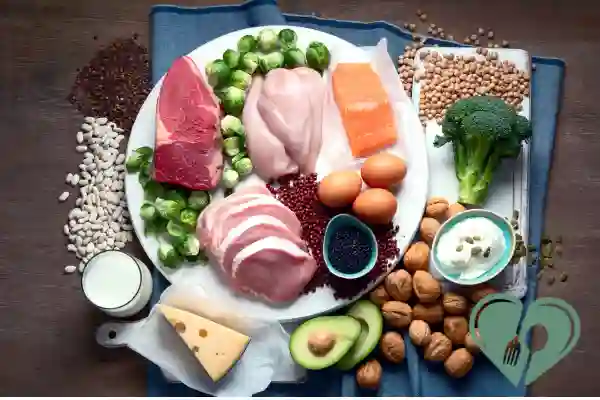
These traits are also essential when planning diabetic meals that balance macros across the day.
FAQ: Is the Glycemic Index Enough to Judge a Protein’s Impact?
Not really. The glycemic index (GI) mostly measures carb impact. Many proteins don’t have a GI rating at all. Instead, look at the insulin index, additive content, and how it’s paired in meals. For diabetics, these can be even more telling than GI scores.
Protein Pairing Strategies for Better Glucose Control
Here’s the thing protein alone isn’t magic. It’s how you pair it that keeps your glucose from spiking or crashing an hour later.
The Core Rule: Fat + Fiber + Protein = Glucose Stability
Think of these three like teammates. Protein slows digestion a bit. Add healthy fat, and digestion slows more. Toss in fiber from leafy greens, seeds, or veggies and the whole meal releases into your bloodstream gradually. That’s the goal.
Real-life combos that work:
- Egg + spinach + avocado = breakfast that won’t backfire
- Chicken + broccoli + olive oil = slow-burning lunch
- Whey shake + chia seeds + almond butter = sweet but steady
It’s not about perfection it’s about slowing the sugar rush.
Avoid the Hidden Traps
Here’s where most diabetics stumble: they eat “high protein” meals that secretly include fast carbs.
- Whey with banana = spike.
- Grilled chicken in a wrap = spike.
- Tofu stir-fry with rice = yeah, spike.
What works instead?
- Whey with nut butter + seeds
- Chicken in a lettuce wrap or with roasted veggies
- Tofu with greens, vinegar-based sauce, and avocado

Want more practical breakfast examples using these principles? Microwave-Friendly High-Protein Breakfasts for Diabetics
What’s the Best Time to Eat Protein for Blood Sugar Control?
Answer: Ideally, spread it evenly.
Large protein loads in one meal can still cause glucose issues. Instead, aim for:
- 20–30g at breakfast (to blunt cortisol-related spikes)
- 20–30g midday (to stabilize energy)
- 20–30g at dinner (to prevent nighttime dips or cravings)
Common Mistakes Diabetics Make with Protein
Protein helps but used wrong, it can backfire. Here’s where most people slip up.
1. Thinking “High-Protein” = Blood Sugar Safe
Not all protein foods are clean. Flavored yogurts, bars, and powders often hide sugars or starch fillers. “Protein” doesn’t cancel out junk carbs.
2. Overdoing It in One Meal
Huge protein portions (especially without fat/fiber) can still raise glucose through gluconeogenesis. Better to space it out steady beats stacked.
3. Ignoring the Add-Ons
You might grill chicken, then drown it in sugary sauce or pair it with white rice. That combo? Spiky. The problem’s not the protein it’s what tags along.
4. Skipping Protein at Breakfast
Morning cortisol makes your blood sugar extra sensitive. Skipping protein early in the day often leads to mid-morning crashes or cravings.
Is more protein always better for diabetics?
Not quite. While moderate protein helps stabilize glucose, excess especially without balance can nudge sugar levels up. Focus on consistent, quality sources over quantity bombs.
Sample Daily Meal Plan Using Top Protein Sources
No charts. No grams. Just food that keeps you stable without overthinking it. Here’s what a low-glucose-stress day can actually look like.
Breakfast
Scrambled eggs with spinach and avocado on the side
- Fast, filling, and no carb curveball.
- Feels like brunch, not a diabetic compromise.
Mid-Morning
Protein shake the “I don’t want to cook” fix
- Whey isolate, almond milk, spoon of peanut butter.
- Tastes better than it sounds. Keeps you out of the snack drawer.
Lunch
Grilled chicken salad
- Load it up with greens, cucumbers, seeds.
- Dressing? Olive oil and lemon. That’s it.
- You’ll be full without that “post-lunch nap” crash.
Afternoon
Cottage cheese with a few berries
- Hits the sweet craving without spiking you.
- If you don’t like cottage cheese, Greek yogurt (unsweetened) can work too.
Dinner
Salmon, broccoli, and a scoop of lentils
- Rich, grounding, no blood sugar drama.
- You’ll end the day full, not foggy.

FAQs About Protein and Diabetes
Can eating too much protein raise blood sugar?
Yes but not in the way carbs do. It’s not that protein spikes you, but if you eat a big chunk (especially without fiber or fat), your liver might slowly turn some of it into glucose. It’s called gluconeogenesis a mouthful, but worth knowing. Still, for most people with Type 2, moderate protein stabilizes more than it stirs things up.
Is plant-based protein safer for blood sugar?
Not necessarily safer just different. Tofu, tempeh, and lentils all have their place. But here’s the catch: plant proteins often come with more carbs. Beans, for example, pack fiber and starch. That’s why portion size and pairing matter more than whether your protein came from a cow or a chickpea.
What’s a reliable, no-spike protein snack?
Try one of these:
- 2 boiled eggs with a few almonds
- Greek yogurt (plain, full-fat) with cinnamon
- Jerky just check the label for added sugar
- A protein shake with almond milk and chia
- Cottage cheese + 3 raspberries just enough sweet
These hold you over without waking the glucose monster.
Let Protein Work With You, Not Against You
Managing diabetes doesn’t mean fearing food it means learning what works with your body, not against it. And protein? It’s one of the few tools that can both keep you full and keep your numbers steady if you use it wisely.
Not every high-protein food is a free pass. But once you understand how to pair it, time it, and pick the clean sources, you’ll notice something powerful: fewer crashes, fewer cravings, and more control not just over your meals, but your day.
You don’t have to eat “perfect.” You just need to eat smart.

Sami Ahmed is a Diabetes Nutrition Coach at The Diabetic Recipes. He blends science with everyday cooking to create meals that stabilize blood sugar without sacrificing taste. Sami’s passion lies in helping people with diabetes enjoy food confidently — one balanced, flavorful recipe at a time.
Leave a Reply