
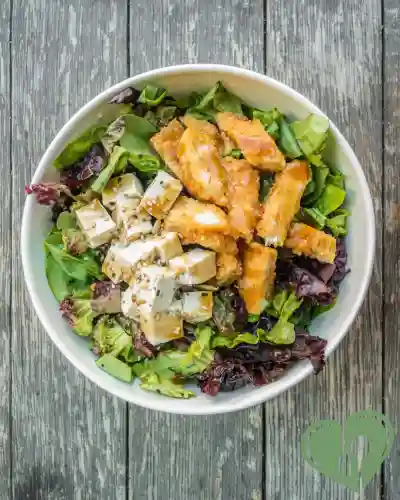
Best whole grains for diabetics sounds straightforward, right? But if you’ve ever tried to build a lunch around them, you know it’s anything but. You want something that won’t spike your blood sugar, that doesn’t taste like cardboard, and that doesn’t leave you hungry an hour later. Somehow, that trifecta is harder to find than it should be.
Here’s the real deal: not all grains are created equal especially when you’re watching glucose levels. Some might technically be “whole,” but they break down fast, messing with your energy and appetite. Others? Total game-changers. They digest slowly, keep you full, and help you stay level all afternoon. But most people aren’t told which is which.
That’s why this guide exists. We’re going deep on the best whole grains for diabetics not just what to eat, but why it works and how to make it doable in a real-life lunch routine. You’ll get clear, realistic advice (no magic fixes), and plenty of options that don’t taste like compromise.
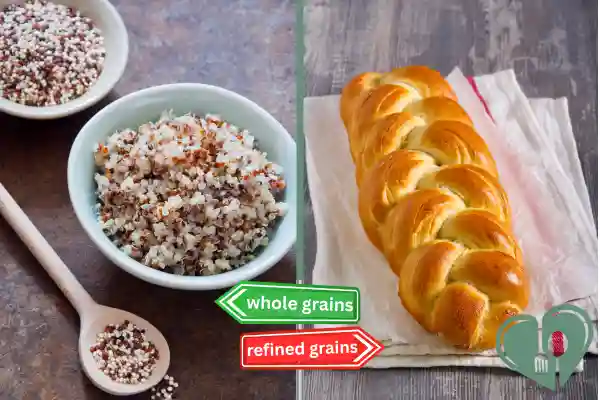
Why Whole Grains Work Better Than Refined Ones
You can eat the same number of carbs at lunch and still end up in two very different places steady and full, or spiking and crashing. The difference? It usually comes down to what kind of grain was on the plate.
Refined grains white rice, standard bread, pasta are stripped down to the easy stuff. No fiber, no slow-release structure, just quick-digesting starch. They hit your system fast. The energy lift doesn’t last, and before long, you’re hungry again or worse foggy, cranky, off.
Whole grains don’t do that. They still have their fiber, the parts that slow digestion down and stretch out the release of glucose. It’s not a surge; it’s a slow, reliable burn. For people managing diabetes, that pacing makes all the difference.
Fiber is the body’s natural modulator. Soluble fiber, especially, acts like a thickener slowing everything from absorption to blood sugar rise. Then there’s resistant starch found in grains like barley and buckwheat which feeds your gut bacteria and indirectly helps manage insulin sensitivity. None of this is hypothetical. Long-term studies show clear links between whole grain diets and improved blood sugar control.
Still, not all “whole grain” foods are what they claim. Some breads and crackers market the term loosely but the moment you see “enriched wheat flour” at the top of the ingredients list, it’s mostly refined. That’s the trap. You think you’re eating for stability, but you’re just getting a slightly browner version of the same fast-carb hit.
This isn’t about cutting carbs altogether. It’s about knowing which ones return something useful. For most people navigating diabetes, whole grains aren’t a rule to follow they’re a tool that works.
Top 6 Whole Grains That Keep Blood Sugar Steady
Let’s be honest most advice about “whole grains” feels like someone who’s never actually eaten lunch in a rush. You don’t need a dozen options, a new kitchen appliance, or grains you can’t pronounce. What you need are grains that actually help with blood sugar and still taste like food.
These six deliver. They cook without drama, hold their shape in leftovers, and don’t spike your glucose. Even better? They don’t ask for a ton of effort just a little trust and a few good pairings.
1. Quinoa
Quinoa’s the easiest win. It cooks in under 20 minutes, doesn’t need constant babysitting, and mixes into just about anything. Fiber and protein are baked in so you stay fuller, longer.
- Use it in: whatever’s in your fridge bowls, protein-plus salads, or even under eggs
- Key move: rinse it first, always that outer layer’s no joke
2. Barley
Barley doesn’t pretend to be trendy. It’s chewy, grounding, and keeps your stomach and blood sugar from pulling weird stunts an hour later. The beta-glucan fiber here isn’t hype it really does slow the glucose hit.
- Throw it in: stews, side dishes, bulk grain mixes
- Cook tip: hulled barley gives more fiber, but needs more time plan accordingly
3. Bulgur
It’s fast. Like, pour-boiling-water-on-it-and-wait fast. And somehow, it still holds its own on the nutrition front low glycemic index, solid fiber, no bloaty aftermath.
- Works best in: tabbouleh, grain wraps, or cold bowls with lemon and mint
- Make it interesting: don’t be shy with herbs or sharp dressings
4. Buckwheat
The wildcard. Buckwheat’s rich, slightly nutty, and weirdly comforting. It’s also one of the better grains for magnesium something most people with blood sugar issues don’t get enough of.
- Toss it into: skillet grains, zippy noodle bowls, or miso-based dishes
- Play with flavor: garlic, ginger, sesame, and vinegar all work great
5. Freekeh
If you want something chewy, smoky, and not boring by day three, freekeh’s your grain. The prebiotic fiber supports your gut (which, yes, helps with blood sugar), but mostly it just holds up.
- Ideal for: roasted veggie grain bowls, anything Mediterranean-ish
- Real-world win: reheats well, doesn’t go mushy
6. Sorghum
Sorghum’s the utility player. Mild flavor, strong texture, no gluten, low GI. It’s also weirdly satisfying you feel like you ate something real. And it works hot or cold, which makes it perfect for meal prep fatigue.
- Try it in: chili bases, tossed bowls, or just with olive oil + lemon
- Bonus: it freezes beautifully batch cook once, eat for days
How to Choose the Right Whole Grain for Your Diabetic Lunch
Pick one. Try it in something simple. If you like it, keep it in rotation. If not, move on. There’s no prize for variety just results that feel sustainable.
How to Cook Whole Grains for Diabetics
Cooking grains isn’t hard, but it’s easy to mess up and when they turn out bland or mushy, you’re way less likely to eat them again. The trick is keeping things simple while doing just enough to make them work for your blood sugar, not against it.
Soak… if you feel like it
If you have time, soak. It softens the grain, helps with digestion, and maybe even takes the edge off how fast it hits your sugar. But honestly, if you forget, don’t sweat it.
- Quick fix: pour boiling water over them, cover, wait an hour. Done.
Rinse. Always.
This one matters. Rinsing keeps grains from clumping and slows down how quickly they break down in your body. Quinoa especially don’t skip this, or it’ll taste bitter and weird.
Ratios that won’t fail you
No need to memorize charts. Here’s what works:
- Quinoa: 1:2 water (15–20 min)
- Hulled Barley: 1:3 (about an hour)
- Bulgur: 1:1.5 (just soak, 10–15 min)
- Buckwheat: 1:2 (15 min)
- Freekeh: 1:2.5 (20–25 min)
- Sorghum: 1:3 (an hour worth it, freezes great)
Let them sit off the heat for 5–10 minutes. Trust me, it fixes the texture.
Batch cook or you’ll give up
Make a lot at once. If you’re cooking grains daily, you’ll quit by Wednesday. Cool them completely before storing or they’ll turn gummy. Sorghum and freekeh? Freeze like a dream.
- Leftovers flat? Hit them with a splash of broth, lemon, or vinegar when reheating.
Don’t eat them plain
This is where most people fall off. Plain grains taste like cardboard. Season them hard garlic, herbs, spices, citrus, olive oil. Not only does it taste better, but the fat slows digestion too.
Does cooking style change blood sugar?
A little. Softer grains break down faster, so they may spike you more. Firmer ones take longer to digest. But honestly? What you add protein, fat, veggies matters more than whether you cooked them five minutes too long.
Building a Balanced Diabetic Lunch with Whole Grains
Here’s the truth: a grain bowl on its own isn’t going to save you. You’ll eat it, feel smug for a second, and then two hours later you’re digging for snacks because your blood sugar’s all over the place. Been there.
The trick? Don’t eat grains alone. They’re just the base. What you pile on top is what makes the difference. Every solid lunch I’ve ever built around grains follows the same rhythm: good protein, loads of veggies, and a bit of fat to keep it all together. Learn more in our guide on What Should a Balanced Diabetic Lunch Include? That’s it. No tracking apps. No math.
The Stuff That Actually Works
- Protein – chicken, fish, tofu, beans, boiled eggs… whatever you won’t get sick of. It’s what stops that spike.
- Veggies – fill the bowl with them. They slow everything down and add crunch so you’re not eating sad mush.
- Healthy fat – don’t fear it. Olive oil, nuts, avocado, tahini. Keeps you satisfied and makes the meal taste like food, not homework.
Combos That Never Fail
- Quinoa + salmon + spinach + avocado – feels fancy, takes no effort.
- Barley + tofu + broccoli + sesame oil – filling but not heavy.
- Freekeh + roasted veggies + chicken + lemon tahini – meal prep that doesn’t suck by day three.
- Buckwheat + shrimp + stir-fried greens + ginger soy – fast, bold, blood sugar–friendly.
Simple Whole Grain Meal Combos That Actually Work
Don’t try to reinvent lunch every day. Find two or three combos you actually like and rotate them. Consistency beats variety when you’re managing sugar. Change the sauce, swap the protein, done.
How to Add Variety to Diabetic-Friendly Grain Lunches
Happens. Mix two grains together, change the toppings, throw in different herbs or dressings. You don’t need Pinterest-worthy meals just food you’ll eat that won’t wreck your numbers.
What to Watch Out for in Grain-Based Lunches
Here’s the problem: a lot of the stuff marketed as “healthy” is straight-up garbage when it comes to blood sugar. Companies know you’re trying to eat better, so they slap “whole grain” on the label and hope you won’t look closer. Most people don’t and that’s why they keep getting away with it.
The Scam List
- Flavored grain packets – those microwave pouches? Sugar, salt, and additives you didn’t ask for. That’s why they taste “amazing” in 90 seconds.
- Fake whole grain products – bread, crackers, wraps… if “enriched wheat flour” is the first ingredient, it’s just white flour with a marketing team.
- Couscous – sorry, it’s not some magical whole grain. It’s pasta. Tiny, fluffy pasta that spikes your blood sugar.
- Prepackaged “healthy” bowls – they show you the grains and veggies on the label, but the sauces are loaded with sugar. It’s a salad dressed in dessert.
The Hidden Junk
Even when you pick a good grain, watch the add-ons. Sweet vinaigrettes, dried fruit, honey glazes all sugar bombs dressed up as “clean eating.” These extras are why your “healthy lunch” still wrecks your numbers.
Stop Believing the Label
The label is not your friend. Marketing phrases like “made with whole grains” mean almost nothing. Turn it over, read the ingredients. If you see sugar, syrups, or 20 unpronounceable things, it’s not worth it. For a step-by-step guide on spotting these hidden traps, see How to Read Labels for Store-Bought Lunch Items. When you make it yourself, you control what hits your plate and your blood sugar thanks you.
Are Store-Bought Diabetic Frozen Meals Worth It?
Don’t waste your money. They shrink the portion, pack in fillers, and pretend they’re helping you. You’ll end up hungrier, with numbers that don’t look any better. Batch-cook your own grains, toss in some protein and veggies, and you’re done. Cheaper. Cleaner. No lies.
Final Thoughts: Finding the Best Whole Grains for Diabetics
Some days it feels like everything you eat turns into a problem. You do what they say, and it still doesn’t work. You start thinking maybe it’s you.
But then there are those meals the ones that don’t fight back. The best whole grains for diabetics? They’re part of that. They don’t fix the hard parts, but they make it easier. You eat them, and the day stays calm. No spike, no crash. Just a little breathing room.
Start small. One grain, one lunch. If it feels right, keep it. If it doesn’t, let it go. No rules, no guilt. Just finding what works for you.
Because this isn’t really about food. It’s about those rare moments when you realize… you’re okay. And maybe that’s enough.

Sami Ahmed is a Diabetes Nutrition Coach at The Diabetic Recipes. He blends science with everyday cooking to create meals that stabilize blood sugar without sacrificing taste. Sami’s passion lies in helping people with diabetes enjoy food confidently — one balanced, flavorful recipe at a time.