
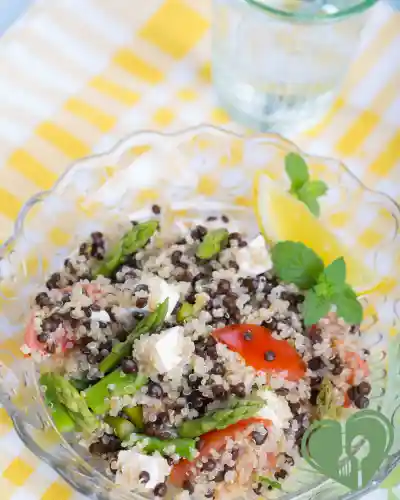
Vegetarian diet for diabetics sounds like a clean swap, right? Trade meat for plants, get healthier, manage blood sugar better. But for anyone actually living with Type 2 diabetes, it’s rarely that simple.
You’ve probably heard the buzz: more fiber, better cholesterol, even weight loss. Still, part of you might wonder how do you get enough protein without meat? Will all those carbs in beans and grains make your glucose spike? And honestly, will you even feel full?
This isn’t about chasing trends or eating like an influencer. It’s about figuring out whether a plant-based diet can genuinely help you feel better, stabilize your numbers, and stay in control without making food feel like a math test.
In this article, we’ll walk through what research really says, what nutrients matter most when you go meatless, and how to build meals that actually work in real life. Not theory. Not guesswork. Just practical insight to help you decide if this path could be a fit for your body, your lifestyle, and your long game.
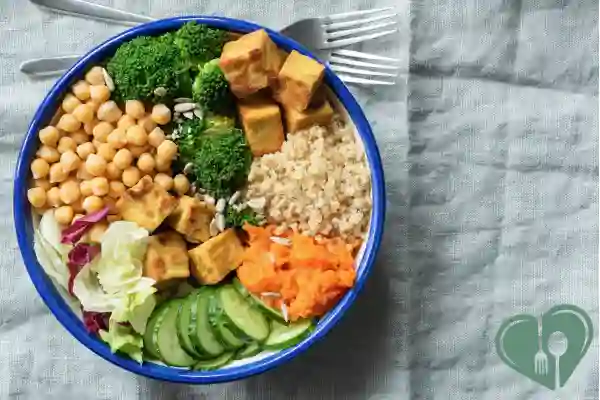
Plant-Based Diets and Diabetes – What Science Says
Somewhere between the clinical charts and everyday food choices, a quiet shift has been happening. Not flashy. Not fast. But real. More people with Type 2 diabetes are easing meat off their platesand noticing things shift: sugar levels, energy, inflammation, even sleep. Is it all the plants? Maybe not entirely. But the patterns are hard to ignore.
Fiber’s the obvious suspect. Not the supplement kind, but the stuff built into lentils, greens, and grains. It slows digestion, surebut more than that, it softens the metabolic noise. Meals don’t hit as hard. The body stops panicking after every bite. You begin to feel… a little more level.
There’s also the fat piece less animal fat usually means cleaner lipid panels. And something else happens: weight starts to slide, not crash. It’s not about restriction. It’s just that plant-heavy food fills you differently. It’s harder to binge on beans and kale than on cheese and white bread.
Data backs this up. Quietly, but consistently:
- A1C tends to dip about half a point or more
- LDL and triglycerides loosen their grip
- Inflammatory markers cool off
- Insulin works a bit less like a brick wall
- And weight? It drops, sometimes even when you’re not trying
The American Diabetes Association sees this now. Their official stance includes vegetarian and vegan diets as long as they’re done right. That doesn’t mean grabbing fries and calling it plant-based. It means whole foods. Texture. Nutrient density. Structure.
And no, it’s not superior to every other diet. It’s just… different. For some, it’s more livable. Less about what you can’t have and more about discovering what you hadn’t thought to eat. And when it clicks? It doesn’t just manage blood sugar. It reshapes your relationship with food in a way low-carb never quite could.
Not a miracle. Not hype. Just another way in. One that works for more people than you might expect.
Managing Blood Sugar Without Meat
Managing blood sugar without meat changes the equation. It’s not worse just different. You lose a predictable protein source and have to think harder about what’s holding your meal together.
Most plant foods aren’t clean-cut like chicken or eggs. A scoop of lentils brings carbs, protein, and fiber in one messy bundle. That’s not bad just means your body handles it differently. Blood sugar rises slower when those elements are balanced, especially if you’ve added fat or greens or something that doesn’t break down too fast.
But here’s where it gets tricky: a vegetarian label doesn’t make a food glucose-friendly. White rice is vegetarian. So is orange juice. If you’re not watching those pairings starch with starch, carb on carb you’ll feel it. Fast spikes, groggy crashes.
It takes learning. Some meals surprise you (in a good way). Others, not so much. You figure out quickly that avocado is your friend, that tofu stabilizes things, that not all grains are equal.
Bottom line: without meat, you don’t lose control you just need a better map.
Want to get smarter about plant proteins?
When you cut out meat, knowing which plant-based proteins actually help stabilize blood sugar becomes essential. Dive into our practical breakdown:
The Best Plant-Based Proteins for Diabetics
Nutrient Watch: B12, Iron, Omega-3s, Protein
Going vegetarian with diabetes isn’t just about cutting meat it’s about covering gaps. Some nutrients are harder to get from plants, and if you’re not intentional, deficiencies sneak up.
Vitamin B12 is the big one. It’s not found in plant foods unless they’re fortified. A supplement or regular dose of fortified nutritional yeast is often non-negotiable here.
Iron from plants (non-heme) doesn’t absorb as well as from meat. That doesn’t make it useless you just have to pair it smartly. Adding vitamin C-rich foods (like bell peppers or citrus) can boost uptake. Still, fatigue or cold hands might hint you’re low.
Omega-3s are another blind spot. You’re not eating fish, so flaxseed, chia, walnuts, or algae-based supplements help bridge that.
Protein gets overhyped as a risk, but still don’t phone it in. Legumes, tofu, tempeh, nuts, seeds, and whole grains in rotation usually cover the base. But if you’re just eating pasta and toast, that’s not it.
You don’t need to obsess. But a little awareness makes the difference between “meat-free” and truly “nutritionally complete.”
Smart Meal Structuring for Satiety and Energy
Without meat, building a meal that actually holds you no spike, no crash takes more thought. You can eat all the right foods and still feel off if the plate’s unbalanced.
Start simple. Pile on the veggies half the plate, raw or cooked. Doesn’t matter. They fill space, add fiber, and barely touch your glucose. Then grab a grain not the fluffy white stuff, but something with weight: brown rice, quinoa, barley. Now add protein. Tofu. Lentils. Tempeh. Not just tossed in it hould hold its space on the plate.
Fat matters more than people admit. A drizzle of olive oil or a few walnuts changes how your body processes the meal. It slows things down, keeps you full. You’ll feel it.
Vinegar, lemon, bitter greens those little extras? They make a dent. Not dramatic, but enough to matter if you’re paying attention.
You don’t need rules. You need rhythm. When meals feel balanced, so does your energy.
Sample Day of Vegetarian Meals for Type 2 Diabetics
No strict plan here just a day that works. Balanced enough to keep blood sugar steady, satisfying enough to not feel like a diet. It’s not about eating “perfectly.” It’s about eating in a way that doesn’t leave you drained or hungry an hour later.
Breakfast
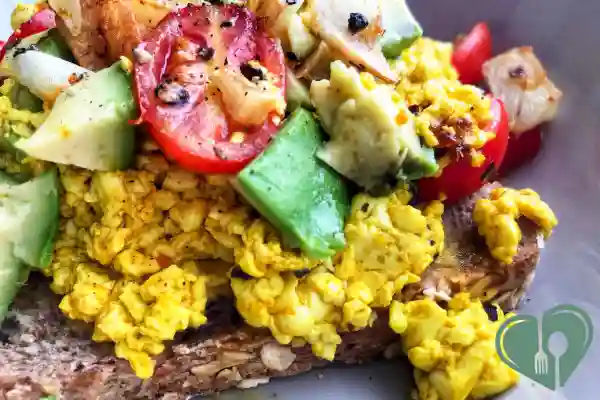
Tofu scramble not fancy, just tofu, spinach, garlic in a pan. Half an avocado on top. One slice of seedy toast, not the white kind. Black coffee, maybe tea.
That combo holds. Protein, fat, fiber. You’re full, but not heavy.
Lunch
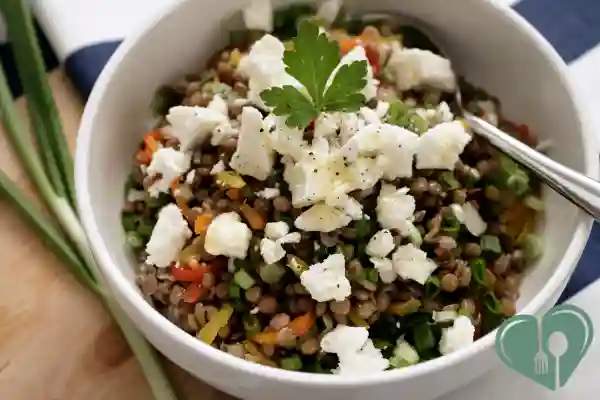
Lentil salad not the cold, sad kind. Warm lentils tossed with greens, chopped tomato, cucumber, a bit of lemon and olive oil. Add something crunchy pumpkin seeds, whatever you’ve got.
It’s light, but it lasts. No nap needed.
Snack
Cucumber and hummus. Nothing more. Keeps you grounded, not grazing.

Dinner
Chickpea and cauliflower curry, over brown rice. Side of garlicky greens. Feels like comfort food without the crash.

Dessert (if you’re still hungry)
A scoop of plain yogurt (or coconut if dairy’s out), cinnamon, chopped walnuts.
Not sweet-sweet but it hits that end-of-day note without messing up your numbers.

This isn’t a blueprint. It’s a rhythm. Swap things out. Make it yours. Just don’t let the label “vegetarian” fool you structure still matters.
Looking for more recipes like these?
Check out our curated collection of Vegetarian and Plant-Based Recipes for Diabetic Dinners simple, satisfying, and built to keep your numbers steady.
FAQs
A vegan diet can work for insulin users, but the doses might shift. Less animal fat and more fiber can change how your body absorbs carbs which might mean your insulin needs go down. But that’s not something to guess at. It’s something to talk over with your doctor as your meals shift.
Protein is rarely a problem unless you’re barely eating. Most people need around 0.8 grams per kilo of body weight, more if you’re older or active. That’s doable with legumes, tofu, tempeh, nuts, and whole grains but only if they’re showing up in every meal.
As for soy don’t overthink it. Tofu, tempeh, and edamame are all solid. They’re minimally processed, low GI, and easier on your system than most meats. If your only soy source is sugary soy milk or deep-fried tofu, sure, maybe reconsider. But the basics? Safe and useful, especially in a plant-based diabetic routine.
Fruit sometimes gets a bad rap too. The sugar is real, yes but context matters. Whole fruit, eaten with a meal, is different from juice or dried versions. Berries, apples, citrus most of them fit just fine, as long as you’re watching the timing and pairings.
Why a Vegetarian Diet for Diabetics Is More Than Just Safe It Can Be Transformational
Going vegetarian with diabetes isn’t about chasing an identity or following a trend. It’s about choosing a way to eat that feels steadier physically, emotionally, metabolically. For some, dropping meat brings freedom. For others, it’s just another tool not a fix, but a shift that helps tilt the numbers in the right direction.
The science backs it. But more than that, the experience of people who’ve done it who’ve figured out how to pair lentils with greens, how to read their energy after a meal, how to make a plate without relying on meat tells its own story.
It won’t be perfect out of the gate. There’ll be days when a meal doesn’t sit right, when blood sugar does something weird, when you wonder if it’s even working. That’s normal. That’s learning.
But if you stick with it and build meals with intent, not guesswork a vegetarian diet can be more than safe for diabetics. It can be satisfying, sustainable, and quietly transformative.

Sami Ahmed is a Diabetes Nutrition Coach at The Diabetic Recipes. He blends science with everyday cooking to create meals that stabilize blood sugar without sacrificing taste. Sami’s passion lies in helping people with diabetes enjoy food confidently — one balanced, flavorful recipe at a time.