
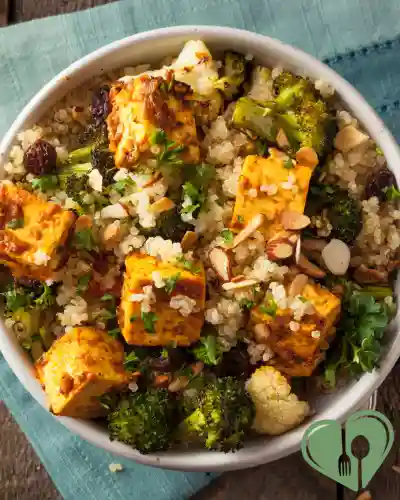
The Truth About Vegetarian Diabetic Dinner Recipes (and Why You Need Better Ones)
Vegetarian diabetic dinner recipes are everywhere and yet, somehow, most of them don’t work. Either they overload you with carbs, taste like someone forgot the seasoning, or require a master’s degree in meal prep.
If you’ve tried to make plant-based eating fit with diabetes management, you’ve probably hit that wall. The “is this actually healthy?” wall. The “why am I still hungry?” wall. Or worse the blood sugar rollercoaster that makes you question if dinner was even worth it.
Curious if a full vegetarian lifestyle is actually sustainable with diabetes? Can Diabetics Thrive on a Vegetarian Diet?
Here’s the good news: it doesn’t have to be this way.
When built right, vegetarian diabetic dinner recipes can do more than just “fit the rules.” They can nourish your body, calm inflammation, balance your glucose, and still feel deeply satisfying like something you’d make even if you weren’t trying to eat a certain way.
This guide is here to show you how. You’ll get five solid, go-to meals that don’t spike your blood sugar or your stress levels, a flexible dinner plan for the week, a smart grocery list, and simple tricks to adapt the meals to your life not the other way around.
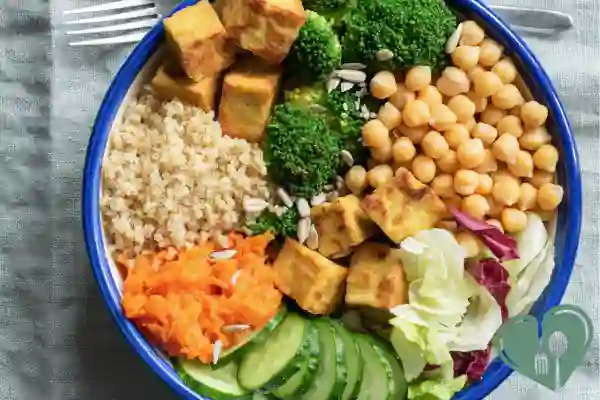
Why Plant-Based Eating Supports Blood Sugar Control
There’s a point in every diabetic journey where food stops feeling simple. You look at a plate and don’t just see dinner you see a forecast. Spikes. Crashes. A1C numbers. And honestly, it gets exhausting.
But here’s where plant-based meals quietly change the equation. They don’t just fill you up they slow things down. Foods rich in fiber and complex carbs lentils, chickpeas, kale, even barley take their time moving through the body. That slow roll helps keep your glucose curve from acting like a rollercoaster.
And it’s not just about numbers. There’s this grounded, calm feeling that starts to show up when your meals stop ambushing you. No sudden fatigue. No brain fog after dinner. Just steady energy and maybe even a little clarity.
The irony? The more “natural” your plate looks, the more control you get. Non-starchy veggies and plant proteins like tofu or tempeh let you eat with volume and intention. You’re full, satisfied, and this matters not stuck overthinking every bite.
Why It Matters (Beyond the Science)
- Post-meal glucose levels stop swinging
- Inflammation often fades without fanfare
- Cravings cool off especially at night
- A1C improves when your routine does
- And the whole process starts to feel… less clinical
People notice the difference faster than they expect. Not in the charts, at first but in the mirror. The sleep gets better. The brain slows down, in a good way. And dinner, oddly enough, becomes the part of the day that feels most like yours again.
How to Build a Balanced Vegetarian Diabetic Dinner
Let’s be real eating plant-based with diabetes isn’t always intuitive. Some days, you throw together a “healthy” bowl, only to crash two hours later. Other times, you overthink every bite. The trick isn’t perfection. It’s knowing how to build meals that cooperate with your body not challenge it.
Balance here doesn’t mean bland. It means anchoring your plate with slow carbs, protein, fiber, and fat not for the sake of macros, but so you can stop second-guessing your dinner halfway through.
Start with a complex carb that sticks not spikes. Add something with protein weight. Fill out the rest with vegetables that do more than just sit there. Then and this matters don’t skimp on flavor or fat. Your body doesn’t just need fuel. It needs calm. Stability. Satisfaction.
A Quick Breakdown That Works in Real Life
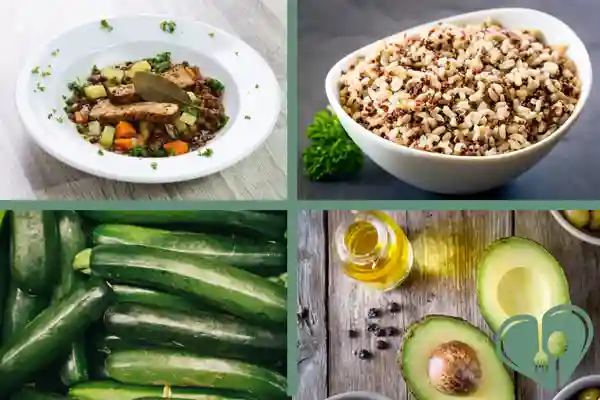
Start with your proteins tofu , tempeh, lentils, beans , or a handful of seeds. They steady the meal, and you.
Need help picking the right ones for blood sugar control? Best Plant-Based Proteins for Managing Diabetes
Layer in smart carbs like quinoa, steel-cut oats, barley, or legumes. Not flashy, just functional. They digest slowly, and that’s the point.
Fill out your plate with vegetables spinach, cauliflower, zucchini, eggplant the kinds that bulk things up without blood sugar backlash.
Then add the fats that help avocado, olive oil, tahini, or ground flax. They smooth out the ride. Literally.
Finally, sprinkle in the natural helpers turmeric, cinnamon , a dash of vinegar. Small but mighty.
The goal? A meal that doesn’t just check boxes. One that lets you eat, feel good… and move on.
Top 5 Vegetarian Diabetic Dinner Recipes That Actually Work
If you’ve been living the plant-based diabetic dinner life for a while, you already know: it’s not the recipes that are hard to find it’s the ones you’ll actually make twice. The ones that don’t spike your blood sugar or bore you into reaching for toast later.
These five aren’t revolutionary. But they’re reliable. They fill you up, hold steady, and honestly taste good. Which is more than most “diabetic-friendly” recipes can promise.
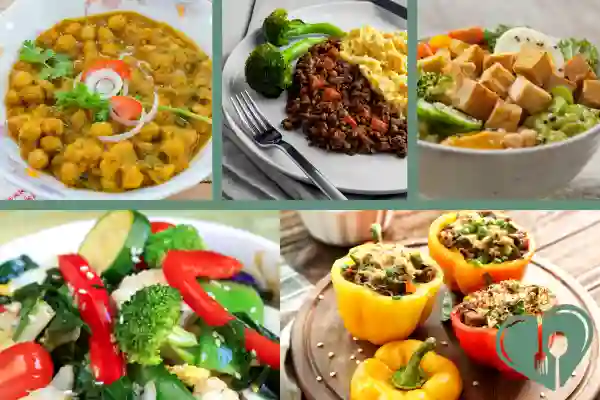
1. Chickpea & Spinach Coconut Curry
It’s soft, warm, just spiced enough. Chickpeas keep things grounded, spinach gives it weight, and coconut milk rounds it all out. There’s turmeric in there too, but not in a “look at me I’m healthy” kind of way more like a quiet background note.
Honestly, it’s hard to mess this one up.
2. Lentil Shepherd’s Pie
It’s humble, but filling. Lentils hold everything together, and mashed cauliflower on top makes it feel hearty without putting you to sleep after. There’s no mystery here just warm, soft, savory food that makes sense on cold nights or long days.
Leftovers? Better than the original. Somehow.
3. Grilled Tofu Bowl with Sweet Potato & Tahini
This one doesn’t try to impress it just works. Crispy tofu, roasted sweet potato, wilted kale, and a drizzle of tahini-lemon sauce that somehow makes everything better. It’s quiet, solid food. Easy to meal prep, easy to like.
You could eat this three nights in a row and not complain.
4. Zucchini Noodle Stir-Fry with Tempeh
This one’s fast. Like, weeknight meltdown fast. Toss zoodles with pan-fried tempeh, throw in some broccoli, sesame oil, tamari and you’ve got dinner in 15. Maybe 20 if you’re feeling slow. It’s light but weirdly filling, and you get that takeout-style flavor hit without the regret.
Add red pepper flakes or don’t. It’s flexible.
5. Quinoa & Black Bean Stuffed Peppers
This one’s easy to like. Quinoa, beans, onion, lime stuffed into a pepper and roasted until the edges go a little dark. It looks colorful, tastes solid, and doesn’t leave you hunting for snacks later.
And if there’s avocado? You already know what to do.
5-Day Vegetarian Diabetic Dinner Plan (Under 45g Net Carbs)
Meal planning with diabetes can feel like walking a tightrope especially if you’re also trying to keep things plant-based. But here’s the quiet truth: once you have a handful of go-to meals that hit your numbers and actually taste good, the pressure lifts.
This 5-day dinner plan is designed to do exactly that. No wild ingredients. No blood sugar surprises. Just real food, spaced out through the week to give you variety, balance, and a bit of breathing room.
Each meal aims for:
- Under 45g net carbs
- Between 15–25g of plant-based protein
- Solid fiber, slow digestion, and no post-meal crashes
Weekly Plan
Monday
Chickpea & Spinach Coconut Curry
- Serve with a ½ cup of cooked quinoa or skip it if you’re feeling full
- ~38g net carbs, 18g protein
Tuesday
Grilled Tofu Bowl with Sweet Potato & Tahini
- Includes kale or greens, ~½ cup roasted sweet potato
- ~42g net carbs, 22g protein
Wednesday
Lentil Shepherd’s Pie
- With mashed cauliflower topping no starch-heavy base
- ~35g net carbs, 20g protein
Thursday
Zucchini Noodle Stir-Fry with Tempeh
- Light, fast, and flexible add greens or shredded cabbage
- ~28g net carbs, 21g protein
Friday
Quinoa & Black Bean Stuffed Peppers
- Includes ½ cup cooked quinoa and one full pepper
- ~40g net carbs, 19g protein
You can swap days around, double-batch some meals, or sub in leftovers if life gets messy because the goal isn’t perfection. It’s consistency that works.
Diabetic-Friendly Grocery List for Plant-Based Cooking
This isn’t a “superfood” haul. It’s a practical, plant-based list built for real diabetic dinners the kind that don’t spike your sugar, don’t take 90 minutes to prep, and don’t leave you standing in the kitchen wondering what to make.
Stock these once, and you’ll be set to throw together solid, balanced meals all week. No second trips. No wasted produce.
Proteins That Hold You
- Firm tofu (2 blocks if you cook often)
- Tempeh (start with 1 pack, see how you feel)
- Lentils dry or canned, whatever fits your pace
- Chickpeas or black beans canned is fine
- Chia seeds or flax for fiber, not just smoothies
Vegetables That Pull Their Weight
- Spinach or kale whichever you’ll actually use
- Zucchini (2–3)
- Bell peppers (3–4)
- Sweet potatoes (grab 3 medium)
- Cauliflower (a head or a bag of frozen)
- Broccoli (a crown or two)
- Onion + garlic (always, always)
Pantry Staples That Show Up Every Night
- Quinoa
- Brown rice or barley
- Coconut milk (unsweetened, canned get two)
- Olive oil or avocado oil
- Tahini
- Tamari or low-sodium soy sauce
- Apple cider vinegar
- Spices you’ll lean on: turmeric, cumin, garlic powder, smoked paprika, cinnamon
Extras That Make Life Easier
- Avocados (if the price isn’t rude)
- Lemons or limes (for freshness)
- Nutritional yeast (if you like that nutty-cheesy vibe)
- Unsweetened plant yogurt (plain, no vanilla)
- Frozen cooked rice or lentils (for nights when you just… can’t)
That’s it. No fluff. Just ingredients that work with your blood sugar and don’t waste your time.
Substitutions & Variations for Common Dietary Needs
Everyone says “just swap what you need,” like it’s easy. But if you’ve ever stood in front of the fridge with a block of tofu you don’t want to eat, a recipe that assumes you’re fine with barley, and blood sugar to think about you already know: swaps matter. They’re not side notes. They’re how people actually eat.
Here’s how I bend the rules so plant-based diabetic dinners stay doable and yes, still delicious even when the default ingredients don’t fit.
Can’t do gluten?
You’re in luck most of these meals already avoid it without trying. The one exception is soy sauce, but that’s an easy fix: swap in tamari or coconut aminos. Barley? Just don’t. Quinoa and brown rice hold the line just fine. No drama.
Watching your salt?
I’ve been there. Canned beans? Look for the no-salt-added ones (they’re not even hard to find anymore). Skip anything pretending to be “plant-based meat” they’re loaded with sodium and weird aftertastes. Let your food get loud with spices, vinegar, and citrus. Salt can take a back seat if you’ve got flavor doing the heavy lifting.
Not vibing with tofu or tempeh right now?
Totally normal. I go through tofu fatigue like clockwork. What helps: leaning into lentils, chickpeas, or even a scoop of hemp seeds. Need something with texture? Roast chickpeas until they crunch or smash them into a skillet patty. No tofu required.
Nut allergy in the mix?
Easy fix. Cashew sauces are great until they’re not. Switch to tahini or sunflower seed butter. Still creamy, still rich, no epi-pen required. For crunch, throw sunflower or pumpkin seeds on top. Done.
Burned out and need shortcuts?
Honestly? Roast one tray of veggies. Cook a pot of lentils. Keep a container of quinoa or brown rice in the fridge. Mix, drizzle something on top, done. Sometimes dinner is just “assembled” and that’s fine.
What if none of the usual swaps work for me?
Then don’t use them. The point isn’t to force substitutions it’s to make meals yours. Don’t feel bad about repeating what works. If you’re eating in a way that keeps your sugar steady, your energy up, and your brain off food stress you’re doing it right.
FAQs About Plant-Based Diabetic Eating
These aren’t the kind of questions you Google once and forget. They’re the ones that come up again and again standing in the grocery aisle, rethinking your dinner, or trying to figure out if oatmeal is a mistake. So here’s the truth, no nutrition degree required.
Can I still eat fruit?
Yeah just not all of it, all at once. Berries, citrus, and apples are your safest bets. They’ve got fiber, they digest slow, and they don’t hit you like a freight train. Bananas, grapes, dried fruit? Not off-limits, but tread lighter. Blood sugar doesn’t care how “natural” something is it cares how fast it hits.
Tofu vs. beans which is better?
Neither is perfect. Both are solid. Tofu has less carbs, which makes it a smoother ride for your numbers. But beans bring fiber, texture, and fullness if you pair them right. Rotate. Don’t pick a side. Let your body tell you what sits best.
Do I need to take supplements if I’m eating plant-based and diabetic?
Probably and that’s not a sign you’re doing it wrong. Some nutrients are just hard to hit on plants alone. B12’s a must. Omega-3s and iron might be smart too, depending on how your labs look. A dietitian can help, but so can regular bloodwork and a little self-awareness.
What about carbs? Am I eating too many?
The question isn’t “too many” it’s how they’re built. A plate of roasted sweet potato, lentils, and greens hits different than white bread and juice. When your carbs come with fiber, protein, and fat? You’re managing it, not dodging it. That’s the goal.
Still unsure? That’s normal. You’re not trying to eat perfectly. You’re just trying to feel better, one dinner at a time.
Final Thoughts on Living with Vegetarian Diabetic Dinner Recipes
This isn’t about chasing perfect blood sugar every night. It’s about finding a way to eat that feels good, that works, that you can actually stick with. Vegetarian diabetic dinner recipes aren’t just some niche diet box to check they’re real meals that leave you full, stable, and not constantly thinking about what’s next.
You’ve got the recipes, the grocery list, the swaps, and the rhythm. Use them how they make sense for you. Repeat what works. Leave what doesn’t. This isn’t a plan you follow it’s one you make your own.
Dinner doesn’t have to be the hard part anymore.

Dreena shares balanced, diabetes-friendly recipes made for real life—simple, nourishing, and full of flavor. Her kitchen is where health meets heart.