

Most weeknights feel the same. You walk into the kitchen tired, a little hungry, and already thinking about cleanup. If you manage diabetes, there is another layer too. You want dinner to be fast, but not risky. Filling, but not something that sends your blood sugar on a roller coaster later.
This 15-minute garlic lemon chicken skillet came out of that exact place. It is the kind of meal you make when you want real food, not a project. Chicken cooks quickly, garlic brings comfort, and lemon wakes everything up without adding sugar. It tastes like a normal dinner, which is kind of the point.
I like recipes like this because they do not ask much of you. No marinades that need hours. No sauces with mystery ingredients. You season the chicken, heat the pan, and dinner starts to smell good almost immediately. That alone lowers the stress level a bit.
This also fits naturally into the world of Easy Diabetic Dinner Recipes. It is protein forward, light on carbs, and satisfying enough that you are not hunting for snacks an hour later. It works just as well for a quiet solo dinner as it does for feeding people who are not thinking about blood sugar at all.
If you are looking for a quick weeknight chicken recipe that feels safe and still enjoyable, this one earns a spot in your rotation. Let’s talk about why it works so well for diabetes, and how to make it without overthinking it.
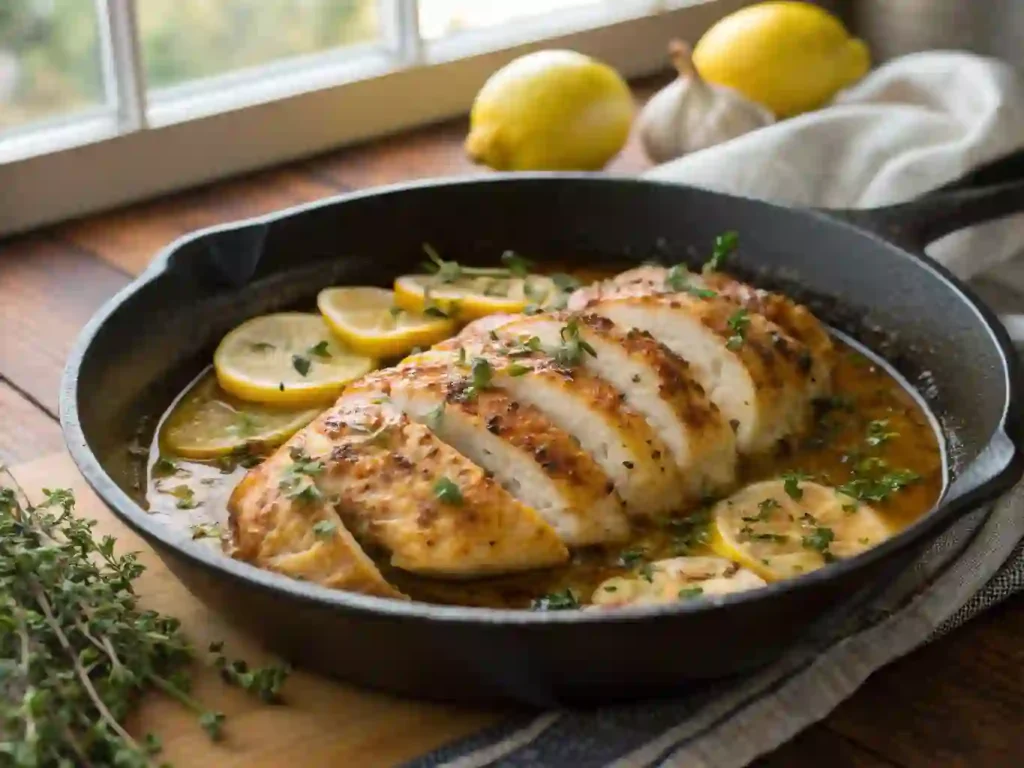
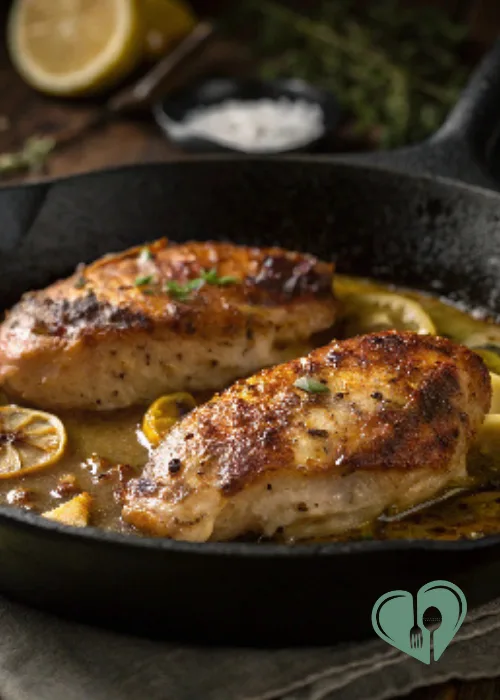

15 Minute Garlic Lemon Chicken Skillet
Ingredients
Equipment
Method
- Pat the chicken dry and season both sides with salt and black pepper. Set it aside for a minute.
- Heat the olive oil in a large skillet over medium to medium high heat until it looks loose and hot.
- Add the chicken to the skillet in a single layer. Do not crowd the pan. Cook for a few minutes without moving it until the bottom is golden.
- Flip the chicken and cook the other side until cooked through and lightly browned
- Reduce the heat slightly and add the garlic to the pan. Stir it around for about 30 seconds, just until it smells good.
- Squeeze the lemon juice into the skillet. Let it bubble and loosen the browned bits on the bottom.
- Spoon the pan juices over the chicken and remove from heat.
- Let the chicken rest for a minute or two, then serve.
Why This Chicken Dinner Works for Diabetes
Dinner hits different when you are managing diabetes. You are not just hungry. You are also thinking ahead. How will this land later. Will you feel fine or regret it while brushing your teeth at night. This 15-minute garlic lemon chicken skillet works because it keeps things simple in a way your body usually appreciates.
“That is exactly what makes it one of those Easy Weeknight Diabetic Dinners people come back to again and again.”
The base of the meal is chicken and that matters more than people give it credit for. Protein digests slowly and helps keep blood sugar steadier compared to carb heavy dinners. When chicken is the main focus of the plate you are less likely to see those sharp spikes that come from pasta rice or bread based meals. It is filling too which means you stop eating when you are actually satisfied, not when the plate is empty.
There is also fat here and that is a good thing. Olive oil helps with flavor, but it also slows digestion just a bit. That slower pace can mean a gentler rise in blood sugar. Nothing dramatic, just more predictable. Predictable is underrated when you are trying to feel normal after dinner.
Why garlic and lemon are safer than they sound
Garlic does a lot of work in this recipe and none of it involves sugar. It adds depth, warmth, and that familiar savory smell that makes food feel comforting. It does not meaningfully raise blood sugar, even in generous amounts. You can be confident using it without doing mental math.
Lemon sometimes worries people. It is fruit, after all. But the amount used here is small and intentional. It is there for acidity, not sweetness. A squeeze of lemon brightens the dish and makes it taste complete, which reduces the temptation to add sugary sauces. In practice, lemon is one of those ingredients that helps diabetic-friendly chicken dinner recipes feel less restrictive.
No hidden carbs, no surprises
A big reason this works is what is not included. There are no bottled sauces. No glazes. No seasoning packets with mystery ingredients. Those are usually where sugar sneaks in. This skillet relies on browning, seasoning, and timing instead. That makes it easier to trust.
Portion size also stays reasonable without effort. A piece of chicken, some pan juices, maybe vegetables on the side. It feels like a full meal not a compromise. You finish dinner feeling done, which is not always the case with lighter meals.
FAQ: Is this okay for nighttime blood sugar?
For many people yes. Because it is high in protein and low in carbs, this type of meal is often easier on nighttime blood sugar than heavier dinners. Everyone responds a little differently but this is one of those easy diabetic dinner recipes that tends to feel steady rather than disruptive.
Ingredients You’ll Need
This is one of those ingredient lists that does not make you sigh before you even start. Everything here is easy to find and probably already in your kitchen, or close enough that a quick store run will cover it. No specialty items, no labels you have to squint at.
You will need chicken first. Boneless, skinless chicken breasts work well because they cook fast and stay lean. Chicken thighs are fine too if that is what you have. They are a little richer and more forgiving, which can be nice on a rushed night. Either way, this stays solidly in the lane of a low-carb skillet chicken that fits into most diabetes friendly plans.
Garlic is next, and yes use real garlic if you can. Fresh cloves give you more flavor and that cozy smell that makes the kitchen feel alive. Pre-minced garlic from a jar works in a pinch. I have used it plenty of times. Just know the flavor is a little softer.
Lemon is doing more work than it looks like. You want fresh lemon juice if possible. Bottled lemon juice is okay, but fresh gives you a cleaner, brighter finish. You will also want a bit of lemon zest if you feel like it. That part is optional. Some nights I skip it and nothing falls apart.
Here is the basic list:
- Boneless, skinless chicken breasts or thighs
- Fresh garlic cloves
- One lemon (for juice, zest optional)
- Olive oil
- Salt
- Black pepper
That is it. No sugar. No flour. No hidden starches. That simplicity is what keeps this squarely in the world of easy diabetic dinner recipes.
“If you like the idea of keeping everything in one pan with vegetables built right in, One-Pan Chicken & Zucchini Dinner is another simple option that follows the same low-carb approach.”
Ingredient swaps that still work
If you are out of olive oil avocado oil works fine. It has a neutral flavor and handles heat well. Butter can also be used, though I usually keep it to a small amount if blood sugar stability is the goal.
If fresh lemon is not happening tonight, bottled lemon juice will still get you there. Use a little less at first and taste as you go. Acidity is personal and it is easy to overdo it when you are tired.
Seasoning can stay basic. Salt and pepper are enough. If you want more dried oregano or thyme fits nicely without adding carbs. Avoid spice blends that include sugar or cornstarch. They sneak in more often than you would expect.
Step-by-Step Cooking Instructions
This is one of those dinners where you kind of figure it out as you go. Still, it helps to have the chicken unwrapped and the garlic ready. Lemon cut too. I forget that sometimes and then I am scrambling with a knife while the pan is already hot.
Put a skillet on the stove. Medium heat maybe a touch higher. Add the oil. Let it warm up. Not smoking, just loose. While that is happening, sprinkle salt and pepper on the chicken. Both sides. If it looks uneven, it probably is, but that is fine for now.
Set the chicken in the pan. You want a sizzle. If you do not hear anything, wait a second. Do not move it right away. Let it sit. This is usually where I get impatient, but leaving it alone works better. When it looks golden underneath, flip it. Just once. Cook until it feels firm but not stiff.
Prep the chicken quickly
If the chicken is thick, deal with that first. Slice it thinner or smack it a bit. I use whatever is nearby. A pan, a bottle, my hand. It does not matter. Even thickness makes everything easier.
Also, dry the chicken before seasoning. I forget this a lot. When I remember, it really does cook better. Less water, more color. Simple.
Build flavor without sugar
When the chicken is close to done, toss the garlic into the pan. Stir it around. Watch it. Garlic turns on you fast. As soon as it smells good, squeeze the lemon right in.
The pan will hiss a little. That is fine. Let it bubble for a few seconds. The bits on the bottom loosen up and suddenly it looks like you planned a sauce. Spoon that over the chicken. Turn off the heat.
Taste it. Add salt if you want. Or do not.
Blood Sugar Friendly Tips
This part is less about rules and more about what actually helps in real life. Everyone reacts a little differently but some patterns show up again and again. You notice them after cooking for yourself long enough.
Portion size matters more than people want to admit. You do not need a mountain of chicken. A normal piece or two is usually enough. If you are still hungry after that is often a sign you need more fiber or fat on the side, not more protein piled on.
Eating speed matters too. This is boring advice, I know. But eating fast can make even a good meal feel off later. Slow down a bit. Put the fork down once or twice. It helps your body catch up to what you are doing.
If this is dinner, timing can matter. Late meals sometimes hit harder, even when carbs are low. If you eat late, keep the portion a little smaller and skip anything extra. No need to turn it into a whole thing.
One thing that helps is pairing this chicken with something green. Broccoli. Zucchini. A salad that is mostly leaves. Fiber slows things down and makes the meal feel steadier. You do not need much. Just something alongside it.
Be careful with sauces. Even good sauces. It is tempting to add a little something extra at the table. BBQ sauce, honey mustard, teriyaki. Those sneak up on blood sugar fast. This chicken does not need it. If you want more moisture, spoon more pan juice on top.
Leftovers can hit differently too. Some people notice next day meals are easier on blood sugar. Others notice the opposite. Pay attention to how your body responds. That matters more than general advice.
Easy Side Dish Pairings
This chicken does not need much next to it. That is kind of the relief here. You do not have to build a whole production around it. A simple side is enough to make it feel like a real meal.
Most nights something green is the easiest answer. Steamed broccoli, sautéed zucchini, green beans from a bag. Nothing fancy. Even frozen vegetables work and yes I use them all the time. A little salt, maybe olive oil, and you are done. These sides keep things steady and do not ask anything extra from your blood sugar.
“If green beans are already in your weekly rotation, you might also like Garlic Butter Chicken with Green Beans for a slightly richer take that still keeps things low carb and weeknight simple.”
If you want something cold, a basic salad works well. Leafy greens, cucumber maybe a few tomatoes if those work for you. Skip the sweet dressings. Oil and vinegar is fine. Lemon juice too, especially since it already matches the chicken. Sometimes I just toss greens with whatever is left in the lemon half and call it good.
Roasted vegetables are another solid option if you have the time. Cauliflower, Brussels sprouts, asparagus. They all play nicely with garlic and lemon flavors. Roast them earlier or use leftovers. This does not have to happen all at once.
If you do include carbs keep them small and intentional. A little quinoa. A small serving of lentils. Maybe half a roasted sweet potato. Some people do fine with that, especially when it is paired with protein. Others do not. This is one of those places where personal experience matters more than advice.
Honestly this chicken is forgiving. You can eat it with whatever makes dinner feel complete to you that night.
“If you want something just as quick but with a different protein, you might like Quick Turkey & Veggie Stir-Fry on another busy night.”
Storage and Next Day Leftovers
This is one of those meals that actually holds up the next day, which is not always the case with chicken. If you have leftovers, let them cool a bit before putting them away. Not forever. Just until they stop steaming. Then store them in a sealed container in the fridge.
They usually keep well for about three days. After that, the texture starts to slide downhill. Still edible, just not great. I try to eat it within a day or two so it still feels like something I want, not something I am forcing myself to finish.
Reheating matters more than people think. Microwave is fine but go slow. Short bursts. Stir or flip the chicken if you can. Add a spoon of water or any leftover pan juice before reheating. That little bit of moisture helps a lot. Dry chicken the next day is just sad.
A skillet works too if you have a few extra minutes. Medium low heat. A little oil. Cover the pan for a minute so it warms through without drying out. This is my favorite way if I am home for lunch and not rushing.
Leftovers can also feel different blood sugar wise. Some people notice reheated meals hit more gently. Others do not. Pay attention to your own patterns. There is no universal rule here.
FAQ: Can I eat this cold?
Yes. It is actually pretty good sliced over a salad straight from the fridge. No reheating, no extra steps. That is one of those small wins on a busy day.

FAQs
How many carbs are in this?
Not many. The chicken itself has basically none. Garlic and lemon add a small amount, but it is minimal. For most people, this lands very low carb and feels pretty predictable. I would still say how you serve it matters more than the chicken itself. What goes next to it can change everything.
Can I swap the chicken for something else?
Yes Chicken thighs work great and are harder to overcook. Turkey cutlets also work, though they cook even faster so watch them. I would not use breaded anything or pre seasoned meats. Those usually bring sugar or starch along with them. Plain is better here.
What is a good portion size?
This depends, which is probably not the answer anyone wants. For most people, one normal sized chicken breast or a couple of thighs is enough. If you are very hungry, add more vegetables instead of more chicken. That usually feels better later. Bigger portions are not always the problem, but they can be.
Can I make this ahead of time?
You can, but I would not cook it too far in advance. It is best fresh or next day. If you are meal prepping, this works better as a short term option, not something you forget in the fridge for five days.
Is this okay if my blood sugar has been unpredictable?
A lot of people use meals like this when things feel off. It is simple, low carb, and does not have many moving parts. Still, bodies are weird. If something does not feel right trust that and adjust next time.
If you want, I can stop here or help clean this up just a bit without losing the messy feel.

Dreena shares balanced, diabetes-friendly recipes made for real life—simple, nourishing, and full of flavor. Her kitchen is where health meets heart.