
Let’s be honest eating healthy gets complicated when the grocery bill keeps creeping up. You want meals that fit your doctor’s advice, keep blood sugar stable and still leave room in the budget for well, life. That’s exactly where budget-friendly low-carb crockpot meals come in: simple ingredients, steady energy, and almost no kitchen stress.
The beauty of the crockpot is its quiet efficiency. You can toss in affordable proteins like turkey, pork, or eggs in the morning, let it simmer through the day, and return to a meal that smells like comfort and costs less than takeout. For families and seniors on fixed incomes, it’s not just convenience – it’s a small act of control in an unpredictable economy.
In this guide, we’ll explore how to stretch your dollar and your protein. You’ll discover low-cost meat options that still deliver high nutrition, clever bulk-buying strategies, and ready-to-follow meal plans that feed two to four people for about $10 a day. And if you’ve ever felt that “low-carb” means “high-cost,” this article might just change your mind.
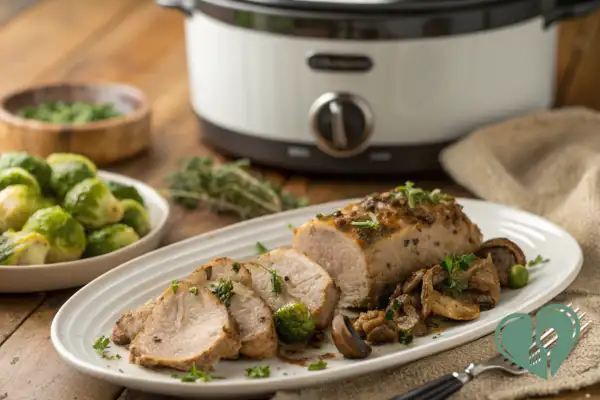
Cost-Effective Protein Sources for Low-Carb Cooking
If you’ve ever looked at the price of boneless chicken breasts and sighed, you’re not alone. Protein is the backbone of any low-carb meal plan but it’s also where most budgets start to bend. The trick isn’t cutting corners – it’s learning which ingredients quietly stretch further without sacrificing flavor or nutrition.
Why Pork and Turkey Stretch Further Than You Think
Pork and turkey are two unsung heroes in affordable low-carb cooking. Pork tenderloin, for instance, delivers nearly the same leanness as chicken but often costs 30–40% less per pound. It’s also versatile: you can slow-cook it with low-carb sauces, shred it for lettuce wraps, or mix leftovers into omelets. Turkey, especially ground or thigh cuts, does the same job at a fraction of the price – all while keeping carbs nearly nonexistent.
Eggs, of course, remain the ultimate budget protein. A single dozen can fuel breakfasts, bulk up casseroles, or transform into low-carb “egg bakes” that store well for days. When used in crockpot dishes, eggs act like both binder and booster, making small portions of meat stretch further – a quiet money-saver most people overlook.
Smart Protein Math: Getting More for Less
When you think about value, don’t just compare sticker prices – look at the cost per gram of protein.
Here’s a quick reality check:
- Eggs: Roughly 7g protein for 15¢
- Ground turkey: ~22g protein for 50¢
- Pork shoulder (slow-cooker gold): ~25g protein for 40¢
- Chicken breast: ~26g protein for 70¢
Those few cents add up quickly when feeding a family or planning weekly meals. Plus, cheaper cuts often pack more flavor once they’ve spent all day simmering in the crockpot – a culinary cheat code that turns affordability into comfort.
FAQ – Are Cheaper Cuts of Meat Still Healthy for Low-Carb Diets?
Yes – as long as you prepare them smartly. Leaner cuts like pork tenderloin or turkey breast are naturally low in fat but even slightly fattier cuts (like pork shoulder or turkey thighs) can fit a healthy low-carb diet. The key is portion balance: pair these proteins with high-fiber vegetables and moderate fats and your meal remains diabetic-friendly filling and nutritionally balanced.
Smart Bulk Shopping Tips for Families & Seniors
Buying in bulk can feel intimidating – all those oversized bags, the upfront cost, the “where will I store it all?” panic. But when it comes to eating healthy on a fixed income, bulk buying isn’t just a money-saving hack; it’s a quiet investment in peace of mind. Done right it keeps your pantry full your meals predictable, and your grocery runs far less frequent.
Buy Smart, Not Just Big
Start by thinking in weeks, not months. You don’t need to hoard – you just need consistency.
Places like Aldi, Costco, and Sam’s Club are great for staple proteins like ground turkey, eggs, and pork roasts, but don’t overlook regional grocery chains or local co-ops. Many offer senior discounts or “family value packs” you can divide and freeze. The key is to compare unit pricing – that small number on the price tag that shows cost per ounce or pound. It’s the easiest way to see which option truly saves you money.
Bulk Without Waste: Label, Rotate, Repeat
Once you’re stocked, organization becomes your best ally.
Divide bulk proteins into 1-pound freezer bags (perfect crockpot size) and clearly label them with the date. Rotate older packs to the front – “first in, first out” style. The same goes for veggies: chop and freeze peppers, onions, or broccoli in small batches. this makes low-carb cooking almost mindless on busy days, especially if arthritis or limited mobility make long prep sessions tough.
A small freezer, a Sharpie and 15 minutes once a week – that’s all it takes to build a reliable meal base that’s both affordable and stress-free.
FAQ – How Can I Keep Produce Fresh Longer When Buying in Bulk?
Try freezing or pre-prepping smart.
- Leafy greens: Wash, chop, and store in airtight bags with a paper towel to absorb moisture.
- Zucchini, peppers, and cauliflower: Slice and freeze on trays, then store in bags – they’ll stay usable for months.
- Root veggies: Store in cool, dark places; they last much longer than you’d think.
If you’ve ever felt like buying in bulk only leads to waste, this small prep ritual changes everything – less spoilage, fewer midweek grocery runs, and more steady meals without the stress.
Batch Cooking to Save Money
If you’ve ever felt like cooking from scratch every night is a full-time job, you’re not wrong. The secret isn’t cooking more – it’s cooking smarter. Batch cooking with your crockpot lets you stretch one prep session into several meals, freeing up both time and budget.
When you make a large batch once, you’re paying for energy (and effort) only once – but reaping the benefits all week long. That’s real value for families and seniors managing both tight schedules and tighter budgets.
Cook Once, Eat All Week
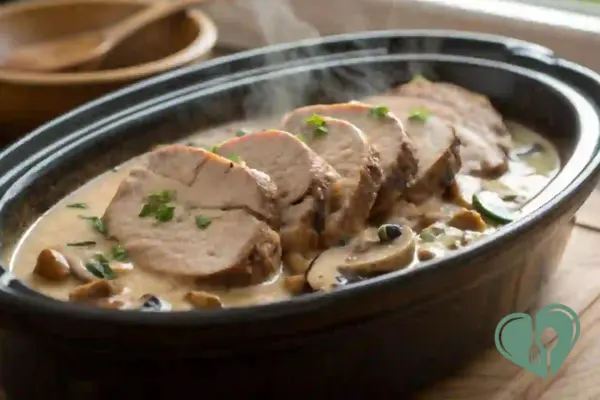
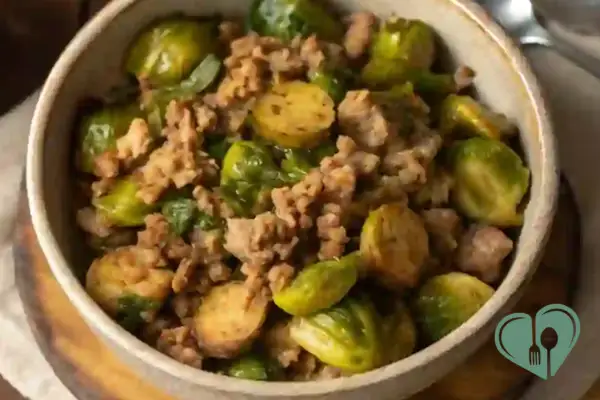
Here’s the trick: build your weekly meals around one or two base recipes that are easy to remix. For example if you’ve tried my Crockpot Pork Tenderloin with Mushrooms or Crockpot Turkey and Brussels Sprouts, you already have the foundation.
Those dishes reheat beautifully and adapt to whatever you have in the fridge.
- Shred leftover pork for low-carb tacos or lettuce wraps.
- Slice the turkey and toss it with sautéed cabbage for a quick stir-fry.
- Even the slow-cooked veggies from the turkey recipe can blend into a hearty soup base.
You’re not meal-prepping in the “plastic-container army” kind of way – you’re just letting yesterday’s flavor roll forward into tomorrow’s dinner.
Small Habits, Big Savings
Batch cooking isn’t about perfection; it’s about rhythm.
Every time your crockpot runs, it should cook enough to give you at least one future meal. Store portions in airtight containers, label with the date, and freeze anything you won’t eat within three days.
When you open your freezer later and find a ready-made low-carb dinner waiting, it’s like a small win – the kind that makes eating healthy feel possible again.
FAQ – Can You Reuse Crockpot Meals Safely After Freezing?
Yes, and that’s part of what makes crockpot meals ideal for batch cooking. Let your dish cool completely before freezing. Store it in a flat layer inside freezer bags to save space and help it thaw faster. Most crockpot proteins like turkey, pork, and beef stay fresh for up to three months when frozen properly – and taste just as comforting when reheated.
Sample $10 Low-Carb Meal Plans
Let’s be real – eating low-carb on a budget isn’t about perfection. It’s about getting through the week without feeling like you have to choose between your health and your grocery bill. i’ve been there: staring into the fridge at 6 p.m., wondering if I can turn three eggs and half a bag of Brussels sprouts into something that feels like dinner. (Spoiler: you can.)
What I’ve learned over time is that a little planning – and a trusty crockpot – goes a long way. You don’t need fancy ingredients or brand-name “low-carb” snacks. You just need a few flexible affordable staples that can work double (or triple) duty. Here’s what that looks like in real life.
My Go-To 3-Day $10 Plan
Day 1 – The Pork Tenderloin Kickoff
- Breakfast: A couple of eggs scrambled with leftover mushrooms. Simple, cozy, done.
- Lunch: A hearty serving of Crockpot Pork Tenderloin with Mushrooms – use half the batch and save the rest.
- Dinner: Shredded pork tucked into lettuce wraps with a quick cabbage slaw. Feels fresh, tastes indulgent, still under budget.
Day 2 – The Turkey & Brussels Sprout Stretch
- Breakfast: Egg muffins baked with leftover turkey bits – perfect for reheating.
- Lunch: Crockpot Turkey and Brussels Sprouts, reheated and drizzled with olive oil.
- Dinner: A simple turkey-and-veggie soup made from what’s left in the pot. You’ll barely notice it’s the same ingredients.
Day 3 – Leftover Magic
- Breakfast: Greek yogurt sprinkled with cinnamon and a handful of nuts.
- Lunch: Mix leftover pork and turkey in a quick stir-fry over cauliflower rice.
- Dinner: End the week with a crockpot egg bake using whatever’s left. It’s the kind of “clean-out-the-fridge” meal that never feels like a compromise.
Three days, about $10 a day for two people, and no fancy ingredients – just the kind of cooking that keeps life steady when everything else feels unpredictable.
Stretching Every Dollar (and Every Bite)
When I plan like this, I think less about “meal prep” and more about momentum.
Buy in bulk once portion and freeze and let your crockpot handle the hard part. Swap veggies for whatever’s in season – cabbage when Brussels sprouts are pricey, zucchini when it’s summer-cheap. And if you’ve got leftover broth or veggies? Blend them into soup. Nothing goes to waste.
What you’ll find – maybe sooner than you expect – is that $10 a day can quietly become your new normal. Not in a tight restrictive way but in a “hey, I’ve got this handled” kind of way.
FAQ – Can You Really Eat Low-Carb on $10 a Day?
Yes, absolutely. It’s not about cutting corners – it’s about cutting out confusion. When you build your meals around real food – eggs, turkey, pork, veggies – the costs stay low because you’re not paying for packaging or marketing. You’re paying for nourishment. The crockpot just makes it possible to do it without burning out in the kitchen.
Ingredient Swaps to Reduce Cost Without Losing Flavor
You know that moment when you’re halfway through a recipe and realize one ingredient costs more than the whole meal should? Yeah – been there. The good news is, most of the time, there’s a cheaper stand-in that works just as well (sometimes better). I like to think of swaps as little acts of kitchen rebellion – quiet ways of saying, “I can make this work with what I’ve got.”
Over the years, I’ve learned that eating low-carb doesn’t have to mean buying specialty ingredients or paying extra for “health” labels. You just need a few go-to substitutions that keep flavor big and costs small.
My Favorite Real-Life Swaps
- Cauliflower rice → Broccoli slaw. When cauliflower gets pricey, grab broccoli slaw. It’s crunchy, cooks fast, and somehow feels fresher.
- Zucchini → Cabbage or green beans. Zucchini can be hit or miss in price – cabbage always pulls through. It’s hearty and takes on flavor like a champ.
- Fresh tomatoes → Canned diced tomatoes. Don’t let “fresh” fool you. Canned ones taste just as rich once they’ve simmered in the crockpot – and they never go bad on you.
- Chicken breast → Pork shoulder or turkey thighs. I used to think chicken breast was the gold standard, but once you slow-cook pork or turkey, it’s game over. Juicier, cheaper, and just as lean when trimmed.
- Almond flour → Ground sunflower seeds. Works beautifully for breading or low-carb baking, and no sticker shock at the checkout.
It’s funny how these little adjustments can change the way you cook – and think. You start realizing that “cheap” doesn’t mean “less than.” It just means you’re being clever with what you have.
A Little Flavor Goes a Long Way
One more thing: don’t underestimate the power of seasoning. A sprinkle of garlic powder, smoked paprika, or even a dash of soy sauce can take a simple crockpot meal from “fine” to “wow that’s good.”
I always keep frozen onions and peppers on hand, too. They’re like flavor insurance – toss them in, and suddenly dinner feels put-together. It’s the kind of quiet kitchen magic that saves both time and sanity.
FAQ – What Are the Cheapest Low-Carb Vegetables?
If you’re stocking up, here are the heavy hitters that won’t let you down:
- Cabbage: versatile, sturdy, and endlessly forgiving.
- Zucchini: great fresh or frozen, depending on the season.
- Spinach: frozen bags are compact and full of nutrients.
- Broccoli: especially when it’s on sale or in frozen form.
In short – you don’t need a fancy grocery cart to eat well. You just need a little flexibility, a bit of planning, and a crockpot that works as hard as you do.
Conclusion: What Budget-Friendly Low-Carb Crockpot Meals Taught Me
Funny thing – when I first started cooking this way, it wasn’t about saving money or carbs. It was about exhaustion. I was tired of staring at the fridge tired of stretching one grocery trip too far, tired of feeling like healthy eating was something for people with bigger paychecks.
Then the crockpot changed things. Slowly, almost quietly.
There was no “aha” moment, just a slow shift – the kind you barely notice until one night you lift the lid, the kitchen smells amazing, and you realize you spent maybe six bucks on dinner that could feed two more days.
That’s the heart of budget-friendly low-carb crockpot meals. They make space for you to breathe. You cook once, you rest a little, and somehow the math – and the stress – stop feeling impossible.
I’m not saying it fixes everything. Groceries are still expensive. Life still gets in the way. But these meals… they give you a rhythm. Something steady to come back to when things feel stretched too thin.
So maybe tonight you just toss what you’ve got in the pot – a bit of pork, some veggies, whatever’s left. Let it do its thing while you do yours. and when you sit down later even if it’s simple, it’ll taste like something bigger: relief, comfort, maybe even a little pride.

Dreena shares balanced, diabetes-friendly recipes made for real life—simple, nourishing, and full of flavor. Her kitchen is where health meets heart.