
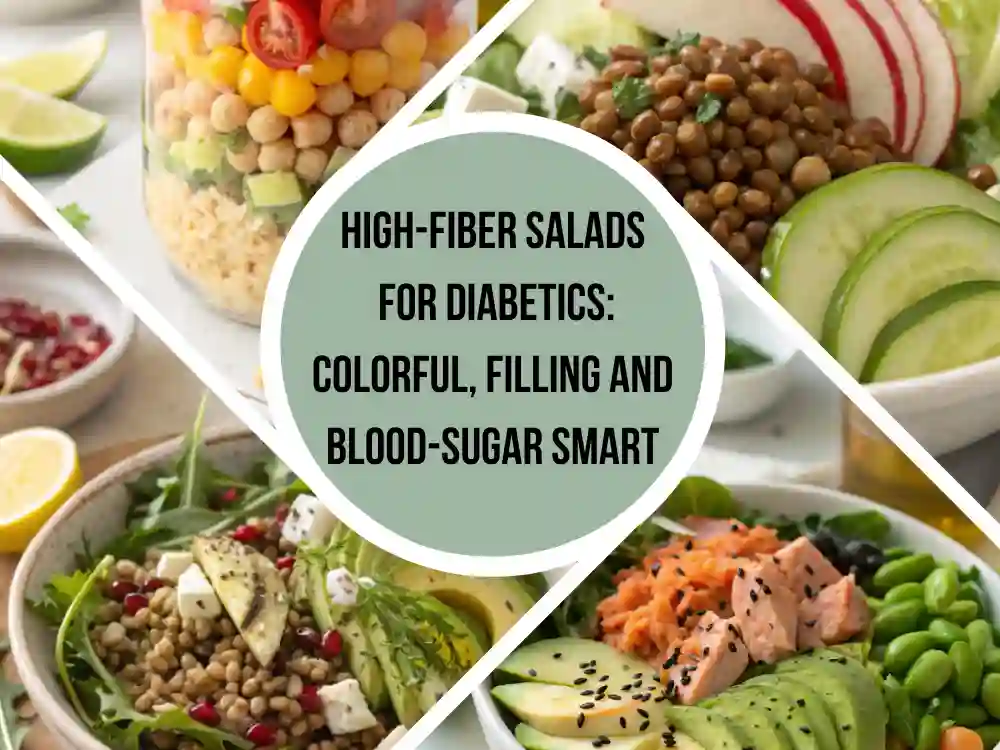
Let’s clear something up right away: most people don’t struggle with salads because they “hate healthy food.” They struggle because a lot of salads are… honestly kind of useless. A bowl of lettuce with a light drizzle of dressing might look virtuous but if you’re managing diabetes, it can leave you hungry, irritated, and staring at your glucose numbers wondering what just happened.
That’s why talking about high-fiber salads for diabetics matters. Not salads in the abstract. Not “eat more greens.” Specific salads-built with enough fiber, protein, and fat to actually behave like a meal in your body. The kind that digests slowly keeps blood sugar steadier, and doesn’t make you feel like you need a snack fifteen minutes later.
Fiber is the quiet lever here. It doesn’t get the same attention as carbs or sugar, but it changes everything behind the scenes. It slows how quickly carbs hit your bloodstream, softens spikes, and-this part gets overlooked-helps you feel mentally satisfied. There’s a big difference between being full and feeling done eating. Fiber helps with the second one.
And no, this isn’t about turning every salad into a science project. It’s more like learning a few reliable patterns. Beans paired with greens. Whole grains used intentionally, not feared. Seeds and healthy fats doing more than just adding calories. Once you see how these pieces work together, salads stop feeling random-and they stop feeling risky.
In this guide, we’ll break down why salads can be such a smart choice for diabetes when fiber is prioritized, share salad combinations that actually hold up in real life, and show you how to build your own without overthinking it. No perfection required. Just better structure, better outcomes, and food that works with your blood sugar instead of against it.
Why Salads Are Perfect for Diabetes (When Fiber Leads the Way)
Salads get recommended for diabetes so often that the advice almost loses meaning. But there is a real reason they work-when they’re built correctly. A well-constructed, high-fiber salad slows digestion, stretches fullness and makes blood sugar behavior more predictable. Not perfect. Not flat-line ideal. Just… calmer. And for day-to-day diabetes management, that calm matters more than food “rules.”
What trips people up is assuming all salads are metabolically equal. They aren’t. The magic isn’t the lettuce-it’s the fiber density and how that fiber interacts with carbs, fat and protein. When those elements show up together salads stop acting like side dishes and start acting like real meals.
Low Glycemic Load (Without Micromanaging Carbs)
One of the biggest advantages of fiber-rich salads is their naturally low glycemic load. That doesn’t mean “low-carb” by default-it means the carbs that are there enter your bloodstream more slowly. Beans, lentils, intact whole grains, vegetables and even some fruits come packaged with fiber that physically slows glucose absorption.
This is why a salad with chickpeas and farro can behave better than a sandwich with the same carb count. The structure is different. Fiber changes the pace. Add healthy fats like olive oil or avocado, and the slowdown becomes even more noticeable. Many people find their post-meal numbers rise more gently-and fall more gently too.
Easy to Pack With Fiber (Without It Feeling Forced)
Salads make fiber easy in a way few meals do. You’re not sneaking it in or relying on supplements. It’s built right into the ingredients:
- Beans and lentils
- Seeds and nuts
- Vegetables with texture (not just leafy greens)
- Whole grains that stay intact
Because salads are modular you can layer fiber sources without everything tasting heavy. A scoop of lentils here, seeds there, roasted vegetables underneath-it adds up quickly. And unlike fiber powders, this kind comes with volume, chew, and satisfaction.
Great for Weight Management-Without Diet Energy
Weight management often matters for diabetes, but “diet food” usually backfires. High-fiber salads help because they let you eat more food not less. Fiber adds bulk and slows hunger signals, which can naturally reduce grazing and late-night snacking-without white-knuckling it.
There’s also a mental piece here. When meals feel abundant and varied, adherence improves. People stick with what feels livable. Salads that actually fill you up tend to stay in rotation longer than meals that feel like obligations.
FAQ: Why Do Some Salads Still Spike Blood Sugar?
Short answer: lack of balance.
Salads that spike blood sugar usually lean too hard on one element-fruit-only, grain-heavy, or greens without enough protein or fat. Fiber needs backup. When carbs are paired with protein and fat the glycemic response is steadier. It’s not about avoiding ingredients-it’s about structuring them.
High-Fiber Diabetes-Friendly Salad Recipes That Actually Satisfy
This is where salads usually fall apart in real life. The idea sounds good, but the execution feels repetitive-or worse, unsatisfying. So instead of listing “healthy salads” in the abstract let’s talk about specific high-fiber salad combinations for diabetics that tend to work well in practice. These aren’t novelty meals. They’re the kind you can rotate through a week without burnout.
Each one leans on fiber plus structure-meaning carbs are buffered hunger stays quieter, and the meal doesn’t feel like a placeholder until dinner.
Spinach Salad with Sweet Potatoes & White Beans
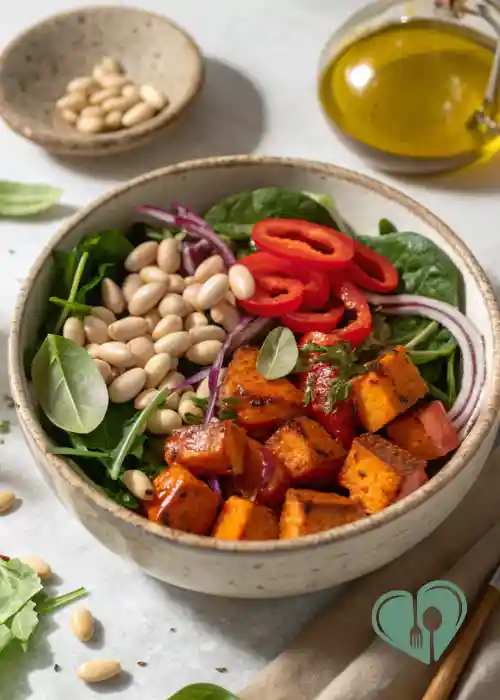
This one surprises people. Sweet potatoes sound risky, but paired with fiber-rich white beans and a generous bed of spinach, they behave very differently than they would alone. The beans slow digestion, the spinach adds volume without carbs and a simple olive oil–based dressing ties it together.
Why it works:
- Beans + sweet potatoes = slow-release carbs
- High fiber per bite, not just per bowl
- Warm elements increase satiety (this matters more than we admit)
This is a great option for lunch on days when cold salads just don’t cut it.
Mixed Greens Salad with Lentils & Apple
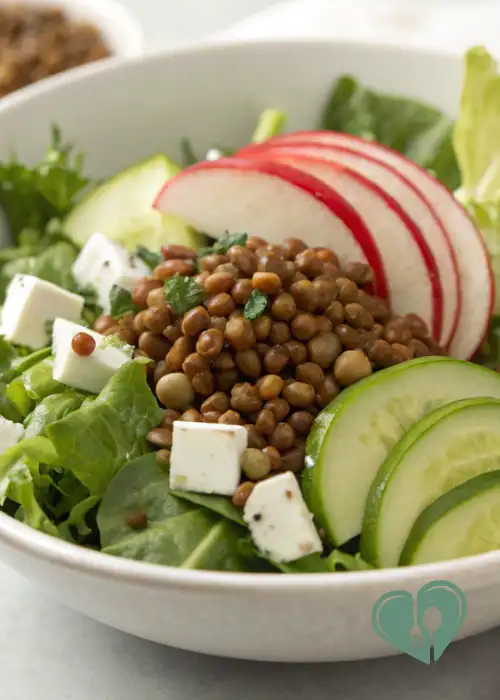
Yes-apple. And no, this doesn’t automatically equal a spike. Lentils bring serious fiber and protein, which soften the impact of the fruit’s natural sugars. If you tend to do better with plant-forward or Mediterranean-style meals, combinations like this show up often in Mediterranean & plant-based high-fiber lunches for diabetics. The key is portioning the apple as an accent, not the base, and pairing it with something savory (think mustard vinaigrette or walnuts).
Why it works:
- Lentils stabilize the entire bowl
- Crunch + sweetness improve satisfaction
- Fiber-to-carb ratio stays favorable
This salad tends to feel mentally satisfying, which reduces post-meal snacking.
Tuna or Salmon Salad with Beans & Seeds
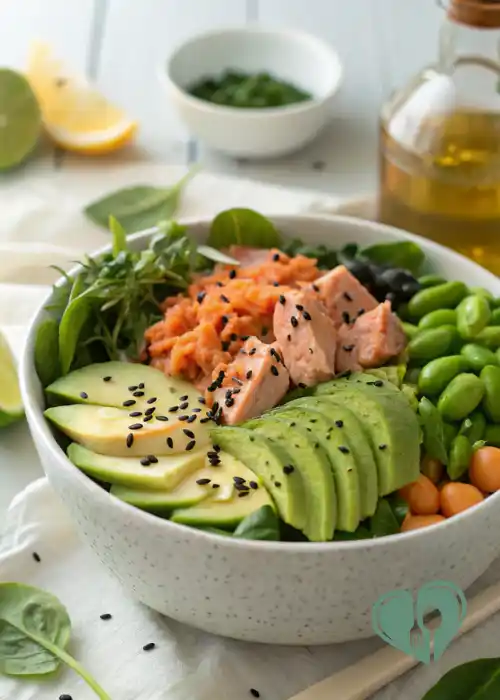
If blood sugar stability is your top priority, this one is hard to beat. Fatty fish provides protein and omega-3s, while beans and seeds add fiber without pushing carbs too high. It’s dense, filling and doesn’t rely on grains at all.
Why it works:
- Protein-forward with fiber backup
- Minimal glycemic volatility
- Excellent for dinner or late lunches
It’s also one of the most forgiving salads for glucose variability days.
Farro, Arugula, Artichoke & Pistachio Salad
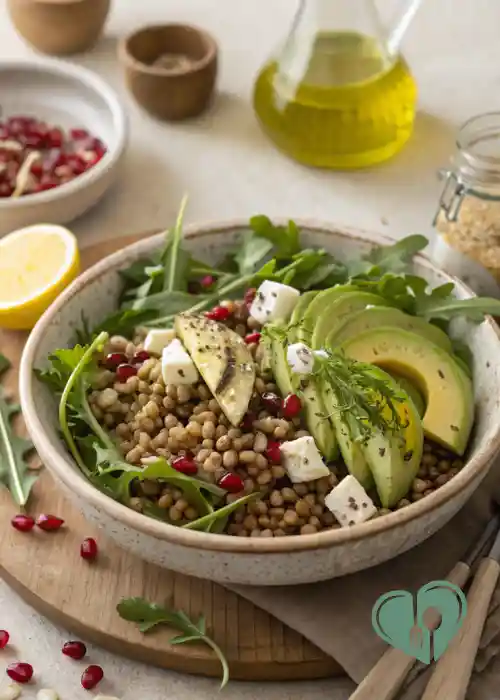
Farro is an intact whole grain, which means it digests slower than refined grains. Combined with peppery arugula, fibrous artichokes, and a small handful of pistachios, it creates a salad that feels almost… indulgent.
Why it works:
- Intact grain = slower glucose rise
- Nuts add fat and fiber
- Strong flavors reduce overeating
This one’s ideal when you want something hearty without heaviness. If you tend to prefer meals that feel more structured and bowl-style, grain-based lunches like high-fiber lunch bowls for diabetics often work even better for blood sugar than loose salads.
Chickpea Quinoa Jar Salad
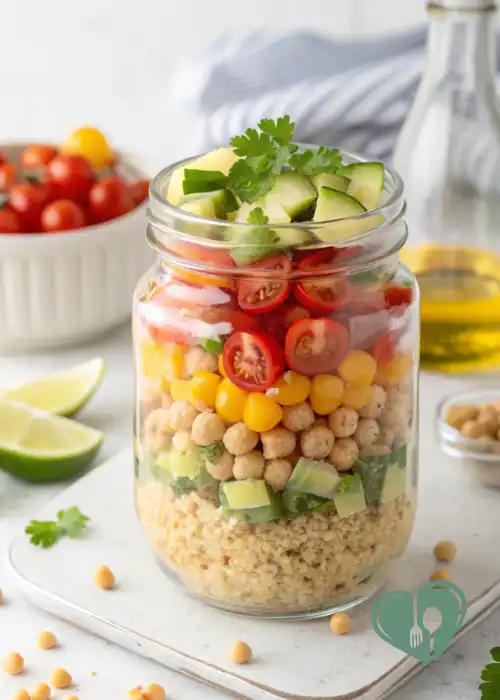
Jar salads get mocked, but when layered properly, they’re practical. Chickpeas and quinoa together provide fiber and protein, while vegetables add bulk. The trick is keeping dressing at the bottom and greens at the top.
Why it works:
- Balanced macros in a portable format
- Fiber stays intact even after storage
- Great for meal prep without sogginess
FAQ: How Many High-Fiber Salads Can I Eat Per Day?
Most people do well with one to two high-fiber salads daily, depending on tolerance. If you’re newer to fiber, easing in helps prevent bloating. Pay attention to how you feel-not just your glucose numbers.
How to Build a High-Fiber Salad That Actually Feels Filling
This is the section that usually changes everything. Because once you understand how to build a high-fiber salad that works for diabetes you stop needing recipes altogether. You can look at what’s in your fridge and instinctively assemble something that won’t wreck your blood sugar-or leave you hungry an hour later. That confidence is underrated.
The biggest mental shift is this: a filling salad is built in layers, not tossed together at random. Each layer has a job. Miss one, and the whole thing feels “off.” Nail them, and the salad eats like a real meal.
Base Greens: Volume Without the Spike
Greens aren’t there to fill you up on their own-they’re there to create volume and slow everything else down. Spinach, arugula, romaine, kale, spring mix… they’re all fine. The mistake is relying only on tender greens, which collapse quickly and don’t provide much chewing resistance.
A mix usually works best:
- Tender greens for ease
- One sturdier green (kale, cabbage, radicchio) for texture
That chew factor matters. It slows eating, increases satiety signals and-subtly-helps with portion control without feeling restrictive.
Protein Choices: The Non-Negotiable Layer
If a salad doesn’t have protein, it’s a side dish. Period. For diabetics, protein isn’t just about fullness-it helps blunt glucose response.
Reliable options include:
- Beans and lentils (fiber + protein combo)
- Fish (especially salmon or tuna)
- Eggs
- Chicken or turkey
- Tofu or tempeh
You don’t need a huge amount but you do need enough that the salad doesn’t feel fragile. When protein is missing, hunger shows up fast and loud.
Fiber “Boosters”: Where the Magic Actually Happens
This is what turns a salad into a high-fiber salad for diabetics instead of just a bowl of vegetables.
Think:
- Beans or chickpeas
- Intact whole grains (farro, quinoa, barley)
- Seeds (chia, flax, pumpkin, sunflower)
- Roasted vegetables (broccoli, squash, Brussels sprouts)
You don’t need all of them-just one or two intentional choices. Fiber stacks quietly, and suddenly the salad holds you for hours.
Dressing Strategy to Avoid Hidden Sugars
Dressings are where good salads go sideways. Sweet dressings spike blood sugar fast, even in small amounts. The workaround isn’t “no dressing”-it’s simpler dressing.
A reliable formula:
- Olive oil or avocado oil
- Acid (vinegar or lemon)
- Salt, pepper, mustard, herbs
Fat slows digestion. Acid improves flavor without sugar. You end up using less dressing overall because the salad tastes complete.
FAQ: How Do I Know If My Salad Is “Balanced Enough”?
A quick check:
If you removed the greens, would the rest still feel like food?
If yes, you’re probably in a good place. If no add protein or fiber before eating.
Best Ingredients for Diabetic-Friendly High-Fiber Salads
If you want salads to work consistently for diabetes, it helps to stop thinking in terms of “recipes” and start thinking in terms of core ingredients you can trust. The ones below show up again and again in high-fiber salads for diabetics because they pull real metabolic weight. Not hypothetically-practically.
You don’t need all of them in every bowl. In fact, trying to cram everything in usually backfires. One or two solid fiber anchors, plus protein and fat, is enough.
Beans (The Fiber + Protein Anchor)
Beans are one of the most reliable salad ingredients for blood sugar stability because they combine:
- Soluble fiber (slows glucose absorption)
- Plant protein (adds satiety)
Best options for salads:
- Chickpeas
- Lentils (especially green or brown)
- White beans
- Black beans
They work especially well cold or room temp, where their structure stays intact. If beans ever spike you, it’s usually a portion or context issue-not the beans themselves.
Whole Grains (Only the Intact Ones)
Not all “whole grains” behave the same. For salads, intact grains matter because they digest slower and keep their fiber structure.
Salad-friendly choices:
- Farro
- Barley
- Quinoa
- Wheat berries
Think supporting role, not base. About ½ cup cooked is often enough to change how filling the salad feels without overwhelming your glucose response.
Avocado (Quietly Does a Lot)
Avocado earns its place because it adds:
- Fiber
- Healthy fat
- Creaminess without sugar
That fat-fiber combo helps smooth out post-meal blood sugar and makes salads feel more complete. A few slices usually do the job-no need to go heavy-handed.
Seeds (Small, Strategic Add-Ons)
Seeds are easy to sprinkle easy to forget and surprisingly effective.
Top picks:
- Chia
- Ground flax
- Pumpkin seeds
- Sunflower seeds
They add fiber, fat and texture with minimal glycemic impact. One to two tablespoons is plenty.
Quick Reference: Fiber Staples to Keep on Hand
- 1–2 types of canned beans
- 1 intact whole grain (cooked ahead)
- A bag of seeds
- Avocados or olive oil
FAQ: Do I Need to Avoid Fruit in Salads?
No-but fruit works best as an accent. Small amounts of apple, berries or citrus paired with beans, seeds, or protein tend to behave well. If fruit becomes the main ingredient, that’s when blood sugar gets unpredictable.
Meal Prep High-Fiber Salads That Don’t Get Soggy (or Sad)
Meal prep sounds great in theory. In reality? A lot of salads turn limp, watery, or weird by day two-and once that happens, motivation disappears. For people managing diabetes, that’s more than an inconvenience. It often leads to last-minute food choices that are harder to predict for blood sugar. The good news: high-fiber salads for diabetics actually prep better than most, if you respect a few structural rules.
The goal isn’t perfection. It’s durability. You want salads that still taste like food after sitting in the fridge, not something you tolerate because you “should.”
What to Store Separately (This Matters More Than You Think)
Most soggy salads fail because too many wet ingredients mingle too early. Fiber-rich ingredients hold up well-but only if they’re given the right conditions.
Store these separately until eating (or layer them intentionally):
- Dressings and sauces
- Fresh herbs
- Avocado (add day-of if possible)
- Delicate greens (spring mix, butter lettuce)
Meanwhile, these actually improve as they sit:
- Beans and lentils
- Intact whole grains (farro, quinoa, barley)
- Roasted vegetables
Those fiber-heavy ingredients absorb flavor without collapsing, which is why they’re ideal for diabetic-friendly meal prep.
Layering Tips That Preserve Texture (Especially for Jar Salads)
If you use containers or jars, layering isn’t aesthetic-it’s functional. Done right, salads stay crisp for 3–4 days.
A reliable bottom-to-top order:
- Dressing or acid (vinegar, lemon)
- Beans, grains, or roasted vegetables
- Crunchy vegetables (carrots, cabbage, radishes)
- Protein
- Greens on top
This keeps moisture where it belongs and prevents delicate ingredients from breaking down.
Temperature and Timing Tricks
Cold straight-from-the-fridge salads can feel less satisfying which sometimes leads to overeating later. A simple fix: let the salad sit out 10–15 minutes before eating, or briefly warm the grain/bean layer and reassemble. Warm fiber increases perceived fullness-no macro changes required.
Also worth noting: if you’re increasing fiber prepping in smaller batches (2–3 days) can be easier on digestion.
FAQ: How Long Do High-Fiber Salads Last in the Fridge?
Most well-layered, fiber-forward salads last 3 to 4 days refrigerated. Greens stored separately can last longer. If something smells off or turns slimy, trust that signal-fiber-rich doesn’t mean immortal.
Nutrition Snapshot: Target Macros for High-Fiber Salads
Let’s simplify this. You don’t need to weigh ingredients, track apps, or mentally calculate macros every time you make a salad. What actually helps most people with diabetes is knowing rough ranges-enough structure to avoid blood sugar surprises, without turning lunch into homework.
Think of this as a quick calibration, not a rulebook.
Fiber: The First Thing to Check
If a salad doesn’t have enough fiber, it usually won’t hold you-or your blood sugar-very well.
Aim for:
- At least 10 grams of fiber per salad
- 12–15 grams is even better if your digestion tolerates it
You’ll usually hit this when your salad includes one solid fiber anchor (beans, lentils, intact grains, or seeds) plus vegetables. If your salad feels “light” or you’re hungry soon after, fiber is often what’s missing.
Protein: What Makes It a Meal
Protein is what turns a salad from “technically food” into actual lunch or dinner.
A simple target:
- A palm-sized portion of protein
- Roughly 20–30 grams, but you don’t need to count it
Fish, chicken, eggs, tofu, or legumes all work. If you’re relying only on vegetables and dressing, the salad will almost always fall short.
Carbs: Focus on Source, Not Fear
For salads, carbs aren’t the enemy-unbuffered carbs are.
Most high-fiber salads land around:
- 30–45 grams of carbs, mainly from:
- Beans or lentils
- Vegetables
- Small amounts of intact whole grains
When carbs come packaged with fiber and are eaten alongside protein and fat, they tend to behave far more predictably for blood sugar.
Fat: Don’t Skip It
Fat slows digestion and improves satisfaction. Skipping it often leads to quicker glucose rises and more hunger later.
You’re covered if you include one of these:
- Olive oil–based dressing
- Avocado slices
- Nuts or seeds
- Fatty fish
You don’t need a lot-just enough to slow things down.
The “Does This Salad Work?” Shortcut
Before eating, ask yourself:
- Do I see a fiber source?
- Is there clear protein?
- Is there some fat?
If the answer is yes to all three, the salad is likely balanced enough-no numbers required.
FAQ: What If My Blood Sugar Is Still High After a Salad?
That’s feedback, not failure. Check:
- Was the salad mostly carbs?
- Was protein missing or very low?
- Was dressing sugary?
Small adjustments usually matter more than removing entire ingredients.
Frequently Asked Questions About High-Fiber Salads for Diabetics
This is the part where the real questions usually show up-the ones people ask quietly after trying to “do everything right” and still feeling unsure. There’s no single salad formula that works for everyone but these answers reflect what tends to come up most often when people start leaning into high-fiber salads for diabetics in everyday life.
Can I Eat High-Fiber Salads Every Day?
Yes and many people do-but variety still matters. Eating high-fiber salads daily can support blood sugar control, digestion, and weight management if you rotate ingredients. Repeating the exact same bean grain, or vegetable combo every day can lead to flavor burnout or digestive discomfort.
A simple fix:
- Rotate bean types
- Alternate grain-based salads with grain-free ones
- Switch between raw and roasted vegetables
Daily salads work best when they feel flexible, not rigid.
What If Beans Raise My Blood Sugar?
This is more common than people admit-and it doesn’t mean beans are “bad” for you. It usually comes down to portion size, pairing, or timing.
If beans spike your glucose:
- Reduce the portion slightly
- Add more protein or fat
- Avoid pairing beans with multiple carb-heavy ingredients at once
Some people also tolerate lentils better than chickpeas or vice versa. This is one of those areas where personal response matters more than general rules.
Are High-Fiber Salads Good for Dinner-or Just Lunch?
They can work for either. For dinner, salads tend to be more satisfying when they:
- Include warm components (roasted vegetables, warm grains)
- Lean slightly higher in protein
- Include enough fat to slow digestion overnight
Cold, light salads often feel fine at lunch but leave people hungry later if used for dinner without adjustment.
How Do I Prevent Bloating When Increasing Fiber?
Go slower than you think you need to. Fiber is beneficial-but jumping from very low fiber to very high fiber overnight can cause bloating or discomfort.
Helpful strategies:
- Increase fiber gradually over 1–2 weeks
- Drink enough water
- Spread fiber across meals instead of loading it all into one salad
Your digestion usually adapts-but it needs time.
Are Store-Bought Salads Ever a Good Option?
Sometimes. The key is reading past the marketing. Many store-bought salads fall short because they:
- Skimp on protein
- Use sugary dressings
- Rely on refined grains
If you use them, consider upgrading with:
- Extra beans or protein
- Your own olive oil–based dressing
- Seeds or nuts for fiber
Final Thought
High-fiber salads aren’t about perfection-they’re about reliability. When meals behave predictably, everything else gets easier. And honestly, that sense of calm around food is just as valuable as any macro target.
Conclusion: High-Fiber Salads for Diabetics, Without the Pressure
If there’s a quieter lesson running through all of this, it’s that high-fiber salads for diabetics work best when they stop feeling like a “health decision” and start feeling like normal food. Not perfect food. Not optimized food. Just meals that make your blood sugar easier to live with-and don’t drain your energy or willpower in the process.
What tends to shift first isn’t discipline, it’s trust. You eat a salad that actually holds you. Your numbers don’t surprise you. You don’t feel the need to “fix” the meal later. After a while, that pattern sticks. And once food feels predictable, a lot of the mental noise around diabetes quiets down too.
This isn’t about eating salads every day or turning meals into formulas. It’s about having a few dependable options you can return to when life gets busy motivation dips or decision fatigue hits hard. Some days you’ll want warm grains and beans. Other days it’s greens, fish, seeds, and olive oil. Both can work. You’re allowed that flexibility.
So take what fits. Ignore what doesn’t. Build salads that feel generous, satisfying, and realistic for your life. Over time, those choices stop feeling strategic-and start feeling natural. And honestly, that’s usually when real, lasting change happens.
If salads are where things start to feel easier, there’s a whole range of fiber-forward lunch ideas that build on the same patterns. You can explore them all in The Ultimate Guide to High-Fiber Diabetes-Friendly Lunches.

Dreena shares balanced, diabetes-friendly recipes made for real life—simple, nourishing, and full of flavor. Her kitchen is where health meets heart.