
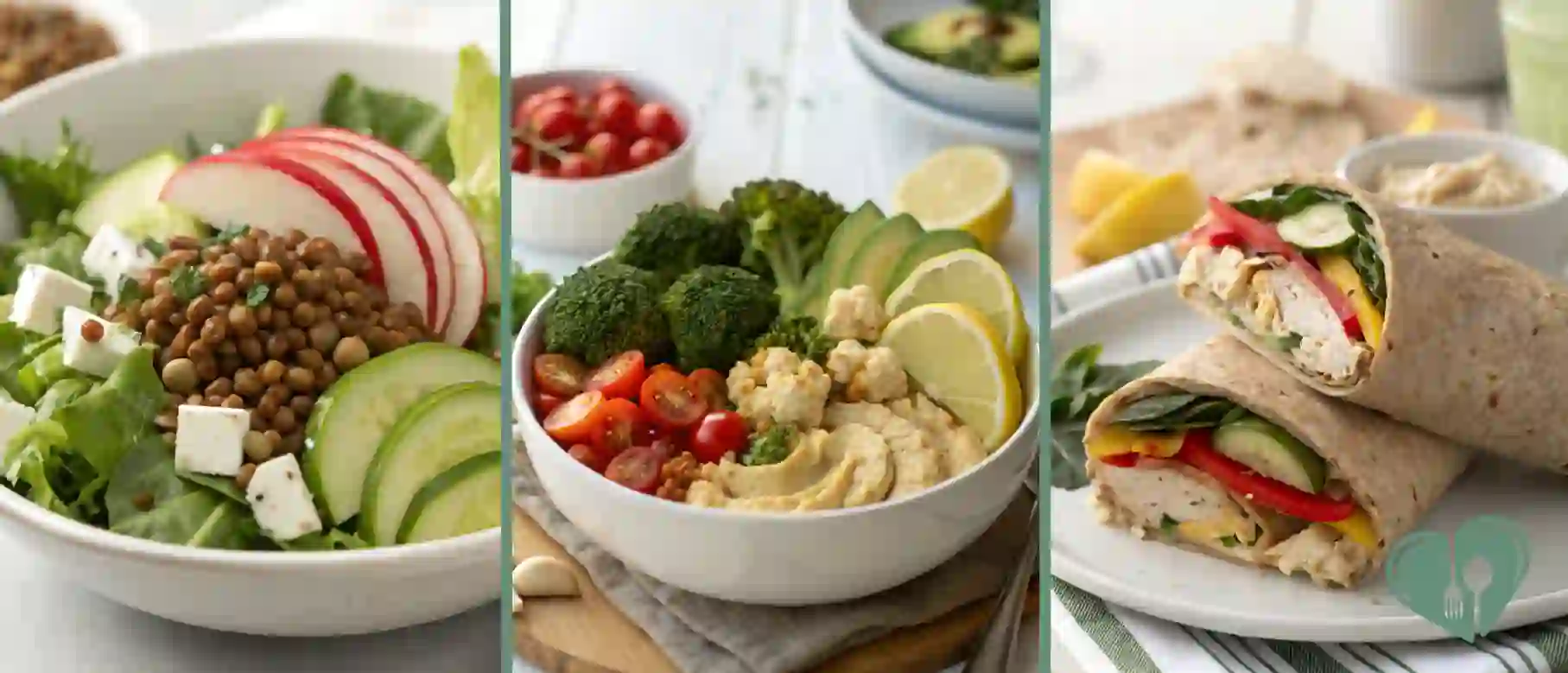
Lunch sounds simple… until you’re actually trying to manage blood sugar. It’s the meal most people rush, repeat, or grab out of convenience-and for a lot of people with diabetes, it’s also the one that causes the most unexpected spikes. Not because you’re doing something “wrong,” but because lunch often doesn’t get the same planning energy as breakfast or dinner.
This is where high-fiber diabetes-friendly lunches quietly change everything.
Fiber works behind the scenes. It slows digestion, steadies how glucose enters the bloodstream, and helps prevent that familiar cycle of feeling full for an hour… then suddenly starving, tired, and irritable. And yet, most lunch advice either skips fiber altogether or treats it like a side note-“just add more vegetables” and move on. Let’s be honest that’s not very helpful when you’re staring into the fridge at noon.
What makes lunch tricky is that it sits right in the middle of real life. Meetings run long. Energy dips. You want something satisfying but not heavy, filling but not blood-sugar-chaotic. That balance is possible-but only if fiber is doing some of the work for you.
This guide is built for real lunches, not idealized ones. You won’t find rigid meal rules or perfect plates that look great on paper but fall apart in practice. Instead you’ll learn how to build lunches-bowls, wraps, salads, warm meals and plant-forward options-that actually keep you full and steady. The kind you can repeat without getting bored or feeling restricted.
We’ll talk about why certain foods work better together, how fiber teams up with protein and healthy fats, and how small swaps can make a big difference without changing the flavor of what you already like. No calorie obsession. No carb fear. Just smarter structure.
If lunch has felt like the hardest meal to “get right,” you’re in the right place. By the end of this guide, you’ll have simple formulas, realistic ideas, and a much clearer sense of how to make fiber work for you-so lunch stops feeling like a gamble and starts feeling… reliable.
Why High-Fiber Lunches Matter for Diabetes
Let’s slow this down for a second-because lunch is usually where people lose control without realizing it. Not in a dramatic way. More like: you eat something that seems reasonable, you move on with your day… and then your energy drops or your numbers don’t make sense. That disconnect is frustrating, and it’s exactly where fiber becomes quietly powerful.
Here’s the thing: fiber isn’t about restriction. It’s about timing. When a lunch is low in fiber carbs digest fast and glucose hits your bloodstream all at once (High-Fiber Quinoa Burrito Bowl for Diabetics) . When fiber is present digestion slows down. Not stops-just slows. That pacing gives your body time to respond instead of scramble, which helps blood sugar rise more gently, peak lower, and settle sooner (as explained in diabetes nutrition guidance from the American Diabetes Association). You don’t feel a “fiber moment,” but you do feel fewer crashes later.
Lunch also has bad timing working against it. By midday, insulin sensitivity tends to dip, stress is higher, and decision fatigue is real. Portions creep up. Sauces sneak in. Convenience foods take over. Even meals that look balanced on paper can spike harder at lunch than they would in the morning. Fiber helps soften that reality. It makes lunch more forgiving-even when conditions aren’t ideal (High-Fiber Vegetable and Bean Soup for Diabetics).
You’ll often hear about soluble versus insoluble fiber but let’s keep this grounded. Beans, lentils, oats, barley-these slow glucose absorption (Lentil & Apple Salad (Diabetes-Friendly High-Fiber Lunch) . Vegetables and whole grains add bulk, volume and fullness (Simple Grain-Bean-Greens Bowl – Diabetic Lunch Base). When you combine them (which happens naturally in bowls, salads, wraps), you get steady digestion and a meal that feels like actual food, not a compromise.
And then there’s fullness-real fullness. Not “I can’t move” fullness. The calm kind. High-fiber lunches tend to keep hunger quiet for longer (Sweet Potato & White Bean Spinach Salad – Diabetes-Friendly Fiber Boost) which reduces grazing, snacking, and that late-afternoon crash that feels suspiciously like low energy but is often blood sugar wobble.
If you want a simple benchmark aim for about 8–15 grams of fiber at lunch. That usually looks like vegetables plus beans or whole grains, paired with protein. No math obsession. No perfection. Just a structure that works more often than it doesn’t.
The Core Building Blocks of a Diabetes-Friendly High-Fiber Lunch
This is usually the moment where people think, “Okay… but what am I actually supposed to eat?” And that’s fair. A lot of diabetes lunch advice stays vague on purpose. So let’s make this concrete without making it rigid.
Most high-fiber diabetes-friendly lunches are built from the same few pieces. Not fancy. Not special. Just familiar foods arranged in a way that makes blood sugar behave better. Once you see the pattern, lunch stops feeling like a daily puzzle.
Best high-fiber grains (yes, grains can stay)
Grains tend to get treated like the problem but refined grains are the real issue. Whole, fiber-rich grains digest more slowly and give your body time to keep up.
(High-Fiber Turmeric Veggie Grain Bowl – lunch ideas diabetes)
Solid options include:
- Quinoa
- Barley
- Farro
- Whole-wheat pasta
- Brown rice
These work best when they’re not the star of the plate. When grains are paired with vegetables, beans, and protein, they stop acting like a blood sugar wildcard and start acting like steady fuel (Lemon-Roasted Veggie Bowl with Hummus – Diabetic-Safe Lunch). You don’t need a huge portion-just enough to feel satisfied.
Best legumes and beans (the most underrated lunch upgrade)
If there’s one food group that quietly does a lot of heavy lifting for blood sugar, it’s beans. They bring fiber, protein and slow carbs all at once, which is a rare combo.
Easy wins:
- Lentils
- Chickpeas
- Black beans
- Kidney beans
- White beans
They’re cheap, filling and flexible (Farro, Arugula & Pistachio Salad for Diabetics). Toss them into salads, layer them into bowls, mash them into spreads, or add them to soups (Chickpea Quinoa Salad Jar – Meal Prep for Diabetics). And yes-canned beans are perfectly fine. Rinse them and move on with your life.
Non-starchy vegetables (this is where volume comes from)
Vegetables are what make high-fiber lunches feel generous instead of restricted (Grilled Veggie Hummus Wrap – Diabetic-Safe Lunch). They add bulk, texture, and satisfaction without pushing blood sugar up.
Good choices:
- Leafy greens like spinach or arugula
- Broccoli, cauliflower, Brussels sprouts
- Peppers, zucchini, cucumbers
- Tomatoes, mushrooms, onions
The more of your plate comes from vegetables, the less pressure there is on everything else. This alone can make lunches feel easier to manage.
Healthy fats (small amounts, big impact)
Fat doesn’t raise blood sugar, but it slows digestion-which is exactly what you want when carbs are involved.
Helpful additions:
- Olive oil
- Avocado
- Nuts and seeds
- Hummus or tahini (Veggie and Hummus Sandwich for Diabetics – High-Fiber Lunch)
This isn’t about loading your plate with fat. A drizzle, a spoonful, or a spread is enough to help meals feel steadier and more satisfying.
Lean proteins (supporting role, not the whole show)
Protein helps with fullness and energy but it works best when it’s paired with fiber instead of replacing it (Turkey (or Chicken) Hummus Wrap for Diabetics).
Good lunch-friendly options:
- Chicken or turkey
- Fish like tuna or salmon
- Eggs
- Tofu or tempeh
- Greek yogurt (often in sauces or spreads)
When protein shows up alongside fiber and a little fat, lunch becomes far more predictable-and that predictability matters more than perfection.
Quick FAQ: Do I need all of these every time?
No. And expecting that is how people burn out. Most solid lunches include fiber from plants, some protein, and a bit of fat. If you hit two or three of those you’re doing well. This is about consistency, not assembling the “perfect” plate every day.
How to Build a Balanced High-Fiber Lunch Plate
This is where everything we’ve talked about so far starts to click. You don’t need recipes memorized or nutrition labels open. You just need a simple structure that you can repeat in different ways. When lunches feel chaotic, blood sugar usually follows. When lunches have a loose framework, things calm down-fast.
Think of this section as your default setting. Not a rulebook. More like a fallback plan for days when decision-making energy is low.
The “½ veggie, ¼ protein, ¼ smart carbs” rule
This guideline works because it’s visual flexible, and forgiving. Half your plate comes from non-starchy vegetables. That’s where fiber and volume live. A quarter goes to protein and the final quarter to smart carbs-things like whole grains, beans, or starchy vegetables.
Why it helps:
- Vegetables slow digestion and reduce glucose impact
- Protein keeps hunger steady
- Fiber-rich carbs provide energy without rapid spikes
You don’t have to measure anything. If your bowl or plate roughly looks like this, you’re already doing a lot right.
Quick visual examples (no perfection required)
Here’s what that balance might look like in real life:
- A grain bowl with roasted vegetables filling most of the bowl, some quinoa and chickpeas or chicken
- A salad piled high with greens and vegetables topped with beans or fish and a small scoop of farro (High-Fiber Salads for Diabetics: Colorful, Filling and Blood-Sugar Smart)
- An open-face sandwich with lots of vegetables, a protein spread and whole-grain bread (Diabetes-Friendly Sandwiches and Wraps High in Fiber)
Notice what’s missing? Tiny portions and “diet” vibes. These are real lunches.
Portion control without feeling deprived
Portion control works best when it’s indirect. Fiber-heavy vegetables allow you to eat more food overall while naturally keeping carbs in check. When meals are satisfying the urge to snack later drops and that matters just as much as what’s on the plate.
If you’re still hungry after lunch, it’s often a sign you need:
- More vegetables
- More protein
- Or a bit of healthy fat
Not fewer carbs across the board.
What to watch out for (the sneaky stuff)
Even balanced lunches can go sideways because of add-ons, not the main food.
Common culprits:
- Sugary dressings or sauces
- Large portions of refined bread or wraps
- “Healthy” bowls loaded with sweet glazes
A quick check-in helps: Is this adding flavor, or is it quietly turning lunch into dessert? Small swaps make a big difference.
Quick FAQ: What if my lunch doesn’t fit this plate?
That’s normal. Soups, wraps and salads don’t always look like plates. The idea still applies-aim for lots of vegetables, fiber-rich carbs, and protein working together. The shape doesn’t matter. The balance does.
High-Fiber Lunch Bowls for Diabetics
If there’s one lunch format that quietly solves a lot of blood sugar problems, it’s the bowl. Not because bowls are trendy-but because they naturally encourage balance. When done right, high-fiber lunch bowls for diabetics spread carbs out, anchor them with fiber, and leave very little room for sneaky sugar overloads.
Bowls also remove decision fatigue. You’re not wondering what goes together. Everything goes together. That alone makes them easier to repeat consistently-which, let’s be honest, matters more than finding the “perfect” lunch once.
Why bowls work so well for blood sugar
Bowls slow things down-visually and metabolically. Instead of stacked carbs (bread + chips + sauce) ingredients sit side by side. Fiber-rich vegetables usually take up the most space which naturally limits how much room is left for grains.
They also tend to include:
- Multiple fiber sources (vegetables + beans or grains)
- Protein mixed throughout instead of isolated
- Fats added intentionally, not accidentally
This combination leads to steadier digestion and fewer post-lunch spikes. Many people notice bowl-style lunches feel “calmer” afterward-and that’s not imagined.
A simple formula for endless bowl combinations
You don’t need recipes to make bowls work. This loose formula covers most situations:
- Fiber base: leafy greens, roasted vegetables, or a mix
- Smart carb: quinoa, barley, farro, lentils, or beans
- Protein: chicken, tofu, fish, eggs, or legumes
- Healthy fat: olive oil, avocado, tahini, hummus
- Flavor: herbs, spices, citrus, vinegar (not sugar-heavy sauces)
That’s it. If three or four of these show up, the bowl usually works.
Fiber-boosting add-ons that don’t change flavor much
This is where bowls really shine. You can quietly increase fiber without making lunch taste “healthy.”
Easy add-ins:
- Extra roasted vegetables
- A spoonful of beans mixed into grains
- Seeds like pumpkin or sunflower
- Chopped greens stirred in at the end
Small changes add up-especially when bowls are in rotation a few times a week.
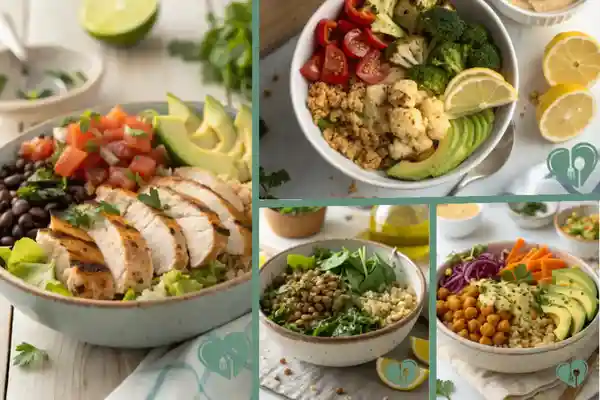
Featured bowl ideas (why they work)
High-Fiber Lunch Bowls for Diabetics: Easy, Filling and Blood-Sugar Friendly

- Quinoa Burrito Bowl – Beans + quinoa + vegetables slow digestion far better than a wrapped burrito
- Lemon-Roasted Vegetable Bowl – High volume, high fiber, low blood sugar impact
- Turmeric Veggie Grain Bowl – Anti-inflammatory spices plus slow-digesting carbs
- Grain + Bean + Greens Bowl – One of the most stable combinations you can eat
None of these rely on sugar-heavy sauces or oversized grain portions. That’s the difference.
Quick FAQ: Are bowls too carb-heavy for diabetes?
They can be-but they don’t have to be. The key is letting vegetables and fiber lead not grains. When bowls are built around vegetables, beans, and protein-with grains playing a supporting role-they’re one of the most blood-sugar-friendly lunches available.
High-Fiber Sandwiches & Wraps That Won’t Spike Blood Sugar
Sandwiches get a bad reputation in diabetes conversations-and honestly, it’s understandable. A lot of them are built on refined bread, sugary spreads, and not much fiber. But here’s the part that rarely gets said out loud: sandwiches aren’t the problem. Poor structure is.
When done right, high-fiber sandwiches and wraps can be some of the most practical, satisfying lunches out there. They’re portable, familiar, and easy to repeat-which makes them far more useful than a “perfect” lunch you only eat once.
Choosing the right bread or wrap (this matters more than fillings)
Bread is usually where things go sideways. Refined bread digests fast and leaves blood sugar scrambling to keep up. Fiber-rich bread slows that process dramatically.
Look for:
- Whole-grain or whole-wheat bread (first ingredient = whole grain)
- Sprouted grain bread
- High-fiber wraps or tortillas
- Open-face sandwiches (half the bread, same satisfaction)
You don’t need to avoid bread-you just need bread that brings fiber to the table instead of disappearing during digestion.
Best spreads for diabetics (flavor without sugar)
Spreads are sneaky. They don’t look like much, but they can add sugar fast.
Better options include:
- Hummus
- Mashed avocado
- Greek yogurt–based spreads
- Mustard, pesto, or tahini
These add creaminess and flavor without turning your sandwich into a glucose spike waiting to happen. Bonus: many of them add fiber or healthy fats which help stabilize digestion.
How to add fiber without changing the flavor
This is the trick that makes sandwiches work long-term. You don’t need to reinvent them-you just layer smarter.
Easy fiber upgrades:
- Load up on vegetables (greens, tomatoes, cucumbers, peppers)
- Add chickpeas or white beans to spreads
- Use slaws or shredded veggies instead of lettuce alone
- Choose wraps with built-in fiber
Most people underestimate how much fiber vegetables can add when they’re not treated like garnish.
Featured sandwich & wrap ideas (why they work)
Diabetes-Friendly Sandwiches and Wraps High in Fiber
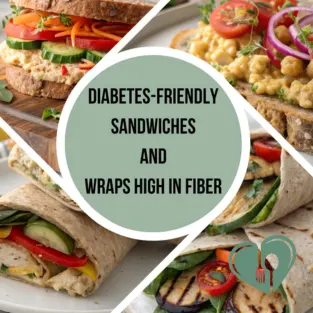
- Veggie & Hummus Sandwich – Fiber from vegetables + legumes keeps digestion slow
- Avocado Tomato Sandwich – Healthy fats + whole-grain bread create steady energy
- Chicken or Turkey Hummus Wrap – Protein and fiber work together instead of competing
- Grilled Veggie Wrap – High volume, high fiber, low blood sugar drama
- Open-Face Chickpea Sandwich – Half the bread, double the fiber payoff
These don’t rely on deli sauces or oversized portions. That’s the difference.

Quick FAQ: Are wraps better than sandwiches for blood sugar?
Not automatically. Some wraps are basically thin white bread in disguise. The better choice is whichever option offers more fiber and less refined flour. Sometimes that’s a wrap. Sometimes it’s an open-face sandwich. The structure matters more than the shape.
High-Fiber Salads That Actually Keep You Full
Let’s clear something up first: salads don’t fail people-underbuilt salads do. A pile of greens with low-fat dressing isn’t a lunch; it’s a placeholder that leaves you hungry an hour later. But when salads are built with fiber in mind, they can be some of the most blood-sugar-friendly lunches you’ll eat.
The key is structure. High-fiber salads work because they combine volume, slow digestion, and real satisfaction. When done right, they don’t feel light or punishing. They feel complete.
Why salads help maintain steady glucose
Salads naturally start with a fiber advantage-vegetables. That volume slows digestion and limits how quickly carbs hit your bloodstream. But the real magic happens when salads include multiple fiber sources, not just greens.
A well-built salad usually has:
- High-volume vegetables
- Fiber-rich carbs like beans or whole grains
- Protein to support fullness
- Fat to slow digestion
That combination keeps blood sugar rises gradual and helps prevent the post-lunch crash that often shows up after lighter meals.
How to structure a salad that doesn’t feel like a snack
If your salad leaves you hungry it’s missing something. Usually fiber, protein, or fat.
A simple mental checklist:
- Greens + vegetables as the base
- Beans, lentils or whole grains for fiber and staying power
- Protein like fish, chicken or legumes
- Healthy fat from olive oil, nuts, seeds or avocado
When those are present salads stop feeling like “diet food” and start functioning like real lunches.
Smart low-sugar dressing ideas
Dressings are where salads often go off track-not because of fat but because of sugar.
Better options:
- Olive oil + vinegar or lemon
- Greek yogurt–based dressings
- Tahini with citrus and spices
- Pesto thinned with olive oil
You don’t need much. A light coating is enough to add flavor without turning lunch into a sugar spike.
Featured salad ideas (why they work)
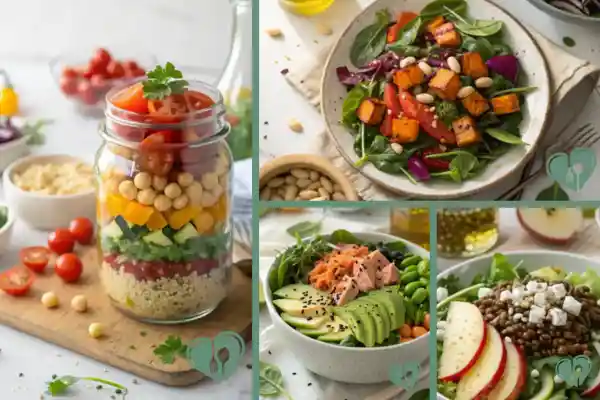
High-Fiber Salads for Diabetics: Colorful, Filling and Blood-Sugar Smart
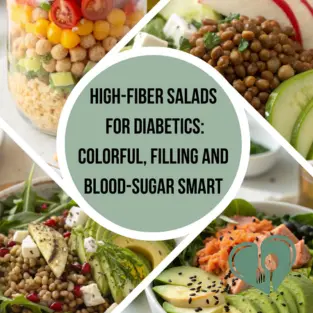
- Spinach Sweet Potato Salad – Fiber-rich greens plus slow-digesting carbs
- Lentil & Apple Salad – Beans balance fruit sugars and add protein
- Tuna or Salmon Bean Salad – Protein + fiber keeps hunger quiet for hours
- Farro Pistachio Salad – Whole grains and healthy fats slow digestion
- Chickpea Quinoa Salad Jar – Layered fiber that holds up well for meal prep
These salads aren’t fragile or boring-they’re built to last through the afternoon.
Quick FAQ: Can salads really replace hot lunches?
Absolutely. As long as the salad includes fiber, protein and fat it can be just as satisfying as a warm meal. Temperature doesn’t control blood sugar-structure does.
High-Fiber Hot Lunch Ideas for Diabetics
Cold lunches get all the attention but there are days when a salad just doesn’t cut it. Maybe it’s the weather. Maybe you’re craving something grounding. Or maybe you’re just tired of chewing raw vegetables at your desk. That’s where high-fiber hot lunches come in-and yes, they can absolutely work for blood sugar.
Warm meals often feel more satisfying, which matters more than people realize. When lunch feels comforting and complete you’re less likely to overeat later or go hunting for snacks. The trick is building heat without relying on refined carbs or sugary sauces.
When warm meals are better for cravings
There’s something about hot food that signals “meal” to the brain. For many people especially in cooler months or stressful periods, warm lunches reduce the urge to keep grazing afterward. That satisfaction isn’t just psychological-it often leads to steadier blood sugar because you’re not compensating later with snacks.
Hot meals also tend to be slower to eat, which naturally helps portion awareness and digestion. Small thing, big impact.
Using beans and vegetables to boost fiber (without heaviness)
The easiest way to make hot lunches diabetes-friendly is to let beans and vegetables do most of the work. They add fiber, volume, and texture-so you’re not relying on large portions of rice, pasta, or bread.
Simple strategies:
- Add beans or lentils to soups, stews and chili
- Bulk up dishes with vegetables instead of extra starch
- Use sweet potatoes or whole grains in moderate portions
This approach keeps meals hearty without turning them into blood sugar bombs.
Healthy sauces that won’t raise sugars
Sauces are where hot meals often go wrong-not because they’re hot, but because they’re sweet.
Better flavor builders:
- Tomato-based sauces (unsweetened)
- Herb-heavy broths
- Spices like turmeric, cumin, paprika, garlic
- Yogurt- or tahini-based sauces
These add depth without sneaking sugar into every bite.
Featured hot lunch ideas (why they work)
High-Fiber Hot Lunch Ideas for Diabetics That Keep You Full

- Vegetable & Bean Soup – High fiber, slow digestion and easy to portion
- Stuffed Sweet Potato – Fiber-rich base paired with beans or vegetables
- Veggie Burger on a Whole-Grain Bun – Familiar comfort food with smarter structure
These meals feel like real lunches-not compromises and they hold up well for leftovers or meal prep.

Quick FAQ: Are hot lunches harder to manage for blood sugar?
Not inherently. Hot meals only cause issues when they rely heavily on refined carbs or sugary sauces. When built around fiber, vegetables, and protein, warm lunches can be just as blood-sugar-friendly as cold ones-sometimes even more satisfying.
Mediterranean & Plant-Based High-Fiber Meals
Let’s address the quiet resistance first-because it’s real. When people hear Mediterranean or plant-based, they often think this means giving something up. Meat. Comfort. Familiar lunches. But that’s not actually what’s happening here. What makes Mediterranean-style, plant-forward lunches work for diabetes isn’t the label-it’s the balance.
These meals just happen to line up really well with what blood sugar likes: fiber-rich plants healthy fats, and flavors that don’t rely on sugar to be interesting. No food rules. No identity shift. Just lunches that feel lighter afterward, not harder.
Why Mediterranean-style lunches are easier on blood sugar (and energy)
Mediterranean-style eating doesn’t try to “hack” blood sugar. It doesn’t eliminate carbs or overload protein. Instead, it quietly changes proportions. Vegetables and legumes take up more space. Olive oil replaces sugary dressings. Whole grains show up but they’re not doing all the heavy lifting.
That usually means:
- Slower digestion
- Fewer sharp spikes after lunch
- More stable energy into the afternoon
What’s interesting is that many people don’t even notice the blood sugar benefit at first-they just notice they’re less sleepy, less snacky, and less uncomfortable after eating. The numbers tend to follow.
Plant-based proteins that actually hold you over
One reason plant-forward lunches work so well is that many plant proteins come with fiber built in. That combo is gold for blood sugar.
Reliable options include:
- Chickpeas
- Lentils
- White beans or cannellini beans
- Black beans
- Tofu or tempeh
You don’t need to swear off animal protein. Think of this as rotation, not replacement. Swapping in plant-based lunches a few times a week often makes digestion feel calmer-and afternoons feel more predictable.
How Mediterranean meals stay flavorful without sugar sneaking in
A lot of lunches spike blood sugar not because of the main food, but because of what’s coating it. Mediterranean-style meals dodge that problem by building flavor differently.
Instead of sweet sauces, they lean on:
- Olive oil with lemon or vinegar
- Garlic, onions, shallots
- Fresh or dried herbs (oregano, parsley, basil)
- Warm spices like cumin, paprika, turmeric
These flavors hit deep without triggering a glucose rollercoaster.
Featured Mediterranean & plant-forward lunch ideas (why they work)
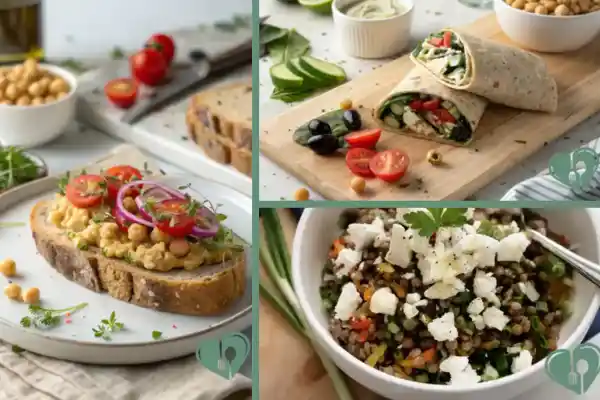
Mediterranean & Plant-Based High-Fiber Lunches for Diabetics

- Mediterranean Roll-Ups – Whole-grain wraps with vegetables and hummus keep digestion slow and satisfying
- Chickpea-Based Meals – Fiber and protein in one ingredient = steady blood sugar
- Lentil Salad Variations – One of the most reliable lunches for fullness without heaviness
These meals don’t feel like “health food.” They feel like food people actually eat-and that’s why they stick.
Quick FAQ: Will plant-based lunches spike blood sugar?
They can if they’re built around refined grains or sweet sauces. But lunches centered on whole legumes, vegetables, healthy fats and simple seasonings tend to be among the most blood-sugar-friendly options out there. It’s not about plants versus meat-it’s about fiber doing its job.
How to Meal-Prep High-Fiber Diabetic Lunches for the Week
Meal prep sounds great in theory… until it turns into a Sunday marathon that leaves you tired of your own food by Wednesday. The goal here isn’t perfection or Pinterest-level containers. It’s making high-fiber diabetic lunches easier to actually eat during the week-especially on the days you’re busy, tired, or just over it.
Good meal prep reduces decision fatigue. And fewer rushed decisions usually mean steadier blood sugar.
What to prep ahead of time (so lunch assembles itself)
The smartest meal prep focuses on components, not full meals. This gives you flexibility without extra work.
Prep-friendly staples:
- Cooked grains (quinoa, farro, barley)
- Roasted or steamed vegetables
- Washed and chopped greens
- Beans or lentils (canned is fine)
- Simple proteins (chicken, tofu, eggs)
When these are ready, lunch becomes assembly-not cooking. Bowls, salads, wraps, and hot meals all come together faster when the building blocks are already done (Simple Grain-Bean-Greens Bowl – Diabetic Lunch Base).
What not to mix until the last minute
Some foods don’t love being pre-mixed-and forcing it usually leads to soggy, sad lunches.
Hold off on:
- Dressings and sauces
- Avocado
- Crunchy toppings (nuts, seeds)
- Fresh herbs
Keeping these separate helps meals taste better and keeps you more excited to eat them. That matters more than most people expect.
Containers that keep food fresh (without overthinking it)
You don’t need a full container system, but the right ones help.
Helpful options:
- Glass containers for grains and hot meals
- Wide-mouth jars for salads (Chickpea Quinoa Salad Jar – Meal Prep for Diabetics)
- Small containers for sauces and toppings
- Divided containers if you like visual structure
Clear containers also help-you’re more likely to eat what you can see.
Cheap, realistic meal-prep shortcuts
Meal prep doesn’t need to be expensive or elaborate.
Budget-friendly shortcuts:
- Canned beans (rinse them)
- Frozen vegetables
- Bagged greens
- Rotisserie chicken
- Pre-cooked grains from the freezer section
These still count. The goal is fiber and balance-not culinary awards (Turkey (or Chicken) Hummus Wrap for Diabetics).
Quick FAQ: How many days should I prep lunches for?
Most people do best prepping 3–4 days at a time. Longer than that and food quality drops-or boredom sets in. It’s better to prep smaller batches more often than force yourself through meals you’re tired of.
Sample 7-Day High-Fiber Lunch Plan for Type 2 Diabetes
This isn’t a strict meal plan or a “you must eat this” schedule. Think of it as a working template-something you can borrow from, rearrange, or repeat depending on what your week actually looks like. The goal is consistency, not novelty. If blood sugar stays steadier, lunches are doing their job.
Each day below follows the same idea you’ve seen throughout this guide: fiber first, protein present, carbs supported-not standing alone.
Day 1
Grain + Bean + Greens Bowl
A simple bowl built around leafy greens, quinoa or farro, beans, and olive oil. This is a great “reset” lunch-high fiber, filling, and calm on blood sugar.
Day 2
Veggie & Hummus Sandwich (open-face if possible)
Whole-grain bread, a thick hummus layer, and plenty of vegetables. Familiar, portable, and surprisingly steady when fiber leads.
Day 3
Lentil & Apple Salad
Lentils provide fiber and protein, while apple adds crunch and freshness without overwhelming blood sugar. A good example of fruit working with a meal, not against it.
Day 4
Vegetable & Bean Soup + Side Salad
Warm, comforting, and easy to portion. Pairing soup with a fiber-rich salad keeps hunger steady through the afternoon.
Day 5
Chicken or Turkey Hummus Wrap
Whole-wheat wrap, vegetables, hummus, and lean protein. Balanced, satisfying, and easy to prep ahead.
Day 6
Mediterranean Chickpea Bowl or Roll-Ups
Chickpeas, vegetables, olive oil, herbs, and whole grains if desired. Plant-forward, high fiber, and great for digestion.
Day 7
Spinach Sweet Potato Salad
Roasted sweet potato, greens, beans or protein, and a simple dressing. A good reminder that carbs aren’t the enemy-structure matters more.
Quick FAQ: Do I need to follow this plan exactly?
No-and you probably shouldn’t. Repeating lunches you enjoy is often better for blood sugar than constantly chasing variety. If two or three of these become regular go-tos, that’s a win. Rotate as needed, adjust portions based on your hunger, and reuse leftovers when it makes life easier.
High-Fiber Diabetes-Friendly Lunches: How to Make Lunch Feel Predictable Again
If you take nothing else from this guide, let it be this: high-fiber diabetes-friendly lunches are about making lunch predictable, not perfect. And honestly, predictability is what most people are craving. When lunch works, the rest of the day feels lighter-fewer energy dips, fewer second guesses, fewer “why is my blood sugar doing this?” moments.
What fiber really does is remove pressure. It gives meals some built-in patience. Vegetables, beans, whole grains and plant-forward foods slow things down in a way your body actually appreciates. You’re not fighting hunger an hour later. You’re not chasing balance after the fact. Lunch just… holds.
And maybe this sounds boring, but boring can be a gift. Eating the same few lunches that you know work is often far more helpful than constantly experimenting. A bowl you trust. A sandwich that doesn’t spike you. A salad that actually keeps you full. That kind of repetition isn’t failure-it’s strategy.
You don’t need to overhaul your routine or eat “perfectly” to see benefits. Start with one or two high-fiber diabetes-friendly lunches you genuinely enjoy and can see yourself eating again next week. Build from there. Let consistency do the work in the background.
Because when lunch stops feeling like a daily problem to solve, it frees up energy for everything else. And that’s usually when managing food starts to feel less heavy-and a lot more doable.