
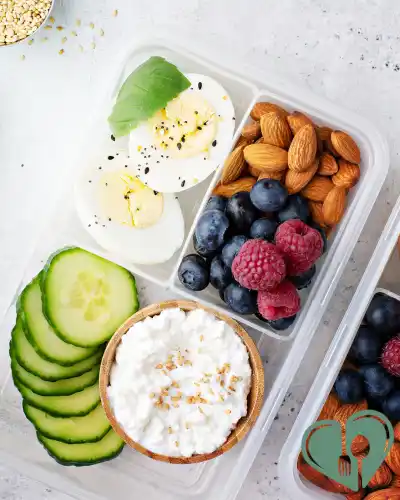
Diabetic breakfast meal prep isn’t about perfection it’s about survival. Some mornings, it’s not even about the food. It’s about standing in the kitchen half-awake, already behind trying to figure out what you can eat that won’t wreck your blood sugar before 10 a.m. And maybe you’re tired. Maybe your glucose was high last night. Maybe you just don’t feel like dealing with it.
That moment? That’s exactly where meal prep earns its keep.
This isn’t about becoming someone who batch-cooks 21 meals with matching containers. It’s about building a quiet lifeline something stable to fall back on when your brain says “skip it” but your body still needs fuel.
Breakfast is where a lot of diabetics get tripped up. It’s rushed. It’s early. One wrong carb bomb and you’re playing catch-up all day. But if you had five ready-to-go meals that tasted good, kept your blood sugar steady, and didn’t take 45 minutes to think about… wouldn’t that change how your mornings feel?
This guide walks you through a real-world diabetic breakfast meal prep plan. Not Instagram meals but food you’ll still want to eat by Thursday. We’ll cover the why, the how, and the shortcuts that make the difference. Even if you hate cooking. Even if you’ve tried before and flamed out.
Let’s build a week you don’t have to overthink.
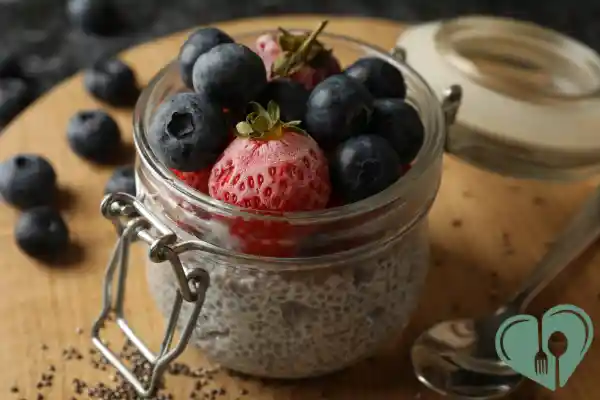
Why Diabetic Breakfast Meal Prep Makes a Real Difference

There’s something oddly defeating about starting your day behind behind on time, behind on glucose control, behind on what you were supposed to eat. For many people with diabetes, mornings come with this quiet pressure: get it right, or spend the rest of the day correcting it.
That’s why meal prep isn’t just helpful it’s transformative. Especially at breakfast, where the stakes are weirdly high for such a small window of time.
Breakfast Patterns = Blood Sugar Peace
When your mornings are consistent same timing, same types of fuel, same portions your blood sugar tends to behave better. It’s not magic; it’s math and hormones. A prepped breakfast means your body doesn’t have to guess what’s coming. And neither do you.
That kind of rhythm tells your system, “We’ve got this.” It softens the cortisol spike that naturally happens after waking up. It creates a kind of metabolic trust one that builds over time and reflects in steadier A1Cs and fewer glucose surprises by noon.
Prepping = Less Morning Panic, Fewer Blood Sugar Landmines
You know those mornings where you’re standing in the kitchen, clock ticking, stomach growling, and your blood sugar’s already starting to edge up? That’s decision fatigue and it hits harder when you’re managing diabetes. Meal prep cuts that moment off at the knees.
You’re not weighing whether the toast will spike you or if there’s time to cook eggs. You’re grabbing something you already vetted, already portioned, and maybe even already love. And that simple, no-thinking moment? It can ripple out through your whole day because your numbers are already in a good place, and you didn’t have to fight to get them there.
Portion Control Without the Math Headache
It’s one thing to choose the right food. It’s another to choose the right amount of it. Portion sizes, especially for carbs, matter but tracking them every single morning? Exhausting. Prepping ahead bakes that control into your meals without the daily math.
Whether it’s four egg muffins per serving or a half-cup of overnight oats with fixed toppings, your portions are measured, predictable, and easier to pair with meds or insulin. No surprises. No extra “oops” carbs. Just meals that fit your plan even if the rest of your morning doesn’t.
Is it really worth it to prep if I don’t eat at the same time every day?
Absolutely. It’s less about eating on the dot and more about reducing glucose drama whenever you do eat. If your schedule’s unpredictable, think of meal prep as insurance the right food is there when you need it, whether that’s 6:30 a.m. or closer to 10.
What Makes a Breakfast Prep-Friendly for Diabetes
So here’s the thing no one tells you: a lot of “healthy” breakfasts fall apart by Wednesday either literally (soggy mess), or metabolically (hello, blood sugar spike). The trick to prepping for diabetes isn’t just choosing better ingredients it’s choosing foods that survive your fridge and keep your glucose curve steady.
It’s Not Just Low-Carb It’s High-Protein That Sticks
The internet loves shouting “low carb!” but if you’ve ever eaten just two boiled eggs and still felt shaky by 9 a.m., you know it’s more complicated than that. Diabetic-friendly breakfasts need structure. That usually means:
- A sturdy protein base (think 15–20g)
- A small portion of slow-burning carbs
- A dose of fat that keeps you full and slows glucose uptake
It’s why a chia bowl with peanut butter and berries works better than plain fruit. Or why egg muffins beat out toast with avocado. The goal isn’t just to avoid spikes it’s to build something your body can metabolize steadily over a few hours. Something that feels like fuel.
Fridge vs. Freezer: The Prep Game Changer
Here’s a prep truth I learned the hard way: not everything should live in your fridge all week. Eggs go rubbery. Yogurt bowls can get weird. And if you’ve ever opened a soggy overnight oats jar on Friday… you get it.
So think in layers:
- Use the fridge for things you’ll eat in 3–4 days max yogurt parfaits, tofu scrambles, cottage cheese bowls
- Lean on the freezer for stuff you batch cook: egg muffins, almond flour pancakes, mini breakfast casseroles
And yes, freezing isn’t lazy it’s protective. It keeps your prep from turning into waste (or worse, an excuse to order a bagel because “there’s nothing left”).
Texture Matters More Than You Think
Ever tried reheated scrambled eggs from two days ago? Exactly. If something tastes great fresh but turns to sponge after a night in the fridge, it’s not prep-friendly.
The good ones?
- Chia bowls (they get creamier)
- Baked egg cups (less moisture = less weirdness)
- Protein waffles (crisp back up in a toaster)
- No-reheat options like nut butter yogurt bowls
Rule of thumb: if it takes more effort to “fix” the texture than to just remake the meal, it’s not worth prepping.
Is it weird that I care so much about food texture?
Not at all it’s actually super common, especially if you’re eating on autopilot in the morning. The more enjoyable a meal is, the more likely you are to stick with it. Diabetes management doesn’t mean settling for bland or awkward food it means creating meals that feel good and do good.
Sample 5-Day Diabetic Breakfast Prep Plan
Let’s stop pretending every morning is calm and organized. It’s not. That’s why having a breakfast plan a real one, not a Pinterest fantasy can change the entire flow of your week. What follows isn’t just a recipe list. It’s a rhythm. Five meals that hold up in your fridge, don’t spike your blood sugar, and won’t make you dread Thursday.
Monday Through Friday One Less Decision a Day
This isn’t about eating like a robot. It’s about removing one stressor before 9 a.m. These meals repeat a simple formula: high protein, low-ish carbs, stay-full ingredients without being boring or bland by Day 5.
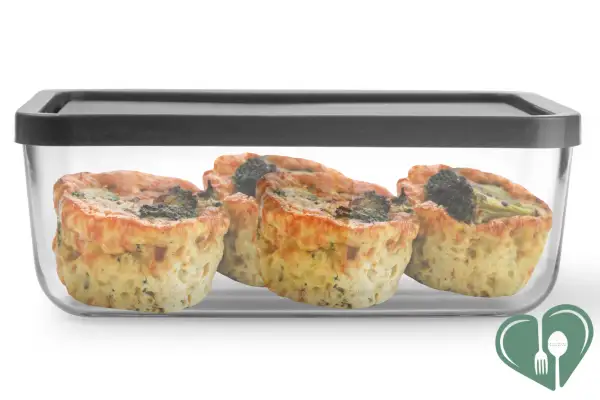
Monday: Spinach + Turkey Egg Muffins with Half an Avocado
- Batch Tip: Make 8–12 muffins Sunday, store half in fridge, freeze the rest
- What makes it great: It’s warm, savory, and gives you that “real breakfast” feeling minus the blood sugar spike
- Reheat: 45 seconds in microwave or quick toaster oven blast
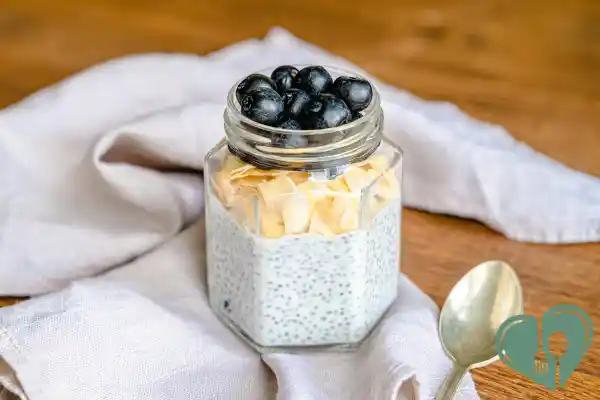
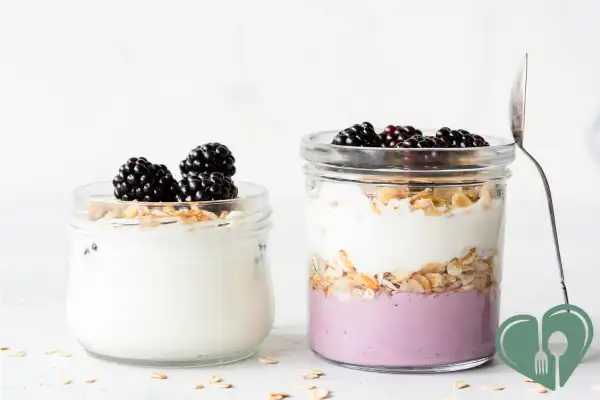
Tuesday: Vanilla Chia Pudding with Berries + Almond Flakes
- Batch Tip: Make three jars at once, they only get creamier
- Why it works: Fiber-heavy, slow-digesting, zero prep in the morning
- Reality check: If texture gets weird for you, try blending it once set
Wednesday: Tofu Scramble with Peppers + Low-Carb Tortilla
- Batch Tip: One-pan scramble lasts 3–4 days, wrap as needed
- Why it works: High satiety + no animal protein if you need a break
- Reheat: Skillet or microwave or eat it cold if you’re running out the door
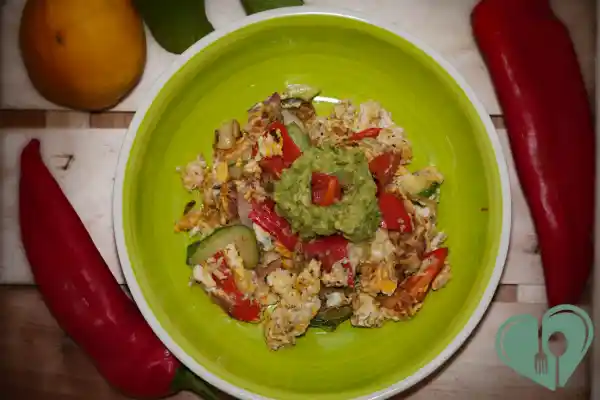
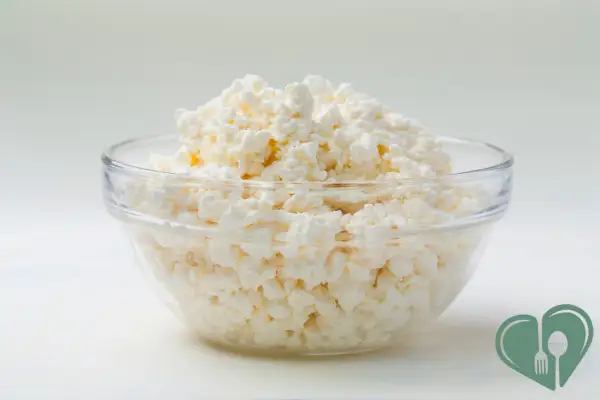
Thursday: Cottage Cheese with Walnuts, Flax, and Raspberries
- Batch Tip: Pre-mix dry toppings in snack bags dump and eat
- Why it works: No cook, no reheat, no cleanup. Just grab and go
- Side note: Try full-fat it sticks with you longer
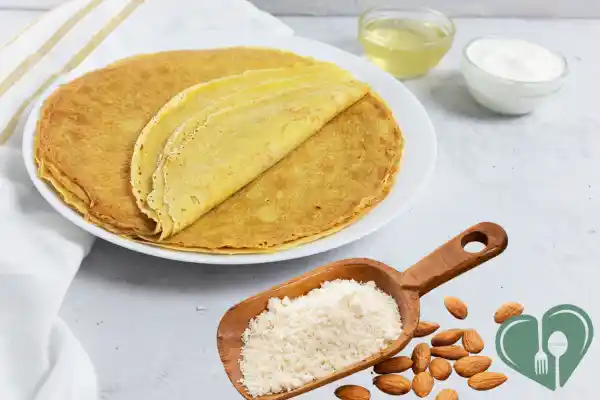
Friday: Almond Flour Pancakes with Greek Yogurt + Cinnamon Dust
- Batch Tip: Make and freeze in stacks, reheat straight from freezer
- Why it works: Feels indulgent, hits the comfort-food note without the carb crash
- Optional: Add a few pecans or a smear of cream cheese between pancakes
There’s no magic here just prep that respects your time, your glucose, and your actual taste buds. And honestly? When your mornings feel more stable, the rest of your day starts to soften too.
Can I mix these up or double up on favorites?
Totally. If you fall in love with Wednesday’s tofu, eat it Monday too. The power’s in the framework not the specific combo. As long as you hit the blood sugar basics (protein, fiber, slow carbs, healthy fat), you can remix the week however you want.
Explore our full weekly diabetic breakfast prep calendar here.
Sunday Setup Guide: What to Prep in 60 Minutes
Let’s be real Sunday prep doesn’t have to look like a wellness influencer’s kitchen. You don’t need matching glass containers or ambient jazz playing in the background. You just need a solid hour, a halfway clean counter, and maybe a podcast to keep your brain distracted. Because once you’ve got breakfasts locked in? Your week breathes a little easier.
Batch a Little, Build a Little That’s the Move
Forget perfection. The sweet spot is halfway between fully cooked meals and build-as-you-go kits. Here’s how most real-life diabetic preppers do it:
- Cook a few staples (like egg muffins or tofu scramble) that hold up for days
- Assemble no-cook stuff (chia, yogurt bowls) in jars so they’re ready when you are
Don’t overthink the order just get things going at once. While your egg muffins bake, you’re whisking chia. While tofu’s browning, you’re stuffing cottage cheese into containers and slapping on lids.
What to Actually Do in Those 60 Minutes:
- Egg Muffins First They Take the Longest
- Crack, whisk, season. Pour into tins with spinach or turkey. Bake. Done.
- Pro tip: don’t overfill or you’ll have muffin volcanoes.
- Chia Puddings 30 Seconds Per Jar
- 3 tbsp chia + ½ cup almond milk + vanilla = base
- Stir, let them sit, stir again, toss in fridge.
- Add berries on top later or now no judgment.
- Tofu Scramble One Pan, Max Flavor
- Crumble, season, sauté with whatever veg you’ve got
- Split into containers maybe add a tortilla next to it
- (Or skip the tortilla and eat it like a bowl)
- Cold Stuff Doesn’t Need Rules
- Cottage cheese bowls? Scoop, seal, done.
- Yogurt + nuts + cinnamon = 3-minute win
- Just keep wet and dry separate if you hate sogginess
- Pancakes? Optional. But Amazing.
- If you’ve got extra time, whip up almond flour ones and freeze ’em
- Stack with parchment or foil squares so they don’t glue together
Keep It Fresh (And Not Gross)
- Wet stuff on the side: berries, nut butters, anything juicy store separately
- Toaster > Microwave: revives texture, especially for pancakes and muffins
- Labels help: not just for tracking carbs but for “what day did I make this again?”
Is 60 minutes even realistic?
It is if you’re not trying to be a prep god. Aim for 3–5 meals max. Don’t get fancy. If you run out of time, at least you’ve got something for Monday, and honestly? That alone can change your week.
Smart Storage Tools & Fridge Organization Tips
You can meal prep like a champ on Sunday and still lose the game by Wednesday if your fridge turns into a chaotic mess. Ever forgotten a perfectly good chia bowl behind a salsa jar? Or microwaved eggs in the wrong container and ended up with rubbery regret? Yeah. Been there.
Containers: It’s Not About Aesthetics, It’s About Survival
Forget the Pinterest sets. What you really need are containers that seal tightly, reheat well, and don’t make your tofu taste like last night’s garlic chicken. Here’s what tends to actually work:
- Glass containers with tight lids not just for microwave safety, but for not absorbing smells
- Mason jars these things are your ride-or-die for anything layered or cold
- Silicone muffin cups game-changer for storing individual egg bites without crusty edges
- Small topping containers because wet walnuts in cottage cheese are no one’s idea of fun
If your containers don’t stack well, you’ll end up hating them. If the lids don’t match, you’ll end up swearing by Tuesday.
And please ditch the stained plastic takeout tubs. They’re not doing you (or your blood sugar) any favors.
Labeling: The Anti-Glucose-Fog Tool
You don’t need to channel your inner kindergarten teacher. Just grab some masking tape or a permanent marker and write the day you plan to eat it. That’s it.
You can get fancy color-code based on carb levels or insulin units if you’re dosing precisely but even a simple “Tue AM” is enough to keep you from squinting into your fridge at 6:45 wondering, “Is this from last week…?”
It’s not about being organized. It’s about not leaving decisions up to your tired future self.
Build Yourself a Fridge Flow
This one’s personal. Some people need fridge zones. Others just need to not stack four containers behind the oat milk.
Here’s a setup that usually works:
- Top shelf → ready-to-eat stuff: yogurt jars, chia bowls, cold containers
- Middle → cooked meals: egg muffins, tofu scrambles, anything you’ll reheat
- Drawer or bin → toppings, extras, grab-and-go packets
Think of it less like storage and more like staging. When everything’s in view, you’re way more likely to stick to your prep and way less likely to reach for something impulsive.
What if my fridge is tiny or shared?
Use bins. Seriously. Clear bins from the dollar store = prep sanity. Label one “BREAKFAST” and call it a day. Even a little bit of separation helps you stay on track when fridge space is chaos.
Grocery List Essentials for Diabetic Meal Prep
There’s this unspoken pressure with diabetic grocery shopping like if you don’t pick the “right” ingredients, your whole week’s a wash. But here’s the truth: prepping breakfasts for stable blood sugar doesn’t take a fancy health haul. It takes a working list stuff that holds up, plays well together, and doesn’t spike you or your stress.
So if you’re standing in the grocery aisle thinking, “What am I even supposed to eat?” start here.
Your Go-To Core Ingredients (aka Breakfast MVPs)
You don’t need everything at once. Build slowly. Use what you already like. These are just the building blocks that make prep work.
Proteins That Stick With You
- Eggs, still the cheapest, most versatile protein out there
- Greek yogurt, plain, thick, and protein-rich (add your own sweetness)
- Cottage cheese, weird texture? Try it with cinnamon + walnuts
- Firm tofu, holds up in scrambles or bowls
- Turkey or chicken sausage, look for ones without hidden sugar
Fats That Help (Not Hurt)
- Nut butters, just make sure the label isn’t packed with added sugar
- Chia, flax, hemp, mix into anything for fiber and fat
- Avocados, not “trendy,” just effective
- Raw nuts, almonds, walnuts, pecans (they’re all blood sugar-friendly)
Carbs You Can Count On
- Frozen berries, low-glycemic, sweet without the spike
- Rolled oats, slower burn than instant, easier than steel-cut
- Low-carb tortillas, fiber-packed and more forgiving than bread
- Almond flour, pancake game changer
Flavor That Doesn’t Mess With You
- Cinnamon, adds sweetness without sugar
- Vanilla extract, same deal
- Cocoa powder, unsweetened, for when you need something rich
- Unsweetened almond milk light, neutral, lasts forever
Check out our diabetic grocery guide for smart swaps and staples.
Simple Swaps That Quietly Lower Your Carb Load
You don’t have to go keto. You just have to tweak.
- Use berries over bananas, they give you fruit without the insulin drama
- Swap granola for crushed walnuts + seeds, same crunch, less spike
- Try yogurt bowls instead of smoothies, easier to portion, less sugar drift
- Add vegetables to egg dishes, bulk + fiber = steadier energy
- Replace milk with almond or flax milk, fewer carbs, less sugar
This isn’t about eating perfectly. It’s about giving your body what it needs without overthinking every item in your cart.
What if I can’t afford to overhaul my pantry?
Then don’t. Start with three or four upgrades. Use frozen produce, bulk bin seeds, and skip the “superfoods” that come with a marketing budget. Meal prep is a strategy not a shopping contest.
Tips for Making Prep Easy (Even If You Hate Cooking)
Not everyone’s into the whole “meal prep” thing and that’s fair. Maybe cooking feels like a chore. Maybe you’ve tried batch-prepping before and burned out by Wednesday. Or maybe life’s just too loud, and spending your weekend dicing onions sounds… awful.
Here’s the good news: prep doesn’t have to mean cooking full meals. In fact, the less you do, the more likely you’ll stick with it.
Pre-Prep Ingredients, Not Full Meals
Instead of making complete dishes, prep the pieces. Think of it like building a breakfast bar in your own fridge.
- Hard-boil a few eggs, eat as-is or mash into wraps
- Wash and portion berries, toss into yogurt or oats
- Pre-mix chia pudding base, add toppings day-of
- Sauté some tofu or veggies, reheat into scrambles or bowls
If your energy’s low, batch prepping components is less stressful and more flexible than committing to five finished meals.
Use No-Cook & Microwave-Ready Staples
This is where lazy meets smart. Your fridge can work for you if you stock the right things.
- Chia bowls? No cook.
- Greek yogurt with toppings? Five seconds.
- Cottage cheese with cinnamon and nuts? Done.
- Tofu scramble? One-minute microwave warm-up.
Buy what you’ll actually eat. And if that means a box of frozen low-carb waffles you can dress up with almond butter? Cool. Better that than skipping breakfast and riding a glucose rollercoaster.
Adopt the “Prep Once, Eat Easy All Week” Mindset
The shift isn’t about loving prep. It’s about loving what it gives you: mornings with fewer choices, steadier blood sugar, and one less thing to manage before your day even starts.
Even 30 minutes of prep can give you:
- Less stress in the mornings
- Fewer glucose surprises
- A little more peace before the chaos kicks in
You’re not prepping because it’s trendy. You’re doing it because it keeps your numbers and your brain on track.
What if I burn out halfway through the week?
Give yourself room to pivot. Prep two days at a time. Freeze extras. Or rotate no-cook days into your plan. This isn’t all or nothing it’s about consistency over time, not perfection every week.
FAQs About Diabetic Meal Prep
We all hit those moments mid-week when something doesn’t go as planned or we just stare at that container of chia pudding thinking, “Ugh, again?” These FAQs are for those real-life friction points. Not theory just honest fixes and workarounds.
How long do these prepped breakfasts actually last?
Short answer? Long enough but not forever.
- Egg muffins or tofu scramble? Usually 3–4 days in the fridge. Freeze the extras right away if you’re not eating them mid-week.
- Chia bowls and yogurt? About 4–5 days if you keep toppings separate.
- Frozen pancakes? Surprisingly great for a month or two just separate layers with parchment so they don’t fuse into a brick.
Smell it. Look at it. Don’t eat it if it makes you second-guess. You know the drill.
Is freezing chia pudding… a thing?
Technically, yes. Texture-wise? Meh.
Some people don’t mind the slight change in consistency. Others (me included) find thawed chia a little slimy. Best bet: freeze the base only just the chia + milk and add berries or nut butter fresh. It’s the toppings that make it feel like food again anyway.
What if I totally burn out on what I prepped?
Then skip it. No shame.
But before you toss the whole idea, ask: was it the meal you got sick of or the rigidity? Try switching up textures (warm vs cold), toppings, or protein sources. Even rotating a “no-prep” day mid-week can reset your taste buds.
Prep should give you options not lock you into boredom.
What happens if I skip a day or forget a meal?
It’s fine. You’re not failing you’re adjusting.
Move the meal to tomorrow. Toss it in the freezer if you’re over it. The point of prep is to reduce stress, not add it. One skipped breakfast isn’t going to wreck your rhythm just don’t toss the whole system because of a bump.
Prep Less, Stress Less, Stabilize More
Here’s the part no one talks about: meal prep isn’t about food. It’s about capacity.
It’s about waking up and not immediately burning brainpower on what you’re allowed to eat. It’s about reducing those micro-stressors that, over time, wear you down especially when you’re managing diabetes. It’s about walking into your kitchen on a Thursday morning and seeing a fridge that says, “You’re already taken care of.”
That’s what prepping diabetic breakfasts gives you.
Not just a few jars of yogurt or some egg muffins in a container but less decision fatigue, fewer glucose curveballs, and one less thing to wrestle with before the day really starts.
Will it be perfect every week? Nope. You’ll forget things. You’ll get bored. You’ll microwave something too long and end up with rubbery tofu. But over time, it adds up. Consistency always beats intensity when it comes to managing blood sugar.
So start small. Pick two meals. Set a 30-minute timer. And build your rhythm not for the aesthetics, but for the relief. For the steadier mornings. For the version of you that has one less thing to fight for each day.
You’ve got more control than it sometimes feels like. And prep? It’s just one quiet way to take a little of it back.

Dreena shares balanced, diabetes-friendly recipes made for real life—simple, nourishing, and full of flavor. Her kitchen is where health meets heart.