
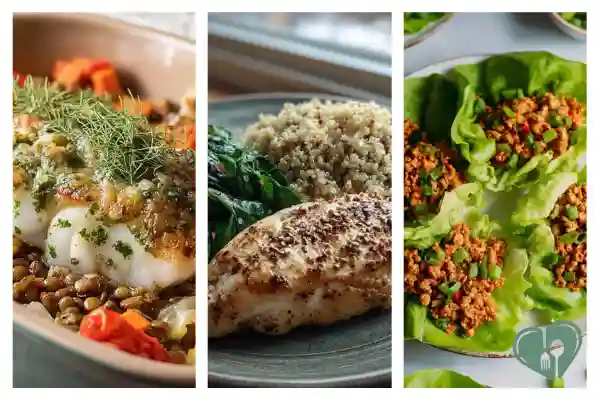
High protein diabetic dinners are usually what people think they are eating. Until night hits and everything falls apart.
Dinner looks fine. Plate is clean. Then hunger shows up again. Not real hunger maybe. Just that feeling that something is missing. Energy dips. The urge to snack creeps in for no clear reason.
That is not a failure. It is usually dinner.
Most dinners do not have enough protein to hold through the evening. They fill the plate but not the gap. So blood sugar gets loud. Hunger gets annoying. The night turns into damage control.
High protein diabetic dinners change that. They sit heavier in a good way. They slow things down. They make dinner feel finished instead of temporary.
This is not about perfect meals or strict rules. It is about eating dinners that stop causing problems later. Meals that you can repeat without thinking too hard.
That is what this is about.
What a Balanced Diabetic Dinner Plate Looks Like
You do not need to overthink this.
Dinner does not need a formula taped to the fridge. It just needs to not fall apart after you eat it.
Some plates look fine and still leave you hungry. Or tired. Or pacing around later. This is about avoiding that.
Start With Protein
Protein goes on the plate first. Always.
If you start with vegetables or carbs, protein usually ends up being too small. That is when things slide.
Chicken, fish, turkey, tofu, eggs, beef. Whatever you like and will actually eat again. The portion should feel obvious. Not a tiny piece. Not a snack.
If you finish dinner and want more food right away, protein was probably the issue.
Add Fiber From Non Starchy Vegetables
Vegetables take up space. That is kind of the point.
They slow things down. They make the plate feel full. They do not cause much trouble later.
Nothing fancy. Greens. Broccoli. Zucchini. Brussels sprouts. Peppers. Cooked, raw, mixed together. It does not matter that much.
If vegetables are barely there, dinner usually feels off.
Include Smart Carbs When They Make Sense
Sometimes carbs are there. Sometimes they are not.
Some nights quinoa or lentils feel right. Other nights they do not. Both are fine.
If you add them, keep it small. One scoop. Not the star of the plate. If you skip them, also fine. Many people do.
You can rotate. You do not need to decide forever.
Why This Plate Works So Well
It just does.
Less guessing. Less fixing things later. Dinner feels done when it is done.
You eat. You stop. You move on.
That is kind of the goal.
Grilled Chicken with Quinoa and Spinach
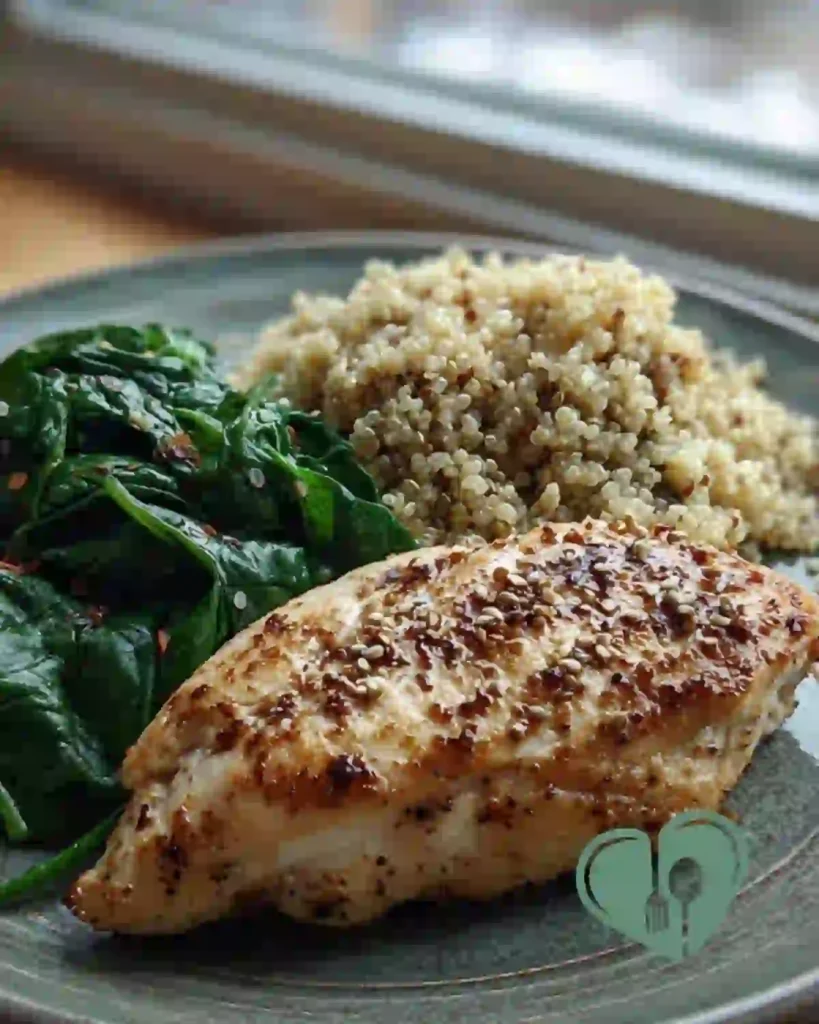
This one is boring in a good way.
It shows up a lot because it works. And because it does not fight you.
Chicken first. Always chicken first.
Grill it, pan it, bake it. Whatever you do on autopilot. Do not overthink seasoning. Salt. Pepper. Something green. Done.
If the chicken tastes fine cold the next day, that is a win.
Quinoa stays small here. Not a bowl. Not a base. Just enough to feel like dinner is real. Some nights you want it. Some nights you do not. Both versions work.
Spinach fills the rest. Big handfuls. It shrinks anyway so it looks like less than it is. Raw or cooked. Does not matter much.
This meal tends to sit well. You eat it and you are not hunting for food an hour later. That is usually the test.
If you want more flavor, add it. Lemon. Garlic. A little oil. Just do not turn it into a project.
That is kind of the point with this one.
Baked Cod with Lentils and Steamed Vegetables
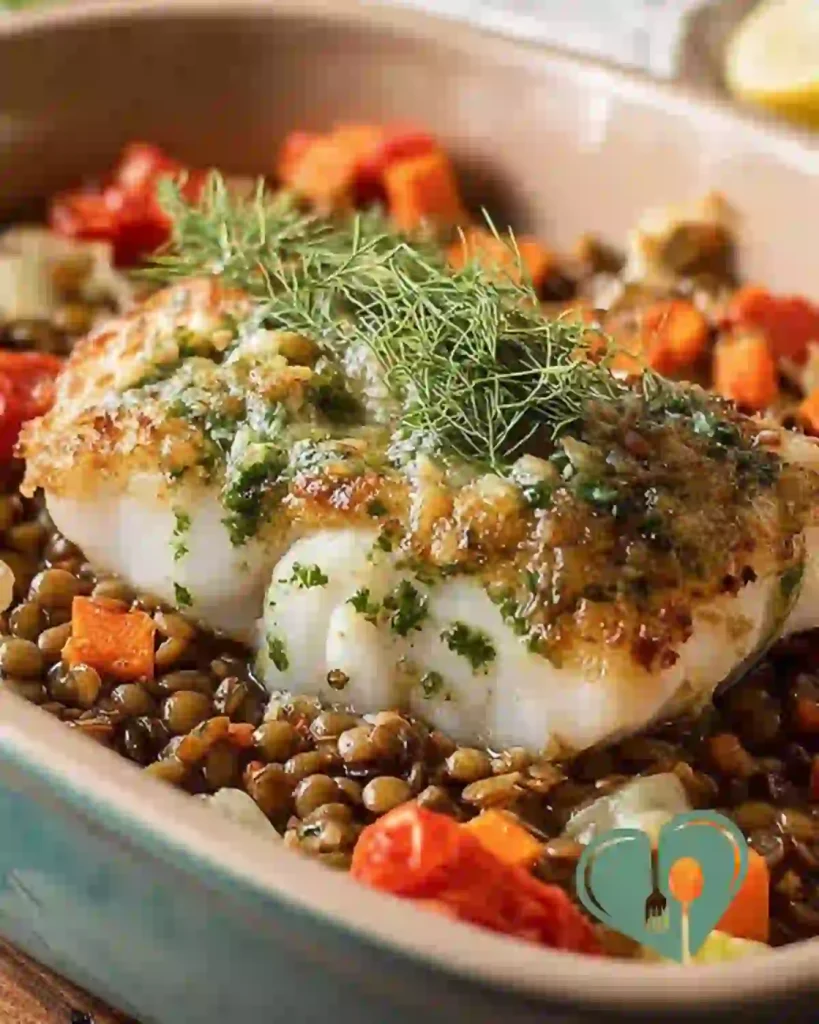
This one feels lighter, but it still holds.
Cod is quiet food. It does not ask for much.
Bake it. Salt. Pepper. Maybe lemon if you remember. If you forget, it is still fine. Fish cooks fast so dinner does not drag on.
Lentils are the carb here, but they behave better than most. Small scoop. Not a pile. Enough to feel steady, not heavy.
They also save you later. You do not get that empty feeling an hour after eating fish.
Vegetables fill the rest. Steamed, roasted, whatever was easiest. Broccoli, green beans, carrots. Nothing fancy. This meal does not need flair.
This is the kind of dinner that does not spike things, but also does not leave you bored and restless. You eat it and you are good for a while.
It is also one of those meals that works when you are tired and do not want to think.
That matters more than it sounds.
Turkey Lettuce Wraps with Asian Inspired Flavor
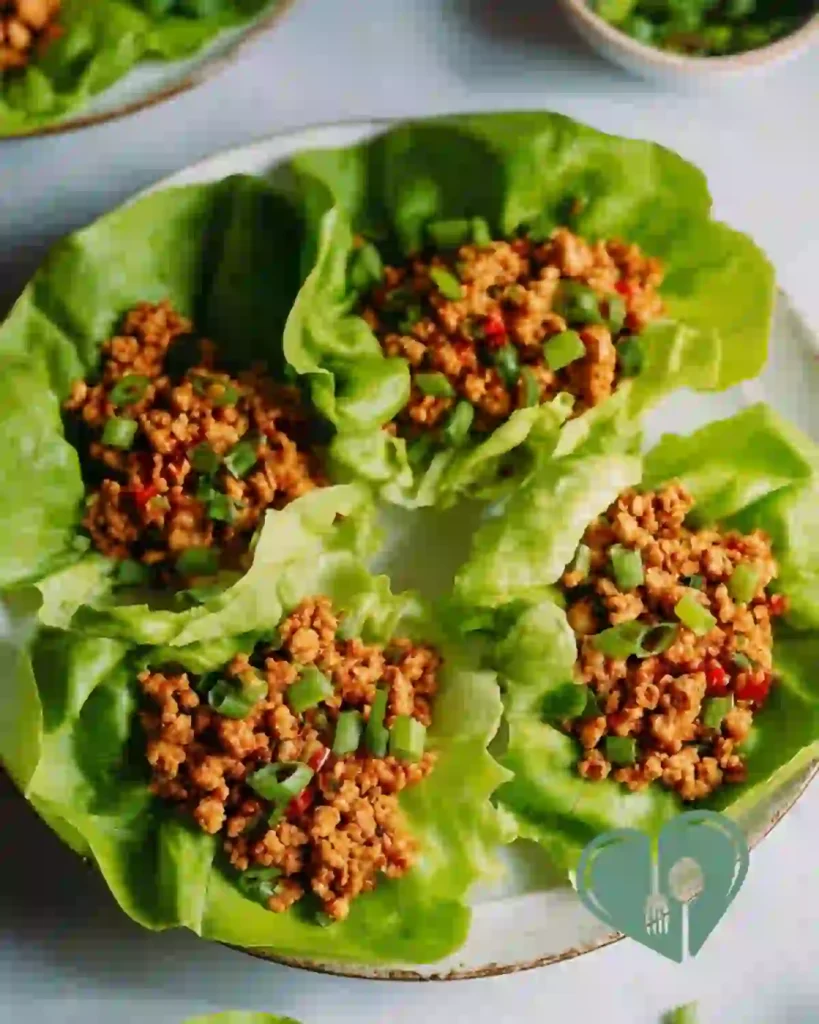
This one feels like you are cheating a little. You are not.
Ground turkey is easy food. It does not ask questions.
Cook it in a pan. Break it up. Let it brown a bit. Do not rush it too much. Salt. Garlic. Ginger if you have it. Soy sauce or something similar. Not a lot.
The smell usually does the work for you.
Lettuce replaces the wrap. Crunchy kinds work best. You scoop, you spill a little, you keep going. It does not need to be neat.
This is one of those dinners where you can eat slowly without trying. That helps more than people admit.
You can add vegetables into the pan if you want. Mushrooms. Peppers. Shredded carrots. Or you can skip it and just eat it as is.
Both versions show up the same later.
This meal tends to stop cravings before they start. You feel fed, not weighed down. It ends without a second round.
That is usually enough.
Pan Seared Tofu with Roasted Vegetables
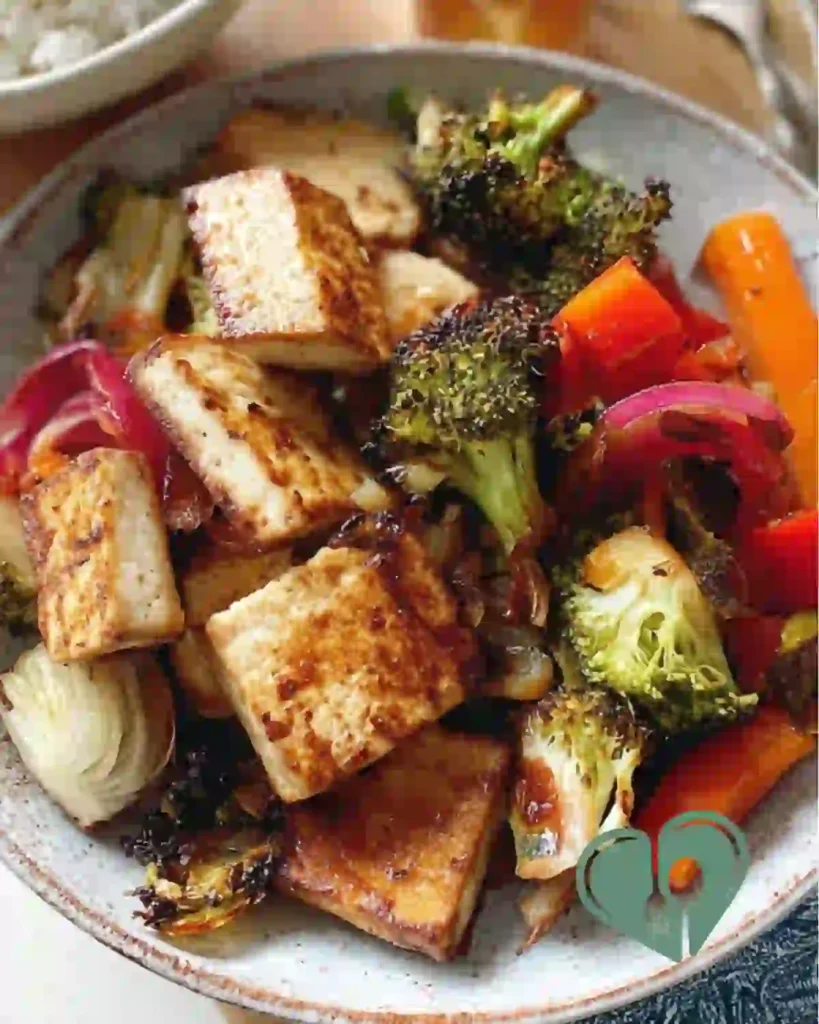
This one surprises people. Usually the same people.
Tofu gets a bad reputation. Mostly because people rush it.
Press it if you remember. If you do not, it still works. Slice it thick. Not delicate. Put it in a hot pan and leave it alone for a bit. That part matters.
Salt helps. Oil helps. Browning helps more than seasoning.
Vegetables go in the oven. Whatever you have. Broccoli, cauliflower, Brussels sprouts, zucchini. Toss them with oil. Roast until the edges look a little tired.
That is when they taste good.
This meal feels solid without being heavy. You finish it and do not feel like you skipped something. That is the important part.
It also sits well later. No weird hunger. No sudden crash. Just done.
If tofu is not your thing yet, that is fine. Some people come around. Some do not. This one is still worth having in rotation if you want a plant based night that actually holds.
Sheet Pan Steak with Brussels Sprouts
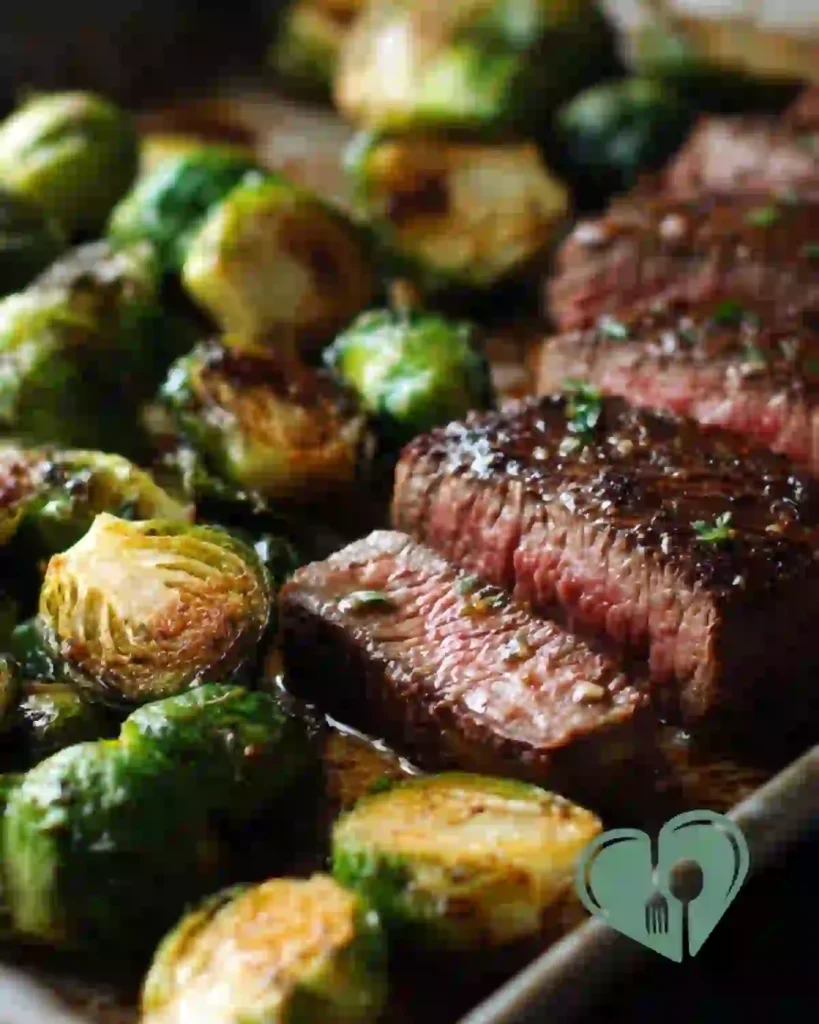
This one is heavier. On purpose.
Steak goes on the pan first. Big pieces. Not sliced thin. This is not that kind of meal.
Salt it. Let it sit a minute if you remember. If not, fine.
Brussels sprouts get tossed with oil and shoved next to it. They take abuse well. High heat helps. Let the edges get dark. That is where the flavor shows up.
Everything goes in the oven together. One pan. No juggling.
This is the dinner you eat when lighter meals have not been enough. When you want to feel grounded. When you want dinner to actually feel finished.
It tends to shut hunger up for the night. Not gently. Just completely.
You might eat slower with this one. That happens. Steak does that.
After this meal, there is usually no follow up snack. No mental back and forth. Dinner is done and stays done.
That is why it earns its spot.
Animal vs Plant Protein for Diabetes
People get weird about this part.
Like you have to pick a side and stay there forever. You do not.
Animal Protein
Animal protein is direct.
Chicken, fish, beef, eggs. You eat it and it works. It fills you up fast. It usually quiets hunger without much effort.
For a lot of people, this makes dinner easier. Fewer cravings later. Less stacking food on top of food.
The downside is not blood sugar. It is boredom. Eating the same few proteins over and over gets old. That is usually when people drift.
Plant Protein
Plant protein is slower. Sometimes softer.
Beans, lentils, tofu. They come with carbs and fiber baked in. That can be good or annoying depending on the day.
When portions are reasonable, plant protein dinners can feel steady and calm. When portions creep up, things get noisy later.
These meals usually take a little more attention. Not more skill. Just more awareness.
What Actually Works Long Term
Mixing them.
Some nights animal protein feels better. Other nights plant based food just sits right. Switching keeps dinner from feeling like a rule you are stuck with.
Most people do best when they stop trying to be perfect about this and just rotate. The body cares more about consistency than labels.
You will feel it when something stops working. That is usually your cue.
How These Meals Support Long Term Consistency
This part is less obvious.
It is not about numbers. Or plans. Or doing things the right way.
It is about what happens after dinner.
Some meals leave you thinking about food again right away. Even if you ate enough. Even if it looked balanced on paper.
These dinners usually do not.
You eat. You feel settled. You do something else. That gap matters.
Energy stays flatter in the evening. Not wired. Not foggy. Just normal. That makes it easier to stop snacking out of boredom or habit.
Planning gets simpler too. When dinners work, you repeat them. Repeating meals is underrated. Fewer decisions. Less second guessing at the store.
You start trusting dinner again. That sounds small but it changes things.
Once that happens, the rest tends to fall into place without effort. Not perfectly. Just enough.
Connecting Balanced Dinners to the Full Guide
If dinners like this work, people usually want more of them.
Not more ideas. More relief.
Once dinner stops being a problem, other things get quieter. Shopping gets easier. You stop standing in the kitchen wondering what went wrong again.
That is where the full guide comes in.
It is not a reset or a challenge. It is just more of this. More dinners that hold. More meals you can repeat without thinking too hard.
Weeks instead of one night. Fewer decisions stacked on top of each other.
If you are tired of fixing dinner after dinner, this is the next step.
Not urgent. Just there when you want it.
That’s It
That’s all of them.
Nothing clever. Nothing extra. ” And if you want a longer list built the same way, 20 Easy Diabetic Dinner Recipes keeps the structure simple without adding noise.” just dinners that do what they are supposed to do and then get out of the way.
When dinner stays steady, the rest of the day usually settles down too. Not every time. Often enough.
Use these. Ignore them. Come back later. It does not matter.
They still work when you need them.

Sami Ahmed is a Diabetes Nutrition Coach at The Diabetic Recipes. He blends science with everyday cooking to create meals that stabilize blood sugar without sacrificing taste. Sami’s passion lies in helping people with diabetes enjoy food confidently — one balanced, flavorful recipe at a time.