

Managing blood sugar isn’t just about avoiding sweets even some vegetables can throw it off. That’s why knowing the best low carb vegetables for diabetics matters. You might think you’re making a healthy choice, only to get hit with a glucose spike worse than a piece of toast.
Some vegetables support blood sugar control low net carbs, high fiber, steady absorption. Others? Not so helpful once they’re digested.
This guide breaks down the ones that actually help. Whether you’re managing diabetes, dealing with insulin resistance, or just want to avoid that post-lunch crash, these picks will give you more stability and fewer surprises.
You’ll learn:
- The top 10 vegetables that don’t spike glucose
- Why fiber and glycemic load are essential
- Simple ways to cook and combine them for better control
Once you’re clear on what works, it’s easier to build meals that support your goals without giving up real food.
Why Choosing the Right Vegetables Makes or Breaks Blood Sugar Control
Here’s something most food labels won’t tell you: not all vegetables are blood sugar-friendly. It sounds odd, right? But if you’ve ever felt sluggish after a serving of peas or roasted carrots, you’ve seen it in action.
The issue comes down to starch. Some vegetables digest more like bread than greens fast, sugary, and rough on your insulin. Others, especially non-starchy ones like spinach, broccoli, or zucchini, work the opposite way: slow digestion, steady absorption, fewer spikes. They’re less about drama, more about stability.
People often ask, “Should I cut out starchy vegetables entirely?” Honestly, that depends. If you’re tracking your glucose closely, small portions can fit especially if they’re surrounded by fiber, fat, and protein. But for everyday stability? Non-starchy vegetables are the low-risk, high-reward move.
They don’t just fill your plate. They buffer it metabolically speaking. And over time, those smaller spikes can mean a much smoother ride.
What Makes a Vegetable Blood Sugar-Friendly?
Not every low-carb food is a good choice for blood sugar and not every vegetable is as harmless as it seems. So how did we decide what made the cut?
First off, net carbs. That’s the number people with diabetes tend to focus on it’s what’s left after you subtract fiber from total carbs. But net carbs alone don’t tell the whole story. Some foods are technically low in net carbs but still spike blood sugar because they digest fast.
That’s where fiber comes in. The more fiber a food has, the slower your body breaks it down. It doesn’t just “cancel out” carbs it changes the way your body responds to them. High-fiber veggies tend to make meals more stable, less spiky.
And then there’s glycemic load. A bit technical, yeah but useful. It tells you not just how fast a food raises blood sugar, but how much it raises it based on a normal serving. Something can have a high glycemic index but a low glycemic load if you’re only eating a little bit. Big difference.
So to answer the question: What makes one vegetable better than another for blood sugar? It’s a mix of things fewer digestible carbs, more fiber to slow the impact, and a realistic look at how much it’s likely to affect you.
That’s the lens we used. No hype. Just stuff that works.
The Blood Sugar-Friendly Top 10 Vegetables
This list isn’t about what looks good on paper. It’s about what actually works in real kitchens, with real bodies, and real glucose readings.
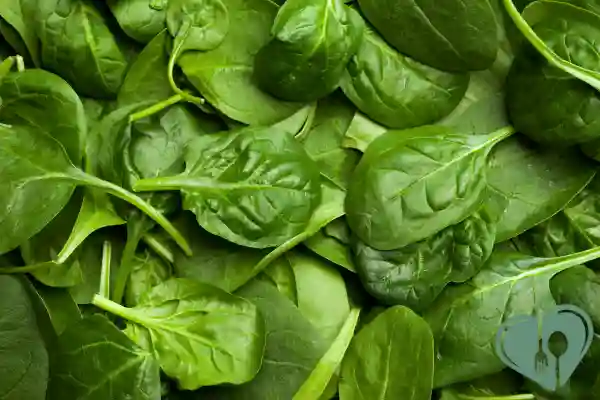
1. Spinach
Roughly 1g of net carbs per cup, cooked. It practically disappears in a pan which is a good thing when you’re trying to load up on nutrients. Magnesium-rich, low-impact, and goes with everything from eggs to soups.
2. Broccoli
Around 4g net carbs per cooked cup. If you tolerate brassicas well, this one’s a star. Fiber-dense, full of sulforaphane (which seems to help with insulin response), and surprisingly filling when roasted.

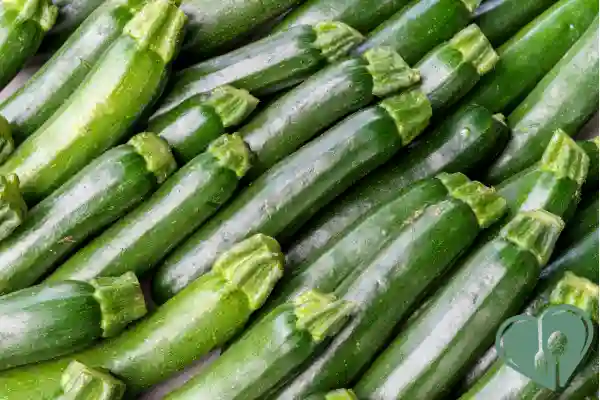
3. Zucchini
About 3g net carbs per cup, sliced. It’s mild, watery, and absorbs flavor well basically a blank slate. You can spiralize it, grill it, stuff it. Great for volume without the carb load.
4. Cauliflower
Also 3g net carbs per cup. Everyone talks about cauliflower rice but roasted florets or creamy mash may actually be more satisfying. A solid base veggie if you miss potatoes.

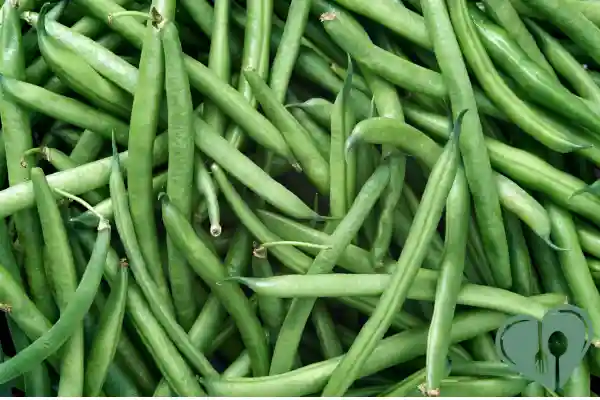
5. Green Beans
Roughly 4g net carbs per cup, cooked. They fly under the radar but hold up well in a sauté or quick blanch. Slightly sweet on their own, but won’t mess with your numbers.
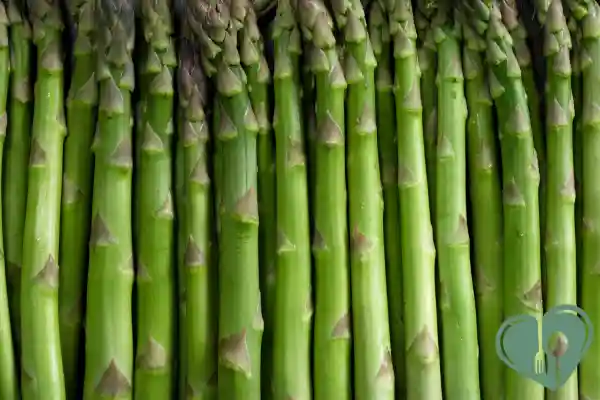
6. Asparagus
Closer to 2g net carbs per cup. Often overlooked in glucose discussions, but it has something going for it: chromium. It’s subtle, but that mineral plays a role in glucose metabolism.
7. Kale
About 3g net carbs per cooked cup. A little tougher than spinach, a little more bitter, but undeniably nutrient-dense. Best when it’s cooked down or turned crispy.

8. Mushrooms
Roughly 2g net carbs per cup, sliced. Okay they’re fungi, not vegetables. But they’re earthy, meaty, and almost carb-free. They add umami without raising blood sugar.

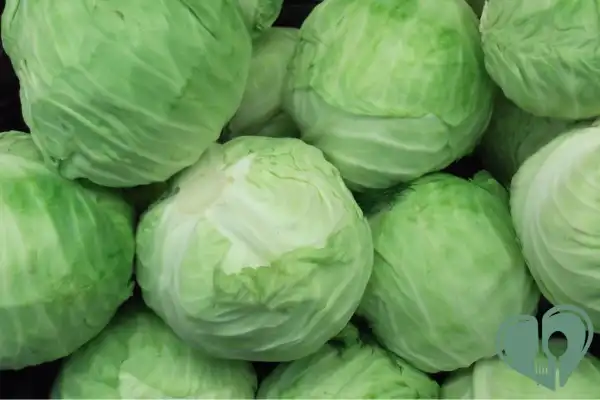
9. Cabbage
Close to 2g net carbs per shredded cup. Cheap, accessible, and surprisingly blood-sugar stable. Works raw in slaws or quick-cooked with vinegar and oil.
10. Bell Peppers
About 4g net carbs per cup, sliced. A bit sweeter, but still manageable especially green ones. Brightens up plates and adds crunch when you need it.

How to Cook and Pair Vegetables to Keep Blood Sugar in Check
What you eat matters but so does how you handle it. Some people overcomplicate it. You don’t need a special cooking method. Just get the vegetables soft enough to eat. If you’re short on time, throw them in a pan with a splash of water. If you want more flavor, use the oven a bit of browning brings out depth without needing to add anything sweet. And if you’re looking for simple, balanced ways to turn these veggies into full meals, here’s our guide on Low-Carb Dinner Planning for Diabetics.
Now, people sometimes worry: “Does cooking ruin the good stuff?” Not entirely. You might lose a little vitamin C, especially with long boiling, but most of the fiber stays. Some nutrients even become easier for your body to absorb once cooked. So no cooking isn’t the enemy.
The part that really makes a difference? What you eat with the vegetables. Add a protein. Add some fat. Doesn’t have to be fancy a piece of fish, some eggs, a scoop of hummus. That combination helps slow digestion and keeps your blood sugar steadier, longer. That’s the goal. Not perfect food. Just food that helps you feel better after eating it.
Quick Glance Chart: Your Blood Sugar-Friendly Veggie List
Below: net carbs, fiber, and glycemic load per 1 cup.
| Vegetable | Net Carbs | Fiber | Glycemic Load | Notes |
|---|---|---|---|---|
| Spinach | ~1g | ~4g | Very Low | High in magnesium, wilts easily |
| Broccoli | ~4g | ~5g | Low | Anti-inflammatory compounds |
| Zucchini | ~3g | ~2g | Low | Mild flavor, good for volume meals |
| Cauliflower | ~3g | ~3g | Low | Versatile substitute for starches |
| Green Beans | ~4g | ~4g | Low | Gentle on digestion, lightly sweet |
| Asparagus | ~2g | ~2g | Very Low | Contains chromium, supports insulin |
| Kale | ~3g | ~4g | Very Low | Dense and filling when cooked |
| Mushrooms | ~2g | ~1g | Very Low | Adds umami, nearly sugar-free |
| Cabbage | ~2g | ~2g | Very Low | Great raw or cooked, gut-supportive |
| Bell Peppers | ~4g | ~2g | Moderate | Best raw or roasted, green are lowest |
Questions People Actually Ask About Blood Sugar and Veggies
Do I need to cook them all?
No, not really. Some are fine raw bell peppers, spinach, cabbage, stuff like that. Others (kale, broccoli, cauliflower) are just easier on your gut when they’re cooked a little. If raw feels heavy or bloats you, that’s your body telling you something. Listen to it.
Can I eat corn or carrots without screwing up my numbers?
Yeah in small amounts. They’re higher in sugar, so you just have to be smart about when and how. Don’t eat a bowl of corn alone. Add it to something a protein, some fat. Slows it down. They’re not villains, but they’re not freebies either.
Which ones are most likely to spike me?
Potatoes (even sweet ones), corn, peas anything starchy, really. They break down faster. That doesn’t mean never eat them. Just don’t treat them like lettuce.
Eating for Stability, Not Perfection
Managing blood sugar isn’t about doing everything perfectly it’s about paying attention. What keeps you steady? What throws you off? The right vegetables might not be magic, but they can absolutely shift things in your favor.
The low-carb picks on this list aren’t just “safe” they’re practical. They give you volume, nutrients, and flexibility without sending your numbers on a rollercoaster.
And if you’re considering sticking with low-carb as a long-term strategy, this guide takes a closer look at what that really means for your health.
Keep this list handy. Tape it to your fridge. Use it as a base and build meals that support your blood sugar instead of fighting it. That’s the real win.

Sami Ahmed is a Diabetes Nutrition Coach at The Diabetic Recipes. He blends science with everyday cooking to create meals that stabilize blood sugar without sacrificing taste. Sami’s passion lies in helping people with diabetes enjoy food confidently — one balanced, flavorful recipe at a time.