
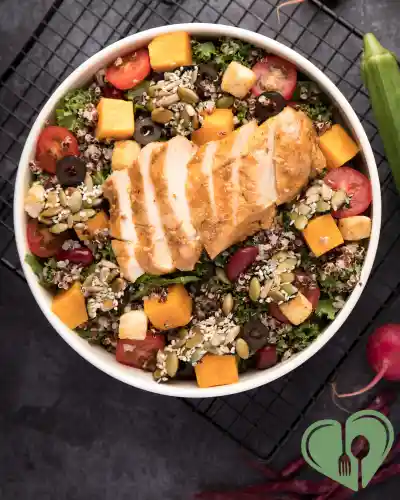
Whole food diabetic lunch ideas often sound like something only nutritionists rave about but for anyone actually living with diabetes, the reality is far more personal. You’re not just chasing “healthy.” You’re chasing stability, energy, and let’s be honest… meals that don’t make you dread lunchtime.
Maybe you’ve tried the low-carb route and felt deprived, or you’ve gone with “diabetic-friendly” packaged meals that somehow tasted like cardboard. That’s where whole foods change the game. These are foods in their most natural state think crisp veggies, tender proteins, hearty grains and they work with your body, not against it. They don’t just help keep blood sugar steady; they bring back flavor, variety, and a sense of control you might have been missing.
This article walks you through the why and the how. You’ll see why whole foods pack a metabolic punch, learn which ingredients actually belong on your plate, and get a no-brainer formula for assembling lunches without calorie-counting stress. Plus, I’ve included five easy recipes that feel fresh, filling, and importantly worth looking forward to.
If you’ve ever thought “healthy” meant tasteless, this guide is here to flip that belief on its head. Ready to give lunchtime a glow-up? Keep reading.
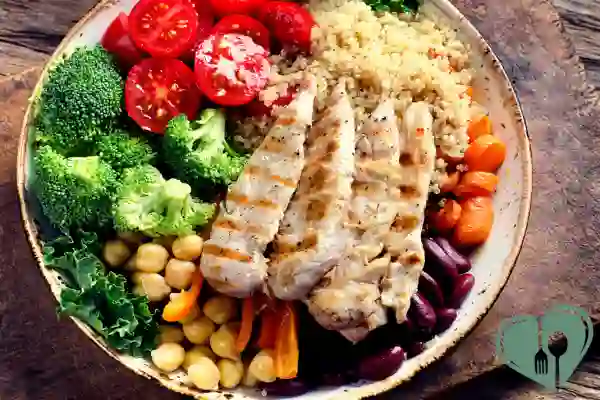
Why Whole Foods Are Best for Diabetics
You know, it’s funny I used to roll my eyes at the phrase “just eat whole foods.” It sounded like something you’d see on a poster at a health store, not actual advice. But after watching a friend with type 2 diabetes slowly change her lunches swapping out processed stuff for real, simple meals I noticed she stopped having those 3 p.m. crashes. She swears by it. And honestly, it makes sense.
They Keep Blood Sugar From Acting Up
Here’s what I’ve seen (and felt myself): processed carbs are like lighting a match quick burn, quick out. Whole foods? More like a candle slow steady, dependable. When you eat things like lentils or roasted veggies, your blood sugar rises gently instead of shooting to the moon. That gentle curve? It’s gold when you’re trying to stay balanced.
No Surprises Hiding in the Fine Print
Processed foods love to trick you. Even the “healthy” ones hide sugars or weird additives that send your glucose all over the place. Whole foods don’t have a fine print. You cut open an avocado, roast some salmon, throw a few greens on the side done. No mystery ingredients, no games.
It’s About More Than the Numbers
Here’s the part most diet advice skips: eating whole isn’t just about your meter readings. These foods quietly help everything gut, energy, mood, even how well your body handles insulin. It’s like your system sighs in relief because you’re giving it something it actually knows what to do with.
FAQ: Will whole foods stop spikes completely?
Nope, and they don’t need to. Your sugar will still rise that’s normal. What changes is how it rises: slower, calmer, easier to manage. And that difference? It adds up over time.
What Counts as a Whole Food in a Diabetic Diet
When I first started paying attention to “whole foods,” I assumed it just meant eating vegetables. Turns out, it’s a little broader than that and a lot more forgiving. Whole foods are basically foods that look like themselves. They haven’t been stripped, dyed, or loaded with ingredients you can’t pronounce. And for someone managing diabetes, they’re the safest bet: simple, steady, and nourishing.
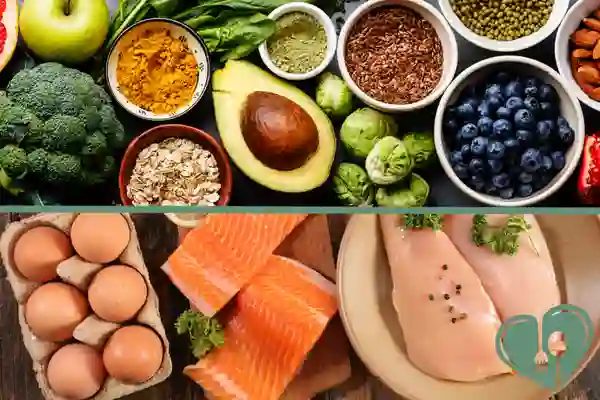
Whole Grains: Carbs That Actually Play Nice
Try Quinoa, barley, bulgur or buckwheat not the sexiest names, but they’re reliable. Unlike white bread or instant noodles, they keep their natural fiber, which slows digestion. That means they don’t dump sugar into your bloodstream all at once. Cook them right, and they’re actually pretty tasty nutty, chewy, satisfying.
Want to explore more options? Check out our guide on Best Whole Grains for Blood Sugar-Friendly Lunches.
Lean Proteins: The Quiet Heroes
Chicken, fish, tofu, beans, eggs proteins don’t spike blood sugar, and they make everything else you eat behave better. They’re also the easiest to prep in bulk. Grill a few chicken breasts, roast a piece of salmon, or keep hard-boiled eggs on hand lunch just got simpler.
Looking for more meat-free options? Check out Easy Plant-Based Lunches for Type 2 Diabetes.
Non-Starchy Vegetables: The Free-Pour Foods
Leafy greens, zucchini, bell peppers, cauliflower these are the foods you can pile high without a second thought. They’re low in carbs, high in fiber, and full of texture. Roast them until crispy, sauté with garlic, throw them raw into a salad they make meals feel big without blowing up your numbers.
Healthy Fats: The Game-Changers
Olive oil avocado nuts and seeds these tiny additions pull more weight than you think. They add flavor, keep you full, and slow digestion. Sprinkle, drizzle, slice you don’t need much to feel the difference.
FAQ: Is “natural” the same as whole?
Not even close. The food industry loves slapping “natural” on processed snacks. If it’s been altered beyond recognition or stuffed with additives, it’s not a whole food. A simple rule: if you could imagine it growing or walking around, it’s probably the real deal.
How to Build a Whole-Food Lunch Plate
Here’s the truth I used to overcomplicate this. I’d line up measuring cups, weigh the chicken, stress over every carb. It felt like a math class, not a meal. Then one day, I ditched all that and just looked at my plate differently. That’s when eating finally stopped feeling like a chore.
The ½–¼–¼ Plate (Forget the Numbers)
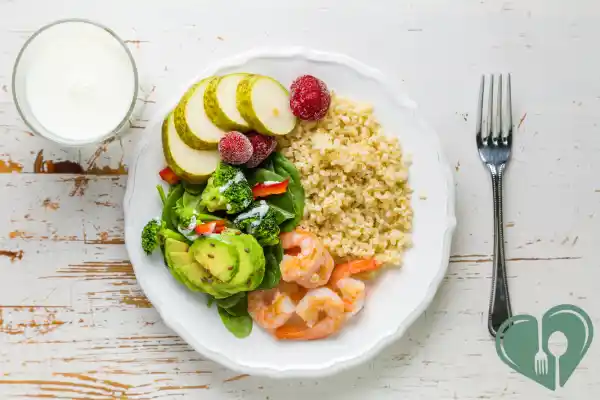
You don’t need a scale. Just use your eyes. Half the plate? Fill it with vegetables that don’t spike blood sugar think roasted zucchini, spinach, bell peppers, cauliflower. A quarter goes to protein: chicken, salmon, tofu, beans whatever you’ll actually eat. The last quarter is for slow carbs like quinoa, barley, or lentils. Add a little healthy fat olive oil, avocado, nuts and you’re done. No tracking. No stress. Just food that works.
How It Looks When You’re Eating for Real
- Pile of greens and cucumber (½), grilled salmon (¼), quinoa (¼), olive oil and lemon.
- Roasted broccoli and cauliflower (½), turkey slices (¼), lentils (¼), avocado chunks.
- Stir-fried veggies (½), crispy tofu (¼), buckwheat (¼), sesame seeds sprinkled over.
Why This Doesn’t Feel Like a “Diet”
What makes this work? It’s easy. Veggies bring fiber, protein keeps you satisfied, carbs give you steady energy, and fats make everything taste better. No rules, no drama just meals that leave you full and steady. Do it enough, and it becomes automatic.
FAQ: Do I need to get it perfect?
No. Some days you’ll have more veggies, other days more protein it’s fine. You’re not aiming for perfection; you’re aiming for balance. And when you hit that most of the time, you’ll feel the difference.
5 Whole-Food Lunch Recipes for Diabetics
Here’s the honest truth: if a recipe feels like work, you probably won’t make it twice. These five? They’re the ones you throw together without thinking the ones that actually fit into a weekday, taste good, and won’t wreck your blood sugar. No rules, no fuss, just meals you’ll come back to.
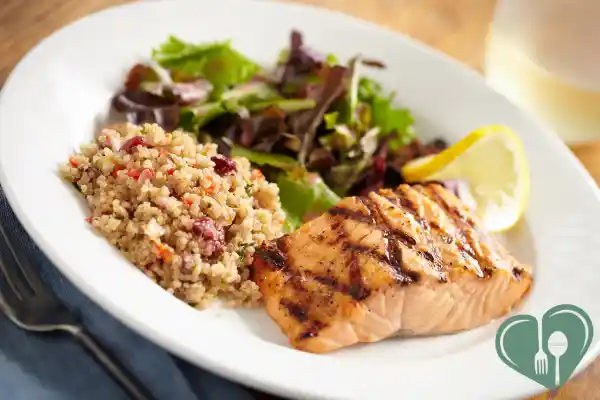
Grilled Salmon with Quinoa and Spinach
I make this when I want something decent but easy. Just season salmon with salt and pepper, maybe lemon if it’s around. Cook it until it’s crispy on the edges. Throw it on spinach with some quinoa. Drizzle olive oil done.
Chickpea Salad with Cucumber and Lemon
This one is for days when I can’t be bothered to cook. I open a can of chickpeas, rinse them, chop up whatever veggies I have cucumber, tomato, even a bit of onion if it’s around. Toss it with olive oil, lemon, salt, and that’s lunch.
Turkey Lettuce Wraps with Avocado
These are messy but good. I take big lettuce leaves, pile in turkey, avocado slices, maybe some shredded carrots. Sometimes I smear on mustard, sometimes not. It’s quick and hits the spot.
For more ideas like this, check out Fast & Fresh Diabetic Lunches That Don’t Spike Blood Sugar for quick meals that won’t spike your blood sugar.
Lentil Bowl with Roasted Vegetables
Roast whatever veggies you’ve got lying around zucchini, peppers, cauliflower and serve them over warm lentils. Add olive oil or tahini to finish. It’s hearty without being heavy.
Tofu Stir-Fry with Cauliflower Rice
I fry tofu with garlic, throw in veggiesusually whatever’s there, broccoli, peppers, anything. Serve it on cauliflower rice, add sesame seeds if I remember, maybe soy sauce. It’s quick and does the job.
FAQ: Can I prep these ahead?
Yeah. Cook grains and proteins in one go, keep sauces separate. When it’s lunchtime, you just throw everything together. No thinking required.
Shopping Tips for Whole-Food Ingredients
Shopping for whole foods isn’t hard, but stores make it tricky with all the packaging and “healthy” labels. Here’s what I actually do when I’m trying to keep it simple.
Read the Label (If There Is One)
If there’s an ingredient list, it should be short. If there’s sugar, corn syrup, or words you can’t pronounce, I usually put it back. Whole foods don’t need fancy labels.
Fresh or Frozen?
Either works. I buy fresh veggies when I know I’ll use them right away. Frozen is a lifesaver because it doesn’t go bad and still has all the nutrients.
Keep Proteins Simple
Skip the processed stuff. I go for plain chicken, fish, eggs, tofu, or beans. If it’s breaded, sauced, or has “added flavor,” there’s usually junk in it.
Meal Prep Strategies Using Whole Foods
Meal prep doesn’t have to mean spending all Sunday cooking. I don’t do that. I just make a few things ahead so I can throw lunches together fast during the week.
Cook in Batches
I’ll cook a bunch of chicken or tofu at once, same with grains like quinoa or barley. Then I have them ready to use in different meals.
Chop Veggies Ahead
If I have time, I cut up peppers, cucumbers, or whatever I bought so they’re ready to grab. It saves me from skipping the veggies later.
Keep Dressings Separate
I learned this the hard way if you mix dressings in early, everything gets soggy. I keep sauces in small containers and add them right before eating.
FAQ
Can frozen vegetables count as whole foods?
Yes. They’re just as good as fresh, sometimes better because they’re frozen right after picking.
Are all whole grains low GI?
Not all of them. Stick to things like quinoa, barley, bulgur, or oats they’re slow to digest and won’t spike sugar.
How do I add flavor without processed sauces?
I use herbs, spices, lemon, vinegar, olive oil. Garlic and onion go a long way too. You don’t need bottled sauces for taste.
Whole Food Diabetic Lunch Ideas – Final Thoughts
Look, there’s nothing magical here. It’s just eating food that’s closer to how it came veggies, decent protein, grains that don’t spike you, and a bit of fat to make it taste good. That’s the whole thing.
You don’t have to count or stress over it. Build your plate with those pieces, mix them up however you like, and you’re good.
Try one idea from here this week. See how you feel. If it works, keep going. That’s it. No perfect plan, no big rules just food that keeps you steady.

Sami Ahmed is a Diabetes Nutrition Coach at The Diabetic Recipes. He blends science with everyday cooking to create meals that stabilize blood sugar without sacrificing taste. Sami’s passion lies in helping people with diabetes enjoy food confidently — one balanced, flavorful recipe at a time.