
Let’s be honest, if you live with diabetes (or cook for someone who does), managing food can sometimes feel like a full-time job. You’re constantly calculating carbs planning meals, and trying not to waste time or energy. That’s exactly where batch cooking and freezer-friendly crockpot meals for diabetics change the game. Imagine opening your freezer and finding perfectly portioned, ready-to-heat dishes that don’t send your blood sugar on a rollercoaster just calm, steady energy and peace of mind.
Here’s the truth: for many of us, recipes for diabetics often sound restrictive bland chicken, predictable salads, the same “safe” dinners on repeat. But what if diabetic meal prep could actually be freeing instead of limiting? That’s the beauty of slow cookers and batch prep. You invest a few relaxed hours once a week, then coast through the rest of it with healthy, balanced meals that practically make themselves.
Batch cooking isn’t just about saving time (though that’s a huge perk). It’s also about stabilizing your blood sugar. When you cook in batches you’re not grabbing snacks or eating out impulsively you’re eating consistently, on your terms. Each freezer-friendly crockpot meal becomes a small act of self-care: pre-measured, low in refined carbs, and high in the kind of comfort that doesn’t mess with your glucose levels.
And let’s talk practicality for a second. Freezing slow-cooked meals means you can use affordable proteins like turkey, beans or lean beef without worrying about spoilage. It’s smart nutrition that fits real life the workday rush the unpredictable evenings, the days when your willpower just isn’t there.
In this guide, we’ll break down:
- How batch cooking supports glycemic control
- The science behind freezing cooked protein meals
- Smart portioning before freezing
- The best crockpot meals to make ahead (like turkey meatballs, chili and beef & cauliflower bowls)
- Plus, how to label, reheat, and store them safely
By the end, you’ll have a system that works with your body, not against it a freezer full of confidence, not chaos.
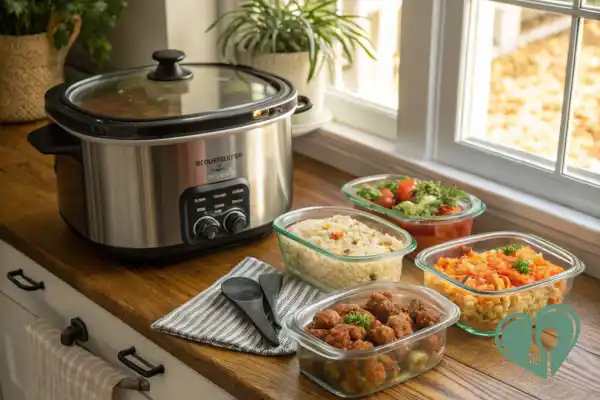
Benefits of Batch Cooking for Glycemic Control
If there’s one secret weapon for keeping blood sugar steady without living in the kitchen, it’s batch cooking. Think of it as a rhythm a predictable balanced way to feed your body well, without the constant glucose spikes that come from rushed or unplanned eating. For people managing diabetes, planning ahead isn’t a luxury; it’s a form of stability. And that’s exactly what batch cooking and freezer-friendly crockpot meals for diabetics deliver.
When meals are prepped in batches, your insulin response has fewer surprises to deal with. You’re eating foods you’ve chosen, measured and prepared intentionally not reacting to whatever’s quick or available. That consistency helps maintain a smoother glycemic curve, meaning fewer highs and lows that leave you tired or craving carbs.
According to the American Diabetes Association, structured meal timing and balanced carbohydrate portions play a major role in reducing blood sugar fluctuations – making batch cooking one of the most practical tools for daily glucose management.
BTW, there’s also something emotionally grounding about knowing dinner is already handled. Less decision fatigue, less temptation.
Why It Works for Blood Sugar Control
Slow-cooked meals tend to have a lower glycemic impact than many quick-cooked foods. Proteins and fibers have time to break down in a way that enhances nutrient absorption without spiking blood sugar. Crockpot recipes like turkey chili or beef and cauliflower bowls create steady energy release which helps your body use insulin more efficiently.
Here’s the practical math of it:
- Prepped = predictable portions. Each meal is balanced and measured ahead of time.
- Frozen = fewer temptations. You eat what you planned, not what’s convenient.
- Slow-cooked = better satiety. The flavors deepen keeping you fuller longer.
Bonus Benefit: Fewer Emotional Triggers Around Food
People rarely talk about this but batch cooking softens the emotional side of diabetic eating. It’s not just about what you eat but how you relate to food. having healthy meals ready means fewer guilty decisions, less late-night snacking and a better relationship with your own choices.
Does batch cooking help lower A1C levels?
Yes indirectly. While batch cooking alone doesn’t lower A1C, it supports consistent eating patterns that stabilize blood glucose. Over time, that steady control contributes to improved A1C readings, especially when paired with balanced macronutrients and mindful portioning.
The Science of Freezing Cooked Protein Meals
Here’s a fun truth most people don’t realize: your freezer isn’t just a storage space – it’s a time capsule. When done right, freezing locks in both flavor and nutrition, especially in batch cooking and freezer-friendly crockpot meals for diabetics. But the science behind it matters, particularly if your meals rely on protein for steady blood sugar control.
When you slow-cook foods like lean beef, turkey, or beans, you’re not just creating flavor – you’re breaking down tough fibers and connective tissues in a way that actually makes proteins more digestible. Once those meals cool and you freeze them, that transformation pauses. The cell structure of the protein stabilizes, meaning nutrients like iron and B vitamins remain intact. It’s why reheated chili or shredded turkey can still taste hearty and nourishing days (or even weeks) later.
How Freezing Affects Texture and Nutrition
Let’s break this down a bit. During freezing water inside the food turns into ice crystals. The smaller the crystals, the better your texture will be later. That’s why cooling meals quickly before freezing helps preserve tenderness – especially for slow-cooked proteins. A good rule: let your crockpot meal cool for about 30 minutes, then portion and freeze promptly.
The real win for diabetics? Nutrient retention. Freezing halts enzyme activity, which means your carefully balanced carb-protein ratios don’t degrade over time. Plus, frozen meals don’t require preservatives or added sugars to “keep.” You’re literally freezing health in place.
Which Proteins Freeze Best
- Ground turkey: stays tender and reheats evenly
- Lean beef: perfect for chili or stews
- Chicken breast/thighs: hold moisture well after slow cooking
- Beans or lentils: maintain fiber and structure when reheated gently
These proteins create recipes for diabetics that are not only flavorful but blood-sugar friendly even after reheating.
Does freezing food destroy protein quality?
Not at all. Freezing changes texture more than nutrition. Protein molecules remain stable in frozen form, so you’ll still get the same muscle-supporting benefits and steady blood sugar control – as long as meals are reheated properly (not overcooked or microwaved to dryness).
How to Portion Before Freezing
Here’s where most people slip up – they master the cooking part but lose the balance at portioning. For those managing diabetes, how much you freeze matters just as much as what you freeze. In batch cooking and freezer-friendly crockpot meals for diabetics, portioning isn’t just about convenience; it’s about glycemic control.
When your meals are portioned properly, you’re protecting yourself from accidental overeating – or worse, uneven carb loads that can send your glucose swinging. Think of each portion as a “nutritional unit”: predictable consistent and easy to log. The goal is to build portions that balance protein, fiber, and complex carbs, giving you stable energy when reheated later.
For more inspiration on what freezes best and how to keep flavors intact, explore Freezer Meals for Type 2 Diabetes: Safe & Tasty Options — a companion guide with practical, tested recipes that work beautifully for make-ahead diabetic meal prep.
The Balanced Portion Formula
Here’s a simple mental model that works for most recipes for diabetics:
- ½ cup lean protein (about the size of your palm)
- ½ cup non-starchy vegetables (broccoli cauliflower zucchini,etc.)
- ¼ cup complex carbs (beans quinoa or sweet potato)
- Optional: 1 tsp healthy fat (olive oil drizzle or nuts)
Label each freezer container with portion size and carb count if possible – especially useful if you track macros or insulin. For those caring for a diabetic family member, this step turns guesswork into reassurance.
Smart Storage Tricks
Freeze meals flat in zip-top bags or use small glass containers to stack neatly. You’ll thank yourself later when you can grab exactly what you need – not an oversized portion that throws off your meal plan. If you tend to cook in bulk, try freezing in tiers: a few single-serving meals for quick lunches, and a couple of family-sized portions for dinners.
And here’s a tip no one tells you: portion after cooling, not right out of the crockpot. Warm food can trap steam and cause ice crystals, which affect both texture and nutrient quality later on.
How do you calculate diabetic-friendly portion sizes for freezing?
Start with your daily carb goal and divide it by the number of meals you plan to eat. For example, if your target is 120 grams of carbs per day over three meals, aim for roughly 40 grams per portion. Combine that with 20–30 grams of protein and plenty of fiber for optimal blood sugar stability.
Best Crockpot Meals for Freezing
You know that quiet satisfaction when you open the freezer and see neat stacks of homemade meals waiting not chaos not takeout boxes, just calm? That’s what batch cooking and freezer-friendly crockpot meals for diabetics give you. It’s a kind of quiet relief knowing dinner is handled, blood sugar will stay steady, and you actually have more time for life.
Let’s be real, though not every slow cooker recipe deserves a spot in your freezer. Some fall apart, others turn watery or bland. But a few dishes? They hold up beautifully, like they were built for the deep freeze. These are the kind of recipes for diabetics that feel as comforting on day twenty as they did fresh from the crockpot no compromise, no weird textures.
Freezer Heroes That Always Work
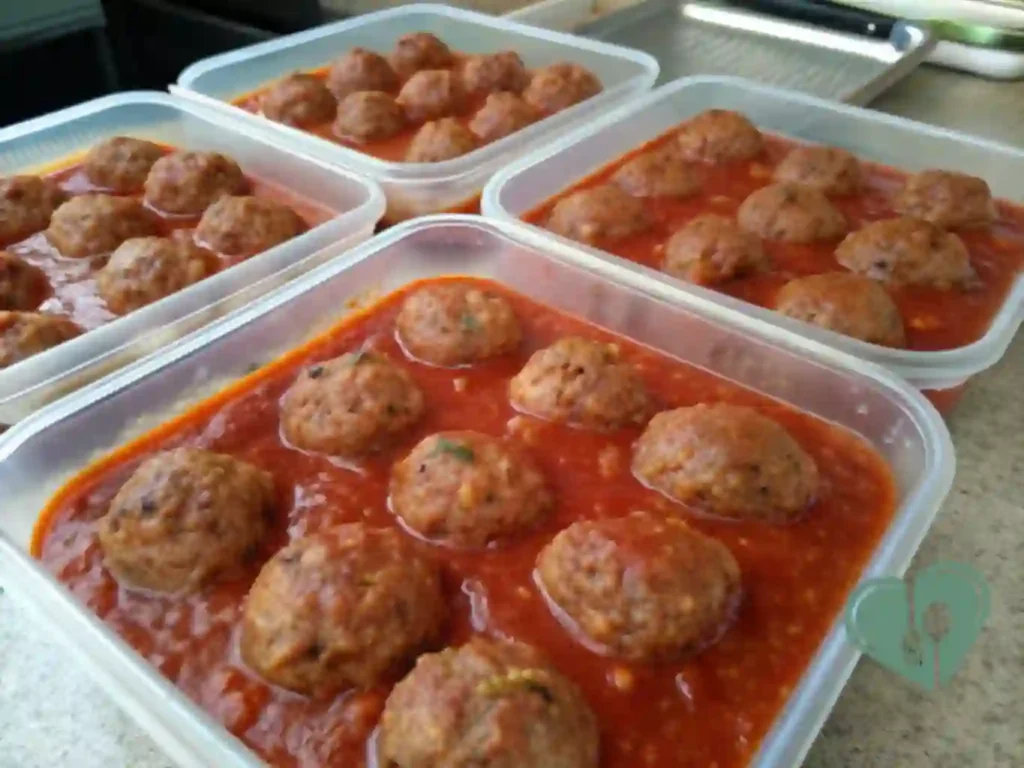
1. Turkey Meatballs in Tomato Sauce
These are the little red-sauce miracles you’ll keep coming back to. Ground turkey holds moisture even after freezing, and the sauce clings perfectly when reheated. Pair with a scoop of cauliflower rice or a handful of zucchini noodles for a quick, steady-carb dinner.
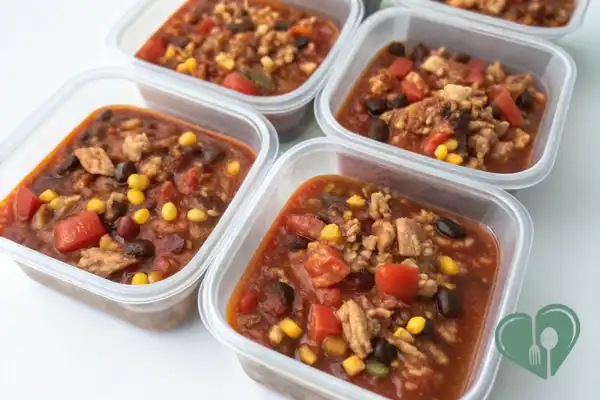
2. Crockpot Turkey Chili (No Beans, High Protein)
Every spoonful feels like a reward for planning ahead. This version skips the beans for a higher-protein, lower-carb balance but doesn’t skip the flavor. The spices deepen as it sits, and the texture stays hearty after thawing – a freezer-friendly classic that works every time.
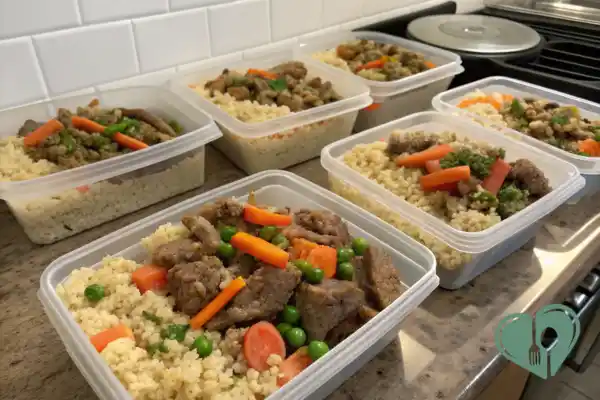
3. Slow Cooker Beef & Cauliflower Rice Bowl
This one’s the sleeper hit – savory, rich, filling. The cauliflower rice soaks up all that meaty flavor without adding the carb load of traditional grains. When you reheat it, it’s pure comfort that happens to fit your meal plan.
BTW, these recipes for diabetics aren’t just “allowed foods.” They’re genuinely delicious – the kind of meals that make you forget they were prepped weeks ago.
Reheating Without Regret
Here’s my rule: reheat with intention. Let the meal thaw in the fridge overnight. Then warm it gently – stovetop if you can with a splash of broth or olive oil to bring it back to life. Avoid the microwave blast unless you’re truly in a rush; slow heat = better flavor.
And never refreeze once it’s reheated. Portion once, reheat once, enjoy fully – that’s the sweet spot between flavor and food safety.
What’s the secret to freezing crockpot meals without losing flavor?
Cool completely before freezing, seal tightly (or vacuum if possible) and label everything. Steam is the enemy here – it dulls the flavor and changes texture. Keep your meals flat, airtight, and patient – they’ll taste like you just cooked them yesterday.
Labeling, Reheating & Food Safety Tips
Here’s the honest truth: even the best batch cooking and freezer-friendly crockpot meals for diabetics can go to waste if you don’t label, store, and reheat them right. We’ve all done it – pulled out a mystery container, squinted at the frost, and thought, “Is this chili or beef stew?” That’s why labeling and reheating aren’t the “boring details” of meal prep… they’re the difference between a stress-free week and a freezer full of regrets.
Label Like You Mean It
Grab some freezer tape and a sharpie – seriously, it’s worth the few extra minutes. Write down:
- The meal name (Turkey Meatballs in Tomato Sauce or Beef & Cauliflower Rice Bowl).
- The date you froze it – because, let’s be honest, time moves weirdly in the freezer.
- The portion or carb count, especially if you’re managing blood sugar closely.
- A quick reheating note (“Thaw overnight, reheat on low for 10 min”).
Some people even color-code their labels: blue for low-carb meals, yellow for balanced red for high-protein. It sounds obsessive – until it saves you on a hectic Wednesday night when you just need to grab, heat, and eat without thinking twice.
Smart Storage = Fewer Surprises
Cool your food completely before freezing – no shortcuts. Warm food traps steam, and steam turns into ice crystals that dull flavors and make meat rubbery. flatten your portions in zip-top bags to save space or use glass containers for a neater stack.
Here’s a trick: keep the newest meals in the back and rotate older ones forward each week. Not only does it prevent waste, but it gives you that small, satisfying sense of order – like your freezer’s got its own rhythm.
Reheat with Respect
Reheating isn’t punishment; it’s the encore. The secret is to treat your frozen meal gently – like something you care about. Let it thaw overnight in the fridge then reheat slowly on the stove or in the oven with a splash of broth or olive oil.
Avoid nuking it on high in the microwave (unless you’re starving and it’s an emergency). Slow heat keeps texture, taste and nutrients intact. The goal is for your reheated food to taste freshly cooked not like a secondhand version of dinner.
A Note on Safety
Once thawed, eat your meal within 48 hours – and never refreeze. Texture, flavor, and blood sugar predictability can all shift if you freeze twice. It’s a small rule with a big payoff: your food stays safe, satisfying and steady for your glucose levels.
What’s the safest way to reheat frozen diabetic meals?
Thaw in the fridge, not on the counter. Reheat until hot all the way through (165°F is the gold standard). And always use containers meant for the freezer – cracked plastic or loose lids can let in air and bacteria. Think of it as part of the same care you give your diet: slow, steady and intentional.
Conclusion: Finding Comfort & Control Through Batch Cooking & Freezer-Friendly Crockpot Meals for Diabetics
There’s something about standing in front of your freezer and realizing you’ve already done the hard part. You can see every container, labeled in your handwriting – tomato sauce here, chili there and for once, food feels simple. That’s the quiet gift of batch cooking and freezer-friendly crockpot meals for diabetics. It takes the edge off. The planning, the worrying, the what-am-I-going-to-eat-tonight spiral.
Honestly, I didn’t get it at first. It sounded too organized, too “Pinterest.” But it’s not about perfection. It’s about having something steady when the day goes sideways – when you’re too tired to think or when your blood sugar’s already hinting that you waited too long to eat. It’s opening the freezer, seeing that meal you made last Sunday, and knowing you’ve got yourself covered.
And it’s weirdly satisfying – hearing the little pop when the lid comes off, that first bit of warmth rising up from the pan. The house smells like real food again. You remember how much care went into it. How you cooked slow, portioned right, froze carefully. How you were looking out for yourself.
That’s all this really is. Not a system. Not a “hack.” Just small, human effort adding up to calm.
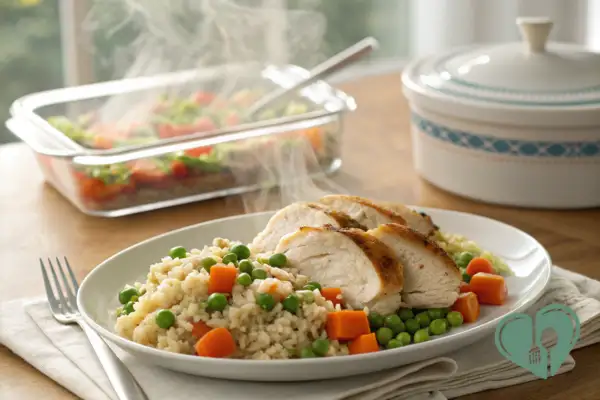
You don’t have to get it perfect. You just have to start – one recipe, one container, one small act of making tomorrow a little easier than today.

Dreena shares balanced, diabetes-friendly recipes made for real life—simple, nourishing, and full of flavor. Her kitchen is where health meets heart.

Sami Ahmed is a Diabetes Nutrition Coach at The Diabetic Recipes. He blends science with everyday cooking to create meals that stabilize blood sugar without sacrificing taste. Sami’s passion lies in helping people with diabetes enjoy food confidently — one balanced, flavorful recipe at a time.