
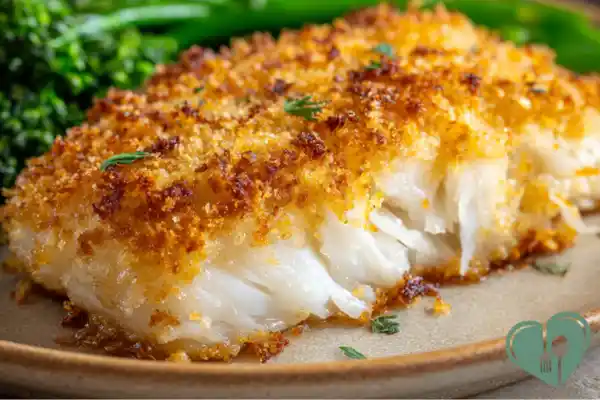
I used to think baked fish was just… fine. Not bad. Not great. You eat it, you move on. The coating always looks promising, then you cut into it and it kind of sighs. Soft. A little damp. Whatever.
This one is different. I know everyone says that. Still. The crust actually crunches. Not fake crunch. Not “well, for baked fish” crunch. Real enough that you notice it right away.
I make this when I want something that feels like comfort food but I do not want the mess or the heaviness that comes after frying. No splatter. No oil smell hanging around. Just fish in the oven, timer on, done. It feels low effort, even when it looks like more than that.
There is also that side benefit people don’t always talk about much. Meals like this tend to sit better. Less spike, less crash. That is probably why it shows up when people look for easy diabetic dinner recipes, even though no one making it is thinking about labels while they eat.
The flavor is salty, a little nutty, a little sharp. The fish stays soft inside. The coating does its job and gets out of the way. It feels like something you would order, not something you settled for because you were trying to be good.
Anyway. If baked fish has let you down before, same. This one might not. Let’s get into it.
This oven-baked parmesan crusted fish is the version that finally changed my mind.
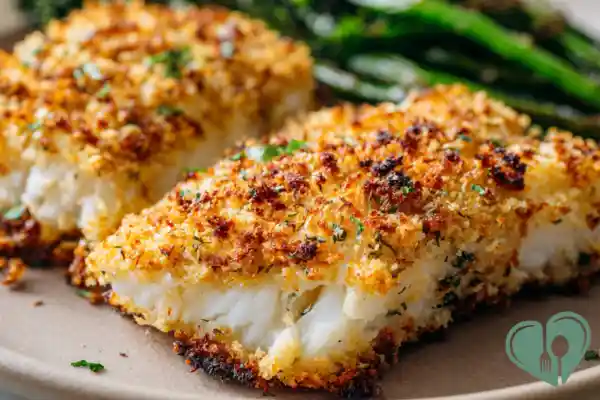
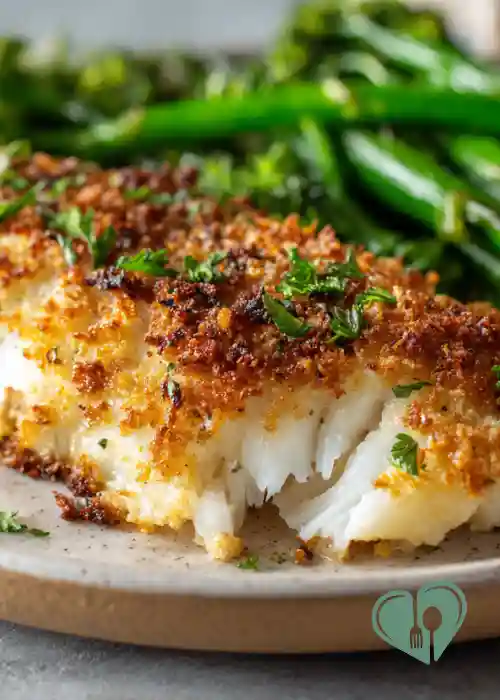

Oven-Baked Parmesan Crusted Fish
Ingredients
Equipment
Method
- Heat the oven to 425°F. Line a baking sheet with foil. Add a wire rack if you’re using one.
- Pat the fish dry with paper towels. Press gently. Do it until the surface feels dry, not slick.
- Drizzle the fish lightly with olive oil. Use your hands to coat it evenly.
- In a shallow bowl, mix the parmesan, breadcrumbs if using, salt, pepper, and any optional spices.
- Press the fish into the parmesan mixture. Press firmly so it sticks. Flip once and press again. Do not pile it on thick.
- Place the coated fish on the prepared baking sheet, leaving space between pieces.
- Bake for 12 to 15 minutes, without flipping, until the crust looks golden and feels firm to the touch.
- Remove from the oven and let it sit for about a minute before serving.
Notes
- Drying the fish matters more than anything else. If it feels wet, the crust won’t crisp.
- Finely grated parmesan works better than shredded. It melts, then firms up instead of going soft.
- Do not overload the coating. A thin, even layer crisps better than a thick one.
- A wire rack helps, but it’s optional. Space between the fish matters more.
- Skip flipping. Let the crust set on its own.
- If the fish looks pale at first, wait. The color comes late.
Why Oven-Baked Parmesan Crusted Fish Stays Crispy Without Frying
Here’s the thing. Most baked fish fails before it even hits the oven. It is already wet. Like, quietly soaked. Fish holds moisture, then the coating traps it, then heat turns it into steam. Steam does not care about your plans for crunch.
Parmesan changes that a bit. Not magically. Just practically. It is dry. It melts, then it firms up again. It does not behave like most shredded cheeses that just go soft and stay there. When it gets hot enough, it kind of sets. Almost like it decides what shape it wants to be and sticks with it.
That matters more than people think.
Another part of it is fat. Not a lot. Just enough. Frying dumps fat on everything all at once. Baking is slower. More controlled. The parmesan already has fat in it, so when it heats up, it helps the coating brown instead of steam. You end up with something closer to a crust than a soggy blanket.
Also, the oven itself gets blamed too much. Ovens are fine. What ruins things is crowding and impatience. Fish shoved too close together. Or pulled too early because it looks done but has not had time to firm up. I have done both. More than once.
There is also a texture thing that is hard to explain unless you have eaten it. Parmesan does not puff. Breadcrumbs alone puff. Puff turns soft fast. Parmesan stays flatter. Tighter. It does not trap as much air. That is boring to read but important on the plate.
This is why this works better than a lot of baked versions that promise crisp and quietly apologize later. It is not lighter food pretending to be indulgent. It is just built differently from the start.
And yes, baking instead of frying helps some people feel better afterward. Less heavy. Less sluggish. That same lighter, no-frying approach is part of why Creamy Mushroom Chicken tends to sit just as steadily on a weeknight. Especially when the meal is mostly protein with a salty crust and not a pile of breading soaking up oil. You notice it later, not right away. That is usually the kind of balance people are hoping to find when they search for healthy diabetic dinner recipes that still feel satisfying.
That is basically it. No trick. No secret step. Just a few ingredients that behave better together than they do apart.
Ingredients for Oven-Baked Parmesan Crusted Fish
The ingredient list is short. On purpose. If it gets long, this whole thing falls apart. This is not one of those recipes where three items are just there to look serious.
You need fish. White fish works best. Cod, haddock, pollock, even tilapia. Nothing too oily. Salmon is great, but this is not the place for it. Save that for another night. Thinner fillets are easier. Thick ones can work, but they take more patience than I usually have.
Parmesan matters. This is not the time for the shaky green can. It melts weird. It browns weird. Freshly grated is better. Finely grated is better than shredded. You want it almost fluffy. The kind that sticks to everything whether you want it to or not.
Breadcrumbs. Optional, but useful. Just a small amount. They help with texture, not bulk. Panko works. Regular works. If you use too much, the coating starts acting like bread instead of a crust. That is when things go soft again.
A little oil. Not a bath. Just enough to help things brown. Olive oil is fine. Avocado oil too. Melted butter works but feels heavier. Sometimes I use it anyway. Depends on the mood.
Salt and pepper. Garlic powder if you like it. Maybe paprika. Not smoked unless you really want it. This is not the recipe to dump your entire spice drawer into. The parmesan already does most of the talking.
That’s basically it. No egg wash drama. No flour station unless you enjoy washing extra bowls. The fewer steps, the less chance something goes wrong.
One quick thing. Dry the fish. Like, actually dry it. Paper towels. Press a little. This part feels boring and skippable. It is not. Wet fish ruins everything that comes after it.
That’s the lineup. Nothing fancy. Nothing precious. Just ingredients that behave well together if you don’t overthink them.
How to Get a Crispy Parmesan Crust in the Oven
This is the part where most recipes start talking too much. I will try not to.
First thing. Dry fish. Again. Even if you think it is dry, it probably is not. Water is the enemy here. A little moisture turns into steam and steam kills any chance of crunch. I press with paper towels until I feel slightly ridiculous, then I do it once more.
Oven needs to be hot. Not broiler hot. Just properly hot. “The same oven approach is what makes something like Easy Baked Salmon work so well when you want a straightforward protein dinner without frying.” If you baby the temperature, the coating melts before it sets. That is when it slides. You want heat that makes the parmesan react instead of relax.
Mix the coating in a shallow bowl. Parmesan first. Breadcrumbs if you are using them. A pinch of salt. Pepper. Whatever small extras you decided on. Keep it loose. If it looks packed already, it is too dense.
Oil goes on the fish, not the crumbs. Light coating. Fingers work better than a brush. Then press the fish into the parmesan mixture. Press. Not sprinkle. You want contact. I usually flip it once, press again, then leave it alone. Overhandling just knocks things off.
Pan choice matters more than people admit. A rack helps. Air can move. Bottom stays firmer. If you only have a pan, it still works. Just do not crowd it. Space feels wasteful, but crowding ruins the crust. Every time.
Halfway through baking, do nothing. No flipping. No poking. Let the coating set. It will look pale longer than you expect. Then suddenly it won’t. That last stretch is where the crunch shows up.
If you pull it early, you get soft. If you wait an extra minute or two, it firms up. This is the part that took me a while to trust. I kept thinking I was about to overcook it. Most of the time, I wasn’t.
Common mistake. Too much topping. When the coating is thick, it insulates itself. Sounds nice. It is not. Thin and even beats thick and impressive.
That’s really it. No tricks hiding at the end. Just timing, heat, and leaving things alone longer than feels comfortable.
Parmesan Substitutes That Still Crisp Well
Sometimes parmesan is not happening. You ran out. Someone does not eat dairy the same way. Or you just want to mess with it. Fine. Just know that not every cheese plays nice in the oven.
Hard cheeses behave better. Pecorino works. It is sharper. Saltier. A little more aggressive. It browns fast, so keep an eye on it. Asiago is fine too especially the aged kind. Mild versions tend to melt and quit early.
Softer cheeses are where things fall apart. Mozzarella is a no. It melts stretches, and then gives up. Same with cheddar. It tastes good, sure, but it goes greasy and soft fast. If you want crisp, those are the wrong tools.
There are dairy free options that kind of work. Almond based parmesan style shreds do okay if you keep them thin. Very thin. They brown more than they crisp, but it is still better than nothing. Nutritional yeast adds flavor but not texture. Think seasoning, not structure.
One thing that helps when you swap cheese is adjusting expectations. Not every version crunches the same way. Some get brittle. Some get sandy. Some just firm up enough to feel intentional. That can still be good. Just different.
Also worth saying. Mixing cheeses usually backfires. One melts faster, one slower, and you end up with uneven patches. It looks messy and eats weird. I tried it more than once thinking I was being clever. I wasn’t.
If parmesan works for you stick with it. It is reliable. If it doesn’t, go hard and dry, keep the layer thin, and watch the oven a little closer than usual.
Side Dishes That Actually Make Sense With This Fish
This is where things usually go sideways. You make the fish right, then throw it on a plate next to something random and the whole meal feels off.
I try to think simple. The fish is salty and crisp. It does not need competition. It needs balance. Something green. Something with a little bite. Nothing heavy or sweet.
Roasted vegetables work almost every time. Broccoli. Green beans. Brussels sprouts if you like them charred. That kind of balanced plate is what makes this dish fit naturally into comfort food diabetic dinners that don’t rely on heaviness to feel complete. Not steamed to death. Just enough color to feel intentional. A little olive oil. Salt. That’s it. They do their job and stay out of the way.
Salads are fine too, but not the sad kind. No iceberg pretending to matter. I like something crunchy. Cabbage. Arugula. Maybe cucumbers. Acid helps here. Lemon. Vinegar. Anything sharp enough to cut through the cheese.
If you want something warm but not heavy cauliflower is solid. Roasted or mashed. It feels comforting without dragging the whole plate down. Same idea with zucchini or asparagus. They cook fast and do not steal attention.
What I usually skip is anything bread based. No rolls. No piles of rice. ” The same idea applies to meals like Diabetic-Safe Chili, where protein and slow-digesting ingredients carry the plate without relying on extra bread.” Not because they are bad, just because they make the fish feel less special. And honestly, once you have the crust, you do not miss them much.
One more thing. Sauces. You probably do not need one. The crust already has flavor. If you add anything, keep it light. A squeeze of lemon. Maybe a spoon of yogurt with herbs. Anything thicker starts covering up what you just did right.
That’s how I build the plate. Nothing fancy. Just pieces that make the fish feel like the point of the meal.
FAQs About Oven-Baked Parmesan Crusted Fish
Can I use frozen fish?
Yes. But it comes with a warning. Frozen fish carries a lot of water. Way more than you think. If you rush the thaw or skip drying it properly the crust never really has a chance. Thaw it fully. Pat it dry. Then do it again. If it still feels cold and slick, it is not ready.
Why did my crust go soft instead of crispy?
Almost always moisture. Either the fish was damp the oven was not hot enough, or everything was packed too close together. Sometimes people add more oil thinking that will help. It usually doesn’t. Water is the problem, not fat.
Should I flip the fish halfway through?
No. I know it feels wrong to leave it alone. But flipping too early just pulls the coating off before it sets. The top is doing the work here. The bottom will catch up enough on its own.
Can I make this ahead of time?
You can prep it ahead. You can’t really bake it ahead and expect the same result. Reheated fish is fine. The crust just loses its edge. Still edible. Still good. Just not the thing you were excited about.
Oven or air fryer?
Either. The oven is calmer. More forgiving. The air fryer is faster but less patient. Thick fillets can be tricky in there. If you already trust your air fryer, use it. If not, the oven will treat you better.
Most issues with this recipe are simple once you have seen them happen. The first time is usually the learning curve.
That’s the whole thing. Nothing fancy hiding at the end. Just a way to make baked fish not feel like a compromise. You try it once, you’ll know pretty fast if it’s your kind of thing.
If it works, great. If it doesn’t, tweak it. Thinner crust. Hotter oven. Drier fish. That’s usually where it goes wrong.
Anyway. That’s it.

Dreena shares balanced, diabetes-friendly recipes made for real life—simple, nourishing, and full of flavor. Her kitchen is where health meets heart.