
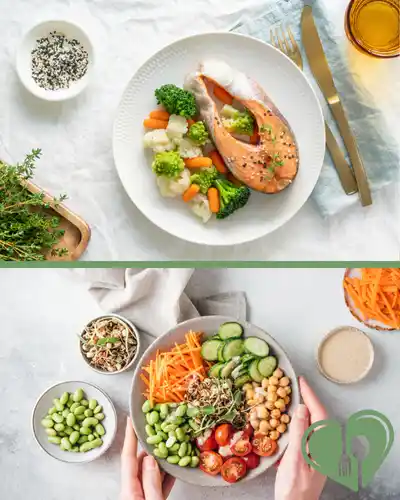
Diabetic Mediterranean Meal Guide
A diabetic Mediterranean meal plan probably isn’t the first thing you’re excited to Google. Let’s be real it sounds like another “doctor-approved” suggestion that ends in bland chicken, steamed broccoli, and a lecture about portion control. But what if it isn’t?
If you’re managing Type 2 diabetes, you already know food isn’t just food anymore. It’s numbers. It’s caution. It’s guilt for eating something “off-plan” even when you’re just trying to get through the day. And eventually, that constant tracking and worrying? It chips away at you.
This guide exists because you deserve better not perfect, just better. Meals that don’t spike your glucose and don’t bore you either. Dinners that feel fresh, full of flavor, and maybe even fun to cook. The Mediterranean way of eating offers that not just because it’s trendy, but because it’s proven. Whole foods. Real fat. Fiber. Flavor. A way to feel normal again, even with diabetes. For a deeper look, explore more Mediterranean foods that stabilize blood sugar they’re the heart of this approach.
What’s ahead:
- A simple explanation of why this eating style helps control blood sugar
- The most important food categories to focus on
- A visual, repeatable plate-building formula
- A 3-day dinner plan that actually makes sense for your life
- The pantry items that make it all easier
- Gentle, blood-sugar-friendly eating strategies
No perfection. No pressure. Just a realistic way to feel more steady one meal at a time.
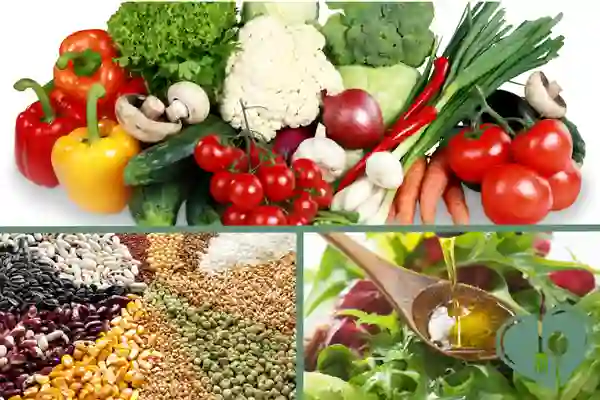
Key Mediterranean Food Categories for Diabetic Meals
You don’t need perfect discipline. You need a rhythm you can return to even on hard days. A diabetic Mediterranean meal plan isn’t just about food. It’s about building trust with your plate again.
This way of eating is steady, not strict. Forgiving, not fragile. And it works best when you keep things simple: focus on the four food categories that show up for you every time.
1. Healthy Fats
Fat isn’t your enemy. It’s your ally when it’s the right kind. It keeps your meals satisfying, your digestion slower, and your blood sugar steadier. Learn how ingredients like olive oil, feta & fiber create Mediterranean magic for diabetics in real meals.
- Olive oil
- Avocados
- Walnuts, almonds, chia
- Salmon, sardines, mackerel
Start small. A drizzle. A handful. Enough to support not overwhelm.
2. Lean Proteins
Protein is what gives your meals structure. It holds everything together physically and metabolically. It’s not just fuel. It’s stability.
- Eggs
- Plain Greek yogurt
- Beans, lentils
- Fish grilled, canned, or baked
If in doubt, start with protein. Then build out from there.
3. Slow-Digesting Carbs
Carbs are not off-limits. You just need the ones that release energy slowly the kind your body can actually handle.
- Quinoa, barley, farro
- Chickpeas, black beans
- Sweet potato (not every day, but often enough)
- Steel-cut oats
These keep you full. And more importantly, keep your blood sugar calm.
4. Non-Starchy Vegetables & Herbs
These are the base. The volume. The crunch. They fill the plate, support your blood sugar, and bring flavor without cost.
- Spinach, zucchini, tomatoes, eggplant
- Garlic, onion
- Lemon juice, vinegar, parsley, basil
Double them. Always.
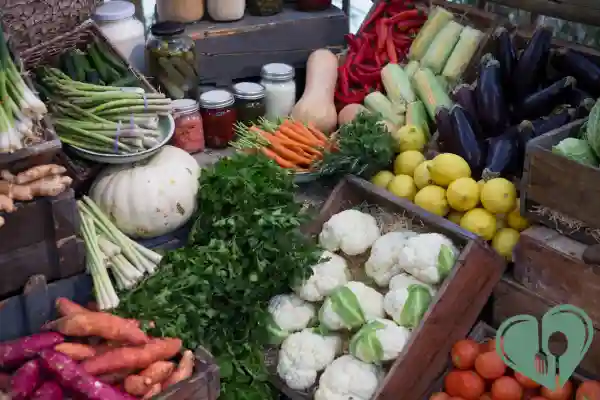
FAQ: What if I forget a category?
You try again at the next meal.
You don’t need to “get it right” every time. Just return to these four groups whenever you’re unsure. They won’t let you down.
Balanced Mediterranean Plate Formula for Diabetics
Sometimes, the hardest part of eating with diabetes isn’t the food it’s the overthinking. Too many rules. Too many variables. Eventually, you just want someone to say, “Here’s what a balanced plate looks like start here.”
So here it is. No tracking app required. Just a visual formula that works quietly, reliably for people living with Type 2 diabetes.
The Everyday Plate
- Half the plate: Vegetables that don’t spike you.
(Spinach, zucchini, tomatoes, eggplant fresh, sautéed, roasted however you’ll eat them.) - One-quarter of the plate: Lean protein.
(Think salmon, lentils, grilled chicken, or even a couple of eggs.) - One-quarter of the plate: Slow carbs or legumes.
(Barley, quinoa, chickpeas, black beans small but strong.) - Finish with: 1–2 tablespoons of healthy fat.
(Olive oil, avocado, tahini, crushed walnuts whatever adds flavor and stability.)
Then season it: lemon juice, fresh herbs, garlic, vinegar these do more than taste good. They help lower the glycemic load of your meal. Small things matter here.
What This Plate Actually Does
- It fills you not just your stomach, but your need for food that feels real.
- It slows digestion, so your blood sugar doesn’t spike and crash.
- It helps you stop guessing whether dinner is going to “mess you up” later.
This isn’t a rulebook. It’s a rhythm. A gentle one.
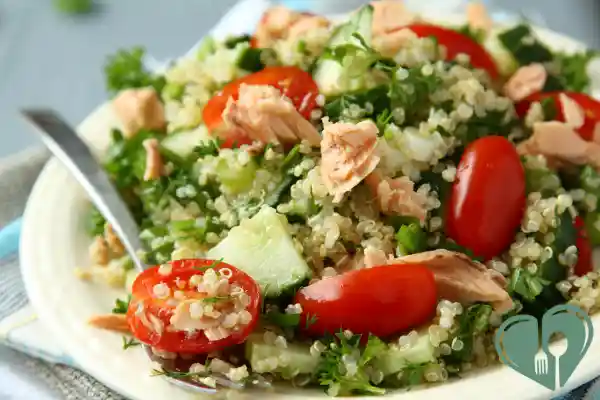
FAQ: What if I don’t get the portions right?
You probably won’t and that’s fine.
Some days you’ll have more carbs. Some days you’ll forget the protein. It’s not about nailing the ratios. It’s about practicing the shape of balance until it feels familiar again.
Mediterranean Pantry List for Diabetic Cooking
The easiest way to make diabetes-friendly meals feel less stressful? Have the right ingredients within arm’s reach not everything, just a handful of basics you trust.
This pantry list isn’t about stocking up like you’re preparing for an apocalypse. It’s about making your next few meals less of a puzzle.
Proteins That Wait for You
You don’t need fancy cuts of fish or a fridge full of meat. You need things you can open, cook quickly, or already have.
- Canned tuna or salmon (olive oil-packed adds flavor)
- Lentils dry or canned, both work
- Chickpeas or black beans
- Eggs (they save dinner more than we admit)
- Plain Greek yogurt (unsweetened)
Vegetables That Don’t Judge
Fresh is great, but let’s be honest some nights, frozen or canned is the hero.
- Zucchini or spinach (fresh or frozen, whatever fits your schedule)
- Tomatoes fresh when you can, canned when you can’t
- Garlic and onions non-negotiable flavor base
- Jarred roasted red peppers or frozen stir-fry blends (huge time-savers)
Carbs That Play Nice
These don’t spike. They don’t crash. They hold you through the evening without drama.
- Quinoa
- Barley or farro
- Steel-cut oats (not instant the slower kind)
- Sweet potatoes
- Whole-grain or lentil pasta (small portions, big difference)
Staples That Pull It Together
You know the things you drizzle, sprinkle, or swirl in that make bland food… not bland? Keep those close.
- Olive oil (good stuff if you can swing it)
- Vinegar red wine, balsamic, whatever lifts a dish
- Capers, olives, or both
- Dried herbs (oregano, basil) and fresh when possible
- Tahini or mustard great for quick dressings
FAQ: What if I’m missing half of this?
Totally fine.
You can make a dozen decent meals with 5–6 things from this list. Start small. Build as you figure out what actually gets used.
Mediterranean Pantry List for Diabetic Cooking
There’s comfort in knowing your next meal won’t be a guessing game. A steady pantry does that not by being full, but by being familiar. A few ingredients you can rely on. Nothing complicated. Just what you need to feel stable when life isn’t.
This isn’t a checklist. It’s a safety net.
Proteins That Don’t Make You Think Twice
- Canned tuna or salmon
- Eggs
- Plain Greek yogurt
- Lentils and chickpeas
- Leftover grilled fish or chicken (if you’ve got it)
You don’t need variety. You need something that works again and again.
Vegetables That Wait for You
- Zucchini, spinach, tomatoes
- Garlic and onion
- Frozen greens or peppers
- Jarred red peppers, olives, artichokes
Fresh is nice. Frozen is fine. Canned can carry you through. What matters is they’re there when you’re tired.
Carbs That Keep You Steady
- Quinoa
- Farro or barley
- Steel-cut oats
- Sweet potatoes
- Whole-grain or legume pasta
No blood sugar surprises. Just carbs that show up slow and stay with you.
Pantry Staples That Bring It Together
- Olive oil
- Vinegar (balsamic, red wine, or whatever’s on hand)
- Capers, olives, tahini
- Herbs dried or fresh, whatever you’ve got
- Lemon juice, mustard, a few spices you like
Not extras. Essentials for making food taste like food.
FAQ: What if I’m missing most of this?
You’re not behind.
Start with three things: a protein, a vegetable, and something that adds flavor. That’s enough to begin. The pantry builds as your rhythm builds.
Tips to Stay Blood Sugar-Friendly
The food is part of it but how you eat matters too. It’s not about discipline or restriction. It’s about building meals that leave you feeling full, steady, and safe. These tips help support that quietly, consistently, and without guilt.
1. Skip white bread and white rice
They digest fast and leave you crashing. Whole grains and legumes work slower and your body feels the difference.
2. Keep pasta and potatoes small
You don’t have to give them up. Just let them be a side, not the center. Fill the rest of your plate with protein and plants.
3. Use olive oil with care
It’s healthy, yes but generous pours add up fast. A tablespoon or two is usually enough to bring the richness you want.
4. Always include a protein
It doesn’t have to be big. Just something solid eggs, beans, fish, yogurt. Protein helps keep hunger quiet and sugar stable.
5. Add lemon or vinegar
It’s a small move with a big effect. Acids lower the glycemic impact of a meal and they wake up the flavor, too.
FAQ: What if I forget these sometimes?
Then you try again next meal.
You’re not tracking perfection. You’re building patterns. What you do most of the time is what matters and small shifts do count.
FAQs
Is Mediterranean eating the same as low-carb?
No and that’s a good thing.
You don’t have to fear carbs or cut them out completely. The Mediterranean way doesn’t punish you it guides you. It leans into fiber-rich, slow-digesting carbs that support you instead of spiking you. You still get to eat real food. You just learn which ones treat your body with care.
Can I still eat pasta?
Yes you don’t have to grieve it.
Pasta doesn’t have to disappear. What changes is how much, how often, and what it’s paired with. A small bowl with vegetables, olive oil, and protein? That’s not a cheat that’s a thoughtful choice. You’re allowed to enjoy food and still protect your blood sugar.
How do I even start?
Start where you are.
Not with a perfect meal plan or a dozen new groceries just one meal that feels steady. Maybe it’s a piece of grilled fish. Maybe it’s lentils and spinach. It doesn’t have to impress anyone. It just has to make you feel a little more calm after you eat. That’s enough. That’s your beginning.
Final Thoughts: A Diabetic Mediterranean Meal Plan That Gives You Room to Breathe
You don’t need perfect meals. You don’t need to start over tomorrow. You just need food that makes you feel okay full, steady, calm.
A diabetic Mediterranean meal plan gives you that. Simple ingredients. Balanced plates. Fewer spikes. Less fear.
Let it be gentle. Let it be enough.

Dreena shares balanced, diabetes-friendly recipes made for real life—simple, nourishing, and full of flavor. Her kitchen is where health meets heart.