

Why Optimizing Diabetic Breakfast Matters More Than You Think
To optimize diabetic breakfast habits, you don’t need to eat less you need to eat smarter. And if you’ve been doing everything “right” but still feel off before noon, you already know something’s missing.
It’s not just the food it’s the way that food works in your body.
A bowl of oatmeal? Too fast. A smoothie? Too much sugar hiding in the fruit. Even “low-fat” or “gluten-free” options can send your blood sugar climbing if the ingredients aren’t balanced. The frustrating part? It all looks healthy.
That’s why optimizing your diabetic breakfast isn’t about cutting things out. It’s about putting the right things in proteins that hold you, flours that don’t spike you, swaps that keep the flavor but ditch the crash.
Once you feel the difference real energy, clear focus, no mid-morning slump it gets easier to keep going. You don’t need perfection. Just one better choice, one steadier morning at a time.
Let’s rebuild breakfast quietly, intentionally, and with your blood sugar in mind.
Why Ingredient Quality Matters in Diabetic Mornings
Here’s something no food label will ever tell you: breakfast isn’t just about the nutrients it’s about how your body feels in the hours that follow. And when you have diabetes, those hours can reveal everything.
You might’ve done this before you think you’re eating clean. Maybe something with oats. Maybe a plant-based yogurt. It’s got all the buzzwords: natural, organic, gluten-free. But an hour later, you’re foggy, agitated, maybe even hungrier than when you started. And somewhere in the back of your head, you’re thinking: But I did everything right. Didn’t I?
That’s the catch. Ingredient quality isn’t about how good something sounds on the package. It’s about how it behaves in you.
It’s Not Just What You Eat It’s What It Does
Most people talk about carbs like they’re the enemy. But it’s not that simple. A single food doesn’t exist in a vacuum. A slice of bread isn’t inherently “bad” but eat it solo, and it hits fast. Pair it with eggs and avocado? You’ve changed the story.
This is the part people miss. Glycemic control isn’t about punishing foods. It’s about learning combinations that your body can process without drama. That takes trial. It takes paying attention. And sometimes, it takes unlearning what you’ve been told is “healthy.”
There’s No Universal Formula But There Are Clues
Start noticing what stays with you. What fills you without fogging you. Often, those meals have a pattern:
- Protein that actually satisfies (not just “added” to the label)
- Fiber from real ingredients, not just chicory root powder
- Fats that ground the meal instead of making it greasy
It’s less about the perfect ratio, more about the after. Does your mind stay sharp? Do cravings back off? Does time pass and you forget you even ate because your body’s just… okay?
FAQ – What makes a “good” ingredient for diabetic breakfasts?
Short answer? One that doesn’t act alone. Even a high-quality ingredient can cause problems if it’s unbalanced. A “good” breakfast ingredient works in a system one that slows, steadies, and sustains.
Best Protein Sources to Start Your Day Right
Let’s be honest protein at breakfast sounds like overkill until you’ve tried it and noticed the difference. And then you can’t unsee it. The calm energy. The hunger that doesn’t sneak up an hour later. The mental sharpness that lingers past 10 a.m. It’s subtle until it isn’t.
If you’re not sure where to start, check out our full guide on the Best Protein Sources for Diabetics for ideas that actually support blood sugar control.
But most of us don’t grow up thinking about protein this way. We grow up with cereal commercials, toast with jam, maybe fruit if we’re feeling “healthy.” That kind of breakfast is cultural. Comfortable. But for diabetics? It’s not enough.
It spikes. It burns fast. It leaves you chasing stability the rest of the day whether you realize it or not.
The Proteins That Hold the Line
Some proteins feel almost boring eggs, plain Greek yogurt, a couple turkey sausage links. But boring’s not bad when it works. Eggs, especially, show up for you. They don’t spike you, they pair well with almost everything, and if we’re being real they’re forgiving when you’re half-awake and rushed.
Yogurt too, if you pick the right kind. Not the fruit-on-the-bottom kind. Not the honeyed one. The sharp, full-fat, no-sugar stuff. Dress it up if you need to chia, cinnamon, a few nuts. It earns its place by what it does, not how it tastes out of the tub.
And meat? Lean sausage or leftover chicken. Unfancy but solid. You don’t need a lot just enough to slow the glucose train before it starts rolling.
Plant Proteins That Don’t Flake
Now, plant-based protein gets trickier because most of it comes with carbs attached. But some options don’t mess with your numbers if you use them right.
Tofu works. Not because it’s trendy because it’s steady. Chia works, if you let it soak and gel. And nut butters as long as they’re not secretly sugar paste in disguise carry a surprising amount of weight for something you can smear on a spoon and call breakfast.
None of this needs to be “perfect.” It just needs to hold you. Give your blood sugar something to hold onto when everything else wants to move too fast.
FAQ – Can I just do protein powder in my smoothie?
Sure. But watch the label like it’s lying to you because sometimes it is. “Vanilla bliss” can mean 10 grams of hidden sugar. Look for protein that’s clean, blunt, unflavored if you can stomach it. Build the rest of the smoothie around that fiber, fat, frozen stuff that isn’t a fruit bomb.
It’s not about having the perfect shake. It’s about not setting yourself up for a glucose spike disguised as breakfast.
Smart Swaps: Upgrading Ingredients Without Losing Flavor
Nobody wakes up thinking, “I can’t wait to give up toast today.” But when you’ve got blood sugar to manage, food becomes negotiation between what your body needs and what your brain still wants. That’s where swaps come in. Not as punishment. Not as sacrifice. Just… a better deal.
The goal here isn’t to strip away joy. It’s to stop losing control over something that should be stabilizing you.
Want help building a better grocery list? Check out our full guide: Diabetic Breakfast Grocery List & Ingredient Swaps with real-food upgrades that actually support your blood sugar.
Sweeteners: From Sneaky Saboteurs to Strategic Tools
Let’s start with sugar. Most breakfast sugar doesn’t even look like sugar. It hides in granola, flavored yogurt, almond milk, cereal labeled “organic,” or “gluten-free.” You think you’re avoiding it but the label says otherwise.
The fix? Not no sweetness just smarter sweetness.
- Stevia (real, not blended with maltodextrin) works in small doses. Slight aftertaste, but your body barely notices it glycemically.
- Erythritol sugar alcohol that behaves well in baking, though some people get digestive pushback.
- Monk fruit lesser-known, cleaner taste, usually blended with something else for usability.
These aren’t silver bullets. They’re scaffolding ways to keep sweetness present without paying the glucose price.
Grains vs. Grainy Impostors
Toast and cereal are the emotional staples here. They’re easy. Fast. Culturally coded as breakfast. But they’re also among the fastest-spiking, least-filling options out there unless you heavily modify them.
Try this instead:
- Almond flour toast or flaxseed muffins Dense, a little earthy, but when you get the texture right? Worth it.
- Coconut flour pancakes High fiber, high fat. Just don’t expect IHOP. Expect fuel.
- Psyllium-based wraps Surprisingly satisfying. Pair with eggs, nut butter, avocado.
You don’t need to fake a croissant. You just need something that won’t betray you at 10 a.m.
Sneaky Fiber and Fats the Real Stabilizers
Here’s the secret sauce: when you can’t swap something entirely, stack it smarter. Add what slows it down.
- A tablespoon of chia to a smoothie = slower absorption.
- A handful of walnuts in your oatmeal = fat, fiber, stability.
- A smear of almond butter under sliced apple = no crash.
You’re not removing. You’re reinforcing.
Diabetic-Safe Flours and Binders for Breakfasts
Let’s talk pancakes, muffins, wraps all the stuff that usually lives in the “no” column once diabetes enters the room. The truth? You don’t need to give up baked breakfasts. You just need different tools. Starting with flour.
For a deeper breakdown of each option (and how to use them), read our full guide on Low-Carb Flours & Binders for Diabetic Cooking it covers everything from texture tips to baking strategies.
Most traditional flours white, whole wheat, oat hit your bloodstream fast. Even “whole grain” options can spike you if they’re not part of a carefully balanced meal. But there’s a growing world of low-glycemic alternatives that don’t act like sugar in disguise.
The Flours That Play Nice with Blood Sugar
You don’t need to memorize their glycemic indexes just understand their texture, flavor, and how they behave:
- Almond flour: The OG low-carb flour. Nutty, moist, rich in fat. Great for pancakes, muffins, and “toast.” Keep portions modest it’s calorie-dense.
- Coconut flour: Ultra absorbent. Use sparingly (usually 1/4 of what a recipe calls for). Pairs well with eggs and liquid-heavy batters.
- Flaxseed meal: Mildly nutty, packed with fiber, slightly binding. Makes great additions to muffins or low-carb “bread.”
- Lupin flour: Higher protein than almond or coconut, with a bit of a bite. Think savory wraps or biscuits.
Each flour behaves differently. You’ll need to experiment not every swap is 1:1. But when it works? You get baked goods that hold up not just in form, but metabolically.
Binders: Holding It Together Without Spiking You
Gluten is what holds traditional baked goods together. Without it, your ingredients need support something to bind and thicken. These do it without the blood sugar baggage:
- Chia seeds: Soaked, they become gelatinous ideal for puddings, pancakes, or egg-free baking.
- Psyllium husk: Absorbs water, adds fiber, and creates a chewy, bread-like texture.
- Xanthan gum: A tiny pinch helps mimic gluten’s elasticity. Works best in baked goods or low-carb tortillas.
These aren’t just add-ins. They’re structure. Without them, your low-carb creations collapse literally and nutritionally.
FAQ – Can I just buy low-carb baking mixes instead?
You can but be careful. Many “keto” or “low-carb” mixes are still high in starches or use sugar alcohols that cause bloating or spikes. Read the ingredients. Look for almond, coconut, or lupin flour as the base not tapioca, potato starch, or dextrose. And always test a small portion before making it your go-to.
Examples of Optimized Breakfasts
Sometimes, all you want is a normal breakfast. Not something that feels like a science experiment or a second job just food that won’t spike you, won’t leave you hollow, and still somehow feels like morning comfort.
But with diabetes in the mix, the definition of “normal” starts to shift.
So maybe let’s drop the idea of perfect meals for a second. What matters more is how the food makes you feel after. Clear-headed? Satisfied? Not obsessing about your next bite? That’s the real target. And these meals get you closer to that.
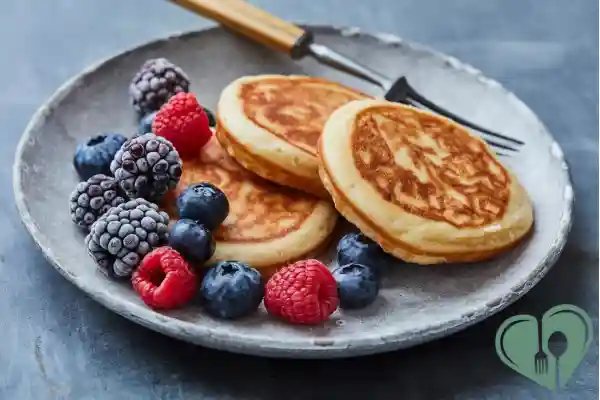
Pancakes That Don’t Backstab You
Start with almond flour. Add eggs, maybe a splash of almond milk, a pinch of baking powder. Nothing fancy. Cook them slow. They won’t fluff like diner pancakes they’re denser, more grounded. But they hold you. Spread a little almond butter. Add cinnamon. Maybe a few smashed raspberries if you want brightness.
It’s not about recreating IHOP. It’s about waking up and not worrying if you’ll crash before noon.
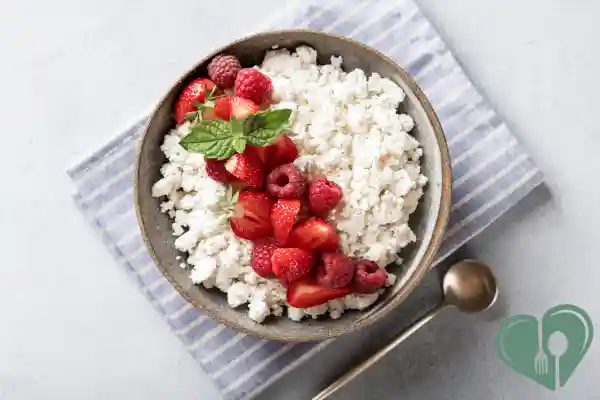
Something Cold, Something Clean
Scoop of cottage cheese. Small handful of berries blueberries if you want antioxidant points. A spoonful of ground flax just disappears into it. It’s fast. No cooking. Quietly powerful.
This is one of those meals that looks like it’s missing something… until you realize you’re still not hungry two hours later.
The Kind of Meal That Travels
Egg muffins. You’ve probably seen them. But have you made them with intention?
Whisk eggs. Add chopped spinach, a little onion, maybe crumbled turkey sausage. A pinch of salt. And here’s the trick: a teaspoon of psyllium husk in the mix. It holds moisture, adds fiber, and makes them… chewy in a good way. Bake. Chill. Grab one on your way out the door.
It’s not gourmet. It’s control, in a muffin tin.

FAQ – What if nothing sounds good in the morning?
Totally fair. Some mornings, your appetite disappears especially if your glucose spiked overnight. Don’t force a full plate. Try something gentle: a boiled egg. A spoonful of chia soaked in almond milk. A protein bite with no sugar. Sometimes it’s less about what you eat and more about making sure you eat something.
What to Watch For on Ingredient Labels
You’d think that reading food labels would give you control. But sometimes, it does the opposite. Because the things that spike your blood sugar the most? They’re often buried in fine print, dressed up in health buzzwords, or split into multiple names so they don’t stand out.
And if you’re tired of feeling tricked by “diabetic-friendly” products that aren’t you’re not alone.
Hidden Sugars That Don’t Sound Like Sugar
Here’s the first reality check: just because something doesn’t say “sugar” doesn’t mean it’s sugar-free. It might show up as:
- Maltodextrin sounds scientific, but it hits your blood sugar faster than table sugar
- Evaporated cane juice still sugar, just dressed up
- Agave nectar, coconut sugar, honey, brown rice syrup all “natural,” but still glucose-spiking
Manufacturers bank on the fact that you’ll read the front, not the ingredients list. So if the label screams “low-fat,” “whole grain,” or “gluten-free,” it’s worth asking: what are they using to make up for taste?
The “Healthy” Foods That Quietly Spike You
Some ingredients are technically low in sugar but still behave badly in your body:
- Tapioca starch
- Rice flour
- Potato starch
- Modified corn starch
These show up a lot in gluten-free or “keto” packaged goods. They don’t look dangerous but for blood sugar, they’re landmines.
Even when a product says “only 6g net carbs,” the question is: from what? Fiber? Sugar alcohols? Fake math? Don’t take net carbs at face value. Context matters.
Serving Sizes the Oldest Trick in the Book
This one stings. That yogurt you thought was low-sugar? Maybe it is per ¼ cup. That cereal? One serving is half a bowl.
Always ask yourself: “Is this the amount I’d actually eat?” If not, double the numbers at least. Marketing lives in unrealistic portions.
FAQ – Is “gluten-free” better for blood sugar?
Not automatically. Gluten-free just means no wheat gluten not no carbs. In fact, many gluten-free products use high-GI starches to mimic wheat texture. Unless you’re celiac, “gluten-free” is a packaging term, not a blood sugar strategy.
FAQs on Optimizing Diabetic Ingredients
These aren’t the kind of questions you ask once and get a clear answer. They’re the ones that come up again and again when you’re at the store, or sitting at breakfast trying to talk yourself into or out of something on your plate.
Here’s a version of those answers not the textbook kind, just what you learn from living with this.
Is oat flour okay?
I mean… sort of? It depends. If you already spike from oatmeal, oat flour probably won’t be kinder. But if you use a little, tucked inside something else with eggs, almond flour, fiber it might work. You won’t know until you try.
It’s not a villain. But it’s not your safest flour, either.
Can I use honey or maple syrup?
Sure. But also… no. Not regularly. Not if you’re trying to stay steady. They’re lovely. Natural. And they hit your bloodstream like a freight train. If you want them, pair them with protein and use less than you think you need. The truth is: you’ll probably still spike.
You can love them and still admit they don’t love you back.
How much fruit is too much?
Depends on the fruit. Depends on the day. Half a cup of berries in a yogurt bowl? Fine. A tropical fruit smoothie? Different story.
The question isn’t “can I have fruit?” It’s “can I have just fruit?” If there’s no protein or fat in the mix, even a small serving can mess with you. Pair it. Always.
What about sugar alcohols?
Mixed reviews. Erythritol usually plays nice. Maltitol’s sneaky it spikes a lot of people and causes bloating. Labels often subtract these from “net carbs,” but your body might not agree with the math.
Try it, test it, and trust your gut literally.
What if I skip breakfast entirely?
Sometimes it works. Sometimes it backfires. If you’re waking up with high numbers, skipping food might leave them stuck. A small protein-focused breakfast can lower your glucose, weirdly enough.
There’s no rule. Just patterns. You find them by paying attention.
Build a Better Breakfast One Ingredient at a Time
What you eat in the morning doesn’t have to be perfect it just has to work for you. And sometimes, that means stepping away from strict plans and toward quieter adjustments. Swapping one ingredient. Skipping the thing that always spikes you. Adding something that holds you longer than expected.
These aren’t radical changes. They’re repeatable ones. And that’s the point.
Over time, they build a rhythm your rhythm. A way of eating that doesn’t drain you. A way of thinking about food that isn’t based in fear or frustration, but in real patterns that support you day after day.
And when you have an off morning (because you will)? That’s okay. Breakfast shows up again tomorrow. It’s not a test it’s a reset button.

Dreena shares balanced, diabetes-friendly recipes made for real life—simple, nourishing, and full of flavor. Her kitchen is where health meets heart.