
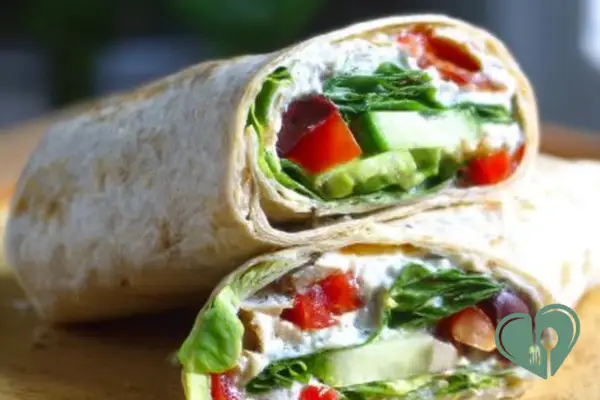
A Greek salad wrap for diabetics sounds like one of those things that shouldn’t work. A wrap? Really? That was my first thought too. Because usually wraps mean carbs. And carbs mean that whole mental math thing nobody feels like doing at lunch.
But here’s what I realized after messing around with this a few times. It’s not always the wrap. It’s the size. The random sauces. The “just a little more feta” that turns into half the block. Small stuff adds up fast.
I got tired of plain salads. Just being honest. Lettuce and grilled chicken in a bowl starts to feel like a chore. You eat it because you should. Not because you want to. And that’s usually when the cravings show up later. Something crunchy. Something salty. Something that feels normal.
This wrap hits that middle ground. Cucumbers that actually crunch. Tomatoes that don’t feel sad. Olives. Feta. A bit of olive oil. Maybe grilled chicken if you want it to hold you longer. It feels like food. Not a “diabetic version” of food.
And yeah, you still have to pay attention. The tortilla matters. The portions matter. But it doesn’t feel restrictive. It feels… manageable. Like something you’d actually make twice in a week without rolling your eyes.
Anyway. I’ll walk through what goes in it. How to keep the carbs reasonable. And a few ways to tweak it if you’re watching things closely.
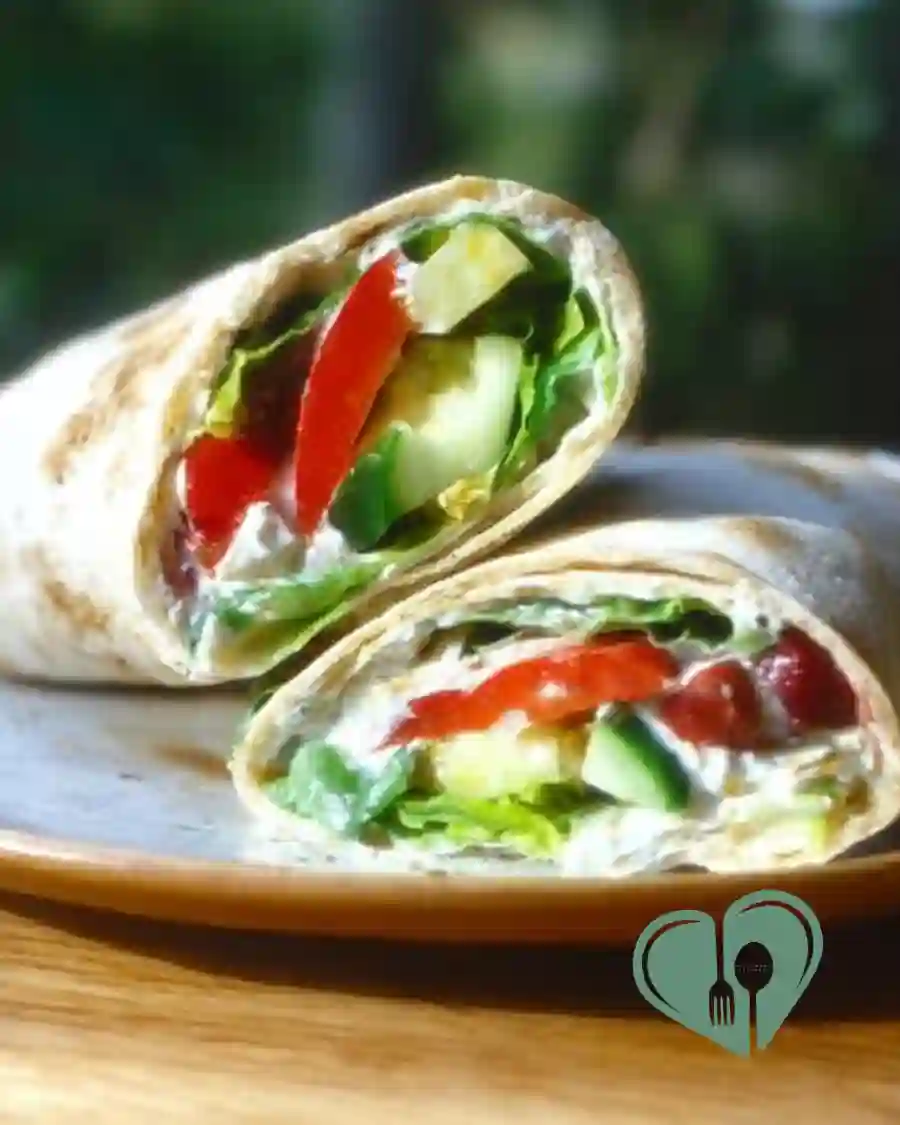

Greek Salad Wrap
Ingredients
Equipment
Method
- Season the chicken breast with salt, pepper, and a pinch of oregano. Cook in a skillet over medium heat for 5 to 7 minutes per side, or until fully cooked. Let it rest, then slice thinly.
- While the chicken cooks, chop the lettuce, dice the cucumber, halve the cherry tomatoes, and thinly slice the red onion.
- In a small bowl, whisk together olive oil, fresh lemon juice, oregano, salt, and black pepper to make the dressing.
- Lay each tortilla flat. If needed, warm for 10 seconds to make it more flexible.
- Layer lettuce first, then cucumber, tomatoes, onion, olives, and sliced chicken.
- Sprinkle feta cheese evenly over the top.
- Drizzle lightly with the prepared dressing. Do not overfill.
- Fold in the sides of the tortilla and roll tightly from the bottom up.
- Slice in half and serve immediately.
Notes
- Choose a high-fiber, low-carb tortilla for better blood sugar control. The wrap you choose makes the biggest difference in carb count.
- Do not overfill the wrap. Too many tomatoes or dressing can make it soggy quickly.
- For lower carbs, replace the tortilla with large lettuce leaves.
- Use pre-cooked or rotisserie chicken to reduce prep time.
- Adjust salt carefully since olives and feta already add sodium.
- Nutrition values vary depending on tortilla brand and portion size.
Why This Greek Wrap Works for Diabetes
I didn’t plan for this to be “diabetes friendly.” I just didn’t want that heavy, sleepy feeling after lunch. You know the one. You eat, and an hour later you feel like lying down. That was the first clue something wasn’t working.
This wrap works because it’s not just carbs sitting there by themselves. There’s fiber from the veggies. Fat from the olive oil and feta. Protein if you add chicken. Everything kind of slows everything else down. It’s not magic. It’s just balance.
It’s Not About Removing Everything
A lot of people think managing blood sugar means cutting out bread completely. Sometimes that helps. Sometimes it just makes you frustrated. I tried the no-carb thing. It lasted maybe five days.
What makes this different is portion control without feeling tiny. A smaller, high-fiber tortilla instead of the giant white ones. More filling inside than wrap outside. That ratio matters more than we think.
You still get:
- Crunch from cucumbers and lettuce
- Salt from olives and feta
- Healthy fats from olive oil
- Protein to keep you steady
Nothing extreme. Just built smarter.
The Mediterranean Angle
There’s a reason Mediterranean-style meals get talked about so much. Olive oil. Vegetables. Moderate cheese. Lean protein. It’s simple food. Real food. And it doesn’t usually send blood sugar through the roof when portions make sense.
Also, it doesn’t feel like “diet food.” That part matters more than people admit.
Does a Greek salad wrap spike blood sugar?
It can. Depends on the wrap and how much of it you eat. A large white flour tortilla with minimal protein probably will. A smaller high-fiber wrap with chicken and healthy fats is much less likely to cause a sharp spike. The ingredients change the outcome.
It’s not perfect. Nothing is. But this version gives you way more control than a random deli wrap you didn’t build yourself.
Ingredients (Low-Carb Options Included)
I’m not going to overcomplicate this. It’s basically a Greek salad folded into something you can hold. That’s it. But the details matter more than they look.
First, the wrap. This is where things usually go sideways. Those big soft white tortillas? Yeah. Probably not the move. Look for a smaller high-fiber wrap. The kind that feels slightly dry straight out of the bag. That’s usually a good sign. Or skip it completely and use large romaine or butter lettuce leaves if you’re trying to keep carbs really low.
Here’s what actually goes inside.
- Small high-fiber tortilla or low-carb wrap
- Romaine lettuce or baby spinach
- Cucumber, chopped small
- Cherry tomatoes, halved
- Thin slices of red onion
- Kalamata olives
- Feta cheese, crumbled
- Grilled chicken breast, sliced
- Extra virgin olive oil
- Fresh lemon juice
- Dried oregano
- Salt and black pepper
Nothing fancy. No hidden sugars. No bottled dressing with ingredients you can’t pronounce.
A Few Ingredient Thoughts
Cucumbers do more work than people think. They add bulk without carbs. Same with lettuce. You can load those up and it still feels light.
Tomatoes have carbs, yes. But not a crazy amount unless you dump in a full cup. I usually keep it moderate. Enough for flavor. Not enough to matter.
Feta is salty, so you don’t need much. I’ve overdone it before and the whole wrap just tasted heavy. A couple tablespoons is plenty.
And the olive oil. Don’t drown it. Just enough to coat things lightly. Too much and the wrap gets soggy anyway.
Can I make this without chicken?
You can. It’ll still taste good. But protein helps. Without it, you might feel hungry again faster. If not chicken, maybe grilled shrimp. Or even a spoonful of tuna. Something that slows things down a bit.
That’s really it for ingredients. Simple on purpose.
Step-by-Step Instructions
Alright. This isn’t complicated. Don’t overthink it.
First, if you’re using chicken, cook that before anything else. Just salt, pepper, maybe a little oregano. Grill it or pan-cook it. Nothing fancy. Let it rest before slicing. If you cut it too early it gets dry. I’ve done that more times than I want to admit.
While that’s cooking, chop everything.
Cucumbers small. Tomatoes halved. Onion thin. Very thin. Thick red onion can take over the whole wrap and suddenly that’s all you taste.
1. Make the simple dressing
In a small bowl, mix:
- A drizzle of olive oil
- A squeeze of fresh lemon
- Pinch of dried oregano
- Salt and black pepper
That’s it. Taste it. Adjust if needed. Sometimes I add more lemon. Depends on the day.
2. Build the wrap
Lay the tortilla flat. If it feels stiff, warm it for maybe 10 seconds. Not long. Just enough so it bends without cracking.
Layer like this:
- Lettuce or spinach first
- Cucumbers and tomatoes
- Onion and olives
- Sliced chicken
- Feta on top
- Light drizzle of dressing
Don’t soak it. Soggy wraps fall apart and then you’re eating a salad off a plate anyway.
Fold the sides in. Roll it tight from the bottom up. Not too tight though. There’s a balance.
Slice it in half if you want. Or don’t. I usually do because it feels more like a real meal.
How tight should I roll it so it doesn’t fall apart?
Tight enough that the filling doesn’t shift when you lift it. But not so tight that everything squeezes out the back. If it keeps falling apart, you probably overfilled it. Happens easily.
That’s basically it. No complicated steps. Just build it smart.
Estimated Nutrition (Net Carbs and Protein)
This part depends on what you actually use. I can’t give you one perfect number because wraps vary a lot. Some say low carb and still have 20 grams. Others are closer to 8 or 10 net carbs. Big difference.
But here’s a realistic estimate if you use a small high-fiber tortilla and about 3 to 4 ounces of grilled chicken.
Per wrap, roughly:
- Calories: 320 to 380
- Total carbs: 18 to 25 grams
- Net carbs: 10 to 15 grams
- Fiber: 8 to 12 grams
- Protein: 22 to 30 grams
- Fat: 16 to 22 grams
That’s not extreme. It’s just balanced.
The protein does a lot of heavy lifting here. Same with fiber. When carbs show up with both of those, they tend to behave better. At least in my experience. When I’ve made this without enough protein, I notice I’m hungrier faster. And sometimes my numbers reflect that.
Tomatoes and onions contribute some carbs. Not a huge amount unless you pile them on. The tortilla is the main variable. Always.
What affects the carb count the most?
The wrap. Every time.
A large regular flour tortilla can push this into 35 to 40 grams of carbs easily. That changes the whole situation. A smaller high-fiber one keeps it much more reasonable.
Feta and olive oil don’t really raise carbs. They add fat and calories, yes. But not glucose-spiking carbs.
Is 10 to 15 net carbs okay for one meal?
For a lot of people managing blood sugar, yes. Especially with protein included. But it depends on your overall daily intake and how your body responds. Some people tolerate that easily. Others need lower. You probably already know where you fall.
The good thing is this wrap gives you control. You can scale it down or bulk it up without guessing too much.
How to Lower the Carb Count Further
If you’re trying to tighten things up a bit more, this is where you can tweak it.
First and obvious one. Skip the tortilla. Use large lettuce leaves instead. Romaine works. Butter lettuce works better if you want it flexible. It won’t feel exactly the same. Let’s not pretend. But it drops the carbs fast.
If you still want something that feels like a wrap, look for the really small ones. The 3 to 5 net carb kind. They’re thinner. Slightly dry sometimes. Not perfect. But they do the job.
Easy adjustments that actually make a difference
- Cut the tortilla size in half and make two smaller wraps
- Use extra lettuce inside to replace some tomatoes
- Keep onion light
- Measure the feta instead of eyeballing it
- Add more chicken instead of more veggies
Tomatoes are fine. Just don’t overload them. Same with red onion. A little goes a long way.
Another thing people forget. Dressing adds up if you pour freely. Olive oil is healthy, yes. But calories still matter. And too much oil can make the wrap slippery and messy anyway.
If you really want to go lower, you can turn the whole thing into a bowl. Same ingredients. No wrap. Eat it with a fork. Not exciting maybe, but it works.
Is it better to remove carbs completely?
Not always. For some people, going ultra low carb feels good at first. Then it gets old. Then cravings hit harder. Sometimes keeping a small amount, paired with protein and fat, is more sustainable.
It depends on you. Your numbers. Your tolerance. Your patience level that week.
You don’t have to strip it down to nothing. Just adjust what matters most.
Meal Prep and Storage Tips
This wrap is good fresh. That’s the truth. But you can prep it ahead if you’re careful.
If you’re making a few for the week, don’t fully assemble them all at once. That’s where things get soggy. Tomatoes release water. Dressing spreads. Suddenly the wrap feels damp and sad by day two.
What works better is prepping the parts.
Chop the cucumbers. Slice the onion. Cook the chicken. Store everything separately in containers. Keep the dressing in a small jar. Then build the wrap the night before or the morning of. Takes maybe three minutes.
If You Need to Assemble Ahead
Sometimes you just want it done. I get it.
If you’re assembling in advance:
- Put lettuce down first as a barrier
- Keep tomatoes toward the center
- Use less dressing than you think
- Wrap it tightly in parchment or foil
That layering trick helps. The greens protect the tortilla a bit. Not perfectly. But enough.
Stored properly in the fridge, an assembled wrap usually holds up about 24 hours. After that, texture starts to change. It’s still edible. Just not great.
Can you freeze a Greek salad wrap?
Not really. The vegetables won’t handle it well. Cucumbers get watery. Lettuce goes limp. Feta texture shifts. It’s just not worth it.
If you want something freezer friendly, freeze the cooked chicken separately. Then build fresh wraps later.
Honestly, this is one of those meals that’s best made close to when you eat it. But with a little prep, it doesn’t feel like extra work.
If you want more wrap ideas that keep the same blood-sugar-friendly approach, browse these 20 Diabetic Wrap Recipes for Healthy, Blood Sugar-Friendly Meals.
Related Poultry and Mediterranean Wrap Recipes
If you make this Greek salad wrap for people with diabetes more than once, you’ll probably hit that point where you want something different. Not totally different. Just… not the exact same thing again.
I’ve done the “eat it every day” plan. Day one feels smart. Day four feels like punishment.
So here are a few swaps that stay close enough to the same ingredients. Nothing dramatic. Just small shifts.
If you want more easy lunch ideas in the same style, check out these Healthy Chicken and Turkey Wraps for Diabetics.
Mediterranean Tuna Salad Wrap
This one is what I make when I don’t feel like cooking anything.
Open a can of tuna. Drain it. Add lemon, a little olive oil, chopped cucumber, maybe a bit of red onion. Salt. Pepper. Done.
It’s simple. Almost boring. But it works.
If you use a small high-fiber wrap, the carbs stay similar to the Greek salad wrap for diabetics. Just don’t overload it. Tuna piles up fast and then you’re fighting the wrap to close.
You can add feta if you want. Or not. Some days I skip it because I’ve already had enough cheese that week.
Shrimp Avocado Feta Wrap
This one feels like more effort than it actually is.
Shrimp cooks in a few minutes. Toss it in a pan with a little olive oil. Salt. Garlic if you feel like chopping it.
Add sliced avocado, some lettuce, feta, lemon. That’s it.
Avocado makes it creamy without dressing. But it adds calories fast. So I slice half and stop. If I leave the whole thing on the counter, I’ll use it. That’s just how it goes.
Carbs stay reasonable if the wrap is small. Same rules apply. The base matters more than the filling.
Rainbow Veggie Wrap
Sometimes you don’t want meat. Or you just ran out.
Bell peppers. Spinach. Cucumber. Maybe shredded carrots. A thin layer of hummus. Or feta again if that’s your thing.
This one can creep up in carbs if you’re heavy-handed with hummus or carrots. Not terrible. Just something to notice.
It’s lighter. Feels fresh. Not as filling unless you add something with protein. Maybe a spoon of Greek yogurt. Maybe not.
You don’t need a whole new grocery list to rotate lunches. Just move a few pieces around. Keep the structure similar to the Greek salad wrap and adjust from there.
Greek Salad Wrap for Diabetics: Final Thoughts
So that’s it.
The Greek salad wrap isn’t some special “medical” recipe. It’s just a regular wrap built with a little more attention. Smaller tortilla. Enough protein. Not drowning in dressing. That’s really the difference.
You still get the crunch. The salt from the olives. The bite from the onion. It doesn’t taste like you’re missing out on something. And that part matters more than people admit. If food feels restrictive, it’s hard to stick with anything long term.
Some days you’ll want it lower carb. So you swap the wrap for lettuce. Some days you’ll add more chicken because you know you’ll be busy and don’t want to snack later. It’s flexible. That’s the point.
Nothing extreme. Nothing complicated. Just something you can make again without thinking too hard about it.
If you try it, adjust it. Make it yours. That’s usually when meals like this actually stick.

Dreena shares balanced, diabetes-friendly recipes made for real life—simple, nourishing, and full of flavor. Her kitchen is where health meets heart.