

Chili with beans and lean beef is one of those foods people hesitate over. You want it. It smells right. Feels like real food. Then the second guessing starts. Beans. A full bowl. Maybe tonight is not the night.
A lot of diabetic safe recipes dodge this kind of meal. They swap it for something lighter, smaller, kind of sad. You eat it and you are full, but not really. This chili is not trying to be clever. It is just chili. Meat, beans, heat, time on the stove. Food that sits in a bowl and feels like dinner.
What surprises people is how this one lands. Lean beef slows things down. Beans are not as wild as they get credit for. The thickness matters. The way it cooks matters. None of that sounds exciting, but it changes how the meal hits later.
This is not a promise. Bodies are annoying like that. Some days it works better than others. Portions matter. Sides matter. Timing matters more than anyone wants to admit. Still, chili with beans and lean beef gets written off too fast.
Most of the stress around this comes from guessing. What helps. What doesn’t. That part gets ignored.
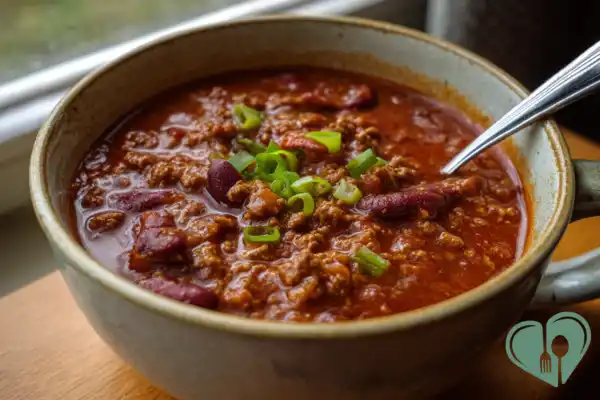
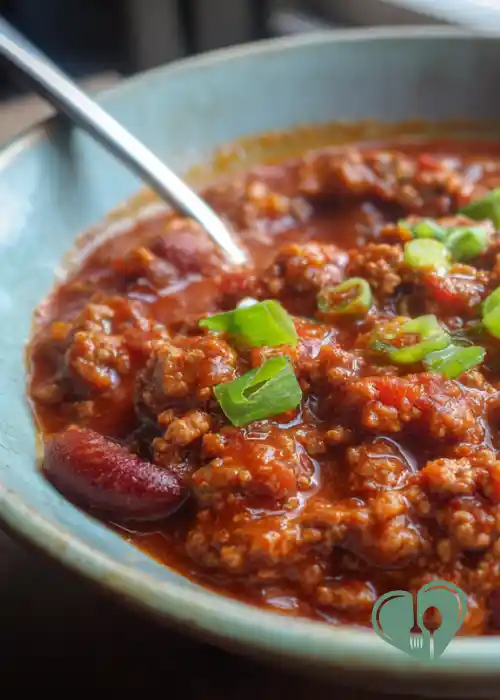

Chili with Beans and Lean Beef
Ingredients
Equipment
Method
- Heat a large pot or Dutch oven over medium heat. Add the beef directly to the pot. Let it sit for a minute before breaking it up so it can brown.
- Season the beef lightly with salt. Cook until most of the pink is gone and it looks browned, not gray.
- Add the chopped onion. Stir and cook until softened, about five minutes. Add the garlic and stir for about thirty seconds, just until fragrant.
- Add the chili powder and cumin directly to the pot. Stir well and let the spices warm for about a minute.
- Pour in the diced tomatoes. Scrape the bottom of the pot to loosen anything stuck there.
- Add the beans and the water or broth. Stir gently to combine everything.
- Bring the chili to a low simmer. Reduce heat and let it cook uncovered for about one hour, stirring occasionally.
- If the chili gets too thick, add a small splash of water. If it feels thin, let it simmer longer.
- Taste and adjust salt if needed. Turn off the heat and let the chili sit for about ten minutes before serving.
Notes
- This chili thickens as it sits. If it looks loose at first, give it time.
- Rinsing the beans helps more than people think. Do not skip it.
- If the beef is very lean, a little olive oil helps with browning. Otherwise, you can skip it.
- Taste near the end, not at the beginning. Early chili always tastes unfinished.
- Chili usually gets better after it rests for a bit. Ten minutes helps. Overnight helps more.
- If you are watching portions, serve it in a bowl, not straight from the pot. That makes a difference.
- Skip bread or chips if blood sugar tends to run high for you. The chili holds up fine on its own.
Can Diabetics Eat Chili with Beans and Lean Beef?
Yes. Many can. Not everyone, not every time, but yes. That answer tends to annoy people because it is not clean. Still true though.
The fear usually starts with the beans. They get blamed fast. Carbs, starch, end of story. But beans are slow. Slower than bread. Slower than rice. Slower than most things people replace them with. They bring fiber along for the ride, and that changes how the whole meal moves through your system.
Then there is the beef. Lean beef, specifically. It does not spike anything on its own. It just sits there and takes its time. That matters more than people think. Protein slows digestion. It gives the carbs something to bump into on the way through. The result is often quieter than expected.
Chili itself helps too. It is thick. It is not fluffy or liquid or fast. You eat it slowly, usually. Spoon by spoon. That pacing does something. That same thick, spoon-by-spoon comfort is part of why something like Chicken Pot Pie Skillet tends to feel just as steady on a regular weeknight. Not in a dramatic way. Just enough to matter.
This is where people mess it up. They add cornbread. Or chips. Or eat a huge bowl because it tastes good and goes down easy. Same chili, different outcome. That is not the chili’s fault.
Some people handle this better at lunch. Others are fine at dinner. A few only tolerate it when leftovers are reheated the next day. There is no single rule that sticks for everyone. Anyone who claims otherwise is guessing.
So yes, diabetics can eat chili with beans and lean beef. Many do. The trick is knowing why it works when it does, and why it falls apart when it doesn’t. We will get into that next.
Why Chili with Beans and Lean Beef Digests Slowly
This part is boring on the surface. It is also the part that makes the whole thing work.
Chili with beans and lean beef is heavy. Not greasy heavy. Just dense. It sits there. That dense, slow kind of meal is exactly why it fits into diabetic comfort dinners that focus on steadiness instead of extremes. When food sits there, things slow down. Digestion, absorption, all of it. That alone changes how blood sugar behaves later.
Lean beef does a lot of the quiet work. Protein takes time. It does not rush. It does not spike. It just hangs around and forces everything else to move at its pace. That same protein-first steadiness is part of why meals like Turkey Meatloaf tend to land quietly without drama on regular nights. Beans come in the same way. Fiber slows things. Not dramatically. Just enough to matter.
People expect carbs to act fast. Beans usually do not. They are wrapped up in fiber and structure. They take longer to break apart. That delay is the whole point, even if no one says it out loud.
The way chili is cooked matters too. Long simmer. Everything broken down but still thick. Not watery. Not smooth. Texture changes digestion more than labels ever will. Thick foods behave differently than fluffy or liquid ones. This is one of those small details that adds up.
There is also how people eat it. Chili is spoon food. You do not inhale it. You pause. You talk. You go back for another bite. That pacing does something, even if it feels silly to mention.
None of this guarantees anything. Some days your body cooperates. Some days it does not. Still, when people say this chili feels steadier than expected, this is usually why.
Next, we should probably talk about beans directly. That is where most of the fear lives.
Why Beans Aren’t the Enemy in Chili with Beans and Lean Beef
Beans get blamed for everything. Spikes, crashes, regret. People see them and stop listening to the rest of the meal.
The thing is, beans are slow. Not pretend slow. Actually slow. ” Lentils tend to behave the same way, which is why meals like Baked Cod with Lentils often land just as steadily for people watching their numbers.” They take time to break down, mostly because they are wrapped in fiber. That fiber is annoying in the best way. It drags digestion out. It keeps carbs from rushing straight into the bloodstream. That alone puts beans in a different category than bread or pasta, even if the carb numbers look similar.
In chili, beans behave even better. They are not eaten alone. They are mixed with meat, fat, liquid, and spice. Everything gets tangled together. Digestion does not happen in neat lines. It is messy. The body has to work through the whole bowl, not just the beans.
Portion size is where people lose the plot. Beans are fine. A mountain of beans is a different story. Chili is not supposed to be half beans by volume. It is a mix. A scoop here, some meat there, sauce holding it together. When the balance is off, the result is off too.
Another thing people forget is that beans are filling. Really filling. Most people stop eating sooner than they expect. That matters more than carb math. Feeling full earlier changes the whole outcome.
Some people still do not love beans. That is fine. You do not have to force it. But writing them off completely usually creates bigger problems later. You replace them with something faster, lighter, and way less forgiving.
Beans are not magic. They are just misunderstood. In chili with beans and lean beef, they usually help more than they hurt.
Ingredients for Chili with Beans and Lean Beef
This is not a long list. That is on purpose. Too many ingredients usually turn chili into something else.
Start with lean beef. Not extra lean. Not greasy either. Somewhere in the middle works best. Enough fat to taste like chili. Not enough to float. If the meat tastes flat before anything else goes in, it stays flat.
Beans come next. Pick one kind if you want things simple. Kidney beans are common. Pinto beans too. Black beans work but change the vibe a bit. Canned is fine. Rinse them. That step matters more than people think. It washes off some of the stuff that causes trouble later.
Tomatoes are where people overthink things. Crushed or diced. Use what you like. Avoid anything sweet. No fire roasted debates here. Chili survives either way.
Onion and garlic. Almost boring to mention, but skipping them shows. They melt into the background and that is the point.
Spices are personal. Chili powder, cumin, maybe paprika. Salt, obviously. Add heat if you want. Or don’t. Heat does not cancel carbs. It just makes chili taste like chili.
Liquid should be minimal. Broth or water. Enough to loosen things up, not enough to make soup. Thick matters here.
That is basically it. You can add more if you want. Peppers, celery, whatever lives in your fridge. Just know that every add-on shifts the balance a little.
Next comes the cooking part. That is where most people rush it and undo all the good stuff.
Cooking Instructions for Chili with Beans and Lean Beef
This is where people rush. Chili does not like to be rushed.
Start with a pot that feels a little too big. Heat it up. Add the beef first. No oil at the beginning if the meat has some fat. Break it up slowly. Let it sit for a minute before stirring. Browning matters, even if no one wants to wait for it.
Salt the meat early. Not a lot. Just enough. Add the onion once the beef looks right, not gray, not wet. Let the onion soften. Garlic goes in last. Always last. Burned garlic ruins everything.
Spices come next. Dump them straight into the pot. Dry. It looks wrong for a moment. Stir anyway. Let them warm up. You will smell it. That smell is the point.
Tomatoes go in after that. Scrape the bottom. Get the stuck bits up. That is flavor, even if it looks messy. Add a little liquid now. Not much. You can always add more later. You cannot take it out.
Beans go in near the end of the build. Stir gently. You are not mashing them. Bring everything to a low simmer. Not bubbling hard. Just enough movement to know it is alive.
Then you wait. Stir once in a while. Walk away. Come back. Taste it too early and it will disappoint you. Taste it later and it starts to make sense.
If it thickens too much, add a splash of water. If it feels thin, wait longer. Chili fixes itself if you give it time.
That is it. No tricks. No secret step. Just patience, which is annoying but necessary.
Next we should talk about portions, because this is where good chili gets blamed for bad outcomes.
Bean Portion Guidance for Chili with Beans and Lean Beef
This is the part people do not want to hear. Portions matter more than ingredients. Same pot of chili. Two different bowls. Two very different outcomes.
Beans are not the problem by themselves. Too many beans at once usually is. Chili should not turn into a bean stew. If your bowl looks mostly beige with a little meat floating around, that is where things go sideways.
A good rule, if you even want one, is balance. You want to see meat. You want to see sauce. Beans should be part of the mix, not the main character. One ladle scoop that has some beans in it is different from three scoops packed full.
Most people eat more than they think. Chili goes down easy. It is warm. It is comforting. You keep going because it tastes good, not because you are hungry. That is where trouble sneaks in.
Another thing people miss is what goes with the chili. Bread changes everything. Chips do too. Even a small handful. Chili alone behaves one way. Chili plus sides behaves like a different meal.
If you are unsure, start smaller. Eat. Wait. See how you feel later. Not immediately. Later. That tells you more than any chart ever will. Next time, you adjust. That is how most people actually figure this out.
Some people do better with leftovers. Smaller portion, reheated, eaten slower. Others prefer fresh. There is no clean answer here. Just patterns you notice over time.
Bean portion guidance sounds boring, but this is where chili with beans and lean beef either works for you or keeps getting blamed unfairly.
Next up is freezer stuff, which matters more than it should.
Freezer Friendly Tips for Chili with Beans and Lean Beef
Chili freezes well. Almost too well. A lot of people end up liking it more later than the first night.
Let it cool before you do anything with it. Not all the way cold. Just not steaming. Hot chili straight into the freezer messes with texture and makes everything watery when it comes back.
Portion it out before freezing. This matters more than people expect. One big container turns into three bowls because it is there. Smaller containers slow you down. One meal at a time. No guessing.
Use containers that leave a little space at the top. Chili expands. Not a lot, but enough to crack lids if you ignore it. Learned that the annoying way.
Label it if you think you will forget. Chili all looks the same after a week. You tell yourself you will remember. You will not.
When you reheat it, go slow. Stove is better than microwave if you have the time. Stir. Walk away. Come back. Microwaves tend to blast the edges and leave the middle cold, which does nothing good for texture.
Some people notice leftovers sit better the next day or two. Smaller portions. Slower eating. Everything settled. That is not a rule. Just a pattern that shows up a lot.
If the chili thickens too much after freezing, add a splash of water or broth. Not tomato sauce. You are loosening it, not starting over.
That is pretty much it. Freeze it. Forget about it. Be glad it is there later.
Chili with Beans and Lean Beef FAQs
Is this actually diabetic safe?
For a lot of people, yes. Not automatically. Not endlessly. But as a normal bowl, eaten like a meal, it often works fine.
Do I need to avoid eating this at night?
Depends. Some people are fine. Others notice numbers creep up more at dinner. If nights are tricky for you, try lunch first and see what happens.
Are canned beans okay or do they have to be dried?
Canned is fine. Just rinse them. That step gets skipped a lot and it shows later.
Does chili hit blood sugar worse than other dinners?
Usually no. Sometimes it does better than things that look lighter. Especially meals built around bread or rice.
Is leftover chili better than fresh?
For some people, yes. Smaller portion. Slower eating. Everything settled down. Not guaranteed, but common enough to notice.
Can I eat this without beans at all?
You can. It changes the meal though. Less fiber. Different fullness. Some people actually do worse without them.
What messes this up the fastest?
Sides. Cornbread. Chips. Extra bowls because it tastes good. The chili itself usually gets blamed unfairly.
Do spices affect blood sugar?
Not in any meaningful way. They matter for flavor, not numbers.
That is most of what people actually ask, even if they phrase it differently.
Chili with beans and lean beef does not need defending. It either works for you or it does not. A lot of people find it fits better than they expected. Some don’t. That is normal.
If you make it, eat it like a meal. Not a stunt. Pay attention once or twice. Then stop overthinking it. That’s usually the mindset behind easy diabetic dinners that people actually keep in rotation.
That is it.

Dreena shares balanced, diabetes-friendly recipes made for real life—simple, nourishing, and full of flavor. Her kitchen is where health meets heart.