

If lunch regularly leaves you hungry again an hour or two later it’s probably not because you’re doing something wrong. More often, it’s because the meal itself wasn’t built to last. That’s where High-Fiber Hot Lunch Ideas for Diabetics come in. Warm, fiber-rich meals tend to satisfy in a way many cold lunches just don’t – especially when blood sugar stability is part of the equation.
Hot food slows things down. You eat it more deliberately, your body has time to register fullness, and digestion tends to feel steadier instead of rushed. Pair that warmth with fiber from beans, vegetables, and whole grains, and lunch starts doing what it’s supposed to do: keep you comfortable, focused, and not thinking about food again right away.
A lot of diabetes-friendly lunch advice focuses on keeping meals “light.” That can work sometimes. But for many people, light turns into inadequate, which leads to afternoon energy dips or constant snacking. Fiber-forward hot meals offer a different approach. They’re not heavy, but they are substantial. They create steadiness instead of swings.
This article is about practical, reheatable lunches that fit real days – soups, stuffed vegetables, bean-based meals, and whole-grain options that hold up in both flavor and blood sugar response. We’ll look at why hot meals tend to support fullness, how to balance carbs without overthinking portions, and simple ways to boost fiber while keeping meals enjoyable.
If you’re looking for lunches that keep you full through the afternoon – not just on paper, but in real life – this is where that shift usually starts.
Why Hot Meals Work Better for Diabetes Management
If you’ve ever finished a hot lunch and felt… calm afterward, that’s not accidental. Not full-to-the-brim, not sluggish – just settled. Compare that to a cold lunch you eat quickly at your desk, and the difference is pretty obvious once you notice it. One feels like a meal. The other feels like something you checked off.
Hot meals slow you down in small, unforced ways. You wait for them to cool. You take smaller bites. You pause without thinking about it. That slower rhythm gives your body time to recognize what’s happening while it’s happening instead of ten minutes later. For blood sugar, that timing matters. A lot. When eating is rushed, fullness signals lag, and that’s often when people end up eating more later – not because they’re hungry, but because lunch never quite landed.
There’s also the satisfaction piece, which is hard to measure but easy to feel. A warm lunch usually creates a sense of closure. You’re done eating, and your body agrees. When that doesn’t happen, food stays on your mind. You start grazing. A bite here, a snack there. For people with diabetes, it’s often that in-between eating that causes more trouble than lunch itself.
Warm food makes fiber feel like food, not homework
Fiber works best when it doesn’t feel like a chore. Beans, lentils, vegetables and whole grains are naturally filling, but they’re also more enjoyable warm. Softer textures, more aroma, more comfort. You’re more likely to eat them slowly and in amounts that actually satisfy you, which is why high-fiber lunch bowls for diabetics built around warm grains tend to hold you longer than cold lunches.
A warm bowl of beans and vegetables feels grounding. The same ingredients cold can feel… fine, but forgettable. And forgettable meals don’t tend to hold you very long.
Why this becomes obvious in cooler seasons
When the weather cools down, cold lunches start feeling out of place. Even good ones. You might not think much of it at first, but your appetite notices. And later in the day, it looks for balance – usually through extra snacks or bigger portions at night. Warm lunches match the season and your hunger cues better, which makes steadiness easier without trying harder.
They’re also easier to live with. Soups, stews, roasted vegetables, beans and grains reheat well. You can cook once, pack leftovers, and still look forward to lunch – which matters more than most nutrition advice admits.
FAQ: Does eating hot food spike blood sugar?
No. Heat itself doesn’t raise blood sugar. What matters is the type of carbohydrates, how much fiber is in the meal, how it’s balanced with protein and fat and how quickly it’s eaten. In real life, hot, fiber-rich meals eaten at a slower pace often lead to steadier blood sugar than cold meals eaten in a rush.
High-Fiber Hot Lunch Ideas for Diabetics (That Actually Satisfy)
This is usually where things either feel doable or instantly overwhelming. Lists of “healthy lunches” look fine, but a lot of them fall apart once you imagine eating them on a random Tuesday. The goal here isn’t novelty or perfection. It’s lunches that are warm, filling, and steady enough that you’re not thinking about food again right after you’re done.
All of these work for the same basic reason: they’re built around fiber, they’re meant to be eaten hot, and they feel like actual meals – not placeholders.
Vegetable & Bean Soup

If there’s one lunch that quietly does a lot of work for people with diabetes, it’s soup. A vegetable and bean soup in particular. It’s warm, it’s filling, and it’s forgiving. Beans bring fiber and protein, vegetables add volume, and the broth makes everything feel cohesive instead of pieced together.
What people often notice with soup is how long it holds them. Not stuffed – just steady. You eat it, you’re done, and your body doesn’t keep asking for more an hour later. It also reheats well which sounds minor, but matters when lunch is something you’re eating at work or between responsibilities.
Stuffed Sweet Potato with Black Beans
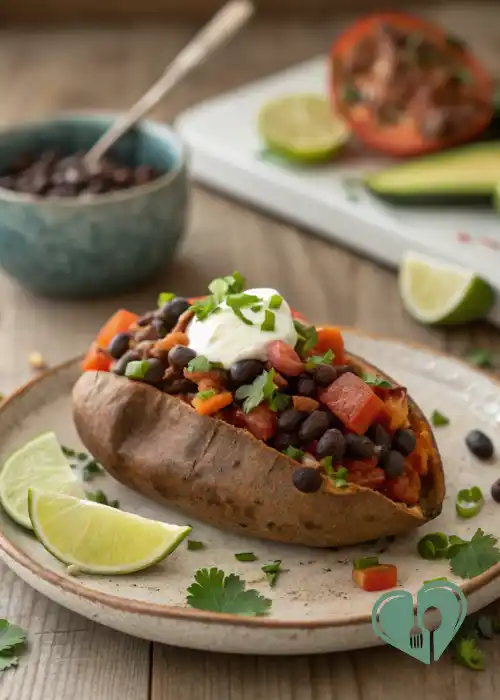
Sweet potatoes tend to make people nervous, but when they’re paired with beans and eaten hot, they behave very differently than people expect. A baked sweet potato stuffed with black beans vegetables, and a little fat feels grounding. It’s warm, hearty, and surprisingly stabilizing.
The beans slow things down the fiber adds staying power and the whole meal feels substantial enough that you’re not hunting for snacks later. This is one of those lunches that looks simple but works well because everything in it pulls in the same direction.
Veggie Burger on a Whole Grain Bun

A veggie burger can go either way. The ones built mostly from beans or lentils tend to work much better than the ones padded with refined starch. Served hot on a whole grain bun and loaded with vegetables, it feels familiar – which is underrated. Familiar meals are easier to stick with.
What makes this lunch helpful is that it doesn’t feel like a “special” diabetic meal. It’s just lunch. Warm lunches don’t need to be all hot. A simple high-fiber salad for diabetics on the side can add texture and freshness without undoing the steadiness of the meal. Add a side of roasted vegetables or something fibrous, and you’ve got a warm, satisfying meal that doesn’t unravel your afternoon.
FAQ: Are these lunches really okay for blood sugar?
They can be – and often are – when portions are reasonable and the meals are balanced. Fiber from beans, vegetables, and whole grains slows digestion and helps prevent sharp spikes. These lunches work best when eaten hot, at a normal pace, and paired with enough protein and fat to feel complete.
Smart Carb Balancing in Hot Meals (The Real-Life Version)
Carbs tend to get blamed when lunch doesn’t go well, but most of the time the issue isn’t the carbs themselves – it’s how they show up. A hot lunch with carbs can work just fine for diabetes when those carbs aren’t doing all the work alone. Problems usually start when the meal leans too hard on one thing and not enough on the rest.
Hot meals help because they slow the whole situation down. You’re not inhaling food, and you’re more likely to notice whether the meal actually feels balanced while you’re eating it – not afterward.
Carbs that usually behave better
If you’ve eaten with diabetes for any length of time, you’ve probably noticed that some carbs just sit better than others. The ones that tend to work best in hot lunches are the ones that still look like themselves.
These usually include:
- Beans and lentils
- Sweet potatoes (especially with the skin)
- Barley, farro, brown rice
- Squash and root vegetables
- Savory oats
They’re slower, denser, and more filling – especially when they’re warm and mixed with vegetables and protein. You don’t need a lot of them for the meal to feel substantial.
More refined carbs aren’t automatically “bad,” but they’re easier to overeat and easier to eat fast. In a hot lunch, leaning toward intact carbs usually leads to steadier energy without feeling like you’re restricting yourself.
Portion guidance without measuring anything
This is where most people want a number – but numbers aren’t always helpful at lunch. A more useful question is: Does this meal feel anchored?
A hot lunch is usually balanced when:
- Vegetables are doing more than just filling space
- There’s a clear protein source (beans count here)
- Carbs are present, but not the only thing in the bowl
In practical terms, that might look like:
- A soup where beans and vegetables dominate, not noodles
- A grain bowl where grains support the meal instead of taking over
- A stuffed vegetable where the filling adds fiber and protein, not just starch
Eating slowly – which hot meals naturally encourage – often handles the rest. You’re more likely to stop when you’ve had enough instead of when the container is empty.
FAQ: Is it better to skip carbs at lunch?
For some people, maybe. For many others, skipping carbs leads to more hunger later, not better control. Balanced, fiber-rich carbs eaten in a hot meal often support steadier blood sugar than carb-free lunches that backfire through snacking or overeating later.
How to Increase Fiber in Hot Meals (In a Way You’ll Actually Keep Doing)
Most people don’t need a “fiber plan.” They need meals that quietly include more of it without turning lunch into a project. The easiest way to increase fiber in hot meals is to work with foods that already belong there – not force new ones in just because they’re “good for you.”
Hot meals help because fiber tastes better warm, feels more filling, and doesn’t stand out as something you’re trying to tolerate.
Beans: small amounts go a long way
Beans are probably the most reliable fiber add-on for hot lunches. You don’t need a huge serving for them to make a difference. Sometimes it’s just spooning a little into soup, tossing some into a veggie sauté or mixing them into grains so they’re part of the background instead of the star.
If beans have ever bothered your stomach, it’s usually because the jump was too big or too fast. Starting with smaller portions and eating them warm – not cold – tends to go better. Lentils and black beans are often easier places to start. And canned beans absolutely count. Rinse them, use them, move on.
Vegetables: build the meal around them, not on top of them
Fiber increases naturally when vegetables stop being an afterthought. In hot meals, that often means starting with them – onions, peppers, greens, tomatoes, squash – and letting everything else get added to that base.
Soups are great for this. So are stir-fries, roasted vegetable trays, or grain bowls where vegetables clearly outnumber everything else. When vegetables make up most of the volume, meals feel more filling without feeling heavier.
Frozen vegetables work just as well here and often make things easier, not worse.
Whole grains: supporting role, not center stage
Whole grains add fiber best when they’re doing support work. A little barley in soup. Some farro mixed with beans and vegetables. A scoop of brown rice under a pile of roasted veggies.
When grains take over the whole bowl, fiber still exists – but blood sugar often gets less steady. Keeping grains intact and mixed into hot meals usually leads to better balance and better staying power.
FAQ: Is it okay if lunch isn’t my highest-fiber meal?
Absolutely. Fiber doesn’t need to peak at lunch to be effective. Spreading it across the day often feels better and is easier on digestion. Hot lunches just happen to be a convenient place to add fiber without much effort – not a requirement to max it out.
Flavor Boosting Tips (So Lunch Doesn’t Feel Like a Compromise)
Let’s be real: if lunch tastes boring, it doesn’t matter how balanced it is. You’ll still feel unsatisfied – and later, your brain will go looking for something else. Usually something crunchy, sweet, or random. That’s not a willpower issue. That’s a flavor issue.
The good thing about hot meals is that they’re already working in your favor. Warm food carries flavor better. You smell it, taste it, and feel more satisfied with less. You just need to give it a little help.
Spices: use what you already like
You don’t need a perfectly curated spice rack. Most people already have what they need – they just don’t use it consistently.
Beans, vegetables, soups and grains all wake up with:
- Cumin, chili powder, smoked paprika
- Garlic or onion powder (no shame here)
- A little cinnamon or nutmeg in squash or sweet potato dishes
- Turmeric if you like earthy flavors (not because it’s trendy)
The goal isn’t complexity. It’s avoiding that flat, unfinished taste that makes food feel like it’s missing something.
Herbs: the “oh, this is good” factor
Herbs do something subtle but important. They make food feel fresh even when it’s been reheated. That matters a lot for packed lunches.
A handful of chopped parsley, cilantro or basil added at the end can change the whole mood of a meal. Dried herbs work too – oregano, thyme, rosemary – especially in soups or roasted vegetables. You don’t need many. One or two that you actually like is enough.
The small things that make a big difference
A lot of “healthy” lunches fall short because they’re missing balance, not nutrients.
Most hot meals taste better with:
- A splash of acid (lemon juice, vinegar)
- A little fat (olive oil, avocado)
- Enough salt that the food tastes like itself
Not a lot. Just enough that you’re not subconsciously looking for more food afterward.
When meals taste complete, you stop thinking about food sooner. That’s a win for blood sugar, energy, and sanity.
FAQ: Can flavorful food still work for diabetes?
Yes – and it usually works better. Flavor doesn’t spike blood sugar. Bland food leads to overeating, extra snacking and dissatisfaction. Meals that taste good are easier to eat slowly and stop when you’re done.
Reheating and Storage Tips (Because Leftovers Should Still Feel Like Lunch)
A lot of lunches fail after they’re cooked. They look fine going into the fridge… and then noon hits, you reheat them, and suddenly you’re staring at something that feels sad, soggy, or weirdly dry. When that happens, satisfaction drops fast – and when satisfaction drops, blood sugar control usually follows.
The fix isn’t fancy meal prep. It’s just working with leftovers instead of fighting them.
Cook foods that don’t get offended by reheating
Some foods forgive you. Others hold grudges.
Soups, stews, beans, lentils, roasted vegetables, and grain-based dishes almost always reheat well because they keep moisture. They warm evenly and still taste like themselves. These are the lunches that don’t punish you for planning ahead.
Anything that depends on crunch or delicacy tends to suffer. That doesn’t mean you can’t include those foods – just don’t build the entire lunch around them. If something is meant to be crisp, keep it small or on the side.
A little separation goes a long way
You don’t need five containers, but one small tweak helps a lot: keep anything fresh or soft out of the heat.
Herbs, greens, avocado, yogurt, sauces – add those after reheating. It takes ten seconds and makes the meal feel fresher and more intentional even if it’s leftovers from two days ago.
Also, let food cool before sealing it up. Trapping steam is how good lunches turn mushy overnight.
Reheat like you care (not like you’re in a rush)
Microwaving on full blast is the fastest way to ruin texture. Slower reheating works better:
- Medium power instead of high
- Stir halfway through
- Add a splash of water or broth if things look dry
You’re aiming for evenly warm, not lava-hot. Food that’s pleasantly hot tastes better – and you’re more likely to eat it slowly, which helps fullness register.
Thermos lunches make life easier
If you’ve ever been disappointed by a microwave situation, a thermos can quietly solve a lot. Soups, stews, beans, and grain dishes stay warm for hours and keep their texture surprisingly well. It also removes the whole reheating step, which makes lunch feel simpler – and simplicity matters more than most advice admits.
FAQ: Does reheated food affect blood sugar?
No. Reheating food doesn’t make it worse for blood sugar. In some cases, cooked-and-cooled starches may even digest more slowly. What matters far more is what the meal is made of how much fiber it contains, and whether it actually satisfies you.
FAQs About High-Fiber Hot Lunches for Diabetics
Are hot lunches actually better, or do I just like them more?
Honestly? It’s probably both – and that’s okay. Hot lunches tend to slow you down without you having to think about it. You eat a little more deliberately, notice fullness sooner, and feel more “done” afterward. That sense of being done matters. When lunch feels unfinished, hunger has a way of sneaking back in later. For a lot of people managing diabetes hot meals just make afternoons easier.
I’ve heard mixed things about beans. Should I be avoiding them?
You’re not wrong – beans get confusing advice. In real life, though, many people with diabetes do very well with them. They’re filling, high in fiber, and digest more slowly than a lot of refined carbs. When beans are eaten hot – in soups, stews, or mixed dishes – they tend to feel more satisfying and gentler on blood sugar. If beans haven’t gone well for you before, it’s usually about portion size, not the beans themselves.
Sweet potatoes make me nervous. Are they okay?
That nervousness is common. Sweet potatoes aren’t “bad,” but they do better with context. Eaten hot, with the skin on, and paired with things like beans, vegetables, or a bit of fat, they tend to behave much more predictably. They’re not something to pile on without thought – but they don’t need to be feared either.
How much fiber should lunch have? I see so many numbers.
If numbers stress you out, you can ignore them. A simpler question is: Does lunch keep you comfortable and full without feeling heavy? If yes, you’re probably in a good range. If you add fiber and suddenly feel bloated or sluggish, that’s not failure – it just means your body wants you to ease into it more slowly.
What if fiber just doesn’t sit well with me?
That happens, especially when changes happen too fast. Warm, fully cooked foods are usually easier to tolerate than raw or cold ones. Smaller portions, plenty of fluids, and a little patience go a long way. Most people adjust over time – it just doesn’t happen overnight.
Is it boring to eat the same hot lunches a lot?
It can be… but it doesn’t have to be. Many people actually do better with a few “safe” lunches they trust, then change flavors or ingredients slightly. Consistency isn’t a problem. Eating food that works for you is never boring – it’s practical.
Hot lunches are one piece of the picture. If you want a bigger, calmer view of what high-fiber lunches can look like day to day, the Ultimate Guide to High-Fiber Diabetes-Friendly Lunches ties it all together.

Dreena shares balanced, diabetes-friendly recipes made for real life—simple, nourishing, and full of flavor. Her kitchen is where health meets heart.