

For a lot of people managing diabetes, sandwiches end up on an unofficial “maybe not” list. Not because they’re unhealthy by default-but because they’re unpredictable. One day a sandwich feels fine, the next day it sends blood sugar climbing higher than expected. Over time that uncertainty alone is enough to make lunch feel like a problem that needs solving.
What’s often overlooked is that sandwiches and wraps aren’t inherently off-limits. The issue is usually fiber-or more specifically, how little of it shows up in most standard versions. White bread, minimal vegetables, sugary spreads… they digest quickly, which means glucose hits the bloodstream just as fast. When fiber is present in meaningful amounts, the opposite tends to happen. Digestion slows blood sugar rises more gradually, and energy levels stay steadier afterward.
That’s where diabetes-friendly sandwiches and wraps high in fiber come into focus. These aren’t specialty meals or “diet” substitutes. They’re regular lunches, built with a bit more intention. Whole grains that actually deliver fiber, fillings that combine protein with plants, and portions that feel satisfying without tipping the balance. Nothing extreme-just smarter assembly.
In the sections ahead, we’ll break down what makes a sandwich safe for diabetic lunching, explore high-fiber sandwich and wrap ideas that fit into real life and talk honestly about bread, wraps, and portions. The goal isn’t perfection. It’s consistency-and the confidence that lunch doesn’t have to feel like a gamble anymore.
What Makes a Sandwich Safe for Diabetic Lunching
Let’s clear something up first: sandwiches don’t magically break blood sugar control. They just get blamed a lot. Usually because they’re easy to build badly-and when that happens, blood sugar responds fast and loudly. What actually makes a sandwich diabetes-friendly isn’t the absence of carbs, but the presence of slowing factors. Fiber is the big one. Protein and fat help too. Together, they turn a quick-digesting meal into something your body can process at a calmer pace.
It helps to stop thinking of a sandwich as “bread = problem” and start thinking of it as a structure. Every layer plays a role. When fiber is low and carbs are refined digestion speeds up and glucose hits the bloodstream quickly. When fiber is higher-especially paired with protein that rise tends to be slower and more manageable. That’s usually the difference between feeling fine after lunch and feeling off an hour later.
Bread choices that actually help
Bread is where most people either overthink things or give up entirely. And honestly, that makes sense-some bread really does behave like sugar once it hits your system. Soft white bread and highly refined sandwich loaves digest quickly and don’t offer much fiber to slow things down.
Breads that tend to work better are denser and more substantial. Think whole-grain breads with visible seeds, sprouted grain breads, or hearty rye-style loaves. A practical rule of thumb is fiber content: around 3 grams of fiber per slice or more is a good baseline. Labels like “multigrain” sound nice, but they don’t always mean much. Your blood sugar response is a better judge than marketing language.
How to avoid blood sugar spikes
Bread alone doesn’t decide how your blood sugar reacts-what you eat with it matters just as much. Protein is key. Chicken, turkey, eggs, tofu, beans, or chickpeas help slow digestion and make the meal last longer. Healthy fats like avocado olive oil or seeds add another layer of slowing power.
Portion size also matters, even with good ingredients. A very large sandwich can still push blood sugar higher simply because there’s more total carbohydrate to process. Balanced meals-moderate portions, steady combinations-tend to work better than trying to “optimize” every single ingredient.
Smart spreads and fillings
Spreads are sneaky. A sandwich can look balanced, then get quietly derailed by a sugary sauce or sweetened dressing. Honey mustards, sweet barbecue sauces and flavored mayo can add fast carbs without adding much satisfaction.
More blood-sugar-friendly options are usually simpler: hummus, mashed avocado, mustard, pesto, or yogurt-based spreads. Fillings matter too. Non-starchy vegetables aren’t just there for crunch-they add fiber and volume, which helps slow digestion. Leafy greens, tomatoes, cucumbers, peppers, onions, and shredded carrots all pull their weight here.
FAQ: Is any sandwich truly safe for people with diabetes?
For most people, yes-if it’s built intentionally. A sandwich with high-fiber bread, protein, healthy fats, and plenty of vegetables is generally far more blood-sugar-friendly than one made with refined bread and sugary spreads. Individual responses vary but sandwiches themselves aren’t the problem. How they’re put together usually is.
High-Fiber Sandwich and Wrap Recipes
This is usually the point where things fall apart. You understand the rules-fiber, protein, balance-but then lunch rolls around and suddenly you’re tired, hungry and not in the mood to “build a perfect meal.” That’s why these sandwiches and wraps matter. They’re not clever. They’re not fussy. They’re just combinations that tend to work, especially on days when decision fatigue is already high.
What ties all of these together isn’t some magic ingredient. It’s that they slow things down. Fiber from vegetables and legumes. Protein that actually fills you up. Fats that make the meal satisfying enough that you don’t start rummaging for snacks an hour later. They’re normal lunches-just built in a way that’s a little kinder to blood sugar. If sandwiches or wraps don’t sound appealing that day, high-fiber lunch bowls can offer the same balance in a different form.
Veggie & Hummus Sandwich

This one surprises people. It looks light, almost too simple but it holds up. Hummus does more work than it gets credit for-it adds fiber, protein, and fat all at once. Layer that with crunchy vegetables like cucumbers, peppers, spinach, tomatoes, maybe some shredded carrots, and suddenly the sandwich feels substantial.
If you want the full breakdown, this Veggie and Hummus Sandwich for Diabetics (High-Fiber Lunch) goes deeper into portions and variations without overcomplicating things.
On whole-grain bread, this is a solid option for days when you don’t want meat but still want steady energy. No heaviness, no crash, just… fine afterward. Which is kind of the goal.
Avocado, Tomato & Chicken/Chickpea Sandwich

This one is flexible, which makes it realistic. Grilled chicken if that’s your thing, chickpeas if it’s not-both work. Avocado brings fat that slows digestion, tomatoes add freshness, and the protein anchors the meal.
If you want to explore both versions in more detail, this Avocado Tomato Sandwich (Chicken or Chickpea Version) breaks down how each option behaves and when one might work better than the other.
This is a good choice if you’ve ever eaten a plant-heavy lunch and felt hungry way too soon. It tends to stick around longer without feeling like “too much.”
Turkey/Chicken Hummus Wrap

Wraps get a bad reputation, mostly because they’re easy to overdo. But when you choose a higher-fiber tortilla and don’t treat it like a burrito the size of your forearm, they can work really well.
Hummus instead of mayo, turkey or chicken for protein, and lots of vegetables. Lettuce, cucumber, onion, maybe some shredded cabbage. The trick is balance. More filling, less wrap.
If you want a clearer example of how to build it without overdoing the tortilla, this Turkey (or Chicken) Hummus Wrap for Diabetics walks through portions and combinations that tend to keep blood sugar calmer.
That’s usually where things stay steady afterward.
Grilled Veggie & Hummus Wrap
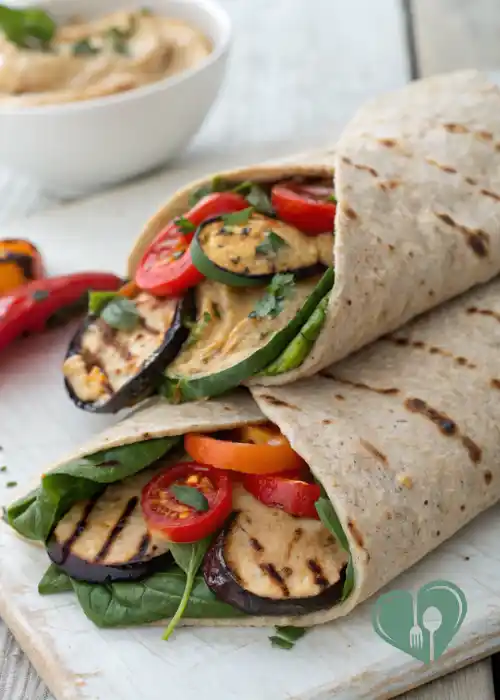
Grilled vegetables change everything. They’re sweeter, more satisfying and don’t need sugary sauces to taste good. Zucchini, peppers, onions, eggplant-whatever you have-paired with hummus in a fiber-conscious wrap makes this feel like an actual meal, not a compromise.
If you want a clear example of how this comes together in real life, this Grilled Veggie Hummus Wrap (Diabetic-Safe Lunch) shows how to balance the vegetables and wrap without relying on sweet sauces.
It’s also one of those options that doesn’t feel “diabetic” at all, which honestly matters more than people admit.
Open-Face Chickpea Salad Sandwich

This is a quiet trick that works really well. One slice of bread instead of two. Same satisfaction, fewer carbs. Mash chickpeas with olive oil, mustard, herbs, maybe some chopped celery or onion, and pile it on generously.
If you want to see this idea broken down step by step, this Open-Face Chickpea Salad Sandwich for Diabetics shows how to keep portions light without losing that full, satisfied feeling.
If bread portions tend to push your blood sugar higher, this approach often feels like a relief-not restrictive, just smarter.
FAQ: Are wraps better than sandwiches for blood sugar?
Sometimes. Sometimes not. Wraps aren’t automatically better just because they’re wraps. What matters is fiber, portion size, and what’s inside. A high-fiber wrap filled with protein and vegetables can work beautifully. A refined wrap with sugary sauces? Not so much. The format matters less than the structure.
Choosing the Right Bread or Wrap
Bread is usually where confidence drops off. Even people who feel good about their fillings will pause at the bread aisle like it’s a trick question. And honestly, that hesitation makes sense. Some breads behave kindly with blood sugar. Others… not so much. The goal here isn’t to find a “perfect” option, but to understand why certain breads and wraps tend to work better, so you can make choices that feel informed instead of stressful.
One thing that helps is letting go of labels and focusing on how the bread actually functions. Fiber content, density, and portion size usually matter more than whether something is trendy, low-carb, or marketed as “healthy.” Bread doesn’t have to disappear from a diabetes-friendly lunch-but it does need to pull its weight.
Whole-grain vs sprouted grain
Whole-grain bread is often the default recommendation, and for good reason-when it’s truly whole grain. Breads made with intact grains and seeds tend to digest more slowly and provide more fiber, which helps smooth out blood sugar responses. The catch is that not all “whole-grain” breads are created equal. Some are still finely milled and act a lot like white bread once eaten.
Sprouted grain bread usually digests more slowly because the grains are partially broken down before baking. Many people find their blood sugar responds better to it though the texture is denser and the flavor more… earthy. It’s not for everyone. But if regular whole-grain bread hasn’t been working well, sprouted grain can be worth experimenting with.
Low-carb tortillas
Low-carb tortillas can be helpful but they’re not automatically better. Some are high in fiber and genuinely slow digestion. Others rely heavily on modified starches that don’t always behave predictably in the body. Reading the fiber content (aiming for 8–15 grams per tortilla) is more useful than focusing on net carbs alone.
They tend to work best when they’re treated as a wrap, not the main event. If most of the meal comes from protein and vegetables, the tortilla usually behaves better.
When to use lettuce wraps
Lettuce wraps can be useful, especially if you know bread portions spike your blood sugar quickly. They’re light, crisp, and remove the carb variable entirely. That said, they’re not always satisfying on their own. Many people find that lettuce wraps work best occasionally not as a full-time replacement-more like a reset option than a rule.
Sometimes a single slice of high-fiber bread is more satisfying than two lettuce wraps and lingering hunger.
FAQ: Is it better to avoid bread altogether if you have diabetes?
Not necessarily. Many people with diabetes tolerate small portions of high-fiber bread just fine, especially when it’s paired with protein, fat and vegetables. Completely avoiding bread can work for some, but for others it leads to frustration or rebound eating. The “best” option is usually the one that supports steady blood sugar and feels sustainable.
How to Increase Fiber Naturally
Fiber tends to get talked about like it’s homework. You know it matters, but the second it turns into numbers or rules, it stops feeling doable. And honestly, most people aren’t failing at fiber because they don’t care – they’re just tired. Tired of tracking, tired of labels, tired of being told lunch needs to be a whole strategy.
Here’s the calmer truth: adding fiber doesn’t have to be deliberate in that way. It’s usually not about chasing a target. It’s about gently tipping meals in a direction that makes your body feel better afterward. Especially with sandwiches and wraps, fiber doesn’t announce itself – it just quietly changes how the rest of the day goes. Less spike. Less crash. Less “why am I starving again?”
Add raw veggies
This sounds obvious, but it’s usually where things fall short. Not because people avoid vegetables – but because they add token vegetables. One lettuce leaf. Two tomato slices. Technically present, functionally irrelevant.
Raw vegetables slow things down when they actually take up space. A real handful of greens. A thick layer of cucumber or pepper. Some shredded carrot or cabbage that you can’t ignore when you bite into it. That bulk matters. You chew more. The sandwich takes longer to eat. Digestion slows naturally. Blood sugar usually follows suit.
No special combinations needed. Just… more than you think you need.
Add beans or chickpeas
Beans are quietly one of the most helpful foods for blood sugar, and they don’t get nearly enough credit. Fiber, protein and staying power all in one place. Hummus is the easiest entry point but mashed chickpeas, white bean spreads or even a small scoop of whole beans in a wrap all count.
If beans haven’t always agreed with you that doesn’t mean they’re off-limits forever. Smaller amounts go a long way. A few tablespoons can change how a meal lands without overwhelming your system. And for a lot of people, tolerance improves once beans stop being an occasional “fiber bomb” and start being a regular, smaller addition.
Add seeds
Seeds feel optional, but they’re doing more than they let on. Chia, ground flax, pumpkin seeds, sunflower seeds – they add fiber and fat in a way that’s subtle but effective. You don’t really notice them until you realize you’re still full later.
The key is not overdoing it. Seeds work best when they’re barely noticeable. Mixed into hummus. Folded into chickpea salad. Sprinkled lightly over fillings. Too much and the meal feels heavy. Just enough and things slow down in a good way.
FAQ: How much fiber should a sandwich have for diabetes?
There’s no perfect number and anyone telling you otherwise is oversimplifying. That said many people feel pretty good aiming for somewhere around 8–12 grams of fiber per sandwich or wrap. That usually happens naturally when you choose higher-fiber bread or wraps and actually add vegetables, beans, or seeds in real amounts. The better question isn’t “Did I hit the number?” – it’s “Do I feel steady afterward?” That answer matters more.
Easy Flavor Boosters
This part matters more than people like to admit. If a sandwich tastes flat, it doesn’t matter how balanced it is – you’re either going to overdo the sauce next time or abandon the whole idea altogether. Flavor is what makes a “diabetes-friendly” lunch feel like normal food instead of a temporary phase you’re tolerating.
The good news is that flavor doesn’t require sugar, fancy ingredients, or a long prep session. Most of the time, it’s about adding something that wakes the sandwich up so it feels satisfying enough to slow down and actually enjoy. And that slowing down? It helps more than people realize.
Herbs
Herbs are one of the easiest upgrades and probably the most underused. Fresh basil, cilantro, parsley, dill – even a small handful changes the entire feel of a sandwich. Suddenly it tastes intentional, not just assembled.
Dried herbs count too, and they’re often more realistic. Italian seasoning, oregano, thyme, za’atar – sprinkle them directly onto vegetables, proteins, or into spreads like hummus or yogurt. When a sandwich feels “healthy but boring,” herbs are usually the fastest fix.
Spices
Spices are where things get interesting. Smoked paprika, cumin, black pepper, chili flakes, curry powder – they add depth without adding sugar or carbs. Even a pinch can make the difference between “fine” and “I’d eat this again.”
Heat helps, too. A little spice often replaces the need for sweet sauces. If your stomach tolerates it, chili paste, red pepper flakes, or a no-sugar hot sauce can pull everything together without messing with blood sugar.
Low-sugar sauces
This is where sandwiches quietly go off the rails. Sauces are easy to overdo, and a lot of them hide sugar even when they don’t taste sweet. The fix isn’t avoiding sauces entirely – it’s choosing them with a little intention.
Mustard, pesto, tahini, hummus, plain Greek yogurt mixed with lemon or herbs, olive oil–based dressings – these add moisture and flavor without turning the sandwich into a sugar delivery system. The goal isn’t to drown anything. Just enough to make the meal feel complete.
FAQ: Do spices and herbs really matter if blood sugar is the goal?
They do – just not in the way supplements promise to. Herbs and spices don’t magically lower blood sugar, but they make meals more satisfying. When food tastes good, people eat more slowly, feel fuller, and are less likely to chase snacks later. That ripple effect matters more than any single ingredient.
Portion Tips for Sandwich-Based Lunches
Portions are tricky, not because people don’t understand them, but because hunger isn’t logical. Some days a normal sandwich feels perfect. Other days, the same sandwich leaves you sluggish or oddly unsatisfied. That’s why rigid portion rules tend to backfire. Sandwich-based lunches work best when portions are flexible-but still intentional.
A useful checkpoint isn’t how much did I eat? but how do I feel after? When portions are in a good place, you don’t feel overly full or wired or sleepy. You just… move on with your day. That’s the sweet spot. And it usually comes from balance, not restraint.
How much protein is enough?
Protein gives a sandwich its backbone. Too little, and hunger comes roaring back. Too much, and the meal can feel heavy without actually being satisfying. For most people, something around a palm-sized portion is a solid middle ground. A few slices of turkey or chicken. A couple of eggs. About half a cup of chickpeas or beans.
If you’ve ever finished a sandwich and felt weirdly unsatisfied, it’s tempting to think I need more protein. Sometimes that’s true. But often the issue is missing fiber or volume. Adding more vegetables or beans can do more for fullness than stacking on extra meat.
Ideal side dishes
Sides are where sandwiches quietly succeed or fail. It’s easy to grab chips or crackers because they feel natural-but they digest fast and don’t add much staying power. They tend to disappear without making the meal feel more complete.
Sides that usually work better are ones that slow things down a bit: High-fiber salads can also work beautifully here, especially when they’re built with real volume and protein instead of just greens.
- Raw vegetables with hummus or a yogurt-based dip
- A small salad with olive oil and vinegar
- A small handful of nuts or seeds
- Fresh fruit paired with protein
These sides don’t compete with the sandwich. They support it. The meal feels finished without tipping into “too much.”
FAQ: Should I eat a whole sandwich or just half?
This really depends on the day the sandwich, and your own blood sugar patterns. Some people feel great eating a full sandwich made with high-fiber bread and balanced fillings. Others feel better starting with half and adding a fiber-rich side. There’s no failure either way. The most useful feedback comes later-if energy feels steady and hunger stays quiet, the portion probably worked.
FAQs
If sandwiches have ever felt confusing or slightly stressful since dealing with diabetes, that makes sense. A lot of this isn’t about food knowledge – it’s about trust. Trusting your choices. Trusting your body. These are the questions that usually come up after the nutrition advice ends.
Can I actually eat sandwiches regularly or is that wishful thinking?
For a lot of people, it’s completely realistic. The problem usually isn’t that sandwiches show up too often – it’s that they’re built in ways that don’t support blood sugar. Soft bread, barely any fiber, sweet sauces… that combination adds up fast.
But when a sandwich has real structure – fiber, protein, vegetables – it behaves differently. If you eat one and your energy stays steady and hunger doesn’t come roaring back, that’s useful information. Frequency matters less than how your body responds over time.
Everyone says sourdough is better. Is it really?
Sometimes. For some people, sourdough digests more slowly and feels easier on blood sugar. For others, it’s no different than any other refined bread. The name alone doesn’t decide anything.
What usually matters more is density and fiber. A hearty, seeded bread often works better than a light, airy sourdough – even if sourdough sounds “healthier.” Your meter (or how you feel afterward) is a better guide than trends.
What if my blood sugar still spikes even when I build the sandwich “right”?
This is more common than people admit. And it doesn’t mean you failed or did something wrong. Blood sugar is influenced by a lot more than one meal – stress, sleep, timing, what you ate earlier, even how fast you ate.
Instead of scrapping sandwiches altogether, try adjusting one thing:
- One slice of bread instead of two
- More vegetables or beans
- Slightly more protein
- A different side
Small changes usually tell you more than starting from zero.
Are wraps safer than sandwiches?
They can be. They can also be worse. A wrap is just bread in a different shape. Some tortillas are high in fiber and work well. Others are basically refined flour rolled flat.
The same rules apply: fiber, portion size, and fillings matter more than the format. A well-built wrap can be great. A poorly built one can spike just as fast as a sandwich.
Should I just give up bread to make things easier?
You can – but you don’t have to. Some people genuinely feel better without bread, and that’s valid. Others find that avoiding it completely leads to frustration, cravings, or overeating later.
If small amounts of high-fiber bread work for you, there’s no moral or medical reason to eliminate it on principle. The goal isn’t perfection. It’s finding an approach you don’t resent.
Diabetes-Friendly Sandwiches and Wraps, Revisited
If you’re honest about it, the hardest part of eating with diabetes isn’t the food itself – it’s the second-guessing. The quiet “Was that okay?” after lunch. The waiting. The mental replay. Sandwiches and wraps tend to carry a lot of that weight, mostly because they used to be easy… and then suddenly they weren’t.
What this all points to isn’t that sandwiches are a problem. It’s that unbalanced sandwiches are. When fiber is missing, when portions creep up, when flavor relies on sugar – blood sugar reacts, and trust erodes a little more. But when things are built with a bit more care – more vegetables, enough protein, bread that actually slows digestion – lunch stops being such a loud event.
And that matters. Not nutritionally, but mentally. When a meal doesn’t demand attention afterward, it gives you space back. You’re not tracking how you feel minute by minute. You’re not negotiating with yourself about snacks. You just… keep going.
That’s really what diabetes-friendly sandwiches and wraps high in fiber are about. Not rules. Not perfection. Just meals you don’t have to brace for. Meals that feel normal again – steady, satisfying, and done once you’re done eating them.
If you want to take this same approach beyond sandwiches and wraps, it helps to zoom out a little. The same principles show up across bowls, salads, and everyday lunches too, which is exactly what’s covered in The Ultimate Guide to High-Fiber Diabetes-Friendly Lunches.
If you walk away with anything, let it be this: you don’t need to eliminate sandwiches to feel in control. You just need a few versions you trust. And once you find those, lunch gets a lot quieter.

Dreena shares balanced, diabetes-friendly recipes made for real life—simple, nourishing, and full of flavor. Her kitchen is where health meets heart.