
It’s funny – for all the advice out there about eating well with diabetes, the everyday choices still end up feeling like small negotiations. You want something that won’t throw your blood sugar off, obviously, but you also want a meal that feels… normal. Enjoyable, even. That’s why this Farro, Arugula & Pistachio Salad for Diabetics stuck with me. It doesn’t try to be clever or overly “healthified.” It just pulls together ingredients that taste good on their own: farro with its gentle chew, arugula that wakes your palate up a little, artichokes that add that mellow tang, and pistachios that give you those tiny, satisfying crunch moments. It’s the kind of salad that feels grounded – not dainty or restrictive.
What makes it work for diabetes is less about what’s taken out and more about what’s naturally built in. The fiber from the farro does its slow-and-steady thing, the healthy fats keep you fuller than you expect and the greens bulk the bowl up without weighing it down. It’s balanced in a way you can actually feel after you eat it. And as we get into the next sections I’ll break down why the ingredients matter and how each piece contributes to that steadiness. But honestly, the real reason this salad earns a spot in rotation is simple: you finish it and think, “Yeah, I’d make that again.”
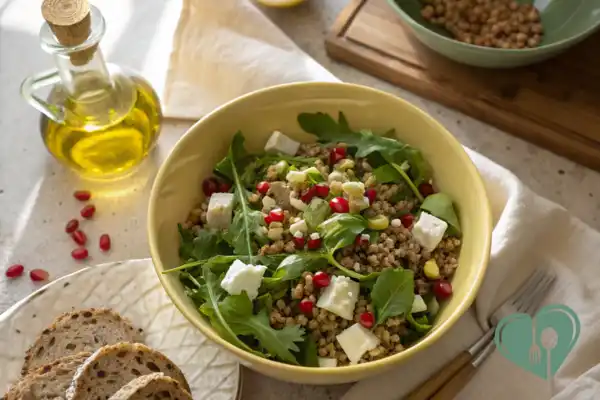
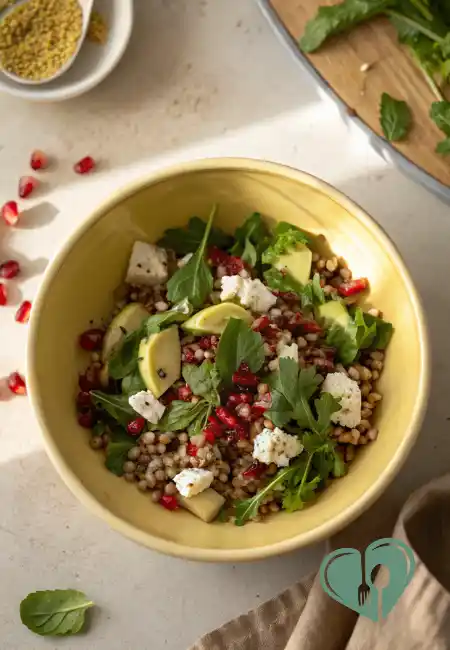

Farro Salad with Arugula, Artichokes & Pistachios
Ingredients
Equipment
Method
- In a medium bowl, whisk together the lemon juice, olive oil, and salt.
- Add the cooked farro to the bowl and toss until the grains are coated.
- Fold in the arugula, mint, and basil.
- Stir in the chopped artichoke hearts.
- Top with pistachios, pomegranate seeds (or dried cranberries), and crumbled goat cheese.
- Let the salad rest for a few minutes before serving to allow the flavors to blend.
Notes
- Cook the farro ahead: This salad is quickest when the farro is already cooked and cooled. It keeps well in the fridge for up to 4 days.
- Use warm farro for extra flavor: Slightly warm grains soak up the lemon and olive oil better, giving the salad more depth.
- Add pistachios last: This keeps them crunchy and prevents them from softening in the dressing.
- Swap pomegranate with dried cranberries: Both work, but pomegranate adds a brighter, fresher bite with less sweetness.
- Artichokes matter: Rinsing canned artichokes removes extra salt and gives a cleaner flavor.
- Make it ahead: Assemble everything except the nuts and cheese. Add those right before serving.
- Serving idea: This salad pairs well with grilled chicken, salmon, or chickpeas if you want more protein.
Why This Salad Is Great for Fiber
When you’re trying to support stable blood sugar, fiber stops feeling like a nutrition buzzword and starts feeling like an actual lifeline. It slows digestion, tempers the rise in glucose, and – let’s be honest – makes a meal feel more filling in a way most leafy salads just… don’t. That’s where this farro, arugula, and pistachio combination does something a little different. Instead of asking one ingredient to carry the whole “fiber load,” each component brings its own type of texture and staying power, creating a salad that behaves more like a full meal than a side dish. And although there’s always some debate about what counts as “enough” fiber, this is one of those bowls where you can feel the difference after you eat it: steadier energy, less of that mid-afternoon dip, and a sense of having eaten something substantial. (If you love fiber-rich salads like this one, you might also enjoy High-Fiber Salads for Diabetics: Colorful, Filling and Blood-Sugar Smart for more tasty, blood-sugar-friendly ideas).
Another thing worth noting – and this is something you feel more than you analyze – is how the mix of grains, greens, and nuts creates multiple “layers” of fullness. Instead of relying solely on carbs or solely on greens, the combination gives your body a slower, more even release. That’s a big deal if you’ve ever had a salad that seemed virtuous on paper but left you hungry forty minutes later. Here, the fiber isn’t hidden or theoretical. It’s in the chew of the farro, the bite of the arugula, the structure in the pistachios, and even the briny firmness of the artichokes. It’s fiber you can actually taste and feel.
To explore more high-fiber, diabetes-friendly lunch ideas that combine grains, greens, and satisfying proteins, check out The Ultimate Guide to High-Fiber Diabetes-Friendly Lunches.
Farro as a Whole Grain
Farro earns its place here mostly because it doesn’t act like a “light” grain. It’s sturdy, a bit earthy, and naturally rich in soluble and insoluble fiber – the very combination that slows digestion and steadies glucose. If you’ve ever been told to avoid grains altogether, farro is one of those exceptions that makes you rethink the whole idea. Its fiber content helps counterbalance its carbs, and its slow-digesting structure means your body doesn’t rush through it. There’s something almost reassuring about the way it holds its shape after cooking, too; it feels intentional, like you’re eating something that’s meant to nourish rather than just fill space on the plate.
A lot of people don’t realize that farro’s fiber also helps blunt the impact of the rest of the meal. Paired with healthy fats and greens it becomes part of a larger balancing act. And because farro is satisfying in a distinctly “chewy” way, it naturally encourages mindful eating – not in the forced sense, but in the way you naturally slow down because each bite has texture. If you’ve ever rushed through a soft, mushy salad, you’ll notice the difference immediately.
Crunchy Add-Ins
The fiber story doesn’t stop with the grain. Pistachios, artichokes and even the sturdier parts of the arugula contribute their own kind of digestive support. Pistachios bring not only crunch but a mix of fiber and healthy fats that help keep blood sugar steadier after meals. Artichokes – quietly one of the highest-fiber vegetables – add a tender bite that still resists the fork just enough to make the salad feel balanced. And the arugula, while light, adds bulk and plant fiber that rounds out the bowl.
These textures matter more than people usually admit. Crunch has a way of signaling satisfaction to your brain, and when you pair that with real fiber, you get a salad that behaves like something far more substantial. It’s not just about nutrient breakdown; it’s about the emotional experience of eating something that feels complete and doesn’t leave you wandering back to the kitchen shortly after.
FAQ – Is this salad high enough in fiber for diabetics?
Yes. Thanks to the combination of whole-grain farro, nuts, greens, and artichokes, this salad delivers a balanced, naturally high-fiber profile that supports steadier blood sugar. The mix of soluble and insoluble fiber helps slow digestion and provides longer-lasting energy – exactly what most diabetic-friendly meals aim for.
Ingredients
What makes this salad work – especially for anyone watching their blood sugar – is how simple the ingredients are. Nothing feels “diet-y” or forced. Each piece adds its own texture or brightness, and together they create a bowl that feels surprisingly satisfying for how little prep it requires. It’s one of those ingredient lists where you look at it and think, Oh, that actually sounds doable.
Here’s everything you need:
- 1 tablespoon lemon juice
- 1 tablespoon extra-virgin olive oil
- ¾ cup cooked farro
- 1 ½ cups packed baby arugula
- ¼ cup packed small fresh mint leaves
- 2 tablespoons thinly sliced fresh basil
- 1 (14 oz) canned whole artichoke heart (or 4 quarters), rinsed and chopped
- ⅛ teaspoon salt
- 2 tablespoons chopped salted dry-roasted pistachios
- 1 ½ tablespoons pomegranate seeds (arils) or dried cranberries
- ¾ ounce soft goat cheese, crumbled (about 2 tablespoons)
Even without cooking anything new (assuming the farro is prepped), the mix of chewy grain, peppery greens, herbs and that little pop from the pomegranate makes the salad feel more layered than most quick bowls.
Farro Variations
Farro comes in a few forms, and the choice mostly comes down to how much chew you prefer and how much time you have:
- Whole farro: highest fiber, firmest texture, longest cook time.
- Semi-pearled: a nice middle ground – still hearty but not as firm.
- Pearled: softest and quickest to cook, but slightly less fiber.
Any of them will work here so you don’t need to hunt for a specific version. Just use what you already have or what’s easiest to find.
Veggie List
The vegetables and herbs do a lot of heavy lifting in this recipe. Arugula adds that peppery snap, mint and basil brighten everything without taking over, and the chopped artichoke hearts give a savory, almost creamy contrast. The optional pomegranate seeds (or dried cranberries) offer tiny bursts of sweetness – small but surprisingly effective.
Together, these ingredients keep the salad from feeling one-note, which is often the problem with grain bowls that lean too heavily on carbs or too lightly on greens.
FAQ – Can I swap the greens or herbs?
Yes If you don’t have arugula, baby spinach or mixed greens work fine. Just keep at least one fresh herb in the mix to keep the salad from tasting flat.
How to Make It
what I like about this salad is how little effort it asks from you once the farro is cooked. Everything else is just a quick toss of greens, herbs, and a few ingredients that already have plenty of flavor. The lemon–olive oil dressing is intentionally simple because the rest of the salad has enough personality on its own. It’s the kind of meal you can pull together on a busy day without feeling like you’re “cooking” yet it still tastes fresh and intentional.
The goal isn’t perfection – it’s just getting the textures to land in the right places. Warm farro, cool greens, soft artichokes, crunchy pistachios… it ends up balancing itself without much guidance.
Cooking Farro
If your farro isn’t cooked yet, the easiest method is:
- Rinse the grains briefly.
- Boil in salted water the same way you’d cook pasta.
- Simmer until tender with a bit of chew.
- Drain and let it cool slightly – warm farro absorbs flavor better but shouldn’t be hot enough to wilt the greens.
You don’t need perfect timing here; farro is forgiving, which is part of why it works so well in quick salads.
Salad Assembly
- Combine 1 tablespoon lemon juice, 1 tablespoon olive oil and ⅛ teaspoon salt in a bowl.
- Add ¾ cup cooked farro and toss so the grains pick up the dressing while they’re still warm.
- Fold in 1 ½ cups arugula, ¼ cup mint and 2 tablespoons basil.
- Add the chopped 14-oz artichoke heart and gently mix.
- Finish with 2 tablespoons pistachios, 1 ½ tablespoons pomegranate seeds (or dried cranberries) and 2 tablespoons crumbled goat cheese.
Let it sit for a minute or two before eating – the herbs relax, the dressing settles in, and the whole salad comes together in a really satisfying way.
Swap Ideas
Part of what makes this salad easy to come back to is how forgiving it is. You don’t have to stick to the exact lineup every time – honestly most people don’t. Some days you want a little more crunch or you realize you’re out of lemon juice or you just feel like changing the vibe a bit. The base of farro, greens, herbs, and artichokes stays steady no matter what you tweak. The swaps below are the kind that don’t require overthinking – they just help you adjust the salad to whatever you’re in the mood for or whatever’s already in your pantry.
Nut Options
If pistachios aren’t your thing, or you simply don’t have any around, the good news is that almost any nut works here. Each one adds its own personality:
- Almonds bring a cleaner, lighter crunch.
- Walnuts give that slightly earthy depth that pairs nicely with goat cheese.
- Pecans add a soft sweetness, especially if you’re leaning into pomegranate or dried cranberries.
- Pumpkin seeds are perfect if you want something nut-free but still crunchy.
You can’t really mess this up – just choose the texture you want. Something crisp for contrast, or something softer if you want the salad to feel a little richer.
For another easy, protein-rich, high-fiber lunch idea, try Avocado Tomato Sandwich (Chicken or Chickpea Version).
Dressing Choices
The simple lemon–olive oil dressing used in the recipe keeps the salad bright but you can shift it easily depending on what you feel like. Some days you might want something sharper other days, something a touch softer or more herbal.
Here are a few easy directions you can go:
- Swap the lemon for lime or a splash of orange juice.
- Use red wine vinegar or champagne vinegar if you want more tang.
- Add a little Dijon to the lemon–oil base for subtle creaminess.
- Stir in chopped herbs if you want the dressing to echo the mint and basil already in the salad.
As long as the dressing stays light and acidic, it will keep the farro lifted and the greens from feeling weighed down.
Nutrition
What stands out about this salad nutritionally is how balanced it feels without you having to put much thought into it. The farro gives you slow, steady carbs – the kind that don’t hit all at once – and because it’s a whole grain, the fiber helps smooth everything out digestion-wise. The arugula, herbs, and artichoke add even more fiber, but in that quiet way where you barely notice you’re eating something that’s genuinely good for you.
The healthy fats round things out. A tablespoon of olive oil, a small handful of pistachios, and a bit of goat cheese create a sort of “anchor” for the meal. They help you feel satisfied longer and make the salad taste fuller, not flat. And the pomegranate seeds or dried cranberries? They don’t shift the nutrition much – they just brighten the bite a little.
So instead of feeling like a light salad that leaves you picking through the fridge later, this one lands more like a complete meal. It’s enough fiber, enough fat, enough whole grain – just simple pieces working together the way they should.
Conclusion: Farro, Arugula & Pistachio Salad for Diabetics
What I like most about this salad is how it manages to feel both comforting and light at the same time. You get the solid, steady base from the farro, but then the arugula, herbs, and pistachios pull everything in a brighter direction. It’s the kind of meal you finish and think, yeah… that actually hit the spot. And if you’re trying to eat in a way that keeps your blood sugar steady, it’s nice to have something you don’t have to overthink. For another hearty, make-ahead lunch option, check out Chickpea Quinoa Salad Jar (Meal Prep for Diabetics).
Just a simple bowl of good ingredients that work well together – nothing complicated, nothing fussy, just a salad you’ll want to make again.

Dreena shares balanced, diabetes-friendly recipes made for real life—simple, nourishing, and full of flavor. Her kitchen is where health meets heart.