

Your Morning Blood Sugar Starts at the Store
If you’ve got diabetes, breakfast doesn’t begin in the kitchen it starts in the grocery aisle. That first bite of the day can send your blood sugar soaring or help keep it steady. And let’s be honest: knowing what to buy (and what to swap) can be the difference between a calm morning and a glucose rollercoaster.
This guide walks you through a practical diabetic breakfast grocery list, paired with smart ingredient swaps so you can build better mornings, one cart at a time.
The Reality of Breakfast with Diabetes
Let’s be real breakfast feels like a minefield when you’re managing diabetes. Most “easy” options are carb-loaded traps in disguise: cereal, toast, fruit smoothies. Even “healthy” picks like oatmeal or granola bars can spike your blood sugar before you’ve finished your coffee.
But here’s the quiet truth nobody says out loud: it’s not about perfection it’s about patterns. What you pick up at the store shapes how your mornings (and blood sugar) play out for the rest of the day. A few thoughtful swaps? They go a long way.
Why Mornings Matter
Your body is naturally more insulin-resistant in the morning especially if you deal with dawn phenomenon. That means even modest carbs can hit harder than expected. A stable, protein-rich breakfast isn’t just nice to have; it’s essential.
Emotional Reality Check
Ever looked at your cart and thought, “What’s left to eat?” That’s normal. Changing the way you shop feels overwhelming especially when everything from bagels to bananas seems off-limits. But clarity beats confusion. That’s why this guide doesn’t just list foods; it helps you rethink breakfast on your terms.
What’s a good target for carbs at breakfast?
Aim for 15–30g net carbs, paired with protein and fat. Net carbs = total carbs – fiber – sugar alcohols. The goal is stable energy, not sugar spikes.
Your Go-To Diabetic Breakfast Grocery List
Let’s zoom out for a second: breakfast isn’t just food. For someone managing diabetes, it’s a battleground between old habits and new priorities. And where that battle’s won? The grocery store.
This list isn’t about restriction. It’s about control the kind that doesn’t feel like punishment. Every item here earns its spot by doing something useful: stabilizing blood sugar, curbing cravings, or simply making breakfast doable when your brain’s still foggy.
Functional Proteins (Anchor Your Glucose)
- Eggs – They’re not just cheap and filling. They’re predictable. Boiled, fried, scrambled you know how your body handles them.
- Greek Yogurt (Unsweetened, Full-Fat) – Not all dairy is friendly. This one is. Pair with berries, cinnamon, or a touch of vanilla.
- Protein Powder (Whey Isolate or Plant-Based) – Fast, versatile, and travel-friendly. But watch for sneaky sweeteners many “health” brands aren’t.
- Turkey Bacon / Chicken Sausage (Nitrate-Free) – Keeps the savory cravings satisfied. Look for clean labels; some are practically candy in disguise.
- Tofu / Tempeh – For the plant-curious or lactose-sensitive. Pan-fry it with veggies for an easy win.
- Cottage Cheese – You either love it or you don’t. If you do? It’s a high-protein, low-carb lifesaver.

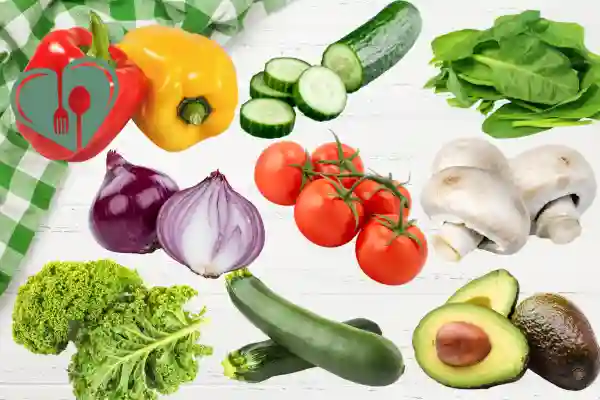
Vegetables That Actually Belong at Breakfast
- Leafy Greens (Spinach, Kale) – You’re not eating enough. Nobody is. Toss a handful in your eggs and move on.
- Peppers, Zucchini, Mushrooms – Chop once, use all week. They sauté in five minutes and taste like effort.
- Onions, Tomatoes, Cucumbers – Use sparingly. Raw or roasted, they give meals contrast.
- Avocados – Expensive? Yes. Worth it? Also yes. Fat + fiber + zero sugar = glucose gold.
Low-GI Fruits You Don’t Have to Fear
- Raspberries / Blackberries / Strawberries – Think of them as flavor accessories, not main events.
- Granny Smith Apples – A quarter of an apple with almond butter beats any cereal bar.
Real Talk: Bananas and grapes aren’t evil they’re just hard to dose. Small amounts, post-meal, maybe. But not solo at 8 a.m.
Pantry Staples That Do the Heavy Lifting
- Chia & Flaxseed Meal – Not sexy. But when you see your post-breakfast numbers? You’ll become a believer.
- Almond / Coconut Flour – Not for everyone, but if you miss baked stuff, they’re your way back in.
- Nut Butters (Unsweetened) – The label should say: “Ingredients: almonds.” That’s it. No “evaporated cane syrup.” No “palm kernel blend.”
- Unsweetened Almond / Coconut Milk – Check carbs. Some brands sneak in 10g+ per cup.
Sweeteners That Don’t Set You Up
- Stevia (Pure) – Watch for blends with dextrose. Those ruin the point.
- Monk Fruit – Clean versions only. If it tastes like candy, double-check the label.
- Erythritol / Allulose – Not everyone tolerates them, but they’re glucose-neutral for most.
What’s the best way to build your first “diabetic cart”?
Start with foods you already like, then clean them up.
Love breakfast sandwiches? Use low-carb bread or wrap it in eggs. Crave sweetness? Try yogurt + berries + cinnamon before jumping to sugar-free bars. Familiarity helps change stick.
Smart Ingredient Swaps for a Safer Morning Plate
Here’s something nobody tells you: managing diabetes isn’t about avoiding foods it’s about outsmarting them. The goal isn’t to eat like a monk; it’s to make better versions of what you already love, so your glucose stays stable and you don’t feel like a stranger in your own kitchen.
Below are some of the most common breakfast traps and smarter swaps that still taste like breakfast, not punishment.
White Bread → ✓ Almond or Coconut Flour Pancakes
Your blood sugar doesn’t care if the bread is “artisan.” It hits fast, spikes hard. Swap it for homemade pancakes using almond or coconut flour. Add eggs, a dash of vanilla, maybe cinnamon suddenly it feels like brunch, not a sacrifice.
✖ Instant Oatmeal → ✓ Chia Pudding or Flax Bowls
Oatmeal isn’t evil, but instant packets are sugar bombs in disguise. Try a chia pudding made the night before: 3 tbsp chia + almond milk + stevia + cinnamon. Set it, forget it, wake up to something that doesn’t blow up your A1C.
✖ Sweetened Yogurt → ✓ Plain Greek Yogurt + Berries
You don’t need 19g of sugar at 7 a.m. Start with plain Greek yogurt. Add 4–5 raspberries, a few drops of monk fruit, maybe crushed walnuts. Tastes like dessert, behaves like breakfast.
Try a chia yogurt bowl like this one it’s creamy, low-sugar, and preps in 2 minutes
✖ Maple Syrup → ✓ Monk Fruit Syrup
Listen, I get it pancakes need something. Monk fruit syrup gives you the sweet hit without the insulin regret. Brands like Lakanto do a decent job, but test your tolerance even “safe” sweeteners aren’t one-size-fits-all.
✖ Banana → ✓ ¼ Cup of Berries
Bananas aren’t the enemy, but they’re carb-heavy and quick to spike. A small serving of berries gives you flavor, fiber, and a much gentler glucose response. Think topping, not centerpiece.
✖ Skim Milk → ✓ Unsweetened Almond or Cashew Milk
Skim milk is a glucose illusion the fat’s gone, but the sugar stays. Almond milk (unsweetened) has <1g net carbs per cup. It’s bland on purpose, which makes it a great canvas for coffee, smoothies, or flax bowls.

Can I ever eat “normal” breakfast foods again?
Yes but with tweaks.
This isn’t about living on substitutes forever. It’s about mastering control first, then slowly reintroducing old favorites in smarter ways. Think: half a banana after eggs, or 1 slice of real toast with avocado + protein. Sequence matters. Context matters more.
Label-Reading Tips to Avoid Hidden Sugar Spikes
Here’s the uncomfortable truth: food companies know how to fool you. Just because something says “low sugar” or “keto-friendly” doesn’t mean it’s safe for your blood sugar. Labels lie or at least, they mislead.
If you only scan the front of the package, you’re already at a disadvantage. Flip it over. Always.
What to Actually Look For
- Net Carbs = Total Carbs – Fiber – Sugar Alcohols
(But only count erythritol and allulose others may still spike you.) - Ingredient List:
If sugar, honey, maltodextrin, or “syrup” is in the top 3? Hard pass. - Fiber Matters:
Look for 3g or more per serving. More fiber = slower sugar absorption. - Serving Size Games:
Granola, cereal, even nut butters will shrink the “serving” just to look low-carb. Adjust mentally. - Fake Health Words:
“Natural,” “light,” “diabetic-friendly” these are marketing fluff, not medical promises.
How do I decode sugar alcohols?
Focus on erythritol or allulose. Others like sorbitol or maltitol can spike glucose and wreck digestion. If your “sugar-free” bar leaves you bloated and high, it’s not a win.
Keto ≠ Diabetic-Safe: What to Watch For
“Keto-friendly” doesn’t always mean blood sugar-safe. In fact, many of these products are built more for weight loss marketing than metabolic control.
If you’ve ever eaten a keto bar and watched your glucose spike 30 minutes later, you already know: labels don’t equal safety.
Red Flags in “Keto” Products
- Hidden sugar alcohols – Maltitol and sorbitol are the usual suspects. They spike and bloat.
- Low fiber – A true low-carb food should slow absorption. No fiber? Big red flag.
- Overloaded fats – Some keto foods use excessive saturated fat with no balance this might not spike you, but it can raise long-term risk.
- Overprocessed – If the ingredient list reads like a chemistry lab, walk away.
So what’s safe from the keto shelf?
Stick to whole-food based options.
Almond flour crackers, cheese-based crisps, or clean protein shakes can work but always test your response. Even “zero carb” claims don’t guarantee a flat glucose line.
Quick FAQ: Diabetic Breakfasts at a Glance
Can I still eat oats?
Yes, in moderation. But instant packets? Avoid them. Try steel-cut or rolled oats (¼ cup dry), add chia or flax, a spoon of almond butter, and check your response. Everyone reacts differently.
What’s the best fruit for breakfast?
Low-glycemic berries like raspberries or blueberries. Keep it to ¼–½ cup. Always pair with protein (eggs, yogurt) or fat (nuts, chia) to minimize sugar spikes.
How many carbs should I aim for?
Most do well between 15–30g net carbs. But don’t count alone combine wisely. A slice of toast with eggs is safer than toast alone.
Should I skip breakfast altogether?
It depends. Some manage better with intermittent fasting; others crash by 10 a.m. The only way to know? Track your glucose. Trends beat theories.
Are “diabetic” or “low sugar” cereals okay?
Most aren’t. Even if they say “diabetic-friendly,” many are still high-GI or low in fiber. Check: if it has more than 10g net carbs and under 3g fiber per serving, it’s likely not worth it.
I crave sweets in the morning. What helps?
Try this: plain Greek yogurt, monk fruit drops, cinnamon, and a handful of berries. Tastes indulgent, but doesn’t spike. If you’re still struggling, it’s probably habit not hunger.
Build a Cart, Build a Habit
It starts small: one better breakfast, one smart swap, one skipped sugar trap. Over time, those tiny decisions become patterns and patterns change everything.
Your grocery list isn’t just a checklist. It’s a map. One that helps you wake up, eat well, and face the day without your glucose fighting you.
So next time you’re in the store, pause. Choose with intention. You’re not just building a cart you’re building better mornings.

Dreena shares balanced, diabetes-friendly recipes made for real life—simple, nourishing, and full of flavor. Her kitchen is where health meets heart.
Leave a Reply