
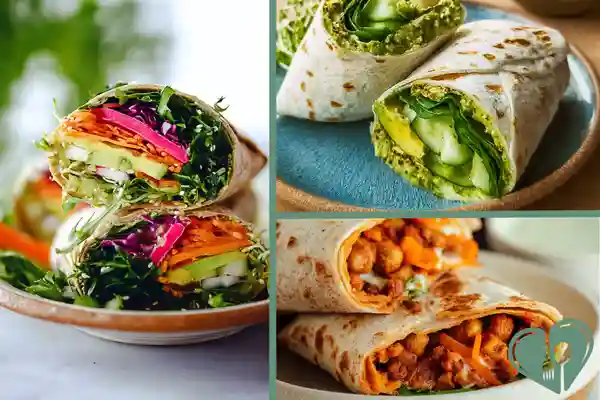
Vegetarian diabetic wrap recipes sound easy enough, until you actually start making them. Then it gets annoying fast. One wrap is mostly tortilla. Another looks healthy but has barely any protein. Another is full of beans, which is fine, but now you are standing in the kitchen wondering if lunch just turned into a carb bomb. It is a lot for something that is supposed to be simple.
That is really the problem, I think. A lot of meatless lunches look good, but they do not always hold up well for diabetes. They are either too light, too starchy, or just not filling enough to make it through the afternoon without snack hunting. And honestly, that is where wraps get a bad reputation. Not because wraps are the issue. Mostly because they are built badly.
The good news is, plant based wraps can work really well when the balance is there. You want some protein. Some fiber. Crunch helps too. A wrap should feel like actual lunch, not a sad pile of vegetables rolled in bread and called healthy. Tofu helps. Chickpeas help. Hummus helps more than people give it credit for. Even a simple veggie wrap can feel a lot steadier when the parts make sense together.
So this guide is here to make that part easier. You will find vegetarian wrap ideas that are practical, filling, and a lot more balanced than the usual random lunch mashups online. We will also get into what to watch with carbs, how to make plant based wraps more satisfying, and a few lower carb swaps for days when you want to keep things lighter. Nothing extreme. Just smarter wraps that feel normal enough to make again.
| Wrap Idea | Best Protein | Best For |
| Veggie Hummus Wrap | Hummus + Tofu | Quick lunch |
| Buffalo Chickpea Wrap | Chickpeas | High-fiber lunch |
| Crispy Tofu Wrap | Tofu | Higher-protein wrap |
| Rainbow Veggie Wrap | Hummus or beans | Crunchy fresh lunch |
| Cucumber Avocado Wrap | Hummus or edamame | Light meal |
Can Vegetarians with Diabetes Get Enough Protein in Wraps?
Yes, absolutely. They just usually have to be a little more deliberate about it.
That is the part people skip. A lot of vegetarian diabetic wrap recipes focus so hard on vegetables that protein barely shows up. Then lunch looks nice, sure, but it does not keep you full. You finish eating, feel virtuous for about twenty minutes, then start thinking about chips or something sweet. Been there. A wrap with lettuce, tomato, cucumber, and a smear of sauce is not really a meal unless something more solid is holding it together.
For plant-based wraps for diabetics, protein matters because it helps the meal feel steadier and more satisfying. Not magic. Just balance. It gives the wrap some staying power, especially when the tortilla already brings carbs to the table. So if you are building meatless diabetic lunch ideas, the goal is pretty simple. Do not let the wrap be all wrap.
Beans
Beans are one of the easiest places to start. Black beans, white beans, pinto beans, even lentils if you do not mind a less classic wrap filling. They bring protein, fiber, and texture, which is kind of the dream combo here. The only catch is portion size. Beans are great, but they still add carbs, so they work best when paired with a moderate tortilla and a lot of crunchy vegetables.
A good bean wrap usually needs something fresh with it. Slaw, chopped peppers, shredded lettuce, maybe a little lime. Otherwise it can turn soft and heavy fast.
Tofu
Tofu is probably the most useful plant protein for wraps, honestly. It is low in carbs, flexible, and easy to season a hundred different ways. Crispy tofu works especially well because it gives the wrap some bite. That matters more than people think. Texture is half the reason a wrap feels satisfying.
If tofu has disappointed you before, fair. Usually it is because it was under-seasoned or too wet. Press it, season it properly, and let it get golden. Whole different story.
Chickpeas
Chickpeas sit somewhere between beans and tofu in terms of wrap energy. They are hearty, filling, and easy to roast or mash. Roasted chickpeas are great in buffalo-style wraps. Mashed chickpeas work when you want something more like a sandwich filling. Again though, they are not free foods. They count. So the trick is not piling chickpeas into a huge tortilla and pretending it is balanced because it is plant-based.
Hummus
Hummus helps more than people think. It is not usually enough as the only protein source, but it does a lot of quiet work. It adds creaminess, some protein, some fiber, and makes a pile of raw vegetables actually feel like lunch. Pair hummus with tofu or chickpeas and the wrap gets a lot more complete.
What is the best protein combo for a vegetarian diabetic wrap?
Usually, one main protein plus one supporting protein works best. Think tofu and hummus. Or chickpeas and hummus. Or black beans with a small scoop of mashed avocado. That gives vegetarian diabetic wrap recipes more balance, more staying power, and way less of that hungry-an-hour-later feeling.
Carbohydrates in Plant-Based Wraps: What to Watch
This is where vegetarian diabetic wrap recipes can go sideways pretty fast. Not because carbs are bad. That whole conversation gets annoying. It is more that wraps can hide a lot of carbs in a very small, normal-looking lunch. You grab a tortilla, add hummus, maybe chickpeas, maybe roasted sweet potato because it sounds healthy, then finish with a bottled dressing. None of that seems outrageous on its own. Put it together, though, and suddenly lunch is doing a lot.
The tortilla is usually the first thing to pay attention to. Some wraps are small and reasonable. Others are basically blanket-sized and bring a lot more carbs than people expect. Then the fillings add up behind the scenes. Beans and chickpeas are great, yes, but they still count. Hummus too. That does not mean you should avoid them. It just means plant-based wraps for diabetics work better when the carb-heavy parts are balanced instead of piled on top of each other like they do not matter.
The biggest carb trap is not always the tortilla
Honestly, sauce is where people get tricked. A wrap can look full of vegetables and still be thrown off by a sweet dressing, sticky buffalo glaze, or one of those bottled sauces pretending to be healthy. Same with crunchy add-ons. Dried fruit, crispy noodles, sweet pickled vegetables, even too much roasted veg can shift the whole thing. Not ruin it, exactly. Just push it further than you meant to go.
That is why the better question is not, how many carbs are in this wrap. It is, where are the carbs coming from? Once you think that way, vegetarian diabetic wrap recipes get easier to build. You stop blaming the whole meal and start adjusting the parts.
5 Vegetarian Diabetic Wrap Recipes
Alright, here is the part that actually matters.
Not the protein lecture. Not the carb lecture either. The wraps. Because you can understand the theory and still stare into the fridge like, okay, great, now what am I supposed to eat. That is usually where healthy lunch ideas fall apart. They sound responsible. They look fine. Then you make them once and never again.
So these vegetarian diabetic wrap recipes are built for real life. Normal lunch life. The kind where you want something fast, filling, and not depressing. Some are lighter. Some have more bite. A couple feel more like proper comfort food, just without turning lunch into a mess.
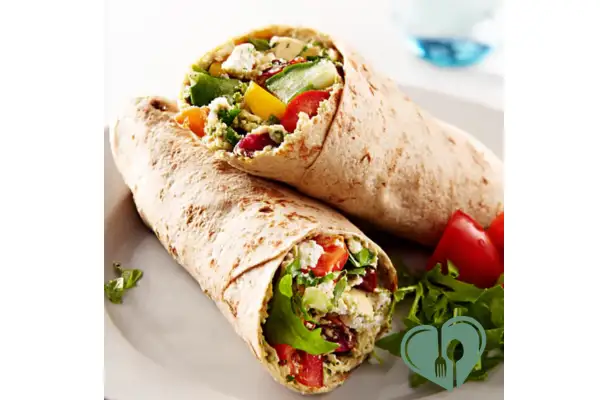
Veggie Wrap with Cilantro Hummus
This is probably the easiest one to keep on repeat. Spread cilantro hummus over a smaller wrap, then pile in cucumber, lettuce, carrots, bell pepper, maybe some shredded cabbage if you want more crunch. It tastes fresh right away, which helps. A lot of veggie wraps look good and then eat like packing material. This one does not, mostly because the hummus gives it some actual personality.
That said, I would still add tofu or a spoonful of chickpeas if I wanted it to keep me full longer. On its own, it can lean a little too light.
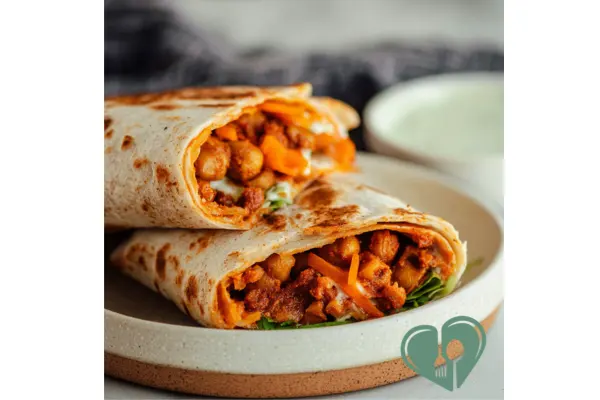
Roasted Buffalo Chickpea Wraps
This one has more attitude. Which sounds dramatic for lunch, but you know what I mean. Roast the chickpeas until they get a little crisp, toss them in buffalo sauce, then wrap them up with romaine, cucumber, shredded carrot, and something cool to calm the heat down. Avocado works. A plain creamy spread works too.
The only thing to watch here is the sauce. Buffalo wraps go wrong fast when the sauce takes over everything. You want some heat, not a soggy red disaster.
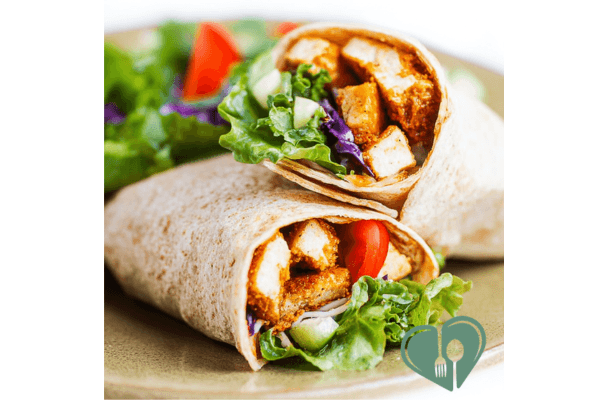
Crispy Tofu Wrap
Honestly, this might be the best one of the bunch. Or maybe just the most dependable. Crispy tofu gives the wrap structure, which matters more than people think. Soft fillings all piled together can get boring halfway through. Tofu with some edge on it fixes that.
Add red cabbage, cucumber, greens, and a light tahini sauce or peanut sauce that is more savory than sweet. Done. Of all the plant based wraps for diabetics, this one is usually the easiest to balance because tofu brings protein without dragging in a lot of extra carbs.
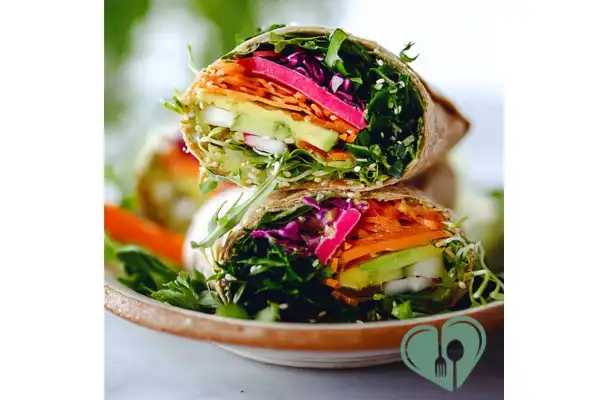
Rainbow Veggie Wraps
Yes, the name is a little annoying. Still a good wrap.
The point here is not to be cute. It is just to use enough different vegetables that lunch does not taste flat. Cabbage, carrots, peppers, cucumber, greens, maybe sprouts if you are into that. Then something creamy to tie it together, like hummus or mashed white beans. When people say healthy wraps are boring, this is usually the kind of wrap proving them wrong.
Or trying to, anyway.
Cucumber and Avocado Wrap
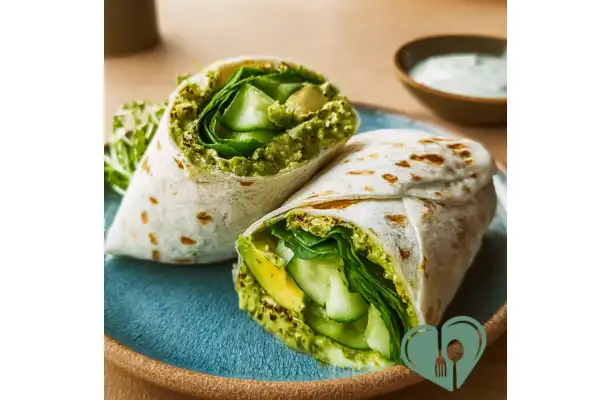
This one is cooler, softer, a little simpler. Good for days when you want lunch to feel light. Cucumber and avocado work really well together, but let me say the obvious thing, they are not enough by themselves. Not if you want this to count as a real meal. Add hummus, edamame, or baked tofu and now it holds up a lot better.
This is one of those meatless diabetic lunch ideas that sounds almost too plain, then ends up being the one you keep making because it is easy and weirdly satisfying.
Lower-Carb Plant-Based Swaps for Better Wraps
This is the part that saves a lot of vegetarian diabetic wrap recipes from turning into tortilla overload.
Because sometimes the filling is fine. The problem is the base. Or the extras. Or the fact that a so called healthy wrap somehow ends up heavier than the dinner you were trying to avoid. It happens. A lot. And to be fair, not everyone wants low carb all the time. That is not really the point. The point is having a few swaps ready so your wrap still feels good, just a little more balanced and less bread forward.
The easiest switch is the wrap itself. A smaller whole grain tortilla usually works better than those giant café wraps that feel like a blanket. Low carb tortillas can work too, as long as you actually like the taste. Some are great. Some taste like edible paperwork. You kind of have to find your person there. Lettuce wraps are the obvious option, but honestly, they can be annoying. They tear, they drip, they never feel quite like lunch. Collard greens work better if you want something sturdier. Cabbage leaves can work too, though they are less forgiving and a little high maintenance.
Then there is the filling situation. A lot of plant-based wraps for diabetics get carb heavy because people stack too many soft, starchy ingredients in one place. Hummus plus chickpeas plus corn plus sweet potato plus a big wrap. That is where things get crowded. Better to pick one main carb source and let the rest of the wrap do other jobs. Tofu can carry protein without adding much carb weight. Crunchy vegetables help bulk things up without making the wrap feel dense. Even avocado helps, because it makes the whole thing more satisfying, which means you are less likely to end lunch still feeling half fed.
A few easy lower carb swaps that actually make sense:
- Use a smaller tortilla instead of a burrito size wrap
- Swap part of the chickpeas for tofu or edamame
- Use hummus as a thin layer, not half the tub
- Add cabbage, cucumber, lettuce, or peppers for volume
- Try collard greens when you want less wrap and more filling
Fiber’s Role in Blood Sugar Control
Fiber does a lot of quiet work in vegetarian diabetic wrap recipes. That is probably the easiest way to put it. It is not the flashy part of lunch. Nobody gets excited about shredded cabbage the way they do about a creamy sauce or crispy tofu. Still, fiber is usually the reason one wrap feels steady and filling while another feels like it disappeared ten minutes after you ate it.
That matters with plant based lunches. A lot. The CDC says fiber can help with blood sugar control, and it points out something really useful that people tend to forget, fiber is part of plant foods that is not broken down the same way sugars and starches are. In plain terms, that means fiber helps slow things down a bit, which is exactly what many vegetarian diabetic wrap recipes need. Especially the ones built around tortillas, beans, or spreads that already bring carbs into the meal.
The tricky part is that plant based wraps can look healthy without actually bringing much fiber. A white tortilla with cucumber and avocado might seem like a good lunch, and sometimes it is fine, but it is not automatically doing much for blood sugar balance. This is where the wrap starts needing more structure. Beans help. Chickpeas help. Whole grain tortillas can help. So can crunchy vegetables like cabbage, peppers, greens, and carrots. NIDDK also leans in this direction by recommending nonstarchy vegetables, high fiber carb foods like beans and whole grains, and protein foods such as tofu or other soy products as part of a balanced plate. That logic carries over to wraps really well.
Honestly, the easiest way to think about fiber is this. It gives your wrap more backbone. More staying power. It helps lunch feel less flimsy. And when lunch feels complete, you are usually less likely to start wandering toward snacks later because the meal actually did its job.
Weekly Vegetarian Meal Prep Strategy
Meal prep sounds smart until the wraps turn weird.
That is usually the moment people give up on it. The lettuce goes limp. The wrap gets damp. The avocado starts looking tired. Then lunch feels like punishment which kind of defeats the whole point. So for vegetarian diabetic wrap recipes, the trick is not making five full wraps on Sunday and hoping for the best. It is prepping the parts that hold up well, then putting lunch together fast when you actually need it.
The easiest system is simple. Pick 1 wrap base, 2 proteins, 3 vegetables, and 2 sauces. That is enough variety to keep lunch from getting boring, but not so much that your fridge turns into a small personal crisis. A whole grain wrap works. A lower carb wrap works too if you like one that tastes decent. For proteins, tofu and roasted chickpeas are probably the easiest pair. Or hummus and baked tofu. Something creamy, something firmer. That tends to make plant based wraps for diabetics feel more balanced without a lot of effort.
The vegetables matter more than people think. Go for the ones that stay crisp. Shredded cabbage, carrots, bell peppers, cucumbers if you keep them separate, greens if you are eating them soon. Wet ingredients are where meal prep starts falling apart. Tomatoes, dressings, juicy fillings, all of that needs a little distance until lunch actually happens. I know that sounds fussy. It is still better than opening a soggy wrap on Tuesday and pretending it is fine.
A week of meatless diabetic lunch ideas can honestly come from one small setup.
- One wrap base, like smaller whole grain tortillas or collard leaves
- Two proteins, like baked tofu and roasted chickpeas
- Three vegetables, like cabbage, carrots, and peppers
- Two sauces, like hummus and a quick lemon tahini mix
- Assemble each wrap right before eating
That last part is the one people want to skip. Fair. But it helps the most.
Also, I would not prep for five full days unless you already know the ingredients can handle it. Three days is usually the safer, better tasting middle ground. After that, the texture starts going downhill. Not always dramatically. Just enough to make lunch less appealing. And if lunch feels boring or sad, most people stop making it. That is just real life.
Explore All 20 Diabetic Wrap Recipes
At a certain point, one good wrap idea is not really the issue anymore. Variety is.
That is usually what happens with lunch. You find two or three vegetarian diabetic wrap recipes you like, maybe even love for a week, then suddenly they start feeling a little too familiar. Not bad. Just overplayed. And once lunch gets repetitive, it gets a lot easier to grab whatever is quickest and move on. That is where good intentions usually start slipping.
So this page does its job, but it is still one piece of the bigger thing. It gives you a strong plant based section, which matters if you want more meatless diabetic lunch ideas that feel balanced and actually worth making again. Still, having one category is different from having a full set of choices. Some days you want tofu. Some days you want crunch. Some days you just want lunch to stop being a decision.
That is where 20 Diabetic Wrap Recipes for Healthy, Blood Sugar-Friendly Meals comes in. It gives you more range without making you start from zero every time. You can use this vegetarian section as your base, then move into the full pillar when you want more ideas in one place. Honestly, that tends to be the better setup anyway. One page for the plant based angle, one page for the full wrap lineup.
And that is really the point here. Not just finding one healthy wrap. Building enough options that lunch stays interesting, realistic, and easy to come back to.
Final Thoughts on Vegetarian Diabetic Wrap Recipes
Vegetarian diabetic wrap recipes do not have to be complicated to work. They just need a little balance. A decent wrap, enough protein, plenty of crunch, and ingredients that actually keep you full. That is really it. Not some perfect formula. Just a lunch that makes sense.
That is also why plant based wraps can be such a good option. They are flexible. You can keep them simple, make them heartier, go lower carb when you want to, or prep a few parts ahead so lunch is less of a daily headache. Tofu works. Chickpeas work. Hummus definitely works. Once you stop building wraps that are mostly tortilla and start giving them some structure, the whole thing gets easier.
And honestly, that is the goal. Easier lunches. Better balance. More meals you would actually want to make again instead of one healthy wrap you try once and quietly never revisit.
So if lunch has been feeling repetitive, these vegetarian diabetic wrap recipes are a pretty good place to start. Simple enough for real life, balanced enough to feel good after, and not boring, which matters more than people admit.

Dreena shares balanced, diabetes-friendly recipes made for real life—simple, nourishing, and full of flavor. Her kitchen is where health meets heart.