

If you’ve been searching for seafood wraps for diabetics you’ve probably noticed the same problem over and over again: a lot of recipes sound healthy, but they do not always feel safe, balanced, or even satisfying once you actually picture eating them for lunch. That’s the annoying part. Seafood should make this easier. Tuna, shrimp, salmon, and white fish can all give you protein, flavor, and enough variety to keep wraps from feeling repetitive. But the wrap itself, the sauce, and the little extras can change the whole story fast.
That’s why this guide is not just a list of random recipes.
It’s for the person who wants lunch to feel normal again. Not bland. Not overly strict. Not one of those meals that looks good on a screen and somehow leaves you hungry an hour later. We’re going to look at seafood wraps that actually make sense for blood sugar management, starting with the proteins that work well, the wrap bases that make the biggest difference, and the sauces that do not quietly load everything with sugar.
Quick answer? Yes, seafood wraps can work well for diabetes when they’re built with lean protein, a smarter wrap base, fiber-rich vegetables, and sauces without added sugar. If you want more lunch ideas built around the same structure, check out Diabetes-Friendly Sandwiches and Wraps High in Fiber
And honestly, once you see the pattern, it gets much easier to build wraps that taste fresh, filling, and realistic enough to make again.
Why Seafood Is a Smart Choice for Blood Sugar Control
Seafood tends to work well in diabetic-friendly wraps for a pretty simple reason: it gives you protein without forcing the whole meal to become heavy, greasy, or weirdly complicated. And that matters more than people think. A wrap can look balanced on the outside, then fall apart nutritionally because it leans too hard on refined carbs or sugary sauces. Seafood helps pull things back in the right direction. Fish and shellfish are protein options the American Diabetes Association recommends, and fatty fish like salmon and albacore tuna also bring omega-3 fats that are linked with heart-health benefits. If you want a broader look at why fish can be a smart choice for blood sugar management, see How Eating Fish Can Help Manage Diabetes .
There’s also a practical side to this. Seafood wraps for diabetics can feel lighter than a lot of other lunch options, but still satisfying enough that you are not instantly hunting for snacks an hour later. That’s part of why they’re useful. Protein helps a meal feel more filling, while fiber-rich ingredients around the seafood, like lettuce, cabbage, cucumber, or avocado, can help round out the wrap in a way that feels steadier overall. The CDC notes that fiber helps people feel fuller longer and also helps control blood sugar, which is exactly why the wrap base and fillings matter just as much as the shrimp, tuna, or salmon itself.
Omega-3s Matter More Than They Get Credit For
This is where salmon really starts to stand out. Not because it is some miracle food. It isn’t. But because for people managing diabetes, heart health is part of the bigger picture, and omega-3-rich fish fit that picture well. The ADA highlights fish high in omega-3s as a “superstar” food group, and the American Heart Association recommends eating fish, especially fatty fish, twice a week. That doesn’t mean every wrap has to be salmon. It just means seafood brings something extra beyond protein alone.
Lean Protein Helps, but the Build Still Matters
Shrimp, tuna, salmon, and white fish can all work in wraps, but they do not magically make a meal blood-sugar-friendly on their own. Let’s be honest about that. A salmon wrap low carb lunch can still become a problem if it is stuffed into an oversized tortilla and drowned in a sweet sauce. Same with tuna wraps for diabetes or diabetic shrimp wraps. The better approach is keeping the pattern simple:
- choose a protein-rich seafood filling
- use a smarter wrap base
- add crunchy, fiber-rich vegetables
- keep sauces savory, not sugary
That combination usually makes a lot more sense than focusing on one “perfect” ingredient. The seafood helps, yes. The structure of the wrap is what makes it actually work.
Are seafood wraps good for diabetics?
Yes, seafood wraps can be a smart option for diabetics when they are built with protein-rich seafood, a lower-carb or higher-fiber wrap base, vegetables, and sauces without added sugar. The seafood is usually the easy part. The real difference comes from what you wrap it in and what you pour over it.
Diabetic-Friendly Seafood Wrap Recipes
Alright, now we get to the part people actually care about.
Not the “seafood is healthy” lecture. Not the fiber talk. The wraps. The ones you might genuinely make for lunch instead of bookmarking and forgetting five minutes later. Because that happens a lot with healthy recipes, honestly. They sound responsible. They look fine. But they do not feel like real food once you imagine eating them on a random Tuesday.
These seafood wraps for diabetics are built a little differently. Some are lighter. Some are creamier. Some feel more like a proper meal. And that matters, because a wrap does not need to be extreme to work well for blood sugar. It just needs a decent structure: protein, vegetables, a smart base, and a sauce that is not sneaking sugar into every bite.
Mediterranean Tuna Salad Wrap
This one is probably the easiest place to start. Tuna, chopped cucumber, tomato, red onion, a little olive oil, lemon, maybe a spoon of Greek yogurt if you want it creamier. Add parsley, maybe olives if sodium is not already too high, and wrap it in lettuce or a lower-carb tortilla.
It works because it tastes fresh, sharp, and filling without feeling heavy. Of all the tuna wraps for diabetes, this is one of the most repeatable. No drama. Just a solid lunch that does not depend on sweet dressings to stay interesting.
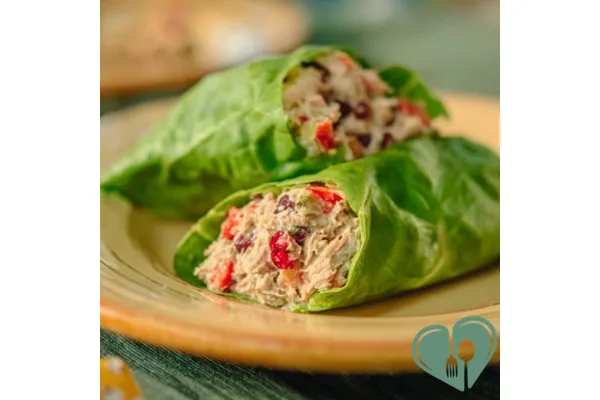
Thai Shrimp Wrap
This one has more energy to it. Shrimp, shredded cabbage, carrot, cucumber, fresh herbs, and a savory peanut-lime sauce. Not the sugary bottled version. A real shortcut one made with peanut butter, lime juice, garlic, and maybe a splash of soy sauce or tamari.
It lands somewhere between crisp and creamy, which is probably why people keep coming back to this kind of wrap. If you want diabetic shrimp wraps that do not feel boring, this is a strong one. Best in cabbage leaves or lettuce if you want the whole thing lighter.
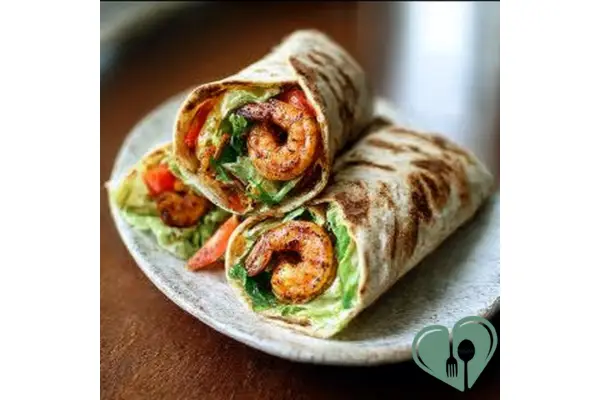
Shrimp, Avocado & Feta Wrap
This one is a little richer, but in a good way. Shrimp brings the protein. Avocado gives it that smooth, satisfying texture. Feta adds salt and bite, so you do not need much sauce at all. Add lettuce, tomato, or cucumber and you’re basically done.
I like this one for days when “healthy lunch” sounds dangerously close to “sad lunch.” It feels more complete than that. Just keep an eye on the feta if you are also watching sodium.
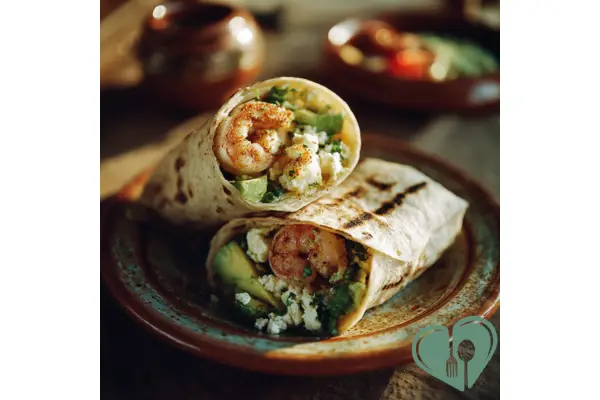
Avocado Salmon Wrap
This is the one that feels the most like a comfort wrap without getting too carb-heavy. Flaked salmon, avocado, greens, cucumber, and maybe a yogurt-dill spread or lemony mustard sauce. Simple, but not plain. That’s the sweet spot.
A salmon wraps low carb version works especially well in cabbage leaves or a high-fiber tortilla. And yes, salmon gets a lot of praise, maybe too much sometimes, but here it earns it. The flavor is stronger, the texture is richer, and the wrap actually feels like a full meal.
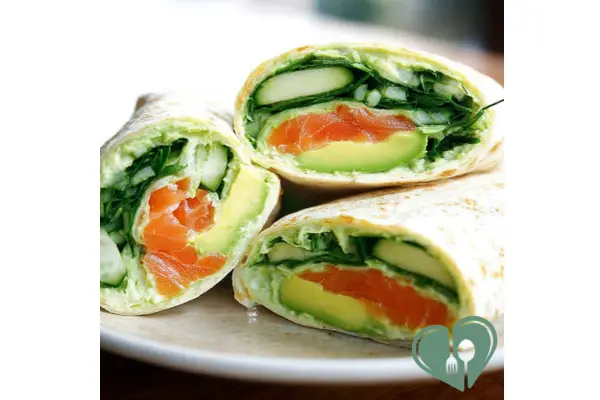
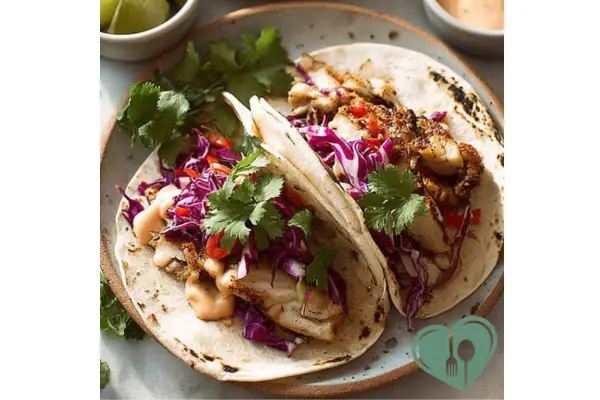
Fish Taco Wraps
These are for when you want something a little more fun. White fish, shredded cabbage, avocado, lime, cilantro, and a slaw-style yogurt sauce. You can go with grilled or baked fish here. No need to fry it unless you are trying to undo the whole point.
Fish taco wraps are great because they do not taste like “diabetic food.” They just taste good. Which, let’s be honest, is part of the goal. Use lettuce, cabbage, or a lower-carb tortilla depending on how filling you want lunch to be.
Which seafood wrap is best for diabetics?
Probably the one you’ll actually make again.
That sounds vague, but it’s true. The best seafood wraps for diabetics usually combine protein-rich seafood, crunchy vegetables, a lower-sugar sauce, and a wrap base you enjoy enough to stick with. Tuna is easy. Shrimp is quick. Salmon feels richer. White fish keeps things light. Different mood, same pattern.
Managing Sodium in Seafood Wraps
This part gets ignored a lot.
People worry about carbs first. Fair. They should. But sodium? That one sneaks in. Quietly too. A wrap can look clean, high-protein, diabetic-friendly… and still end up way saltier than it needed to be.
Usually it is not one big mistake.
It is the canned tuna. Then the feta. Then the sauce. Then maybe a tortilla that tastes normal but has more sodium than you expected. Add pickles or olives and now the whole thing is doing a bit too much. Not disastrous. Just… more than you meant to eat.
That is the annoying part with seafood wraps for diabetics. The seafood itself is often fine. It is the pile-on around it that changes the meal.
Tuna is the obvious one here. Super convenient. Cheap enough. Easy lunch. But some canned tuna brands are way saltier than others, so checking the label actually matters. Same with smoked salmon. Honestly, smoked salmon is where people get tricked. It feels healthy. And it can be. But it is also salty by nature, so once you add capers, cheese, or dressing, things can get out of hand fast.
Shrimp can go the same way if the sauce is doing all the talking.
And sauces… yeah. That is usually where this goes wrong.
A shrimp wrap with a salty bottled dressing. A tuna wrap with mayo plus pickles plus cheese. A salmon wrap with smoked fish and a heavy spread. None of that sounds extreme on its own. Together though? Different story.
A few simple fixes help:
- Choose lower-sodium canned tuna when you can
- Drain tuna well before mixing it
- Use fresh cooked salmon instead of smoked salmon sometimes
- Treat feta, olives, soy sauce, and pickles like extras, not the whole personality of the wrap
- Let lemon, herbs, yogurt, mustard, garlic, and pepper do more of the work
That last one matters more than people think.
Because once the wrap has real flavor, you stop needing so much salt to make it interesting. And that is kind of the goal. Not making it bland. Just making it smarter.
Is canned tuna too salty for seafood wraps for diabetics?
Not always.
Canned tuna can still work really well. You just need to be a little picky about the brand and a little less reckless with the add-ons. If the tuna is salty, keep the rest simple. That is basically it.
Flavor Without Sugar: Sauce Alternatives
This is where a lot of wraps go off the rails.
Not the shrimp. Not the tuna. Not even the tortilla half the time.
The sauce.
That’s usually it.
A wrap can start out pretty solid, then get hit with some bottled dressing that’s sweet for no reason. Sweet chili. Honey mustard. Teriyaki. Even “light” dressings do this sometimes. They sound harmless. Then you read the label and it’s basically sugar doing costume work.
And yeah, that matters.
Especially with seafood wraps for diabetics, because seafood already has flavor. You do not need to drown it just to make lunch interesting. You need contrast. A bit of acid. Some creaminess maybe. Salt, but not too much. Herbs help. Garlic too. That kind of thing.
Better sauce ideas that actually make sense
The easiest fix is using sauces that taste sharp or savory instead of sweet.
A few good ones:
- Greek yogurt with lemon and dill
- Plain yogurt with mustard and black pepper
- Mashed avocado with lime and cilantro
- Olive oil, lemon juice, garlic, and parsley
- Peanut butter with lime, garlic, and a tiny splash of soy sauce
- Tahini with lemon and water to thin it out
That’s enough, honestly.
The yogurt-based ones work really well with salmon and tuna. The avocado-lime thing is great with shrimp. Peanut-lime makes more sense with cabbage wraps or Thai-style shrimp. You don’t need ten options. You need two or three that don’t taste sad.
And no, “sugar-free” on the bottle does not automatically mean good. Sometimes it just means weird aftertaste. Or one of those dressings that tastes like it gave up halfway through being food.
Homemade is usually better here. Not because it’s trendy. Just because it tastes more normal.
Keep it simple or it gets strange
This is probably the bigger point.
Seafood is easy to overpower.
Tuna especially. Salmon too, honestly. Shrimp can handle a little more. But once the sauce gets too sweet or too heavy, the whole wrap starts tasting confused. Like it cannot decide if it wants to be healthy lunch or fake takeout.
So keep the sauce doing one job. Maybe two.
Creamy and bright. Or nutty and savory. Or herby and sharp. That’s enough. Once you start mixing sweet, smoky, creamy, spicy, and salty all at once… yeah, no. Too much.
What sauce is best for seafood wraps for diabetics?
Usually one that adds flavor without adding sugar.
That sounds obvious. Still worth saying.
The best sauces for seafood wraps for diabetics are usually yogurt-based, avocado-based, tahini-based, or simple lemon-and-herb mixes. They taste fresh. They don’t hijack the wrap. And they make it easier to keep the whole thing balanced without feeling like diet food.
How to Meal Prep Seafood Wraps Safely
Meal prep sounds great right up until day three.
Then the shrimp smells a little off. The lettuce goes limp. The salmon wrap you were feeling good about turns into something you suddenly do not trust. Which, honestly, is fair. Seafood is not the thing to get casual with.
The first rule is simple. Do not build all the wraps at once. Prep the parts. Keep the cooked seafood in one container, the chopped vegetables in another, and the sauce somewhere else entirely. Wrap bases stay dry. Then you assemble when you eat. Slightly more annoying, yes. Way better texture too. More importantly, safer. The FDA says seafood and other perishables should be refrigerated within 2 hours, or within 1 hour if it is really hot out, and kept at 40°F or below.
The second rule is where people get sloppy.
Fresh raw fish or shrimp is not “meal prep for later this week” food unless you are cooking it very soon. FoodSafety.gov says fresh fish and shellfish usually belong in the fridge for only 1 to 2 days before cooking or freezing. Cooked seafood gives you a little more room, but not that much. USDA and FDA guidance puts cooked fish and seafood leftovers at about 3 to 4 days in the fridge. So yeah, seafood wraps for diabetics can be meal-prep friendly. Just not in a five-day, forget-about-it kind of way. More like a two- or three-day plan if you want it to still feel fresh when lunch comes around.
A better setup looks like this:
- Cook the salmon, shrimp, or fish first
- Cool it and refrigerate it fairly quickly
- Store it in shallow containers
- Keep wet stuff separate
- Assemble wraps right before eating
- Make enough for a couple of days, not the whole week
That last part matters. Safety is one thing. Quality is another. A wrap can still be technically safe and still taste like fridge air and regret. USDA says shallow containers help leftovers cool faster, which is exactly what you want with cooked seafood.
How long do seafood wrap ingredients last in the fridge?
Fresh raw seafood usually needs to be cooked or frozen within 1 to 2 days. Cooked fish, shrimp, and other seafood leftovers are generally good for 3 to 4 days in the fridge when stored properly at 40°F or below. Fully assembled wraps usually get soggy way before that, so it makes more sense to prep the parts and build them later.
Return to the Ultimate Diabetic Wrap Guide
At this point, you probably see the pattern.
Seafood wraps for diabetics are not hard in theory. Protein. Better wrap base. Vegetables. Sauce that is not secretly sweet. That’s it. More or less. The hard part is not understanding it. The hard part is keeping lunch from getting boring after four days.
That’s why this guide should not really live on its own.
It works better as part of a bigger system. Some days you’ll want shrimp. Some days tuna makes more sense because it’s fast and cheap and already in the cupboard. And some days, honestly, you’ll get tired of seafood completely and want chicken, turkey, or something vegetarian that still keeps the same blood-sugar-friendly structure. That is where the full diabetic wrap guide becomes useful. Not because you need more content to read. Because you need more options that still follow the same logic.
The nice thing is, once you understand one cluster, the rest starts making more sense too.
A salmon wrap low carb lunch is not built that differently from a chicken lettuce wrap or a turkey avocado wrap. Different flavor, same backbone. That’s actually reassuring. You do not have to relearn lunch every time you switch proteins. You just swap the filling, watch the sauce, and keep the base smart. Sounds obvious when written out like that. Still easy to forget in real life.
So if you liked these seafood wraps for diabetics, the next step is pretty simple. Use this page as your seafood branch, then move back to the main guide for more wrap ideas built around the same goal: easier lunches, steadier energy, less guesswork. Not perfect meals. Just more reliable ones. That’s usually enough.
And maybe that’s the real point here.
You do not need twenty nutrition rules spinning in your head every time you make a wrap. You need a pattern that feels normal enough to repeat. Tuna when you want easy. Shrimp when you want something fresher. Salmon when you want more richness. Then back to the main guide when you want variety without starting from zero again.
Where should you go after this seafood wraps section?
Back to 20 Diabetic Wrap Recipes for Healthy, Blood Sugar-Friendly Meals
That’s the best next move if you want more diabetic-friendly wrap ideas, more protein options, and a wider mix of low-carb lunches that still feel like real food. This seafood section gives you one lane. The full guide gives you the whole map.
Final Thoughts on Seafood Wraps for Diabetics
So yeah. Seafood wraps for diabetics can actually make lunch easier.
Not perfect. Not magic. Just easier.
That’s probably the real takeaway here. You do not need to overthink every single ingredient. You just need the pattern to make sense. Start with seafood that gives you decent protein. Keep the wrap base smarter. Add crunch, fiber, something fresh. Then don’t ruin it with a sugary sauce or a pile of salty extras. That’s really it. More or less.
And once that clicks, the whole thing feels less annoying.
Tuna becomes the easy backup lunch. Shrimp feels lighter and fresher. Salmon feels a bit more filling, a bit more proper. Fish taco wraps cover the days when you want something that tastes like actual food and not a compromise. Which matters. Maybe more than people admit.
Because let’s be honest, if a meal feels too strict, too careful, too “healthy,” most people stop making it.
These seafood wraps for diabetics work better when they still feel normal. Good texture. Real flavor. Enough variety that you do not get bored by Wednesday. That’s the part worth keeping.
So no, the goal is not building the perfect wrap every time.
It’s having a few reliable ones you can come back to without second-guessing lunch.

Dreena shares balanced, diabetes-friendly recipes made for real life—simple, nourishing, and full of flavor. Her kitchen is where health meets heart.