
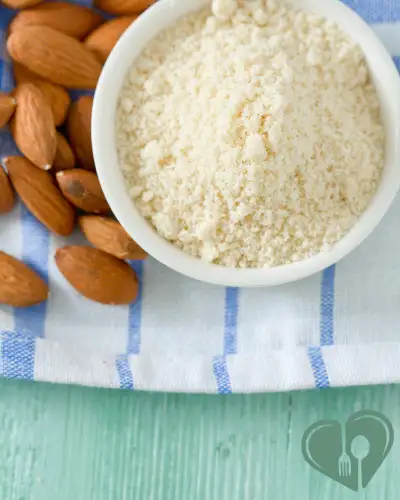
Ever bake a “healthy” loaf that looked fine… but crumbled when you touched it? Or cookies that tasted like damp cardboard? If you’re baking low-carb especially for diabetes it’s not just about swapping flour or sugar. It’s about structure. And structure needs binders.
In traditional baking, gluten and carbs do the heavy lifting. Without them, things fall apart fast. That’s where binders come in: they hold your mix together, trap moisture, and give your bakes a fighting chance to feel like the real thing.
This guide breaks down the best low-carb binders for diabetic baking what each one does, how they behave in the oven, and which to use for bread, cookies, cakes, and beyond. Let’s fix the crumble.
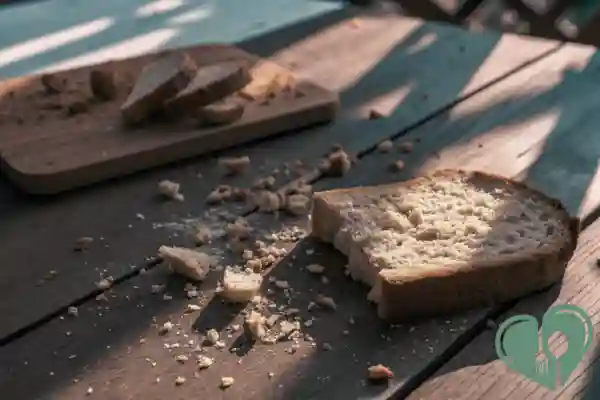
Why Binders Matter in Low-Carb, Diabetic Baking
When you take out gluten and sugar, you’re not just changing taste you’re removing structure. That’s the part many people miss. Gluten gives stretch. Sugar locks in moisture. Without them, your bakes collapse, crumble, or just feel off.
Binders fill that gap. They’re what hold your almond flour muffins together or keep that coconut flour cake from drying out. But not all binders work the same and not every bake needs the same one. Some flours soak up tons of moisture (hello, coconut), others have no “grip” at all. You have to match the binder to the job.
Also, it’s not just about adding one in. Too much? Things turn gummy. Too little? You get crumbs instead of cookies. Even eggs helpful as they are can’t always carry the whole structure alone.
FAQ: Aren’t eggs enough as a binder?
Not always. Eggs help, but low-carb flours often need extra hold. Binders back them up especially in recipes where texture matters.
Top 7 Low-Carb Binders (and What They Actually Do in Your Bake)
Before diving into binders, it helps to understand how low-carb flours behave or don’t. We’ve already covered that in “Low-Carb Flours & Binders for Diabetic Cooking”, where we break down how almond, coconut, and other flours work in diabetic baking.
Let’s not sugarcoat it low-carb flours don’t behave. They don’t stretch, they don’t stick, and they sure don’t rise the way you want them to. That’s where binders step in. Below are the seven most reliable ones each with its quirks, strengths, and “do-not-overdo-this” warnings.
Psyllium Husk Powder
This stuff’s like the duct tape of low-carb baking. Mixed with water, it turns into a gel that mimics gluten’s stretch. It’s why your keto bread doesn’t flatten into a sad pancake. But there’s a catch use too much and things get dense and weirdly purple.
- Use it in: Bread, buns, crusts
- Watch for: Color changes and spongey texture if overused
- Pro tip: Let the dough sit psyllium needs time to hydrate fully
Xanthan Gum
Tiny amount, big effect. It gives structure, traps air, and helps baked goods hold together. But it also adds that slippery, almost synthetic chew if you’re heavy-handed. Less is more.
- Use it in: Cookies, muffins, quick breads
- Watch for: That gummy mouthfeel when overdone
- Pro tip: Whisk it into your dry mix first clumps are evil
Chia Seeds
When soaked, chia turns into gel kind of like frogspawn, honestly, but useful. Great binder, especially in softer bakes. Adds fiber and omega-3s, too.
- Use it in: Muffins, pancakes, brownies
- Watch for: Texture it’s a little seedy unless you grind it
- Pro tip: Try ground chia for smoother batters
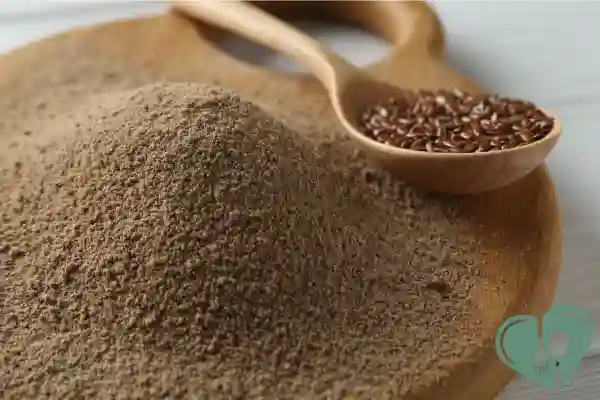
Flaxseed Meal
Think of this as chia’s nutty cousin. It binds well, adds flavor, and doesn’t dominate. Works best in rustic bakes think hearty muffins or pancakes where a little chew is welcome.
- Use it in: Cracker-style bakes, denser muffins
- Watch for: Slight bitterness in large amounts
- Pro tip: Let it soak before adding to batter for better hold
Gelatin (Unflavored)
Surprisingly useful. Bloom it first, then add it to warm batters it gives cookies that soft-chewy bend. Totally underrated.
- Use it in: Cookies, soft bars, wraps
- Watch for: Over-firming when cooled
- Pro tip: Mix with eggs for a firmer set
Glucomannan (Konjac)
Super concentrated. Like, tread lightly. But if you want structure in something delicate (like low-carb noodles or thin pancakes), this stuff locks it in.
- Use it in: Tortillas, wraps, doughs
- Watch for: Rubbery texture if you go overboard
- Pro tip: Add to hot water/liquid for better distribution
Egg Alternatives (for the Egg-Free Folks)
If you’re ditching eggs, you’ll need backup: flax egg, chia egg, or aquafaba (chickpea water). None of them are perfect but combined with other binders, they do the job.
- Use in: Vegan muffins, pancakes, soft cookies
- Watch for: Less rise, softer structure
- Pro tip: Combine with psyllium or gelatin if you need more hold

FAQ: I’m just making bread. Which one should I start with?
Psyllium, hands down. Use eggs, too. Add a little flax for moisture. And if it turns purple? You probably used too much or didn’t let it hydrate enough.
Choosing the Right Binder for What You’re Baking
Not all bakes need the same binder. What works for bread won’t necessarily work for muffins. It really depends on the texture you’re after chewy, fluffy, crisp and the flour you’re working with.
If You’re Making Bread or Buns
Bread needs structure something that holds shape and keeps moisture in. Psyllium husk is usually the best fit. It gives elasticity and helps trap steam, especially when paired with eggs. Want it a bit softer? Add a touch of flaxseed meal.
- Try: Psyllium + eggs
- Skip: Too much xanthan (can make it oddly chewy)
For Muffins, Pancakes, or Softer Bakes
These need moisture and a gentler hold. Flax or chia do the job well here. They keep things moist and tender without overdoing the structure. A small bit of xanthan helps if you need the batter to behave better.
- Try: Flax/chia + a pinch of xanthan
- Skip: Psyllium too firm, not great for soft textures
For Cookies or Crackers
You’re aiming for hold and shape here maybe a bit of chew or crunch. Xanthan gum helps with structure. If you want some bend (like in soft cookies), gelatin is a quiet winner.
- Try: Xanthan + gelatin
- Skip: Wet binders alone they’ll make things mushy
FAQ: Can I mix two binders in one recipe?
Definitely. Sometimes that’s the best move. Psyllium for structure, flax for softness. Or xanthan for stability, gelatin for flexibility. It’s about balance, not finding a “perfect” one.
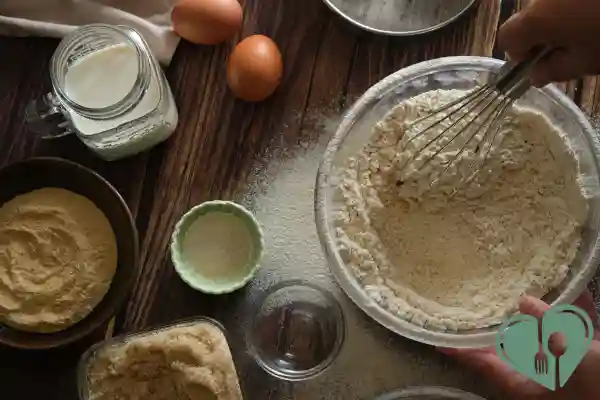
Substitution Matrix for Low-Carb Binders
Sometimes you’re mid-recipe and realize you’re out of psyllium. Or maybe you just don’t like how xanthan feels in your mouth. Here’s a quick substitution guide to help you swap smart based on texture, taste, and function.
| If You Don’t Have… | Try This Instead | Best For | Notes |
|---|---|---|---|
| Psyllium Husk | Flaxseed + Xanthan Gum | Bread, rolls | Not as elastic, but holds structure |
| Xanthan Gum | Gelatin or Chia (ground) | Cookies, muffins | Less “gluey,” more natural mouthfeel |
| Flaxseed Meal | Chia Seeds (soaked) | Pancakes, soft bakes | Similar texture; chia adds slight crunch |
| Chia Seeds | Ground Flaxseed | Cakes, muffins | More nutty flavor, similar binding |
| Gelatin | Psyllium or Chia Gel | Chewy bakes, wraps | Texture changes experiment with ratios |
| Glucomannan | Xanthan Gum (tiny amount) | Thin batters, doughs | Different behavior test small batch |
| Eggs (as binder) | Flax or Chia Egg | Vegan bakes | Slightly less lift, more moisture |
This chart’s not absolute but it’ll keep most recipes from falling apart when you don’t have what the original calls for.
FAQ: Can I sub flax for psyllium 1:1?
Usually not. Psyllium’s stronger and more elastic. If swapping with flax, you may need to add a bit of xanthan or extra egg to get similar results.
Common Pitfalls in Low-Carb Baking (and How to Avoid Them)
Let’s be honest most low-carb baking fails don’t come from bad ingredients. They come from subtle mistakes that feel small… until your bread collapses or your cookies turn to paste. Here are the usual suspects, and what you can do to avoid them.
1. Using the Wrong Binder for the Job
Not all binders are flexible. Psyllium is great for bread but too heavy for cake. Chia works for muffins but won’t hold a crust. Always think: what texture do I need?
- Fix it: Match your binder to your flour and bake type don’t just follow recipes blindly.
2. Overusing the Binder
More doesn’t mean better. Overusing psyllium makes things rubbery. Too much xanthan? Slimy. Gelatin? Jello-texture.
- Fix it: Start small usually ¼ to 1 tsp per cup of flour. Test and adjust from there.
3. Skipping Rest Time
Some binders especially psyllium and flax need time to absorb moisture. Rushing leads to dry edges, soggy centers, or split tops.
- Fix it: Let your batter or dough rest 5–15 minutes before baking.
4. Not Adjusting for Flour Type
Almond flour acts nothing like coconut. If you’re swapping flours, your binder (and liquid) needs to shift too.
- Fix it: When changing flour, tweak binder and hydration. There’s no universal ratio.
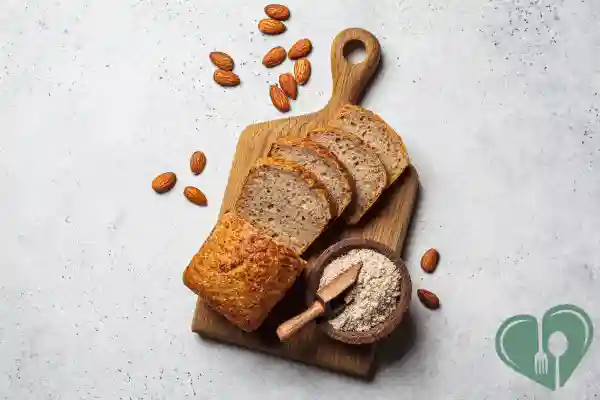
FAQ: Why did my low-carb bread fall apart?
Most likely? Too little binder or the wrong one for your flour. Bread needs elasticity psyllium and eggs together usually give the best structure.
Low-Carb Binder FAQs (Quick Answers to Common Headaches)
What’s the best binder if you’re diabetic?
Psyllium. It’s almost carb-free, high in fiber, and won’t spike blood sugar. Plus, it gives bread a real crumb.
Can I skip the binder?
Only if you like your muffins in pieces. A binder-free bake usually falls apart unless it’s something tiny like a fat bomb.
Is xanthan gum hard on digestion?
For some, yeah. If your gut’s sensitive, go for chia or gelatin they’re easier on the system.
Why is my low-carb bread so gummy?
Likely too much psyllium, or you didn’t let it sit before baking. Let it rest seriously, it matters.
Best binder for vegan baking?
Chia or flax eggs. But mix in a bit of xanthan or agar if you need structure they’re not strong binders on their own.
The Missing Ingredient You Didn’t Know You Needed
Let’s be honest baking low-carb while managing diabetes isn’t simple. It’s trial, error, and sometimes total frustration. You follow the recipe, swap the sugar, cut the carbs… and somehow, things still fall apart. Literally.
But here’s the thing most people don’t realize: it’s not your ingredients. It’s the glue. The binder.
Once you figure that out once you know which binder gives you chew, which one gives you lift, and which to skip entirely for certain flours everything changes. Your breads hold. Your cookies don’t collapse. And, quietly, you stop dreading the guesswork.
There’s no one perfect binder, just like there’s no one way to bake. But now you’ve got the knowledge to choose wisely to match the binder to the bake, and actually get the results you’ve been chasing.
So next time your loaf turns to mush or your muffins don’t rise? Don’t scrap the whole recipe. Just ask: Did I use the right binder?
That one question might save your next batch and restore your faith in low-carb baking.
See how these binders hold up in practice with a full 5-day meal prep plan designed for blood sugar control.
Finding the Best Low-Carb Binders for Diabetic Baking and Making Them Work for You
If there’s one thing I’ve learned from baking low-carb with diabetes in mind, it’s this: you can follow the recipe to the letter and still end up with a flop. Not because you did something wrong but because the binder didn’t suit the bake.
That’s the part most blogs skip. But now you know better.
You know what works for chewy, what holds together soft, and what to avoid if you want something light. And honestly, that’s most of the battle. Keep these binders close, test what fits your style, and adjust as you go.
No one gets it perfect the first time. But once you land the right combo? That’s when the fun starts.

Dreena shares balanced, diabetes-friendly recipes made for real life—simple, nourishing, and full of flavor. Her kitchen is where health meets heart.
Comments
One response to “Best Low-Carb Binders for Diabetic Baking”
[…] to go deeper? Here’s a detailed breakdown of the best low-carb binders — how they work, when to use them, and which ones to […]