
There’s a certain comfort in a warm bowl of soup – especially when you’re trying to manage blood sugar and still enjoy food that feels, well, like real food. That’s the quiet promise behind this high-fiber vegetable and bean soup for diabetics: a meal that doesn’t lecture you but supports you, almost in the background, the way a good routine settles into your life before you even notice it. And if you’ve ever felt that tug-of-war between craving something hearty and worrying about the carb load, this recipe leans in with a reassuring “you’re okay – we can make this work.”
Honestly, most diabetic-friendly meals online are either too clinical or too apologetic, as if enjoyment somehow has to be sacrificed. But here’s the thing I’ve learned – fiber, when paired with vegetables and slow-digesting beans, creates a kind of gentle timing mechanism in the body. It slows things down just enough to keep energy steady, almost like turning a faucet from full blast to a calm, predictable stream. That’s part science, part lived experience. And maybe a little part hope.
What makes this soup different isn’t complexity; it’s intention. Everything – from the broth to the aromatics to the layering of beans and non-starchy vegetables – builds toward a bowl that feels satisfying without overwhelming your system. You can taste the comfort, but you don’t get the crash. And if I’m being honest, there’s something deeply grounding about a recipe that’s forgiving enough to handle the “I only have this vegetable today” moments we all have.
You’ll also notice this recipe includes a simple side salad pairing. That wasn’t an afterthought. Many people managing diabetes quietly struggle with meal balance – not because they don’t know what to do, but because combining foods in the right way sometimes feels like guesswork. By adding a salad that boosts fiber and adds crunch, the whole meal becomes more predictable, more filling, and more stable… emotionally and physically. There’s a strange sense of relief in meals that don’t spike your blood sugar or your stress levels.
By the end of this guide, you’ll have not just a recipe, but a rhythm – a sense of how veggies, beans, herbs, and fiber work together to support steady energy. And maybe, if this goes the way I think it will, you’ll discover a recipe you’ll revisit on the evenings when you need something warm, steadying, and quietly good for you.
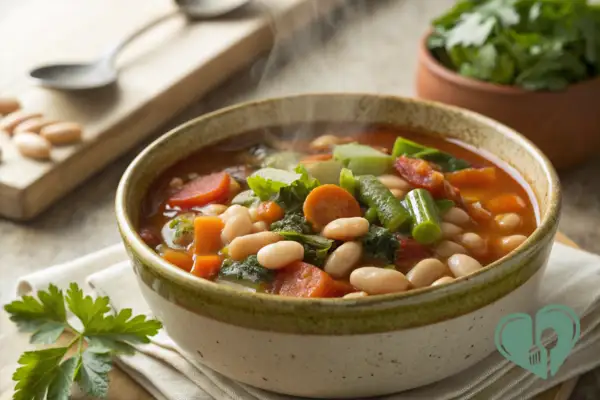
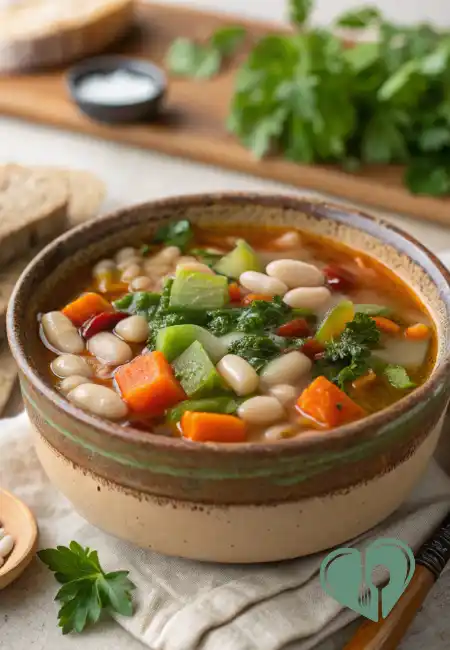

High-Fiber Vegetable and Bean Soup for Diabetics
Ingredients
Equipment
Method
- Heat olive oil in a soup pot over medium heat.
- Add onion, carrots, and celery; sauté 5–7 minutes.
- Add garlic and cook 30 seconds.
- Add zucchini and cook about 2 minutes.
- Pour in broth and diced tomatoes; stir.
- Add white beans and kidney/pinto beans.
- Add oregano, thyme, salt, and pepper.
- Bring to a simmer; cook 15–20 minutes.
- Stir in spinach or kale and wilt for 2–3 minutes.
- Taste and adjust seasoning; add optional spices or lemon.
- Serve with fresh parsley and lemon.
Notes
- This soup is very forgiving – feel free to swap vegetables based on what you have. Zucchini, cabbage, mushrooms, or extra greens all work well.
- For a thicker texture, blend 1 cup of the soup and stir it back in (no starch needed).
- Low-sodium broth is recommended, but don’t be afraid to adjust salt at the end for balance.
- A squeeze of lemon right before serving adds brightness and helps elevate the flavor without extra ingredients.
- The soup tastes even better the next day as the beans and herbs meld together.
- Freezes well for up to 3 months; thaw overnight in the fridge for best texture.
- Add smoked paprika or red pepper flakes for a deeper, warmer flavor profile.
Ingredients for High-Fiber Vegetable & Bean Soup
There’s something oddly grounding about gathering ingredients before cooking – almost like you’re setting the tone for the meal before any heat even hits the pot. And for a high-fiber vegetable and bean soup that supports steady blood sugar, the ingredient list matters more than we sometimes admit. Not because the recipe is fragile (it isn’t), but because each piece plays a role in creating that slow, steady release of energy diabetics often aim for. Think of it as building a small ecosystem rather than a strict formula.
Below is the base version – the one I’ve found consistently reliable. But I’ll be honest: this soup is forgiving. If you’re missing a vegetable or swapping beans, it usually works out. That said, there’s a quiet confidence in starting with the essentials before getting creative.
Vegetables & Aromatics
- 1 tablespoon olive oil
- 1 medium onion, diced
- 2 carrots, chopped
- 2 celery stalks, chopped
- 3 garlic cloves, minced
- 1 zucchini, chopped
- 1 cup chopped spinach or kale
Beans & Fiber Sources
- 1 can (15 oz) white beans, rinsed
- 1 can (15 oz) kidney or pinto beans, rinsed
Broth & Seasoning
- 4 cups low-sodium vegetable broth
- 1 can (14 oz) diced tomatoes
- 1 teaspoon dried oregano
- 1 teaspoon dried thyme
- Salt and pepper to taste
Optional Add-Ins (for flavor or texture)
- 1 teaspoon smoked paprika
- ½ teaspoon red pepper flakes
- Fresh parsley, chopped
- Lemon wedge for finishing
Why these ingredients matter
(Just giving a little insight here, because people managing diabetes often want to know the “why,” not just the “what.”)
The vegetables form a low-glycemic base – nothing starchy enough to send your glucose surging. The beans handle the heavy lifting: fiber satiety and that slow digestibility that almost feels like a built-in pacing mechanism for your body. The herbs, meanwhile, do something softer: they give the soup aroma and life without relying on sugar or fat. And if you’ve ever felt bored by “healthy soups,” layering herbs early makes a bigger difference than most recipes admit.
The optional add-ins aren’t there for decoration either. Smoked paprika reinforces the warm, earthy backbone; lemon brightens a soup that might otherwise feel too mellow chili flakes add energy without adding sugar. It’s your call depending on the mood of the day.
FAQ – Can I use dried beans instead of canned?
Yes, absolutely. Just cook them fully beforehand and use about 1½ cups of cooked beans per can. The one thing I’ll admit – and maybe this is just me – is that dried beans taste slightly deeper, but canned beans offer the simplicity that real weeknights often demand. If using dried beans, check the seasoning at the end, since they tend to absorb more flavor from the broth.
Instructions for Making a High-Fiber Vegetable & Bean Soup
Cooking this high-fiber vegetable and bean soup isn’t one of those rigid, timer-dependent rituals. It’s more like an unfolding – you build the base, you coax flavor forward, and the pot does most of the work. If you’ve ever followed a recipe and felt like the instructions assumed you were a machine this is the opposite. Think of these steps as gentle guidance rather than marching orders. You’ll know things are going well when the kitchen starts to smell like you’ve been simmering something thoughtful and nourishing, even if the clock says otherwise.
Build the Soup Base
Start by warming the olive oil in a large pot over medium heat. Nothing dramatic – just give it a minute to shimmer. Add the onion, carrots and celery. This trio is the quiet backbone of many soups, partly because they soften at different rates, creating layers before you’ve even added seasoning. Stir them occasionally, without hovering. After about 5–7 minutes, the onions will turn translucent, and you might get that brief moment of “Is this actually doing anything?” Yes it is. This slow softening sets the tone for the entire bowl.
Add the garlic next letting it bloom for 30 seconds or so. Garlic burns quickly and the line between “perfectly aromatic” and “slightly bitter” can be surprisingly thin. If you overshoot it by a moment, don’t panic – soup is forgiving. Next, stir in the zucchini. It cooks fast, so it doesn’t need the same head start as the carrots or celery. If the vegetables look a bit uneven or rustic good – that’s texture you’ll appreciate later.
Pour in the broth and tomatoes, gently scraping the bottom of the pot. Those browned bits? That’s flavor, especially important in a soup that leans on vegetables and beans rather than heavy fats. Bring everything to a simmer, not a rapid boil. A boil feels impatient a simmer feels intentional. Once tiny bubbles appear, add your beans. This is when the soup starts becoming food rather than just a collection of ingredients.
Layer Flavor Slowly (It Matters More Than People Think)
A lot of diabetic-friendly soup recipes skip the nuance of flavor-building, maybe out of fear that strong flavor equals hidden sugar or calories. But herbs and spices are your allies here – they’re how you create richness without relying on carbs or cream. Stir in the oregano thyme and any optional paprika or chili flakes. You’ll probably notice the scent shifting immediately. It’s subtle, but the air above the pot gets warmer, fuller.
Let the soup simmer for 15–20 minutes. During this time, something almost meditative happens: the beans soften just slightly, the vegetables settle into the broth and the seasoning rounds out. Taste halfway through. If it feels a little flat, that isn’t a failure – it’s simply the moment where soup asks for a pinch more salt or a squeeze of lemon. Flavor isn’t a fixed target; it’s more of a negotiation.
Stir in the spinach or kale during the last few minutes. Watching greens fold into hot broth always feels symbolic – almost like the recipe is exhaling right before it’s done. The greens wilt quickly, bringing nutrients and color without affecting blood sugar in any sharp way.
When everything tastes balanced, turn off the heat. You can serve it immediately, though soups like this often deepen overnight. If tomorrow-you wants an easy lunch, this recipe quietly sets you up for that.
FAQ – Should I blend part of the soup to make it thicker?
You can, and many people do – blending a cup or two creates a creamy texture without adding starch or cream. Just be mindful: blending the beans will slightly alter the glycemic response, though not dramatically. I tend to blend only when I want the soup to feel more comforting or stew-like, but there’s no wrong choice here.
Why This High-Fiber Vegetable & Bean Soup Works for Diabetics
There’s a quiet kind of relief that comes from eating something you know won’t send your blood sugar bouncing around. This high-fiber vegetable and bean soup tends to fall into that rare category – the kind of meal you finish and think, “Okay, my body can handle this.” And that feeling isn’t accidental. It comes from how the ingredients interact, almost like a small orchestra playing in slow steady tempo instead of trying to overwhelm the room with volume.
A lot of diabetic-friendly recipes talk about fiber as if it’s a checkbox, but the truth is more layered. Fiber doesn’t just “slow digestion.” It changes the entire rhythm of how a meal enters your system. Beans, especially, act like tiny time-release capsules. Their complex carbs break down gradually, which means the glucose they contain enters your bloodstream at a pace your body can actually work with. For another delicious, fiber-packed option, try our High-Fiber Black Bean Stuffed Sweet Potato. Meanwhile, the vegetables being low-glycemic and water-rich add volume and nutrients without pushing the total carb load into the danger zone. It’s stable, predictable fuel, not a sugar cliff you tumble off twenty minutes later.
There’s also an emotional side to this, even if most recipes never mention it. When you’re managing diabetes, meals can carry this quiet tension in the background – the overthinking, the label-checking, the subtle fear of getting it wrong. A soup like this loosens that tension. It’s hearty but not heavy, nourishing without being demanding. And maybe that’s why so many people return to vegetable-and-bean combinations: they don’t just feed you; they reassure you.
Beans + Veggies = Long-Lasting Energy
If you’ve ever wondered why you feel steady after eating beans, the answer is partly scientific and partly sensory. Beans bring soluble fiber, which behaves almost like a gel inside the digestive tract. It slows glucose absorption, yes, but it also helps keep hunger from rebounding too quickly – a common trap with lower-fiber meals.
Pair that with non-starchy vegetables, and you get a sort of nutritional duet. The veggies give volume and micronutrients, the beans provide sustained energy, and together they help flatten those post-meal spikes that so often derail good intentions. It’s not magic but sometimes it feels like it. For more ideas, see High-Fiber Hot Lunch Ideas for Diabetics That Keep You Full or explore The Ultimate Guide to High-Fiber Diabetes-Friendly Lunches for a complete roundup of steady-energy meals.
There’s also the subtle but real fact that warm, savory foods tend to be more satisfying psychologically than cold, low-calorie substitutions. A comforting bowl can sometimes prevent the “I need something else” spiral – which, let’s be honest, is where blood sugar management often gets messy.
FAQ – Does high-fiber soup really lower blood sugar spikes?
Generally, yes – though “lower” is relative. High-fiber soups like this one tend to reduce the speed at which glucose enters the bloodstream, leading to smaller, slower rises rather than sharp jumps. But bodies vary. Some people notice a dramatic improvement; others notice a gentle softening of peaks. Think of it less as a cure and more as a stabilizer – one piece of a much bigger rhythm you’re building.
Side Salad Ideas to Complete Your High-Fiber Soup Meal
It’s strange how a side salad can change the tone of a meal. You can ladle out a perfectly satisfying bowl of vegetable and bean soup, and yet the moment you set something crisp and cool beside it, the whole experience shifts. Maybe that’s just how contrast works – warmth next to freshness, comfort next to brightness. Or maybe it’s because salads carry this quiet psychological cue that you’re taking care of yourself in a way that feels almost… effortful, even when it isn’t.
I’ve noticed that people managing diabetes often get stuck in an unspoken tug-of-war: wanting variety but defaulting to the same “safe” foods over and over. A good side salad nudges you out of that rut without introducing chaos or carb surprises. And honestly, most of the salads that work best here aren’t the dramatic ones. They’re the ones you can assemble with what’s already in your fridge – the “I didn’t plan anything but it still worked out” kind of salads. Maybe that’s why they’re so satisfying.
The Greens + Seeds Bowl (Barely a Recipe, but Surprisingly Perfect)
Sometimes the simplest thing actually tastes the best, though I hesitate to say that because it sounds like something nutrition blogs repeat without thinking. But it’s true here. A handful of spinach or mixed greens, a few slices of cucumber, and a tablespoon of seeds – pumpkin, sunflower, whatever hasn’t expired in your pantry – and suddenly you have this understated little side dish that does exactly what you hoped.
The olive-oil-and-lemon dressing? Keep it unfussy. The appeal of this salad is that it doesn’t compete with the soup; it just sort of leans against it quietly.
A Mediterranean-leaning Salad (When You Want the Meal to Feel “Composed”)
There are evenings when you want your dinner to feel a little more intentional, even if the intention is fabricated on the spot. This salad helps with that illusion. Tomatoes for brightness, parsley for that herbaceous lift, cucumber for crunch, and a spoonful of chickpeas to tie it back to the bean theme without overloading the carbs.
Even the oregano feels like it wandered over from the soup pot and decided to stay. It’s simple but not shy – like the confident cousin of the first salad.
Shredded Cabbage Slaw (For People Who Want Crunch With a Capital C)
This one is less “side salad” and more “textural palate cleanser.” Cabbage has this unapologetic crunch you just can’t get from leafy greens, and when you dress it with vinegar and olive oil, something interesting happens: it cuts right through the soup’s warmth without feeling out of place.
It’s also one of the most blood-sugar-friendly vegetables, though that’s almost an afterthought once you taste how refreshing it is next to a hearty bowl.
FAQ – Can a salad for diabetics include creamy dressing?
In small amounts, yes – but use it consciously. A tablespoon of a creamy dressing won’t sabotage a meal, especially one anchored by high-fiber soup. The issue is that creamy dressings can drift into “accidentally too much” territory quickly. If you crave the richness try mixing a tiny spoonful with lemon juice or vinegar to stretch it without losing the flavor.
Tips & Tricks for Better Flavor, Texture, and Blood-Sugar Stability
Cooking a high-fiber vegetable and bean soup looks straightforward on paper, but the tiny decisions you make along the way often matter more than the recipe itself. And strangely the more I cook soups like this, the more I realize most people have quiet hesitations they never voice – “Am I seasoning enough?”, “Is low-sodium broth going to taste flat?” “Are beans too carb-heavy?” These tips aren’t rules; they’re the things I wish someone had told me before I spent years pretending soup was supposed to taste a bit dull just because it was “healthy.”
And here’s the truth: diabetic-friendly doesn’t mean flavorless. It just means you have to build flavor using tools other than sugar and heavy fats. If anything, it forces you to get a little creative – in a good way.
Use Low-Sodium Broth, but Don’t Rely on It Alone
Most diabetic-focused recipes insist on low-sodium broth (and they’re right), but they skip the part where low-sodium broth… isn’t exactly thrilling on its own. Seasoning becomes a deliberate act here. Add salt gradually taste often and don’t feel guilty about adjusting. The goal isn’t perfection it’s balance.
If your broth tastes thin it might not be the salt. Sometimes it’s acidity. A squeeze of lemon at the end can wake a soup up in a way salt never could.
Let Aromatics Cook Longer Than You Think
Onions, garlic, celery, carrots – they’re doing more than softening. Their slow cooking builds the foundation your soup stands on. Give them time. If you rush this part, you’ll spend the rest of the recipe trying to fill in flavor gaps that never had to exist in the first place.
Think of this as the “investment phase” of flavor.
Layer Herbs Early, Adjust Spices Late
Dried herbs (oregano, thyme) should go in early so they have time to bloom. Spices like paprika or chili flakes should be added later if you want control over intensity. It’s the difference between deliberate warmth and accidental heat.
There’s a certain comfort in being able to adjust spice toward the end – you can raise or lower the dial depending on your mood that day.
Don’t Fear Beans – Use Them Strategically
People managing blood sugar sometimes worry beans are “too carby,” but context matters. Paired with vegetables and broth, beans act as slow-burning fuel. If you want an even gentler impact, mix types: one can of white beans for creaminess, one of kidney beans for bite. It gives the soup texture without overwhelming the glycemic load.
Adjust Thickness Without Starch
If the soup feels too thin blend 1 cup and stir it back in. It thickens the pot naturally and avoids adding flour or potatoes. Just don’t blend the whole thing unless you want baby-food vibes – which is fine, no judgment, but probably not the intention.
FAQ – What if the soup tastes “flat” even after seasoning?
Two possibilities:
- It needs acid – lemon juice or a splash of vinegar often fixes more than salt ever could.
- It needs fat – not much maybe a teaspoon of olive oil drizzled in. Healthy fats can round out the flavors without affecting blood sugar the way carbs would.
Substitutions & Variations for a More Personalized High-Fiber Soup
One of the unspoken truths about cooking – especially when you’re managing diabetes – is that recipes almost never match what you actually have in your kitchen. You open the pantry, see one can of beans instead of two, or realize you bought kale last week but now it’s edging past its prime. And suddenly you’re wondering if the whole recipe falls apart without one ingredient. It doesn’t. In fact, a high-fiber vegetable and bean soup might be one of the most forgiving diabetic-friendly meals out there.
Still substitutions can feel risky when you’re trying to keep blood sugar steady. So instead of saying “swap freely,” it’s more honest to offer substitutions with a bit of context – the why, not just the what.
Lower-Carb Variations (When You Need the Bowl to Be Lighter)
Sometimes you want the soup hearty; other days you want it gentler. If you’re aiming for a lower-carb version, start by reducing one can of beans and adding extra non-starchy vegetables instead. Zucchini, cabbage, and mushrooms are especially good stand-ins because they add bulk without contributing sugar spikes.
Another small trick: let the soup simmer longer. Reducing the broth slightly concentrates flavor making it feel richer even with fewer carbohydrates.
There’s something comforting about a soup that tastes indulgent but sits lightly – emotionally and metabolically.
Higher-Protein Adjustments (For Longer Satiety)
If you’re someone who stays full longer when meals include more protein and a lot of people managing diabetes quietly feel this way – there are simple, blood-sugar-neutral ways to boost it:
- Add diced chicken breast or turkey (already cooked is fine)
- Stir in tofu cubes or shredded tempeh
- Add an extra can of white beans (yes, beans have carbs, but the fiber-to-protein balance often works out well)
Just note: adding more beans thickens the soup naturally, which can be a perk or a surprise depending on your texture preferences.
Flavor Variations (Without Unfriendly Additives)
This is where things get fun. Most flavor shifts don’t affect carbs at all:
- Smoky version: smoked paprika + a bay leaf
- Italian-style: basil, rosemary, and a parmesan rind
- Spicy version: chili flakes or jalapeño slices
- Herb-forward: lots of parsley and thyme
One note of contradiction – I sometimes tell people not to over-season diabetic-friendly soups, but then again, it’s the seasoning that keeps you from feeling deprived. So the real rule is: season boldly but thoughtfully.
Vegan and Gluten-Free Swaps
The base recipe is already vegetarian and easily vegan. The only place dairy might sneak in is during serving (like parmesan), but replacing that with nutritional yeast keeps the savory depth without adding carbs or animal products.
As for gluten-free adjustments – most of the ingredients already qualify. Just check your broth labels since some brands use wheat-derived flavor enhancers. It’s annoyingly common.
FAQ – Can I replace beans entirely if I want almost no carbs?
You can though the soup becomes a different creature. Try replacing beans with diced mushrooms, cauliflower florets or even wilted greens. The soup will be lighter, brothy, and still comforting – but it won’t have that same slow-sustained-energy feel beans naturally provide. Whether that trade-off works depends on your body, your taste, and honestly, your mood that day.
Frequently Asked Questions About This High-Fiber Vegetable & Bean Soup
Anyone who cooks with diabetes in mind eventually develops a small mental drawer full of questions – some practical, some slightly anxious, some that feel too small to ask out loud. And honestly, this soup stirs up a few of those questions simply because it leans on beans and vegetables, which have this odd reputation of being both “safe” and “suspicious” depending on who you ask. So here are answers – not rigid rules, but the kind of gently honest responses someone might give if you asked them across a kitchen table.
Are beans actually okay for blood sugar, or is that just wishful thinking?
It depends – but not in the evasive way doctors sometimes mean. Beans are one of those foods that can look alarming on paper (carbs! lots of them!) but behave differently in real life. The fiber is doing a lot of behind-the-scenes work, slowing things down, smoothing things out. Most people see a softer curve rather than a spike. But bodies vary, and your meter is the only real truth-teller. Start modestly, notice the pattern, and adjust. There’s no moral victory in forcing your body to like something; the goal is steady energy, not perfection.
Why does my soup taste different every time I make it – did I mess something up?
Not at all. Soup is one of the most emotionally reactive foods you can make. The age of your vegetables, how long you sautéed the aromatics, how distracted you were during seasoning – all of it shifts the flavor. Even the mood you’re in changes how you perceive taste (there’s research on this, but honestly, you can feel it). Variability isn’t a flaw; it’s proof your food is alive, not factory-made.
Is freezing this soup actually worth it, or will it come out sad and mushy?
Freezing is absolutely worth it… with the small caveat that the beans soften a bit afterward. Not dramatically, not in a way that ruins the bowl – just enough to remind you this was once fresh. But the convenience of having a diabetic-friendly soup ready to go often outweighs the textural compromise. On nights when you’re exhausted, texture becomes less important than stability.
Can I add extra vegetables without throwing off the blood sugar balance?
Yes – unless the vegetables are starchy ones (potatoes, corn, peas). Anything else is fair game. In fact, adding more non-starchy vegetables often makes the meal even more blood-sugar-friendly because it increases volume without increasing digestible carbs. It also turns the soup into something a little more personal, which matters more than people admit.
Is it normal to feel hungrier after soup than after a “solid” meal?
Completely. Liquids sometimes register differently for satiety, even when the nutrition is equivalent. The beans help, but if you still feel hungry sooner than expected, pairing the soup with a crisp side salad or a source of lean protein can change that instantly. It’s not a sign the soup “failed.” It’s just your body asking for something firmer to anchor the meal.
Nutrition Information for This High-Fiber Vegetable & Bean Soup
Here’s the simplest way to understand the nutrition in this soup without getting tangled in numbers. A typical bowl comes in around 250–280 calories, depending on the vegetables and broth you use. Carbs land roughly in the 30–35g range, but they behave more steadily because they’re paired with 8–12g of fiber -the part that slows digestion and keeps blood sugar from jumping too fast.
Protein usually sits at 10–14g, just enough to make the meal feel grounding without being heavy. Fat stays modest, about 4–7g, mostly from olive oil. Sodium is the one variable worth noting: low-sodium broth keeps it reasonable, though adjusting seasoning at the end is completely normal.
Big picture? The nutrients work together in a quiet, stabilizing way – the kind of meal that feels comforting without creating an energy crash afterward.
Conclusion: High-Fiber Vegetable and Bean Soup for Diabetics
In the end, this high-fiber vegetable and bean soup isn’t just a recipe – it’s a small, steady kind of comfort you can rely on. Warm, filling, and predictably gentle on blood sugar, it sits in that sweet spot between nourishment and simplicity. No drama, no complicated techniques… just a bowl that gives you something steady on the days you need it most. And if it becomes one of those meals you return to without thinking, that’s usually a sign the recipe settled into your life the way good food quietly does.

Dreena shares balanced, diabetes-friendly recipes made for real life—simple, nourishing, and full of flavor. Her kitchen is where health meets heart.