
There’s something deeply grounding about coming home to a crockpot quietly doing its thing. The kitchen smells like slow-cooked comfort and for a moment, life feels a little less rushed. But here’s what no one tells you – even the healthiest slow cooker meal can lose its balance if the sides don’t pull their weight. One carb-heavy scoop of mashed potatoes, and suddenly your steady blood sugar curve starts to climb.
Finding the right sides isn’t just about cutting carbs – it’s about creating harmony on your plate. A spoonful of creamy cauliflower mash can round out a tangy pulled pork. A chilled cucumber slaw can wake up a rich beef stew. When fat, fiber, and protein work together, you don’t just eat – you feel nourished. That’s the difference between eating “low-carb” and eating smart-carb.
This guide is your playbook for that kind of balance. We’ll explore cold, crisp salads that refresh, warm sides that satisfy the soul and snack pairings that make your crockpot meals feel complete without nudging your glucose levels north. Think of it as the missing half of your slow-cooker magic – the quiet supporting cast that keeps your comfort food steady, wholesome, and full of flavor.
Ready to fill your plate with more intention – and maybe a little more joy?
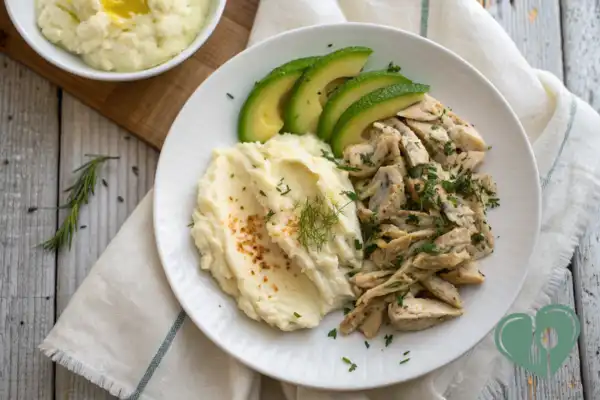
Understanding Complementary Nutrition for Low-Carb Meals
Balancing a low-carb plate isn’t just about removing bread or skipping pasta – it’s about engineering satisfaction. When you pair your crockpot meal with the right mix of protein, fiber, and fat, you’re not only managing blood sugar – you’re shaping how your body feels for hours after eating.
Let’s break that down.
- Protein is your anchor. It slows digestion and signals fullness, especially when eaten alongside fats.
- Healthy fats – think olive oil, avocado, or grass-fed butter – help stabilize glucose by delaying the release of sugar into the bloodstream.
- Fiber acts like a moderator, reducing the impact of carbs you do eat while improving gut health and satiety.
So, when your crockpot meal is a protein-heavy star (say, shredded chicken or beef stew), your sides should quietly balance the scene – a crisp, high-fiber slaw or a smooth cauliflower mash with olive oil. It’s this subtle coordination that transforms a “low-carb meal” into a truly metabolically balanced one.
What Makes a Side Truly “Low-Carb Balanced”?
The best low-carb sides work like nutritional stabilizers – they fill in what your main dish lacks without pushing your macros off balance.
Here’s what to look for:
- Net carbs under 8–10g per serving (fiber subtracts from total carbs)
- Moderate fat content (about a tablespoon of oil or avocado per serving)
- Non-starchy vegetables as the base – cauliflower, leafy greens, cabbage, or zucchini
- Optional protein boost like Greek yogurt dressing, nuts, or cheese
This approach does more than keep your glucose in check – it affects mood, focus, and even cravings. Meals that balance fiber and fat tend to reduce “rebound hunger,” which is why many people find low-carb eating easier over time when they think in pairs instead of single dishes.
FAQ: What’s the ideal macro ratio for low-carb crockpot meals?
For most low-carb lifestyles (including diabetic-friendly or moderate keto plans), the sweet spot is roughly:
- Protein: 25–35% of total calories
- Fat: 40–50% (favoring unsaturated fats)
- Net Carbs: 15–25% (mostly from fiber-rich veggies)
But here’s the key – don’t obsess over the math. Focus on how you feel two hours after eating. If your energy is even, hunger is mild, and your mind feels clear – your balance is probably spot on.
Best Cold Low-Carb Sides (Salads, Slaws & Fresh Mixes)
Here’s the thing – crockpot meals are comfort in a bowl. Soft, rich, slow, sometimes too much of a good thing. You ladle it out, inhale the steam, and think, it needs something fresh… something alive. That’s where cold sides save the day. They don’t compete – they wake up the meal.
Most people think “salad” and imagine a sad pile of lettuce but that’s not what we’re talking about here. These are the kinds of sides that crunch, snap and cool the palate. The kind that make a hot stew or pulled chicken taste somehow lighter, more complete. There’s no fancy formula – just smart, clean ingredients that make sense together.
Let me paint a few quick snapshots:
- Cucumber and Avocado Slaw: cool and a little buttery, like summer air on a hot dish.
- Broccoli Crunch Salad: the kind that pops between your teeth, with sunflower seeds and that creamy tang from Greek yogurt.
- Greek-Style Bowl: tomato, olive, feta – salty and bright enough to cut through slow-cooked beef.
- Simple Cabbage Slaw: vinegar and olive oil, nothing else. It’s not glamorous, but it makes pulled pork sing.
- Spinach with Bacon and Egg: warm dressing over greens, everything soft but still structured.
No counting carbs here. Just food that plays well with other food – low-carb by design, balanced by instinct.
Now, about keeping them fresh… you know how quickly greens go limp, right? The trick is to build in layers. Dressings last fine in a jar; greens don’t. Keep them separate. Add the soft stuff – avocado, egg, yogurt – at the very end. Vinegar-based sides? Those are your best friends. They taste better after a night in the fridge.
And if you’re wondering how long they last – three days for most, maybe four if you’re lucky and stored them right. But honestly? You’ll probably eat them before then.
FAQ: Do cold sides really make a difference with crockpot meals?
Yes – and not just for taste. They balance the meal both nutritionally and emotionally. The fiber slows glucose spikes; the freshness clears palate fatigue. But more than that, they keep low-carb eating from feeling repetitive – which, if you’ve ever dieted before, you know is half the battle.
Warm Low-Carb Sides (Mashed Cauliflower, Soups & More)
There are nights when the crockpot does the heavy lifting tender meat, a sauce that smells like comfort – but what you serve next to it decides how the meal feels. Warm sides matter. They’re the balance between hearty and heavy, the difference between “I’m satisfied” and “I overdid it.”
Low-carb doesn’t have to mean light in the wrong way. You can still have creamy, rich, cozy – just with ingredients that don’t hit your bloodstream like a sugar rush. Cauliflower, zucchini, mushrooms, even turnips – they all have that quiet flexibility, the ability to soak up flavor without stealing the spotlight.
I’ve learned one simple truth: it’s not about replacing carbs; it’s about replacing the feeling carbs give you. That sense of grounding. Of warmth. So here are a few sides that do exactly that – no pretending, no “fake” potatoes, just honest comfort done differently.
- Garlic Cauliflower Mash: Roast instead of boiling (trust me). It gets this nutty, almost toasted edge. Add butter and a little salt until it tastes like something you’d crave, not “settle for.”
- Roasted Zucchini or Turnips: High heat. Olive oil. Walk away for twenty minutes. The edges caramelize, and you forget they weren’t potatoes to begin with.
- Cheesy Cauli Rice: Quick sauté, just long enough to pick up flavor from butter or broth. Don’t chase perfection – stop when it smells right.
- Simple Mushroom Broth Soup: The kind that feels healing. Salt, thyme maybe a splash of cream. It’s less a side, more an act of slowing down.
- Green Beans with Almonds: Old-school, yes, but that crunch? It gives your plate texture – and it just works with anything from the crockpot.
Sometimes I think these sides matter more than the main dish. They’re the rhythm section steady, supportive, quietly making the whole thing come together.
If texture’s ever off, here’s the trick: moisture control. Roast instead of steam when you can. And don’t be shy with salt or fat – that’s what makes these sides taste like real food, not an imitation of it.
FAQ: Why do my low-carb sides sometimes taste bland or “flat”?
It’s almost always fat or salt. Without starch, flavors don’t cling the same way, so you need something to carry them. Butter, olive oil, cream, even a little cheese -that’s what rounds out the bite. Once you stop fearing the fat, low-carb cooking starts tasting like home again.
Snack Pairings (Buffalo Dip, Mini Meatballs & Crunchy Add-ons)
Here’s the truth – snacking is where the whole “low-carb” thing can quietly fall apart. You’re not planning to mess up; it just happens. You’ve done the meal prep, your crockpot’s working its slow magic, and then the afternoon hits. You’re hungry, tired maybe a little bored and the chips start whispering.
That’s why I stopped treating snacks as extras. They’re part of the plan now – small things that keep me steady instead of throwing me off.
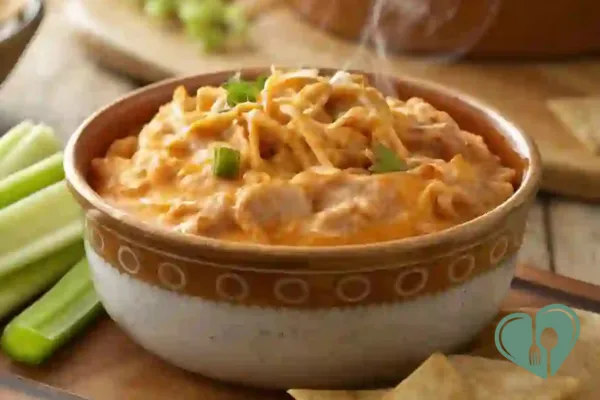
Take that Buffalo Chicken Crockpot Dip (with Greek Yogurt) I shared on the blog. It’s not fancy, but it hits every craving cue – creamy, spicy, rich. I keep a jar of it in the fridge most weeks. A few celery sticks or cucumber slices and suddenly the craving passes. It’s food with intention, not a random grab.
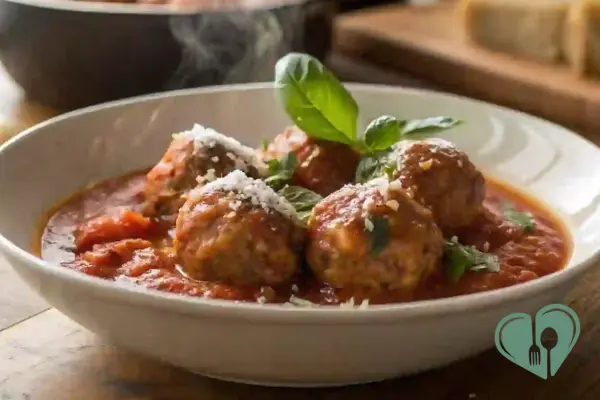
And those Turkey Meatballs in Tomato Sauce – honestly, they might be the best thing I’ve ever learned to make ahead. They’re perfect cold or hot. I’ll eat a couple mid-afternoon with a few olives or roll them in lettuce for a quick bite. They taste like comfort food, but they behave like fuel – steady, slow, reliable.
The rest? It depends on the week. Some days it’s hard-boiled eggs with salt and a swipe of avocado mayo. Other times, a handful of almonds or a small scoop of Greek yogurt with pumpkin seeds. It’s never about perfection; it’s about not leaving the door open for regret.
Low-carb balance isn’t really about willpower. It’s about setup – having things ready before you need them. When your fridge is full of little “yes” options the “no” choices stop being so tempting.
FAQ: How do you stop low-carb snacks from feeling boring?
Change the feel, not the food. Crunch one day, creamy the next. Heat something up. Chill something else. The goal isn’t new recipes – it’s new experiences. Once you start thinking of snacks as moments instead of macros, it gets easier.
How to Build a Balanced Plate
There’s this quiet kind of peace that comes when your plate just works – not because it’s perfect, but because it makes sense. The flavors play nice, the textures balance and afterward, you feel full but not weighed down. That’s the sweet spot for low-carb eating – especially when you’re working around crockpot meals that tend to be rich and slow.
A balanced plate isn’t about strict ratios; it’s more like instinct once you’ve done it a few times. Here’s how I think about it now:
- Half the plate is fiber and color – salads, roasted or raw veggies, slaws.
- A quarter is protein – your crockpot main: beef, chicken, turkey, pork.
- The last quarter is healthy fat – avocado, olive oil drizzle, nuts, or something creamy that gives the meal staying power.
That’s it. Simple. No measuring cups. No math. Just a quiet awareness of balance. When you get that right, you’ll notice it in the little ways – steadier mood, no crash an hour later, fewer random snack urges.
Example of a Low-Carb Balanced Crockpot Plate
- Main: Crockpot shredded chicken (or beef roast)
- Side: Mashed cauliflower with garlic butter
- Cold contrast: Avocado cucumber slaw
- Snack or topper: A few turkey meatballs or a scoop of Buffalo Dip for extra protein
It’s not a diet plate – it’s a real plate. It looks like dinner, smells like dinner, tastes like comfort. And it still keeps blood sugar steady and digestion calm.
Making Balance Easy to Repeat
Here’s what helps me keep that rhythm:
- Prep vegetables and sides together. If the crockpot’s on, chop tomorrow’s salad now.
- Use one flavor thread. If your main’s spicy, keep your sides cool. If your main’s creamy, add vinegar or lemon somewhere.
- Cook in twos. One hot side, one cold side – it keeps meals from feeling repetitive, even when the base protein’s the same.
Low-carb doesn’t have to feel like a puzzle. Once you see your plate as pieces that support each other, it turns into something you can build naturally – day after day, meal after meal, without burning out.
FAQ: How do I know if my plate is truly balanced?
The body tells you. If you feel clear-headed, satisfied, and don’t crave sweets right after eating – you nailed it. If you’re sluggish or hunting for something else ten minutes later, you probably need a little more fat or fiber. Balance isn’t a formula – it’s a feedback loop.
Conclusion: Finding Your Rhythm with Low-Carb Sides and Snacks for Crockpot Meals
There’s a quiet grace to slow cooking – that small act of faith that dinner will come together in its own time. Maybe that’s why crockpot meals pair so beautifully with the slower rhythm of low-carb living. Both ask you to pause, to trust the process a little.
Over time, you stop chasing “perfect balance” and start recognizing it – in the way your body feels steady after eating, in the calm that comes when food finally feels easy again. A cool slaw against a warm stew. A spoonful of Buffalo Dip, a few turkey meatballs, something simple beside something rich. That’s the real harmony – unforced, unmeasured, quietly right.
Because the best low-carb sides and snacks for crockpot meals aren’t about restraint; they’re about rhythm. The kind that hums gently through the evening comforting, grounded, real.
And maybe that’s all balance ever was.

Dreena shares balanced, diabetes-friendly recipes made for real life—simple, nourishing, and full of flavor. Her kitchen is where health meets heart.