
Why Label Reading Is Critical for Diabetics
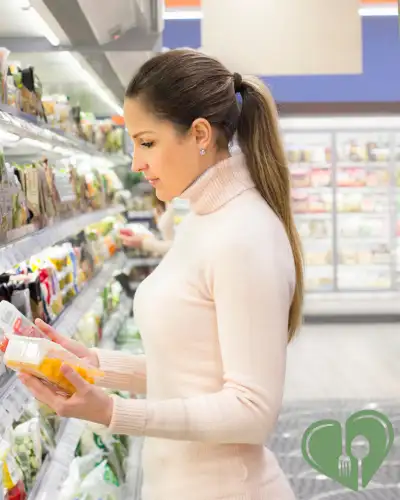
Let me just say it I used to fall for those labels on the front of packages. “Low-fat,” “natural,” “whole grain”… they had me thinking I was making a smart choice. Then I’d eat it, and my blood sugar would skyrocket. That’s when I realized those claims mean almost nothing if you don’t check what’s hiding on the back.
For diabetics, label reading isn’t some health-nut hobby. It’s how you stay one step ahead. The first few times, it feels like work. But once you catch on, it’s almost second nature. You see “organic cane syrup” or “fruit juice concentrate” in the first three ingredients, and suddenly, you realize the trick they’re using. That’s when I truly learned how to read food labels for diabetics ignoring the flashy claims on the front and focusing on the real story written on the back. Once you start doing that, you’ll never shop the same way again.
Hidden sugars and refined carbs in “healthy” foods
This part still annoys me: sugar rarely says, “Hey, I’m sugar.” It wears disguises. Agave nectar, maltodextrin, rice syrup all fancy names for something that will spike your glucose just the same. Even those “healthy” wraps or granola bars? They’re often refined carbs with a sprinkle of fiber to look good on paper.
Importance of portion size awareness for blood sugar control
And oh, portion sizes the sneakiest trick of all. You think you’re eating 18g of carbs because that’s what the label says, but surprise: that’s only for half the container. Who eats half a container of soup? Nobody. You finish it, and without realizing, you’ve doubled your carbs. That one small oversight? It can throw your whole day off.
FAQ: Why do even “healthy” products cause blood sugar spikes?
Because “healthy” doesn’t mean safe for your blood sugar. Companies swap fat for sugar, or load up on starches that digest just like sugar. Unless you read the full label, you won’t see it coming.
Key Nutrients to Check First
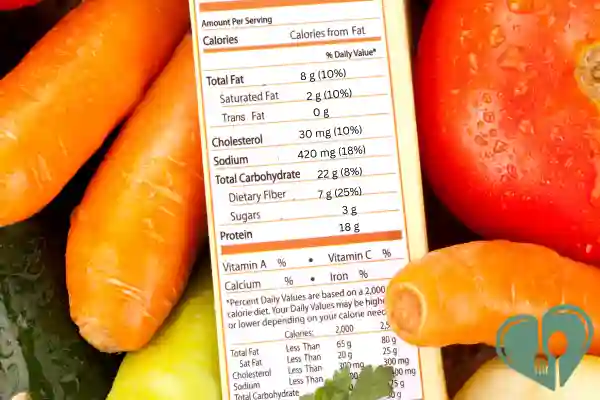
Forget the endless numbers on the back of the package. Most of it’s there to confuse you, or worse, make you think something’s healthy when it isn’t. If you’ve got diabetes, there are only a few things worth your attention and they tell you everything you need to know.
Total Carbohydrates & Net Carbs
Carbs rule the blood sugar game. That’s the first number to check. But here’s the trick: the “total carbs” line isn’t the whole story. It lumps in stuff like fiber and sugar alcohols, which don’t hit you as hard.
Quick math you should know by heart:
Net Carbs = Total Carbs – Fiber – Sugar Alcohols
That’s the real number you care about. If a lunch has sky-high net carbs, it’s not worth the spike.
Fiber Content
Fiber is your secret weapon. The more of it, the slower your glucose rises. If it’s low-say 1g or 2g-you’re basically dealing with fast carbs. But if it’s up in the 3–5g range or higher, that’s a win. When I’m choosing between two products, the one with more fiber usually wins, no contest.
Protein Content
Protein is what keeps you steady. No crash, no cravings an hour later. If the label barely shows any, skip it-it won’t hold you. Ten grams or more? That’s a solid choice.
Added Sugars & Hidden Sweeteners
This part really bothers me. Brands hide sugar under a dozen names: syrup, nectar, concentrate, maltodextrin anything to make it sound less like sugar. They’ll even throw in sugar alcohols and call it “low carb.” Some of those still bump glucose; some just wreck your stomach. Neither is great.
Sodium & Fat Quality
Don’t ignore these. Packaged lunches can be salt bombs, and that’s rough on your heart. Try to keep it under 600mg per serving if you can. As for fats real fats like olive oil or nuts are fine. The fake stuff trans fats, cheap oils toss it back on the shelf.
FAQ: What’s more important carbs or sugars on a label?
Always carbs. Sugar is just part of the story. Refined carbs like white flour turn into sugar in your body just as fast. Don’t just glance at the sugar line and think you’re safe look at the full carb load and the ingredients behind it.
Common Label Traps to Avoid
Doesn’t it seem like companies are playing tricks on you? Because that’s what it feels like. They know you’re trying to eat better, so they slap on a shiny label that says “light” or “whole grain” and hope you don’t bother flipping it over. Most people don’t. But if you’re diabetic, that’s a dangerous game.
But if you’re diabetic, that’s a dangerous game. You’ll also want to check out our guide on Common Lunch Mistakes That Spike Blood Sugar, because many of these traps show up right in your midday meals.
“Low-fat” items with added sugars
Here’s the deal: low-fat is code for “we took out the fat and dumped in sugar.” They’ll never say it, but it’s true. Those “light” yogurts and salad dressings? They taste sweet for a reason and it’s not because they’re good for you.
“Whole grain” products that are mostly refined flour
The words “whole grain” are practically meaningless if refined flour is the first ingredient. It’s marketing, nothing more. For truly healthy picks, see our list of Best Whole Grains for Blood Sugar-Friendly Lunches to know which grains actually keep your levels steady.
That bread or wrap digests fast, hits your blood sugar, and you’re hungry again before you know it. They got you.
Sauces, dressings, and soups with hidden carbs
These are the silent killers. You think it’s just a splash of sauce or a bowl of soup. Then you check the label boom, sugar, starch, thickeners everywhere. It’s not a side, it’s a carb bomb.
FAQ: Are all sugar-free items safe for diabetics?
Not a chance. “Sugar-free” is just another trick. They use sugar alcohols or artificial sweeteners, and some of those still raise your glucose or just wreck your stomach. You’ve got to test it yourself, not trust the label.
How to Compare Two Products Quickly
You’ve been there you’re standing in the aisle, two packages in hand, and both look “healthy.” One says “light,” the other says “whole grain,” and you’re thinking, Great, which one is lying less? Here’s how to cut through the BS in under a minute.
Use per-serving values, not per package
Companies love to play the serving size trick. They make it so small that the numbers look harmless. That snack bag? Says 12g carbs per serving, but it’s three servings total. You’re not eating a third you’re eating the whole bag. Always multiply the carbs by how much you’ll actually eat.
Check ingredient lists: the first 3 items tell the story
Ignore the front of the package. Flip it. The first three ingredients? That’s the real product. If sugar, refined flour, or corn syrup is right there in the top spots, you already have your answer don’t buy it.
Prefer products with short, real ingredients
When the ingredient list reads like a chemistry set, that’s a no. Short lists with stuff you recognize good sign. The longer the list, the more junk they’re hiding.
FAQ: How do you tell which product is better in seconds?
Honestly? I just look at three things. Carbs per serving (and how many servings I’ll actually eat), fiber content, and the first three ingredients. That’s it. If one product has fewer net carbs, more fiber, and no sugar hiding up front, that’s the one I throw in my cart. The rest is just noise.
Best Store-Bought Lunch Picks for Diabetics
Most of the “healthy” options? Lies. You buy them, you eat them, you regret it later when your blood sugar tells you the truth. After enough times getting burned, you figure out what’s safe and what’s just marketing fluff.
Low-sodium canned tuna + high-fiber crackers
Tuna is the safest bet out there. No carbs, straight protein, and zero surprises. Open it and eat. The crackers? That’s where they get tricky. If they don’t have decent fiber, they’re useless don’t bother.
Pre-washed salad kits (ditch the dressing)
The salad part is fine, it’s the dressing that’s the trap. Sugar, additives, junk you name it. Toss that packet. Use your own oil, vinegar, whatever you trust. Do that, and suddenly it’s a meal that actually works.
Ready-to-eat lentil soups under 40g net carbs
Lentils are one of the few carbs that play fair. High fiber, steady energy, no crazy spikes. Just make sure the soup stays under 40g net carbs. Anything higher and you’re asking for trouble.
FAQ: Can I rely on “diabetic-friendly” labels?
No. Those labels don’t mean a thing. Companies put it on whatever they want. Some are okay, but many are loaded with hidden carbs or sweeteners that mess you up. The label on the back is the only thing you can trust.
How to Read Food Labels for Diabetics
Here’s the thing about how to read food labels for diabetics: you only really get good at it after you’ve been burned a few times. You believe the “light,” the “healthy,” the “low-fat”… then your blood sugar tells you the truth. That’s when you start flipping packages over, looking at the numbers, and seeing through the nonsense.
It’s not about memorizing rules; it’s about noticing patterns. The front screams “good for you,” the back whispers the truth. Carbs, fiber, protein, those first three ingredients those are the only details that matter. Everything else is marketing fluff.
After a while, you don’t even think about it. You pick something up, you check it, and you know. You put it back or you throw it in the cart. No drama, no surprises, just control. And for anyone managing diabetes, that’s everything.

Sami Ahmed is a Diabetes Nutrition Coach at The Diabetic Recipes. He blends science with everyday cooking to create meals that stabilize blood sugar without sacrificing taste. Sami’s passion lies in helping people with diabetes enjoy food confidently — one balanced, flavorful recipe at a time.