

Plant-based proteins for diabetics it sounds like the kind of phrase you’d hear from a dietitian or read on the back of a wellness book. But for anyone living with diabetes, it’s not just dietary jargon. It’s survival strategy.
Maybe you’ve felt this: you’re trying to do the right thing skip the sugar, cut the white bread but meals still leave you either shaky or sluggish. What no one tells you is that some proteins, especially plant-based ones, can either calm that blood sugar rollercoaster or quietly nudge it in the wrong direction. And it’s not always obvious which is which.
This isn’t about perfection or plant-purity. It’s about making food choices that actually work in your real life, with your real schedule, and your real glucose meter. Because the right proteins? They don’t just fill you up. They stabilize. They support. They buy you a few extra hours of steady energy and if we’re being honest, a little peace of mind.
So let’s cut through the noise. Here’s what truly matters when it comes to plant-based proteins and blood sugar no gimmicks, no guilt. Just food that helps you feel better.
What Makes a Protein “Diabetic Friendly”?
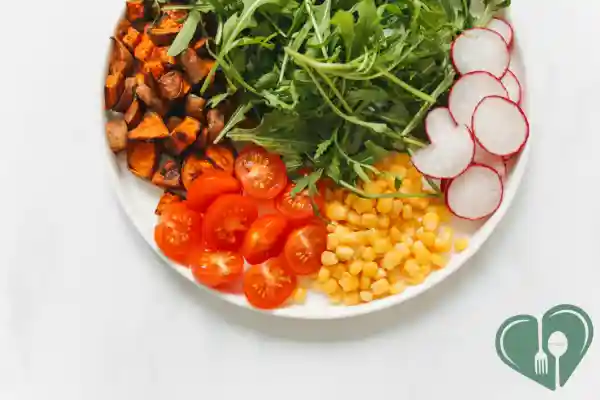
There’s a difference between eating for fullness and eating for blood sugar balance and that difference often comes down to the kind of protein on your plate. When you’re navigating diabetes, certain plant-based proteins do more than fill a macro quota. They slow digestion. They curb cravings. And in some cases, they’re the reason you don’t feel the need to snack two hours later.
Most of the time, it’s not one single factor that makes a protein “diabetic-friendly.” It’s the whole profile. Low net carbs. Enough fiber to make your gut work a little. Minimal interference from additives or sweeteners. And a digestion pace that doesn’t rush your glucose into chaos.
You’ll notice something else too: these proteins aren’t flashy. Lentils, tofu, seeds they’re steady. Understated. And when combined with healthy fats or leafy greens, they create a kind of nutritional calm. That’s not a technical term, but maybe it should be.
So while protein alone won’t fix blood sugar swings, the right kind used consistently and paired thoughtfully has a way of keeping things level. And some days, that level is exactly what you’re looking for.
Ranked Plant-Based Protein Sources for Diabetics
Not all plant proteins play the same role in blood sugar management. Some feel heavy but burn fast. Others digest more slowly and leave you feeling surprisingly balanced. A few are just easy to work into your routine without having to think too hard. Here are the ones that consistently show up well not just on paper, but in practice.
1. Lentils
There’s something dependable about lentils. They don’t pretend to be anything fancy, but they quietly get the job done about 18 grams of protein per cup, plus enough fiber to keep things moving slowly through your system. Especially the soluble kind, which seems to smooth out glucose release more than you’d expect. Toss them into a stew, layer into a warm salad they hold their own without demanding too much attention.
2. Chickpeas
Chickpeas are one of those foods that sneak up on you. You add them to a dish for texture, and suddenly they’re doing more than that. Around 15 grams of protein per cooked cup, a fairly gentle impact on blood sugar especially if you skip the overly processed versions. They show up best when they’re kept simple: roasted, tossed with olive oil and herbs, or blended into something savory. They’re not magic, but they’re steady.
6. Nuts and Seeds
They’re small, yes, and not protein-packed in the way beans or tofu are but almonds, chia, hemp? They bring more to the table than most people give them credit for. A good mix of plant-based protein, fats that slow digestion, and fiber that lingers. The tricky part is portioning. It’s easy to go from “just a sprinkle” to a few hundred calories if you’re distracted. Still, in the right amounts, they round out a meal beautifully.

How These Proteins Affect Blood Sugar
What these plant-based proteins do best is slow things down. Instead of rushing glucose into your system, they ease it in which makes a big difference if you’re trying to avoid sudden spikes.
Lentils, tofu, chickpeas… they’re steady. Some have fiber, others are just slow to digest. Either way, meals feel more balanced less of that crash an hour later. You might not notice it right away, but over time, your numbers reflect it.
It’s not a fix-all. But it helps and that’s worth something.

Simple Recipes Using Plant-Based Proteins
You don’t need to overthink it. The best meals for blood sugar are usually the simplest a handful of solid ingredients, cooked in a way that makes sense for your day.
Lentil chili with tomatoes and bell peppers
It’s warm, filling, and doesn’t spike anything. A go-to when you want something steady and a little comforting.

Tofu stir-fry with broccoli and peanut sauce
Protein, fiber, and fat all in one pan. Quick enough for a weeknight, and way more stable than takeout.

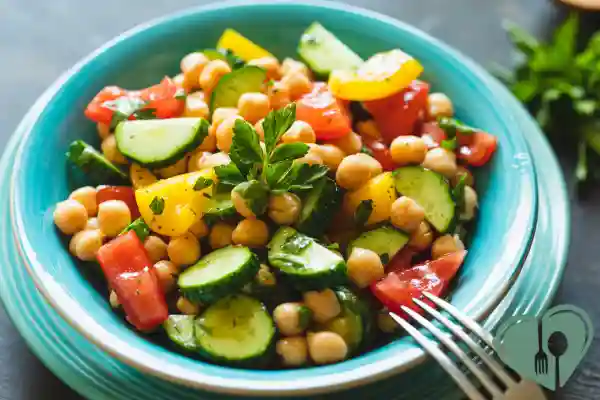
Chickpea salad with lemon, olive oil, and cucumber
Light but grounding. Perfect when you don’t want to cook but still need something that won’t mess with your numbers.
Tempeh tacos with cabbage slaw
No tortillas needed lettuce or red cabbage wraps keep it crisp without the carb load.

These meals don’t chase trends. They just work for blood sugar, for hunger, and for real life.
If you’re looking for more options, check out our collection of Vegetarian and Plant-Based Recipes for Diabetic Dinners.
Pairing Protein with Healthy Fats and Fiber
Protein’s helpful no question there but it doesn’t act alone. If you’re aiming for steadier blood sugar, what you eat with it matters just as much. A plate with just tofu or chickpeas can only go so far. Add a little fat and fiber? The whole thing changes.
Avocado, nuts, olive oil those fats slow digestion. They don’t spike anything, and they help your body absorb nutrients more gradually. You’re not just full longer you’re more even.
Then there’s fiber. Not the kind from supplements, but the real stuff: kale, cabbage, broccoli. It doesn’t just help with blood sugar it makes the rest of the meal feel more complete. You’re not as likely to reach for something sweet afterward.
One simple example: grilled tempeh with quinoa, a bunch of steamed greens, and tahini. It’s not fancy. But it’s steady and that’s the point.
FAQs
Is soy bad for people with diabetes?
Honestly, no not in the way people sometimes assume. Tofu, tempeh, edamame… they’re all low-carb, decent protein sources, and pretty gentle on blood sugar. You just want to keep an eye out for the packaged stuff with additives. Whole soy? For most folks, it’s not a problem.
Can you really hit your protein needs without eating meat?
Yeah, but let’s not pretend it happens by accident. You’ve got to think a little about what you’re putting together. Some lentils here, tofu or seeds there it adds up. After a week or two, it becomes second nature. Doesn’t mean it’s effortless. Just doable.
Do plant proteins spike blood sugar?
Not the ones in their natural form. Lentils, tofu, chickpeas they digest slow, especially when you’re not drowning them in sauces or pairing them with refined carbs. It’s more about the whole meal than the protein itself. That’s where most of the surprise glucose jumps sneak in.
Thinking of going fully vegetarian with diabetes?
Plant-based proteins are just one part of the puzzle. If you’re curious about the bigger picture from meal structure to missing nutrients check out our full guide: Can Diabetics Thrive on a Vegetarian Diet?
Plant-based proteins for diabetics aren’t just…
about nutrition labels they’re about daily life. What leaves you foggy after breakfast. What actually holds you over till dinner. And more than anything, what keeps your blood sugar from feeling like a guessing game.
There’s no shortage of advice out there, but let’s be honest: it can get overwhelming. Some proteins help. Others claim they do, but don’t. And most of the time, what matters isn’t just the food itself it’s how it shows up on your plate, and how your body reacts afterward.
This guide doesn’t promise perfection. Just clarity. A closer look at the plant-based proteins that truly support blood sugar stability and how to use them in ways that make sense for real people, living real days.

Sami Ahmed is a Diabetes Nutrition Coach at The Diabetic Recipes. He blends science with everyday cooking to create meals that stabilize blood sugar without sacrificing taste. Sami’s passion lies in helping people with diabetes enjoy food confidently — one balanced, flavorful recipe at a time.