
Let’s be honest few things are more deflating than lifting the lid on your slow cooker after eight hours only to find your once-promising dinner has turned into a beige, watery mystery. Maybe the chicken’s stringy, the carrots collapsed or the sauce tastes… like it’s been asleep all day. If that sounds familiar, you’re exactly who this guide is for.
Troubleshooting slow cooker meals isn’t just about fixing mushy veggies or rescuing overdone meat – it’s about understanding why it happens in the first place. The good news? These mistakes are fixable, and most of them come down to timing, layering, and a few chemistry lessons the recipe cards don’t tell you.
Over the next few minutes, we’ll walk through the most common crockpot culprits – texture issues, fat-to-liquid balance, layering order, and flavor fatigue – and learn how to build slow-cooked dishes that are tender, deeply flavored, and still diabetic-friendly (yes, high protein and low carb can absolutely coexist here). By the end, you’ll not only know how to correct your next stroganoff or Thai curry – you’ll know how to prevent the problem before it ever hits the pot.
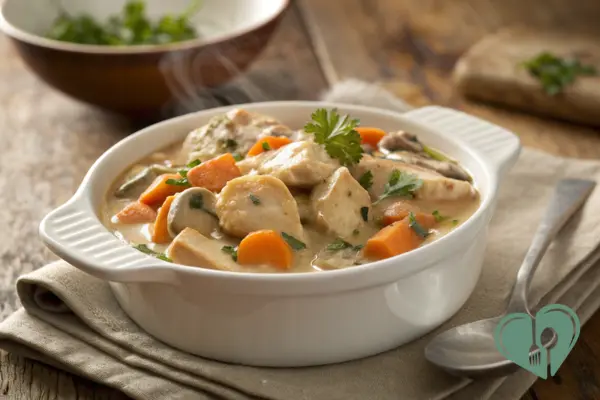
Common Texture Issues & Fixes
You know that moment when you lift the lid, expecting a cozy stew… And instead you find a pot of soggy veggies floating in beige broth? Yeah we’ve all been there. Texture is the trickiest part of slow cooking – because once something’s overdone in a crockpot, there’s no going back. But the good news is, every mushy carrot and dry chicken breast has a cause and a fix.
The Great Veggie Meltdown
Here’s the thing: not all vegetables play by the same rules. Zucchini, peppers and broccoli cook lightning fast, while potatoes or carrots take hours. Dumping them all in together is basically an invitation to vegetable mush.
The fix:
- Add quick-cooking veggies in the last 30–45 minutes.
- Cut sturdy roots (like carrots or parsnips) into big chunks.
- Avoid frozen vegetables unless they’re added right at the end they break down even faster.
- For greens like spinach or kale, toss them in during the last 10 minutes to preserve color and bite.
Once you start timing vegetables by density rather than recipe steps everything changes.
The Case of the Dry Meat
If your chicken breast tastes more like jerky than dinner, it’s not that you overcooked it – it’s that you picked the wrong cut for the long game. Lean proteins lack the collagen that keeps meat tender during long, moist heat. That’s why your chuck roast falls apart perfectly after eight hours but your pork tenderloin doesn’t.
Quick guidelines:
- Use chicken thighs, chuck roast, or pork shoulder for long, slow cooks.
- For lean cuts (chicken breast, pork loin) keep cook time under 4 hours on Low.
- Don’t lift the lid unless absolutely necessary – each peek can add up to 20 minutes of lost heat recovery.
- And if you’ve already gone too far, stir in a bit of broth, coconut milk or yogurt at the end. It’s a small rescue but it works.
Quick Reference: Problem → Cause → Fix
| Problem | Likely Cause | What to Do |
|---|---|---|
| Mushy vegetables | Added too early / too small | Add later or cut larger |
| Watery sauce | Excess liquid or condensation | Crack lid last 30 min |
| Dry chicken | Lean meat + long cook | Switch to thighs / shorten time |
| Chewy beef | Not cooked long enough | Keep on Low another hour |
| Flat flavor | No acid or fresh herbs | Add lemon, vinegar, or parsley before serving |
FAQ: Can I Save an Overcooked Slow Cooker Dish?
Usually yes – though it may not look pretty. Add acid (vinegar, lemon, or even a splash of pickle juice) to wake up dull flavors. Mix in something creamy like sour cream or Greek yogurt to smooth dryness. Or embrace reinvention: shred that overcooked beef and call it taco night. No one needs to know it wasn’t the plan.
The Role of Fat & Liquid Ratios
If you’ve ever pulled the lid off your slow cooker and wondered why your “creamy” stew looks like thin soup, you’ve met the most misunderstood part of crockpot cooking: the fat and liquid ratio. It’s not just about how much liquid you pour in – it’s about how that liquid behaves over hours of low, steady heat.
Why Too Much Liquid Ruins Texture
Unlike stovetop cooking, where steam escapes freely a slow cooker traps moisture. That means almost no evaporation happens – which is great for tenderness but terrible for consistency if you start with too much broth or water. Even a “normal” amount can leave you with a watery result.
Quick Fixes:
- Use ½ to ¾ the liquid a stovetop recipe calls for.
- If using fatty meats or juicy veggies (like mushrooms or tomatoes), cut back even more.
- For soups, it’s fine to start loose – but for stews or curries, aim for a sauce that looks slightly thicker than you think it should be.
Here’s a mental trick: imagine how much condensation you’ll get. If it’s a full pot of ingredients, that trapped moisture becomes part of your final broth whether you want it or not.
Fat: The Unsung Hero of Flavor (and Texture)
Here’s where things get interesting – especially for low-carb or diabetic-friendly cooking. Fat doesn’t just make food taste good; it actually carries flavor molecules and smooths texture. Without enough, your dish can taste thin or “flat,” no matter how much spice you add.
How to Get It Right:
- Use natural fats strategically: olive oil, coconut milk, or butter for creaminess without starch.
- Balance lean meats: If you’re using chicken breast or turkey add a small amount of healthy fat elsewhere – avocado oil or a spoonful of cream cheese works wonders.
- Don’t fear separation: A little fat rising to the surface is normal; it’s a sign of richness, not a mistake.
How to Thicken Without Flour or Starch
If you’re keeping things low-carb skip the cornstarch and try these instead:
- Xanthan gum: Just ¼ teaspoon can thicken an entire pot.
- Cream cheese or Greek yogurt: Stir in near the end for instant body.
- Vegetable purée: Blend some of the cooked vegetables and mix them back in. Instant texture upgrade – and more fiber.
- Coconut cream: Especially great for curries; thickens and adds a subtle sweetness.
Quick Reference: Fat & Liquid Balance
| Issue | Likely Cause | What to Do |
|---|---|---|
| Watery sauce | Too much liquid / no evaporation | Reduce liquid by 25–50% |
| Flat taste | Too little fat or acid | Add butter, olive oil, or lemon |
| Oily layer | Excess fat / no thickener | Stir in purée or Greek yogurt |
| Gritty texture | Dairy added too early | Add creams or yogurt near the end |
FAQ: Why Does My Slow Cooker Food Taste “Bland”?
It’s often not the spices it’s the fat balance. Fats dissolve and distribute flavor compounds that water can’t. If your dish tastes one-dimensional, add a small knob of butter or drizzle of olive oil at the end. It’s like hitting the “refresh” button on flavor.
Layering Order: Protein → Veg → Sauce
If your slow cooker meals keep turning out uneven – with dry meat on top and soggy veggies at the bottom – your problem probably isn’t timing at all. It’s layering. Slow cookers heat from the bottom and sides , so ingredient placement determines how much direct heat and moisture each layer gets. Once you understand that your results go from random to reliable.
The Logic Behind the Order
Think of your crockpot like a slow-moving campfire: heat rises, and everything near the source cooks first. That means whatever’s on the bottom gets the most heat, while the top layers steam gently in trapped moisture.
The ideal order (bottom to top):
- Protein – closest to the heat so it cooks through safely.
- Dense vegetables – carrots, potatoes, turnips – these can handle the heat.
- Lighter vegetables – peppers, zucchini, onions – these need gentler steam.
- Sauce or liquid – poured over the top to distribute flavor evenly.
That top layer of sauce isn’t just seasoning – it’s a temperature buffer. It prevents the upper ingredients from drying out while letting everything absorb flavor evenly over time.
When Layering Goes Wrong
If you’ve ever had a dish where the meat’s dry but the vegetables are still crunchy, that’s usually because they were flipped. Putting the meat on top means it steams instead of braises, leaving it rubbery and undercooked. Meanwhile, veggies under it drown in juices and lose structure.
Fix: Always anchor proteins near the heat, and if your recipe includes delicate ingredients (like peas or spinach), don’t add them until the very end – just before serving.
Does It Really Matter Where I Put the Meat?
Yes, surprisingly. A small shift in layering can change the entire dish’s outcome. For example:
- In a beef stew, bottom-layer beef means tender meat and rich sauce.
- In a chicken curry, meat in the middle layer helps prevent overcooking while the sauce above keeps moisture locked in.
- For ribs or pulled pork, meat on the bottom develops deeper flavor – those brown bits at the edge are pure gold.
Quick Reference: Layering Cheat Sheet
| Layer | What Goes Here | Why It Matters |
|---|---|---|
| Bottom | Protein (beef, chicken, pork) | Closest to heat – ensures safe cooking |
| Middle | Root veggies | Handle heat well and add body |
| Top | Delicate veggies + sauce | Steam gently, stay intact, absorb flavor |
FAQ: Can I Just Stir Everything Together?
Technically, yes – but you’ll trade control for convenience. Stirred mixtures cook less evenly, especially in thicker stews. If you’re in a rush, fine – but expect a softer texture and less distinction between layers. If you’re aiming for restaurant-level slow cooker balance? Layering isn’t optional; it’s your quiet superpower.
Flavor Enhancement: Herbs, Acids & Umami
Let’s get real – the biggest betrayal in slow cooking isn’t dry chicken. It’s blandness. You followed the recipe, added the garlic and herbs, but somewhere between hour five and hour eight, all the flavor just… vanished. That’s not your imagination – it’s evaporation of aroma compounds, and slow cookers are notorious for muting them. But there’s a fix: timing, layering, and a few bold tricks.
Why Slow Cooking Mutes Flavor
Long, moist heat breaks down fibers and tenderizes food – but it also dulls bright flavors. Acids fade, fresh herbs lose their punch, and even salt disperses unevenly over time. It’s why your dish smells incredible at noon and tastes “meh” by dinner.
So instead of seasoning once at the start season in stages:
- Salt lightly early to build depth.
- Add a second wave of spices halfway through.
- Finish with something fresh or acidic at the end, lemon juice vinegar or a sprinkle of chopped herbs.
This staggered seasoning wakes up your dish right before serving – kind of like adding fresh batteries to flavor that’s been simmering all day.
The Power of Acids
Acid is the forgotten seasoning. A splash of lemon or vinegar can transform a heavy one-note dish into something balanced and bright. It doesn’t make food “sour” – it makes other flavors pop.
Try this:
- A teaspoon of apple cider vinegar in beef stew cuts through richness.
- A squeeze of lime at the end of Thai curry brings it to life.
- A few drops of balsamic deepen tomato-based sauces.
When cooking low-carb or diabetic-friendly meals acid also compensates for the lack of sugar by restoring that missing sparkle on your palate.
Building Umami (Depth Without Sugar)
If acid gives food brightness, umami gives it soul. It’s that savory backbone that makes a dish taste slow-cooked and comforting even before you add salt.
Low-carb-friendly umami boosters:
- Tomato paste (a tablespoon goes a long way)
- Soy sauce or tamari for gluten-free depth
- Miso paste – adds subtle saltiness and creaminess
- Mushrooms – dried or sautéed before adding
- Parmesan rind – drop it in while cooking; remove before serving
These ingredients melt into the sauce, creating layers of flavor that feel complex – the opposite of “flat.”
Quick Reference: Flavor Fix Matrix
| Problem | Missing Element | Easy Fix |
|---|---|---|
| Bland, one-note | Acid | Add vinegar, citrus, or tomato paste |
| Heavy or greasy | Fresh herbs | Stir in parsley, cilantro, or basil at the end |
| “Missing something” taste | Umami | Soy, miso, mushrooms, or Worcestershire |
| Over-salted | Sweet acid | Add splash of lemon or vinegar + unsweetened cream |
FAQ: When Should I Add Fresh Herbs in a Slow Cooker?
Almost always at the end. Long cooking destroys volatile oils that give herbs their aroma. Add woody herbs (like thyme, rosemary or bay leaves) early – they can handle the heat. But tender herbs like basil, parsley, and cilantro should go in during the final 10–15 minutes for maximum flavor payoff.
Example Fixes: Stroganoff & Thai Curry
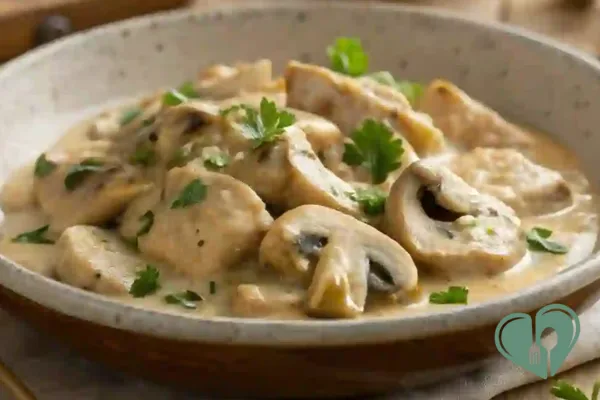
The theory’s great – but what does “better layering” or “balanced fat ratio” actually look like in real life? Let’s break down two classic slow-cooker dishes that love to misbehave: Mushroom & Chicken Stroganoff “see the full recipe here.” and Thai Coconut Chicken Curry. “full low-carb version her“
Mushroom & Chicken Stroganoff (Low-Carb Version)
This dish is a texture trap. If you toss everything in at once – chicken, mushrooms, broth, and cream – you’ll likely end up with a thin, grey sauce and dry chicken. Why? Because dairy and mushrooms both release moisture early on, which dilutes the sauce and overcooks the meat.
How to fix it:
- Step 1: Sauté the mushrooms before adding them. This cooks off excess water and deepens umami.
- Step 2: Layer chicken on the bottom sauce over top – not the other way around.
- Step 3: Stir in sour cream or cream cheese after cooking not before. Dairy splits under long heat, so add it when the pot is turned off.
This one shift – finishing the sauce at the end – turns a “soupy” Stroganoff into a velvety one.
(If you want the full version, check out your “Mushroom & Chicken Stroganoff (Low-Carb Version)” post for step-by-step ratios.)
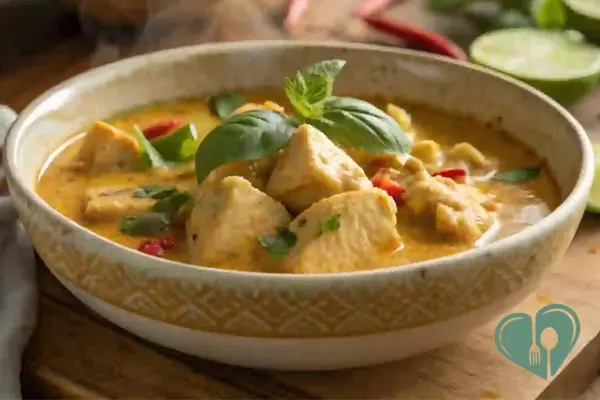
Low-Carb Thai Coconut Chicken Curry
Thai curry seems foolproof, yet so many versions turn out watery and under-seasoned. The main culprits? Too much coconut milk early on and weak layering.
Fix it like this:
- Build flavor early: Sauté curry paste in a bit of oil before adding liquid – that heat activates the aromatics.
- Layer smart: Chicken first, then veggies, then sauce. Add soft vegetables (like bell peppers or zucchini) in the last 30 minutes so they stay bright and crisp.
- Control your liquid: Use only enough coconut milk to barely cover the solids. You can always add more later.
- Brighten at the end: Finish with lime juice and fresh basil, it cuts through the richness and wakes up every flavor.
That balance of fat, acid, and layering is exactly what gives Thai curry its “lift” – rich yet never heavy.
(For the full recipe, readers can revisit your “Low-Carb Thai Coconut Chicken Curry” post for exact measurements.)
Takeaway: Practice Makes Predictable
Once you see the patterns – heat flow, fat balance, timing – every slow-cooker meal becomes a controlled experiment, not a gamble. These same principles apply to any recipe: build layers, finish with acid, and never trust the “dump and go” myth again. Your crockpot will finally start cooking like you do – with intention.
Safety: Undercooking Risks & Food Temps
Here’s something most of us don’t think about: just because your slow cooker’s been humming along all day doesn’t guarantee your food’s safe. Surprised? You’re not alone. “Low and slow” sounds foolproof – until you realize some slow cookers never get quite hot enough, especially when packed full of cold meat and veggies. The result? Food that’s tender on the outside but not quite done in the middle.
Why “Low” Isn’t Always Safe
Every slow cooker brand runs a little differently. Some reach safe temps quickly others take hours to climb above 165°F (74°C) – the magic number where bacteria like Salmonella and E. coli finally tap out. If your model runs cooler, or you’re cooking a big roast straight from the fridge, the center can linger too long in what the USDA calls the “danger zone” (40°F–140°F).
Easy fix:
- Start on High for the first hour, then switch to Low once things are safely heated.
- Always thaw meat before it hits the pot – frozen food slows everything down.
- Don’t overload; fill your slow cooker no more than three-quarters full so heat can circulate.
It’s a little thing, but it turns “probably fine” into definitely safe.
Checking Temperatures (Without Guesswork)
You don’t need fancy gear – just a simple instant-read thermometer. Check the thickest part of your protein before you serve:
- Chicken: 165°F (74°C)
- Beef or pork: 145°F (63°C) and let it rest 3 minutes
- Ground meats: 160°F (71°C)
- Soups and stews: 165°F (74°C) throughout
If you’re ever unsure, stir, wait a minute and check again – temperature evens out fast once mixed.
Quick Reference: Safe Cooking Temps
| Ingredient | Safe Internal Temp | Pro Tip |
|---|---|---|
| Chicken or turkey | 165°F / 74°C | Check thickest part – no pink |
| Beef, pork, lamb (roast/steak) | 145°F / 63°C + 3 min rest | Resting finishes the job |
| Ground meats | 160°F / 71°C | Stir halfway through cooking |
| Soups & stews | 165°F / 74°C | Stir before testing temp |
FAQ: Is It Safe to Leave My Slow Cooker On Overnight?
Usually, yes – as long as you’ve started hot and kept the lid on. Today’s slow cookers are designed for long hauls, but a few common-sense rules go a long way:
- Keep it on a heatproof surface and away from walls.
- Don’t use damaged cords or cracked inserts.
- Let it automatically shift to “Warm” (about 165°F) after cooking – that’s the safe holding zone.
If you’re leaving it overnight, it should smell like comfort food when you wake up – not a science experiment.
Conclusion: Mastering Troubleshooting Slow Cooker Meals
The truth about slow cooking? It’s not “set it and forget it” – it’s learn it and trust it. Once you understand the small levers – fat ratios, layering order, timing, and acidity – troubleshooting slow cooker meals stops feeling like trial and error. It starts feeling like control.
You’ve now got the map:
- Use less liquid than you think.
- Let fat and acid carry flavor.
- Add vegetables late, and patience early.
Whether you’re fixing a watery Stroganoff or rebalancing a Thai curry, you’re not guessing anymore – you’re adjusting with intention.
And for anyone balancing low-carb or diabetic-friendly goals, this is the sweet spot (no pun intended). Richness from fat depth from umami, and brightness from acid replace what sugar used to do – creating food that feels both comforting and smart.
So next time you lift that lid, do it with quiet confidence. You’re not just cooking dinner you’re mastering an art most people rush past. The slow cooker didn’t change – you did.

Sami Ahmed is a Diabetes Nutrition Coach at The Diabetic Recipes. He blends science with everyday cooking to create meals that stabilize blood sugar without sacrificing taste. Sami’s passion lies in helping people with diabetes enjoy food confidently — one balanced, flavorful recipe at a time.