
If you’ve ever stood in the kitchen wondering what’s left to eat after your doctor says “watch your kidneys and your blood sugar,” you’re not alone. Finding kidney-friendly low-carb crockpot meals that actually taste good can feel like solving a puzzle where half the pieces are missing. Too much protein, too much sodium, too many carbs – it’s like every comfort food comes with a caution label.
But maybe the answer isn’t about giving up what you love. Maybe it’s about slowing things down – literally. A crockpot gives you time and gentleness. It coaxes flavor out of herbs, veggies, and lean proteins without needing salt or butter to do the heavy lifting. And that slow simmering? It’s forgiving, just like this whole process should be.
I won’t pretend it’s easy. Balancing kidney health, diabetes, and taste takes patience – the kind that builds over hours, much like the meals you’ll cook here. Yet once you learn how sodium and protein really work inside your body, and how to use bright flavors like lemon, garlic, and herbs to replace salt’s punch, things start to click. You stop cooking from restriction – and start cooking from understanding.
By the time we’re done, you’ll have recipes like Creamy Spinach Chicken Soup and Mediterranean Fish Stew that don’t just “fit your diet” – they’ll make you look forward to mealtime again. Because kidney care shouldn’t mean flavorless food. It should mean eating in a way that lets you feel strong, safe, and satisfied – one slow-cooked bite at a time.
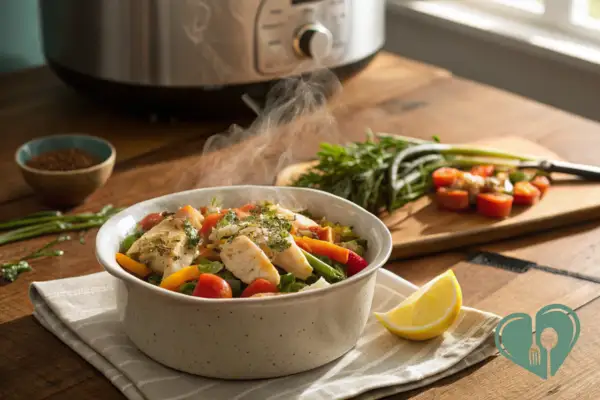
Sodium & Protein Balance for Kidney Function
If you’ve ever stared at a nutrition label and sighed, you know how relentless sodium can be. It’s everywhere – in canned soups, rotisserie chicken, even “healthy” sauces. For anyone balancing kidney health and diabetes, sodium isn’t just a seasoning issue; it’s a stress test for your kidneys every single day. The less they have to filter, the more they can breathe – and yes, your kidneys deserve that kind of relief.
But sodium is only half the story. Protein can be both a friend and a quiet troublemaker. Your body needs it to keep blood sugar steady and muscles strong – but when there’s too much, your kidneys take on extra work clearing the byproducts. The trick isn’t to eliminate protein, but to respect it – measure it, space it out, and choose types that go easy on your system.
And here’s where the crockpot quietly becomes your best friend. Because slow cooking transforms even a small portion of lean chicken or fish into something rich and filling, without the need for heavy seasoning or large amounts of meat. It’s proof that moderation doesn’t have to feel like deprivation.
The “Gentle Protein” Mindset
You don’t need a nutrition degree to get this right. Think one palm-sized serving of lean protein per meal – that’s about three ounces cooked. Chicken breast, tilapia, turkey, or tofu all work beautifully. When they simmer for hours in a crockpot with garlic, onions, and herbs, they release flavor that carries through the whole dish. You end up with something comforting, balanced, and kind to your kidneys.
Salt Isn’t the Enemy – It’s the Volume Knob
Let’s clear this up: you don’t have to swear off salt forever. Total restriction can make food dull and, honestly, make you give up. The real goal is control. Turn the volume down, not off. Use unsalted broths or homemade vegetable stocks as your base, then add lemon juice, vinegar, or herbs at the end to wake everything up. The slow cooker helps too – as flavors condense over time, you’ll find you need less seasoning than you thought.
FAQ: Can I Still Use Broth or Bouillon in Crockpot Meals?
Absolutely – just choose smartly. Go for no-salt-added or low-sodium broths and skip traditional bouillon cubes unless they’re labeled sodium-free. If you miss that savory “kick” try adding a dash of smoked paprika or a teaspoon of nutritional yeast instead. Both add warmth and umami depth – without asking your kidneys to work overtime.
Smart Seasoning Alternatives for Low-Sodium Cooking
Cutting back on salt sounds simple – until you actually do it. Suddenly everything tastes… muted. It’s strange, isn’t it? You realize how much salt quietly carried every meal. The trick, though, isn’t to replace it – it’s to rebuild around it. Once you start finding flavor in other places – herbs, acids, slow caramelized veggies – the food begins to make sense again. You stop missing what’s gone.
If you want more ideas for flavor without sodium, the Queensland Health blog shares 7 alternatives to salt to make food taste great. These simple swaps can help you bring flavor back without stressing your kidneys.
Flavor isn’t one note; it’s contrast. Salt just used to create that contrast for you. Without it, you have to let other ingredients do the talking – and the crockpot, surprisingly, makes a great translator. That long, steady heat teases out the sweetness in onions, deepens garlic, softens herbs until they almost hum. It’s quiet cooking – the kind that rewards patience.
Finding Balance in Brightness and Bitterness
There’s a rhythm to low-sodium cooking that you only learn by tasting. A splash of lemon at the end does what a pinch of salt used to do – it wakes the whole dish up. A spoonful of apple cider vinegar in soup, or a touch of yogurt stirred into sauce, adds that “lift” your tongue keeps asking for.
Try this for balance: bitter greens like kale or mustard greens bring a subtle bite that completes a dish in the same way salt used to. Basil with tomato, dill with fish – these aren’t just flavor pairings; they’re chemistry lessons written in your kitchen.
If you need a starting map:
- Citrus (lemon, lime, orange zest) – adds light, sharp edges to slow-cooked stews
- Vinegars (apple cider, balsamic, rice) – tang, depth, little whispers of acidity
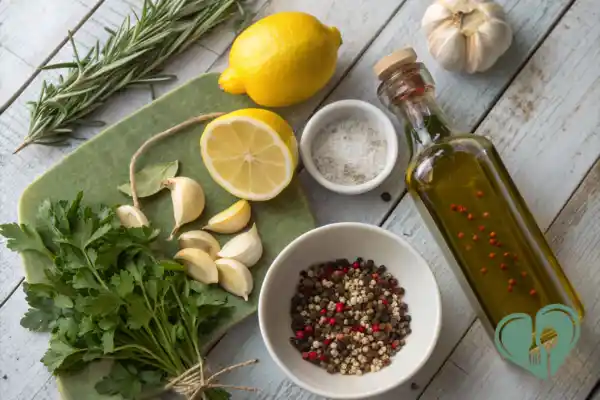
- Herbs (rosemary, thyme, parsley, dill, cilantro) – don’t sprinkle; build them in layers
- Spices (smoked paprika, cumin, coriander) – warmth that lingers without overpowering
- Aromatics (onion, garlic, ginger) – the soul of flavor; they deserve time and low heat
The Art of Timing in a Crockpot
Timing matters more than people think. Toss in sturdy herbs rosemary, thyme, bay leaf – early; they’ll stand up to the long simmer. Softer herbs? Save those for the final few minutes when the lid comes off. That last hit of freshness is like turning the lights on in a room you didn’t realize was dim. And don’t underestimate what a drizzle of olive oil or squeeze of lemon does right before serving. It makes the dish feel… finished.
FAQ: What Can I Use Instead of Salt to Flavor Soups?
Start with your base – onions, garlic, celery – and take your time with them. Let them brown a little. That’s where the depth lives. Then, when the soup’s done, stir in something bright: lemon juice, vinegar, even a bit of low-sodium soy or tamari. If you’re craving creaminess, puree a few white beans or stir in plain Greek yogurt. You’ll get body, smoothness, and comfort – none of which depend on sodium to taste complete.
Recommended Crockpot Recipes
Cooking this way doesn’t always feel inspiring. Some nights it’s just you, a list of “can’ts,” and a slow cooker that hums in the background like it knows you’re tired. But every so often, something clicks – a meal that feels like comfort without consequence. These two are that for me. They remind me that food can still feel generous, even when the rules are tight.
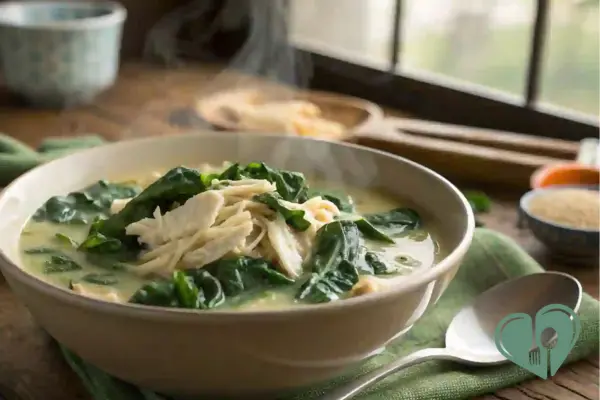
Creamy Spinach Chicken Soup (Low Carb, Low Sodium)
This one came from boredom and a bit of defiance. I missed creamy things. The kind that coat the spoon and make you exhale after the first bite. The trick ended up being cauliflower not as a side but as the base. After hours in the crockpot, it softens and blends into something close to silk. add a spoonful of Greek yogurt near the end and suddenly it feels indulgent.
The spinach adds this earthy note – not bitterness exactly more like balance. It cuts through the creaminess just enough. I finish it with a squeeze of lemon sometimes, mostly out of habit but it wakes everything up. It’s not diet food. It’s just food that happens to leave you feeling good afterward.
If I’m honest, the smell while it cooks is half the comfort. It fills the kitchen, and for a few hours, you stop thinking about sodium numbers.
Crockpot Fish Stew with Vegetables
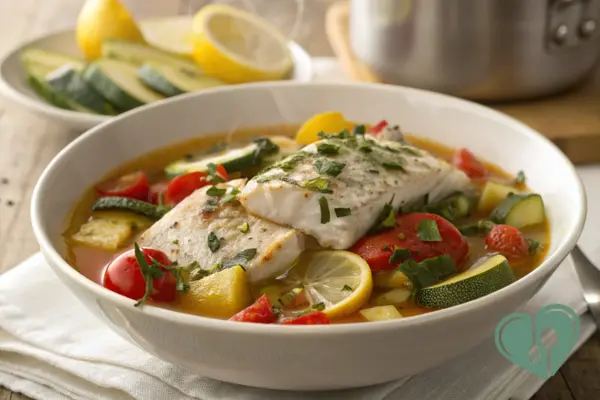
Fish felt risky the first time I tried it in a slow cooker. I expected mush. But low and slow has this way of coaxing gentleness out of ingredients – the fish doesn’t fall apart; it settles in. I layer onions, tomatoes, and whatever veggies are left in the fridge – zucchini, bell peppers, even a few carrot slices. A drizzle of olive oil maybe a bay leaf. That’s it.
By the time it’s ready, the broth is golden and fragrant, the vegetables sweetened by patience. I don’t measure much anymore I just taste. Sometimes I’ll add a bit of smoked paprika or a squeeze of lemon, sometimes nothing. It doesn’t need help.
It’s the kind of meal you eat slowly, spoon by spoon and halfway through you realize your body feels lighter than it used to after dinner. That’s the quiet victory of kidney-friendly food – it doesn’t fight you.
FAQ: Can I Make These Recipes Ahead and Freeze Them?
Yes, but with care. Let the soup cool before freezing skip the yogurt until you reheat. For the fish stew, freeze just the vegetable base. Add fresh fish later – it keeps the texture clean. It takes a few more minutes, sure but the result tastes fresh instead of leftover. and that’s worth it, especially on the nights when cooking feels like one more thing you don’t have energy for.
Hydration & Electrolyte Balance
People like to say, “Just drink more water,” as if it’s always that simple. But if your kidneys are working harder than they used to, that advice can feel confusing – even risky. You start wondering how much is too much. And that’s the thing about hydration when you have kidney concerns: it’s not about quantity. It’s about balance.
Your kidneys don’t like extremes. They prefer rhythm – small, steady sips through the day instead of the “I’ll catch up later” approach. It’s less about drowning your system in water and more about giving it something it can handle gently. you start to notice how your body responds: the days you overdo it, you feel bloated the days you forget, your energy drops. Somewhere between those two is the sweet spot – your own middle ground.
Water Isn’t the Whole Story
Hydration isn’t only about water. Food plays its part too. Cucumber, zucchini, lettuce and even small servings of melon or berries all bring gentle moisture into your system – like quiet, background hydration. If you toss them into a soup or stew, your slow cooker does double duty: feeding you and hydrating you at the same time.
But not everything that sounds hydrating is safe. A lot of “healthy” drinks – sports beverages, flavored waters, even coconut water – carry hidden sodium or potassium loads that your kidneys can’t always clear easily. You start reading labels differently once you’ve had a scare. Suddenly, water with a slice of lemon or cucumber feels like a luxury not a punishment.
The Quiet Work of Electrolytes
Electrolytes are tricky – invisible but essential. sodium, potassium and phosphorus are all part of how your body keeps its heartbeat, nerves, and muscles in sync. When your kidneys can’t regulate them well, even small shifts can cause fatigue, cramps, or swelling. The frustrating part? What’s safe for one person might not be for another.
That’s why most kidney-friendly plans focus on food-first balance instead of supplements. Cooked green beans, cauliflower, apples – gentle, familiar ingredients that help your body stabilize itself. Some people can use a dash of “lite salt” or potassium chloride but only under a doctor’s eye. When in doubt skip the powders and let real food do the work. Your kidneys will recognize the difference.
FAQ: Is Coconut Water Safe for Kidney Patients?
It’s one of those “sounds healthy isn’t always helpful” things. Coconut water is naturally high in potassium, which can build up quickly if your kidneys don’t clear it well. a few sips on a hot day probably won’t hurt, but daily drinking? That’s a quiet overload waiting to happen. If you want flavor, herbal teas or cucumber-infused water do the job safely – no extra math required.

When to Limit Protein – Medical Note
Here’s the thing about protein – everyone talks about it like it’s always good. “Eat more,” they say. “It’ll keep you strong.” And mostly, that’s true. But when your kidneys start slowing down, protein becomes something you have to handle with care. It’s not the enemy – it’s just heavier than it used to be. Your body still needs it, but the way your kidneys process it changes. What used to be easy suddenly isn’t.
You can’t really feel that shift at first. You’re eating like you always have – chicken, maybe fish, sometimes a protein shake because someone said it helps with blood sugar – and everything feels fine. Until one day, your labs come back, and your doctor gently explains that your kidneys are tired. That’s when you start looking at your plate differently. Not with fear, but with awareness. You begin to realize that food isn’t just fuel anymore – it’s workload.
What “Enough” Really Means
The hardest part is figuring out what “enough” looks like. It’s not a one-size number. Some people can handle more; others can’t. That’s where your labs tell the story your body doesn’t. A dietitian can help you find your range – the point where your muscles stay strong, your blood sugar stable, and your kidneys still have room to breathe.
It’s not about cutting meat out completely. It’s about being intentional. Three ounces of chicken, maybe fish once or twice a week, tofu or beans if your labs allow it. The crockpot helps because it stretches small portions into something that feels generous – the broth, the vegetables, the herbs – they fill in the space that salt and excess protein used to take up.
The Quiet Danger of “High Protein”
There’s this cultural obsession with protein – shakes, bars, powders, the works. You see “high-protein” slapped on everything from cereal to yogurt. But when your kidneys are already working overtime, all that extra isn’t fuel – it’s strain. You might not feel it right away. You might even feel better for a while. But kidneys don’t complain loudly. They just tire slowly, and by the time you notice, it’s harder to undo.
So, moderation becomes its own kind of discipline – quiet, deliberate, maybe even a little lonely. You start to measure differently, not by grams or macros, but by how your body feels afterward: less bloated, more awake, fewer restless nights. It’s not perfection – it’s paying attention.
FAQ: Should I Follow a High-Protein Diet If I Have Diabetes and CKD?
No, not without your doctor’s blessing. What helps someone else lose weight or “stay fit” can be dangerous when your kidneys are involved. The best balance for most people with diabetes and CKD is moderate protein – small, consistent portions of lean meats, fish, or plant-based proteins, spaced through the day. It’s enough to nourish you without pushing your kidneys too hard.
Food should help you heal, not exhaust what’s keeping you alive. And that, more than any diet plan, is the real rule to live by.
Conclusion: Living Well with Kidney-Friendly Low-Carb Crockpot Meals
It’s strange how food changes when your life does. What used to be easy – tossing salt grabbing takeout, eating without thinking – suddenly turns into math, caution, small choices that feel heavier than they should. And yet somewhere in all of it, you find a rhythm. A kind of calm that only comes from slowing down.
The crockpot helps with that. It asks for patience, not perfection. It gives back more than you put in – time, scent, softness. You learn to measure flavor differently – in warmth, in steadiness, in how your body feels hours later. These kidney-friendly low-carb crockpot meals become a quiet form of care. Not just for your kidneys, but for your peace.
There will still be bad days – meals that miss the mark, nights when you crave everything you can’t have. But there will also be those small, surprising wins: the soup that comes out creamy and kind, the stew that tastes like comfort again. And maybe that’s enough.
Because healing doesn’t happen all at once. It’s slow like the food you’re learning to make – gentle, deliberate, a little imperfect, but still beautiful in its own way.
So take your time. Let it simmer. Taste as you go. You’re not just cooking differently now – you’re living differently. And quietly, that’s something worth being proud of.

Sami Ahmed is a Diabetes Nutrition Coach at The Diabetic Recipes. He blends science with everyday cooking to create meals that stabilize blood sugar without sacrificing taste. Sami’s passion lies in helping people with diabetes enjoy food confidently — one balanced, flavorful recipe at a time.