
If you’ve ever tried juggling blood sugar, hunger and motivation at the same time, you know it’s not just about willpower – it’s about strategy. That’s why high-protein crockpot meals for weight loss have quietly become a game-changer for people managing Type 2 diabetes. They do more than feed you – they free you from constantly thinking about what to eat next.
Let’s be real for a second. The hardest part of diabetic weight loss isn’t cutting carbs – it’s the rollercoaster of energy dips, cravings, and that “ugh, what do I cook now?” moment that hits at 6 p.m. Protein helps smooth all of that out. It steadies blood sugar, tells your brain you’re full and gives your metabolism something solid to work with. And the crockpot? It’s the no-drama kitchen sidekick that turns simple ingredients into something that tastes like effort – even when you didn’t have much to give that day.
Actually, scratch that – it’s not just about convenience. It’s about control. Slow-cooked meals built around lean protein (like chicken, turkey, or shredded beef) help you keep insulin spikes low and hunger in check – which, over time, adds up to real fat loss without the stress. You don’t have to think about portioning, timing, or blood sugar crashes; the structure is baked right in.
In this guide, we’ll break down how protein affects insulin and satiety, what macro ratios support fat loss best, and which slow-cooked proteins give you the most nutritional mileage. Plus, you’ll get two no-fuss recipes – Salsa Verde Chicken and Shredded Beef Wraps – that prove healthy food can still hit the comfort spot.
If you’ve ever felt like “healthy eating” was too complicated, this is your permission slip to make it simple – and maybe even a little comforting again.
How Protein Affects Insulin & Satiety
Here’s the thing about managing Type 2 diabetes and losing weight – it’s not just about counting carbs or calories. It’s about understanding how your body reacts to food on a hormonal level. Protein plays a central role in that process. It slows digestion, steadies insulin release and keeps your appetite from hijacking your progress. In simple terms: protein makes your metabolism predictable again.
When you center your meals around lean, slow-cooked protein – like those found in high-protein crockpot meals for weight loss – you’re doing more than just eating clean. You’re training your body to handle glucose more efficiently. Every bite of chicken, turkey or lean beef in a slow cooker meal helps trigger hormones such as GLP-1 and Peptide YY, which tell your brain you’re satisfied. That’s why a protein-heavy meal can keep you comfortably full for hours – while a carb-heavy one often leads to that familiar crash.
How Protein Helps Balance Hunger and Energy
Most people underestimate how physical hunger and blood sugar are linked. Protein bridges that gap. It digests slowly, meaning fewer glucose spikes and longer energy curves. You don’t just feel full – you feel steady. That steadiness is what allows you to make better food choices naturally, without battling willpower at every turn. Slow-cooked meals amplify that effect by preserving moisture and flavor, making lean proteins actually enjoyable to eat – not dry or “diet-like.”
Insulin Control Without the Crash
Insulin’s job is to manage how your body uses and stores glucose. The problem for most people with diabetes isn’t insulin itself – it’s the sudden surges caused by refined carbs and inconsistent meal timing. Protein helps smooth that out. It slows the release of glucose into the bloodstream giving your pancreas more time to respond gently, instead of in emergency mode. Over time, that gentler rhythm supports better insulin sensitivity – one of the hidden advantages of staying consistent with high-protein meals.
FAQ: Can eating too much protein raise blood sugar?
Not typically. For most people, moderate to high protein intake (about 25–35% of daily calories) supports stable glucose levels. Only when carbs drop extremely low for long periods might your liver convert extra protein into glucose – a process called gluconeogenesis. But in balanced meals with fiber and healthy fats that effect is minimal. Think of protein as your anchor the nutrient that keeps both hunger and insulin calm.
Ideal Macro Ratios for Fat Loss
Here’s a truth most diets skip: fat loss isn’t just about cutting calories – it’s about teaching your metabolism balance. For anyone managing Type 2 diabetes, that balance comes from your macronutrient ratios – the mix of protein, fats and carbs your body can actually handle gracefully. Once you get that right, blood sugar steadies, cravings back off, and the process finally feels doable.
A strong starting framework looks like this:
- 40% protein – for satiety, muscle maintenance, and stable insulin
- 30% healthy fats – for hormones, fullness, and flavor
- 30% low-glycemic carbs – for energy without the crash
Think of these not as restrictions but as guardrails. You’re not punishing your body – you’re supporting it. With high-protein crockpot meals for weight loss, that balance often happens naturally. The slow-cooked lean proteins, hearty vegetables and controlled carb portions keep your macros steady without needing an app or spreadsheet.
Why This Ratio Works So Well for Diabetic Fat Loss
Protein does the heavy lifting. It stabilizes blood sugar calms hunger hormones like ghrelin, and forces your body to work a little harder to digest (a subtle metabolic bonus). Fats – from avocado, olive oil or nuts add richness and help your body absorb fat-soluble vitamins. Then come the carbs: slow, deliberate, and fibrous. When your carbs come mostly from vegetables or small servings of legumes, your blood sugar stays even, not erratic.
This structure trains your metabolism to switch between burning carbs and fat more efficiently – a skill that Type 2 diabetes often dulls over time. With practice and consistency, that metabolic “flexibility” comes back. You stop crashing, stop snacking mindlessly, and start feeling a rhythm your body can trust again.
Adjusting the Ratio for Your Life
If you’re more active, bump up protein a bit . If your mornings feel sluggish, slide in a few extra grams of complex carbs early in the day. It’s about awareness not perfection. What matters most is that your meals keep you full focused and free from blood sugar swings.
FAQ: How do I know my macro balance is working?
Watch your patterns. If your energy is steady, your fasting glucose is improving, and you’re not craving sugar mid-afternoon, you’ve nailed it. Balanced, high-protein crockpot meals for weight loss make that easier because the ratios are baked in – literally. The meals do the math so your body can do the healing.
Best Slow Cooker Proteins for Weight Loss
If you’ve ever opened your slow cooker after eight hours and found dry, flavorless chicken, you know protein can be tricky. But when done right, it’s your strongest ally for blood sugar balance and fat loss. The beauty of high-protein crockpot meals for weight loss is that the slow heat does most of the metabolic and culinary work for you. You just have to choose the right proteins and let time do the rest.
Lean Proteins That Work Harder for You
Chicken sits at the top of the list for a reason. It’s lean adaptable and easy on insulin.
- Go for chicken breast or tenderloin when you want pure,high-volume protein that keeps calories low.
- Prefer something juicier? Chicken thighs (skin removed) offer a slightly higher fat content but stay tender longer ideal for curries, soups or salsa verde dishes.
Then there’s turkey, the quiet powerhouse.
- Ground turkey (93–99% lean) turns into rich chilis and stuffed peppers that hold up beautifully in a crockpot.
- A whole turkey breast roast can feed you for days slice it for wraps, salads or quick lunches that keep you full and balanced.
Lean beef brings depth of flavor and iron crucial if you’re cutting calories.
- Look for eye of round, top sirloin, or flank steak all high in protein with minimal saturated fat.
- Pair these cuts with acidic ingredients like tomato paste, lime juice or vinegar to help tenderize the fibers during slow cooking. The result? Comfort food that doesn’t wreck your glucose curve.
And if you’re plant-forward, don’t underestimate tofu, tempeh or lentils. While lentils carry a mild carb load, their fiber slows digestion, preventing sugar spikes. Layer them with non-starchy vegetables like zucchini or spinach for a nutrient-dense high-volume meal.
The Satiety Secret
The magic of slow-cooked protein isn’t just its flavor it’s what it does to hunger signals. Low, steady heat preserves amino acids while preventing the dry-out that makes “diet food” feel like punishment. Add broth, herbs and healthy fats, and suddenly, you’ve got meals that satisfy both taste and biology. Each bite works with your insulin, not against it.
FAQ: What’s the healthiest protein for diabetic slow cooker recipes?
The top picks are skinless chicken, turkey breast and lean beef cuts all rich in protein and low in saturated fat. They balance blood sugar without sacrificing flavor or texture. In well-constructed high-protein crockpot meals for weight loss, these proteins turn into comfort food with purpose hearty, forgiving, and metabolically friendly.
Sample Crockpot Recipes for Diabetic Fat Loss
Here’s the beautiful truth about weight loss and diabetes: you don’t need complicated food to get real results – just meals that love your metabolism back. That’s exactly what high-protein crockpot meals for weight loss do. They give you structure without stress and comfort without compromise.
If you already have a few reliable recipes in your rotation you’re ahead of the game. And if not, start with these two tried-and-true options – both already featured on your blog – that have become reader favorites for good reason.
1. Crockpot Salsa Verde Chicken – the One-Pot Reset
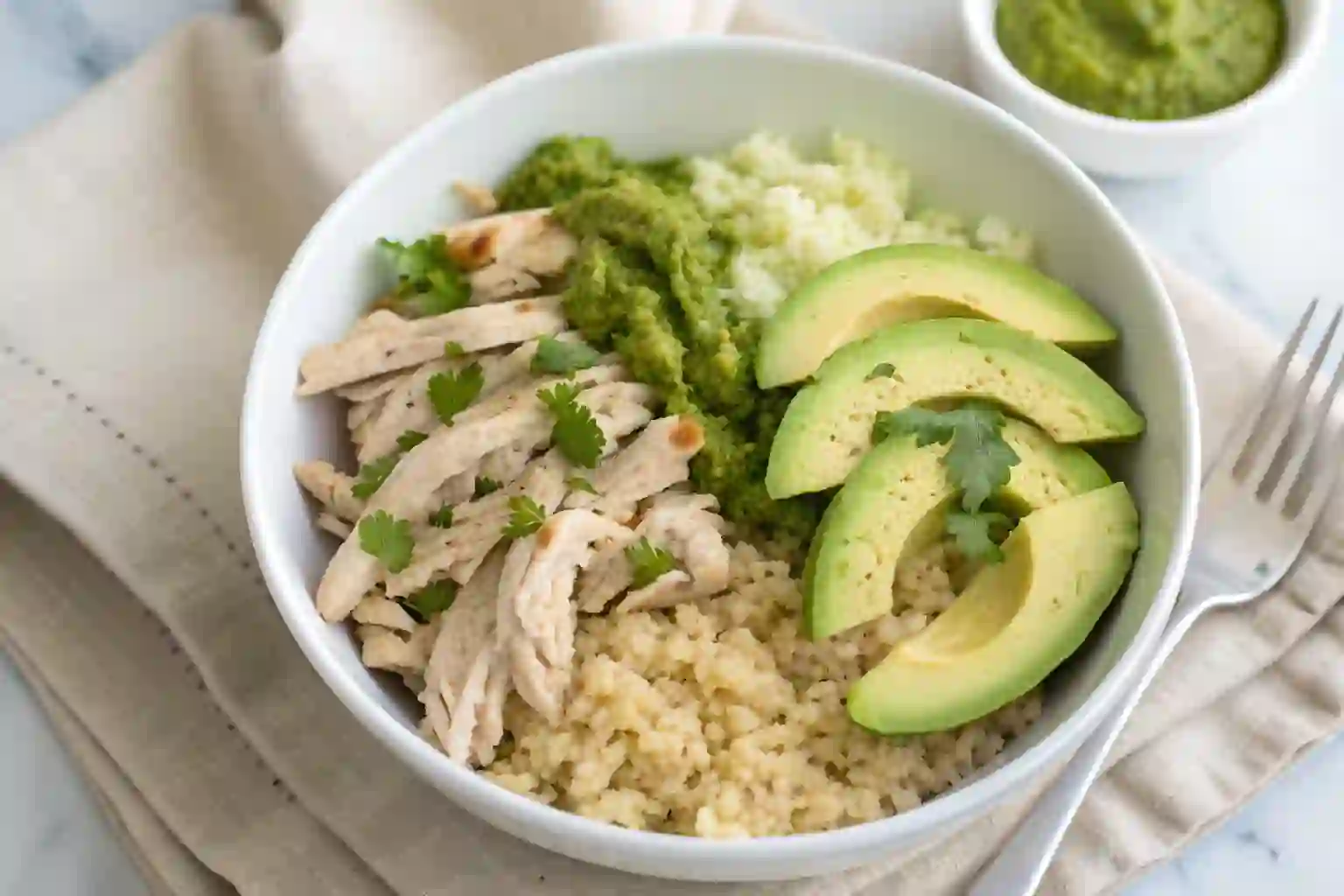
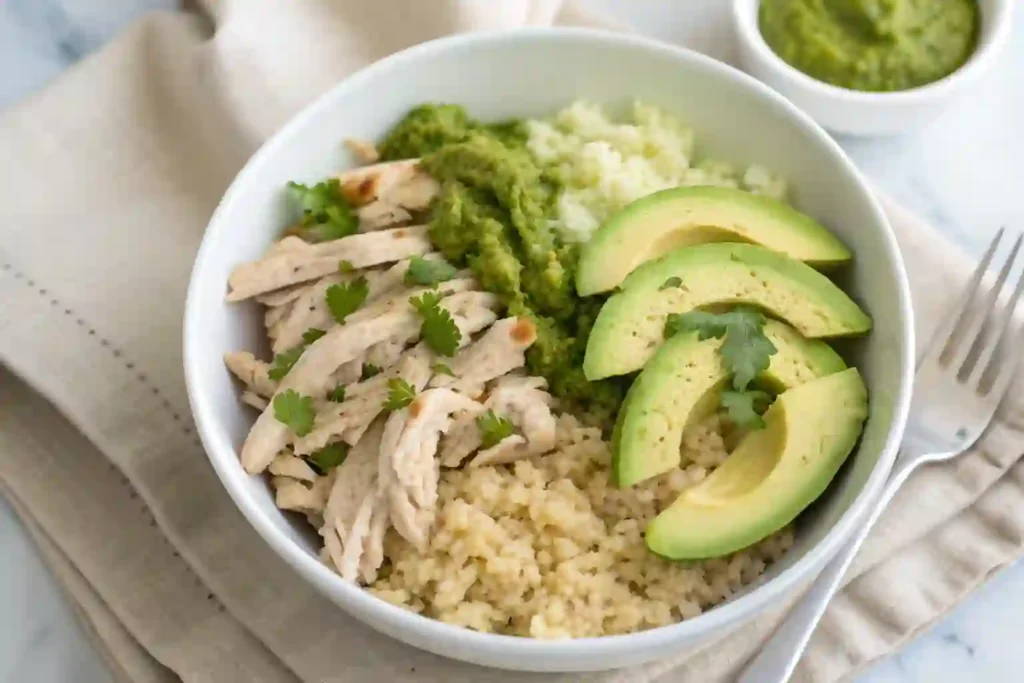
There’s something satisfying about a dish that basically cooks itself while filling your kitchen with the scent of roasted chiles and citrus. Crockpot Salsa Verde Chicken is that dish. It’s bright, tangy and light – yet completely satiating. Each serving delivers lean protein with almost no carbs making it ideal for stabilizing blood sugar and taming late-day cravings.
Why it works metabolically:
- High protein content slows digestion and keeps insulin steady.
- Minimal carbs = fewer post-meal glucose swings.
- The acidic base from tomatillos and lime subtly supports digestive enzymes.
Make it work for you:
Portion it over cauliflower rice, tuck it into lettuce wraps or shred it cold for next-day salads. Add a few avocado slices, and you’ve got a meal that’s balanced, refreshing and easy to repeat without boredom.

2. Crockpot Shredded Beef Lettuce Wraps – Comfort with Control
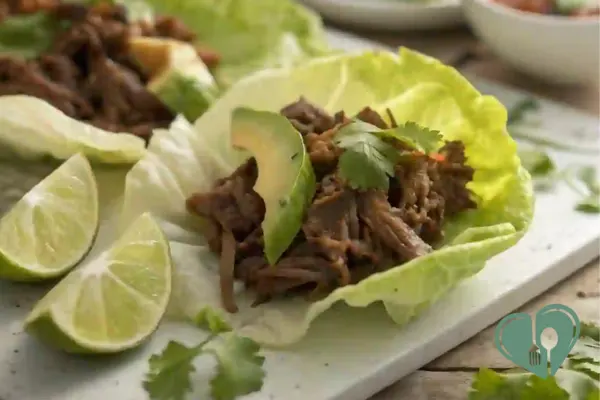
If there’s one meal that proves you can eat “comfort food” while losing fat, it’s your Crockpot Shredded Beef Lettuce Wraps. The slow-cooked beef melts apart with barely a touch, and the crisp lettuce adds a clean crunch that makes every bite feel intentional. It’s satisfying, grounding and – maybe most importantly – doesn’t feel like diet food.
Why it works metabolically:
- Lean beef keeps you full longer by boosting thermogenesis (calories burned during digestion).
- Low-carb lettuce wraps reduce insulin demand without sacrificing satisfaction.
- High iron content supports stable energy especially if you’re cutting calories.
Make it work for you:
Pair with a fiber-rich side like roasted bell peppers or a cucumber-avocado slaw to enhance fullness and improve post-meal glucose control.
The Real Trick: Turning Recipes into Routine
The biggest win here isn’t the recipes themselves – it’s the rhythm they create. Cook once eat twice (or more). Make your Salsa Verde Chicken early in the week and your Shredded Beef toward the weekend. Rotate them. Freeze portions. Within a couple of weeks, your body – and your blood sugar – start recognizing the pattern. And that’s where consistency transforms into progress.
So if you’re wondering where to start, start here. With two meals that check every box: simple, sustainable, and metabolically sound.
FAQ: Can I freeze these high-protein crockpot meals for later?
Yes – both recipes freeze beautifully. Store in airtight containers for up to three months. Reheat gently, add a splash of broth or salsa to restore moisture and you’ll have instant, ready-to-eat meals that still taste freshly cooked.
Pairing High-Protein Meals with Low-Carb Sides
The real transformation with high-protein crockpot meals for weight loss doesn’t just come from what’s simmering in the pot – it comes from what you plate beside it. The right sides amplify results: steadier blood sugar, calmer hunger, and meals that feel complete instead of clinical. It’s a small detail but for someone managing Type 2 diabetes, it can quietly change everything.
Why Sides Matter More Than You Think
Think of your plate like a team: protein is the anchor but the sides are the support crew. Protein slows digestion, but pair it with refined carbs – like white rice or bread and your insulin has to scramble to catch up. Swap in fiber-rich, Low-glycemic vegetables instead and suddenly your metabolism relaxes. You feel full longer, your numbers stay stable and food starts to work with your body instead of against it.
The truth? Smart sides aren’t just about macros. They’re about comfort. They make healthy eating feel familiar again – warm, colorful, flavorful – not restrictive or clinical.
How to Build the Perfect Plate
Here’s a simple structure that takes the guesswork out:
- Half your plate: Non-starchy vegetables – zucchini, spinach, cauliflower, peppers, broccoli. These slow glucose absorption and add volume without calories.
- A quarter: Protein – your crockpot chicken, turkey, beef or tofu.
- The final quarter: Healthy fats or slow carbs – avocado slices, olive oil drizzle or a small serving of lentils or beans for fiber.
You can mix and match endlessly. Try:
- Salsa Verde Chicken + cauliflower rice + avocado-lime slaw.
- Shredded Beef Wraps + roasted peppers + cucumber salad.
- Turkey chili + sautéed cabbage ribbons.
These meals aren’t “diet food.” They’re satisfying, balanced, and repeatable – the kind of food that teaches your metabolism rhythm and reliability.
FAQ: Are beans or lentils okay for diabetics in slow cooker meals?
Yes – and in fact, they can help. Their fiber content slows glucose release, making them excellent in moderation. Combine them with lean protein in high-protein crockpot meals for weight loss, and they add texture, minerals, and staying power – all without the blood sugar spike.
Conclusion: Building Consistency with High-Protein Crockpot Meals for Weight Loss
At the end of the day, weight loss with Type 2 diabetes isn’t about perfection – it’s about patterns. When you start eating in a way that keeps your insulin calm, your hunger predictable, and your energy steady, the rest begins to fall into place almost quietly. That’s what makes high-protein crockpot meals for weight loss such an underrated tool. They remove the friction – the decision fatigue, the constant meal prep – and let your metabolism breathe again.
Over time, that steady rhythm becomes the real transformation.
You’ll notice it in small ways first: steadier mornings, fewer cravings, clothes fitting differently. Then, you’ll realize you’ve built something far more valuable than a meal plan – you’ve built momentum. And that’s what sustainable fat loss is made of.
If you’ve been caught in the cycle of trying restarting and giving up, this is your permission to simplify. Choose two or three crockpot recipes you enjoy, pair them with colorful, Low-carb sides, and repeat. Let consistency – not restriction – do the work.
It’s not about chasing numbers anymore. It’s about trusting that small, stable habits can rewrite your metabolic story one slow-cooked meal at a time.

Sami Ahmed is a Diabetes Nutrition Coach at The Diabetic Recipes. He blends science with everyday cooking to create meals that stabilize blood sugar without sacrificing taste. Sami’s passion lies in helping people with diabetes enjoy food confidently — one balanced, flavorful recipe at a time.