
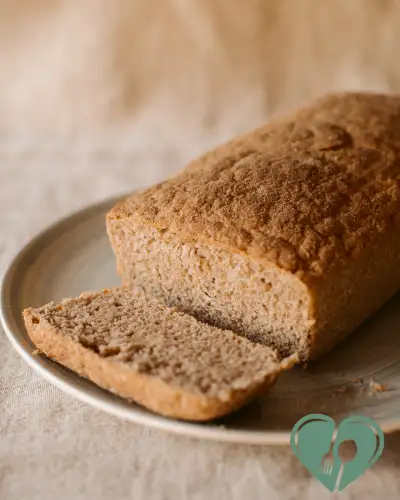
Low-carb flours for diabetics are changing the game and not a moment too soon. If you’ve ever made a “healthy” muffin that left your blood sugar sky-high, you’re not alone. Traditional flours even those labeled whole wheat or gluten-free often turn out to be blood sugar landmines for people with diabetes.
But that doesn’t mean baking is off the table.
There’s a quiet revolution happening in diabetic kitchens: low-carb flours and binders that actually behave holding moisture, adding texture, and most importantly, skipping the glucose rollercoaster.
In this guide, we’ll break down the best ones the nutty, the fibrous, the surprisingly protein-packed so your breakfasts (and snacks) can be both satisfying and safe.
Why Traditional Flours Are a Blood Sugar Bomb
Here’s the frustrating part: even the so-called “healthy” flours whole wheat, oat, brown rice can send your blood sugar soaring. Why? It’s all in the starch. Traditional flours are rich in simple carbs that break down fast, dumping glucose into your bloodstream in record time.
Worse, they’re often stripped of fiber the very thing that helps slow digestion and keep blood sugar stable. Without that buffer, your body absorbs the carbs like a sponge, triggering spikes that leave you tired, foggy, or worse on a path toward insulin resistance.
But wait what about gluten-free flours?
It’s a common trap. Many gluten-free products replace wheat with tapioca, rice flour, or potato starch. Sure, they’re wheat-free… but glycemically? They’re just as risky. That “gluten-free” label doesn’t mean low-carb or diabetic-safe.
So what’s the better route?
Flours made from nuts, seeds, and legumes pack in protein, fiber, and healthy fats all of which help blunt sugar spikes. And with the right combos and binders, they’re surprisingly easy to bake with.
Why does white or wheat flour spike blood sugar so fast?
Because they’re high in starch and low in fiber. Starch turns to glucose quickly in the body, and without fiber to slow things down, your blood sugar reacts fast and sharply often within 30–60 minutes after eating.
For a full list of smart pantry swaps, check out our diabetic breakfast ingredient guide.
op Low-Carb Flours for Diabetics
The secret to diabetic-friendly baking? Choosing flours that don’t behave like sugar in disguise. These four pass the test low in carbs, high in function.
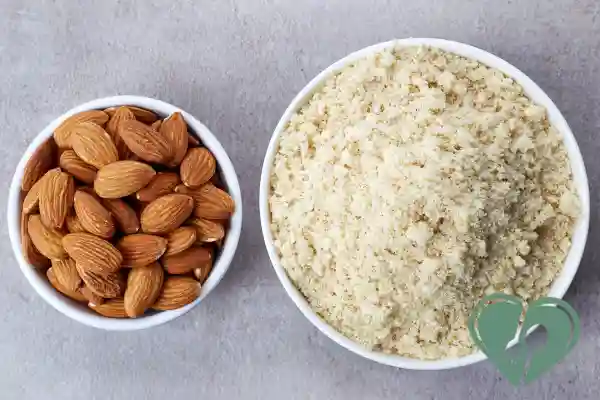
Almond Flour
- Soft, nutty, and low in net carbs (~2g per ¼ cup).
- Great for anything that needs structure without dryness think muffins, pancakes, or mug cakes.
Coconut Flour
- Absorbs moisture like crazy (4g net carbs per 2 tbsp), so use less and always pair with extra egg or liquid.
- Best for spongey bakes or single-serve treats.
Flaxseed Meal
- Fiber-rich and practically zero carbs. Adds bulk, binds well, and brings a subtle earthy flavor.
- Ideal as a mix-in or base for low-carb wraps and batters.
Lupin Flour
- High-protein and low-carb (1g net per ¼ cup), but slightly bitter on its own.
- Works best in blends especially for muffins or baked goods with bold flavors.
Smart Binders for Diabetic-Friendly Texture
Low-carb flours don’t have gluten so without a binder, your muffin might crumble like dust. Here’s how to hold it all together without raising your blood sugar.
Want to go deeper? Here’s a detailed breakdown of the best low-carb binders how they work, when to use them, and which ones to avoid.
Psyllium Husk
- Adds structure and moisture-holding fiber.
- Use ½–1 tsp to prevent dryness and improve chew.
Xanthan Gum
- Mimics gluten’s elasticity in small amounts.
- Just ¼ tsp can hold muffins or wraps together.
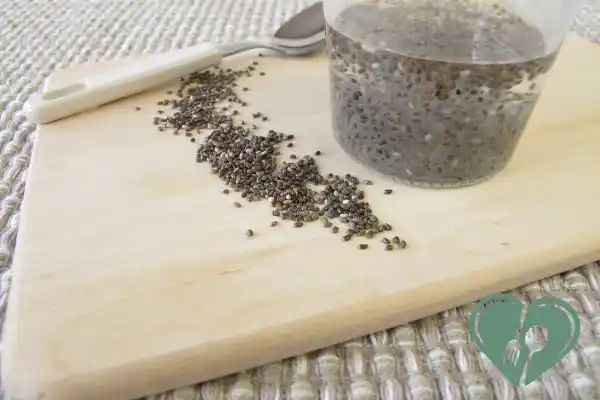
Chia Seeds (or Ground Chia)
- Swells in liquid to bind ingredients plus adds omega-3s.
- Use for “chia eggs” or as a boost in baked goods.
DIY Diabetic Flour Mix for Pancakes & Muffins
Skip the guesswork. This mix balances flavor, texture, and blood sugar impact perfect for quick breakfasts or snacks.
Basic Ratio
- ½ cup almond flour
- 2 tbsp flaxseed meal
- 1 tbsp coconut flour
- Dash of psyllium husk
Why It Works
- Almond gives structure
- Flax adds fiber
- Coconut holds moisture
- Psyllium binds it all
Use It For
- Pancake batter
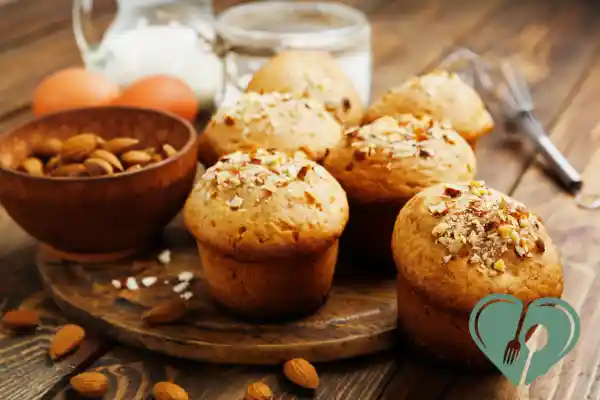
- Muffins
- Low-carb waffles or mug cakes
Need something fast? This flour mix works great in microwave-friendly diabetic breakfasts too especially mug cakes.
Are All Gluten-Free Flours Safe for Diabetics?
Not even close. “Gluten-free” just means no wheat not low-carb or blood sugar safe.
Common High-GI Gluten-Free Flours to Avoid
- Tapioca starch
- Rice flour
- Potato starch
These spike blood sugar as fast (or faster) than white flour.
What to Look For Instead
Stick with flours made from nuts, seeds, or legumes they’re lower in carbs and higher in fiber or fat, which slows digestion.
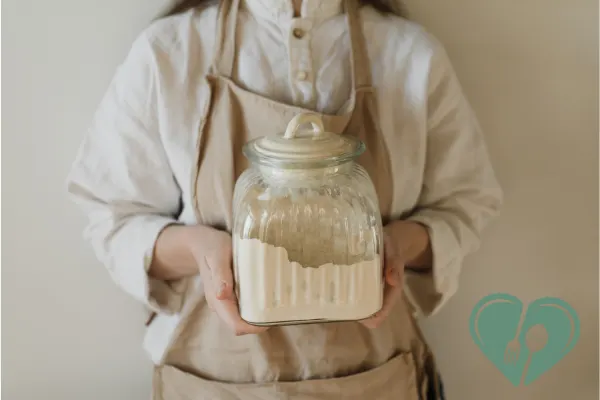
Storage Tips for Low-Carb Flours
Low-carb flours are picky. One whiff of air or heat, and they go bitter or clumpy fast. But a little care goes a long way.
Quick rules to keep them fresh
- Fridge or freezer: Especially for almond and flax they spoil quickly at room temp
- Airtight jars or bags: Keeps out moisture (and pantry funk)
- Write the open date: If it’s been more than 6 months, give it a sniff test
Bottom line? If you wouldn’t eat stale nuts, don’t bake with stale flour.
Frequently Asked Questions
Can I just swap almond or coconut flour for regular flour?
Not really. Almond flour’s dense, coconut flour’s a sponge. If you go 1:1, you’ll end up with a brick or a dry mess. Adjust eggs and liquids it’s more of an art than a swap.
Best flour for diabetic-friendly pancakes?
Almond flour, hands down. It’s low in carbs, bakes up soft, and doesn’t spike your sugar. Bonus points if you add a spoon of flax for structure.
Why does my low-carb baking keep turning out dry?
It’s usually the coconut flour a little goes a long way. Or you’re missing a binder. Try psyllium husk, chia, or just… one more egg. And don’t skimp on the fat.
Flour That Fuels, Not Fools
If you’ve felt like baking is off-limits with diabetes, you’re not alone. The good news? It’s not. You just need ingredients that actually work with your body not against it.
Swapping out high-carb flours for almond, flax, or coconut isn’t about restriction. It’s about reclaiming comfort food on your own terms. Yes, the first few tries might be crumbly or weird. But then? You get it right. And suddenly breakfast doesn’t feel like a compromise anymore.
Start simple. Try that flour mix. Adjust as you go. And remind yourself: this isn’t just about blood sugar it’s about food that feels good after you eat it.
Want to turn your new flour mix into something sweet and stable? Try these high-protein diabetic breakfasts no sugar crash required.

Sami Ahmed is a Diabetes Nutrition Coach at The Diabetic Recipes. He blends science with everyday cooking to create meals that stabilize blood sugar without sacrificing taste. Sami’s passion lies in helping people with diabetes enjoy food confidently — one balanced, flavorful recipe at a time.
Leave a Reply