
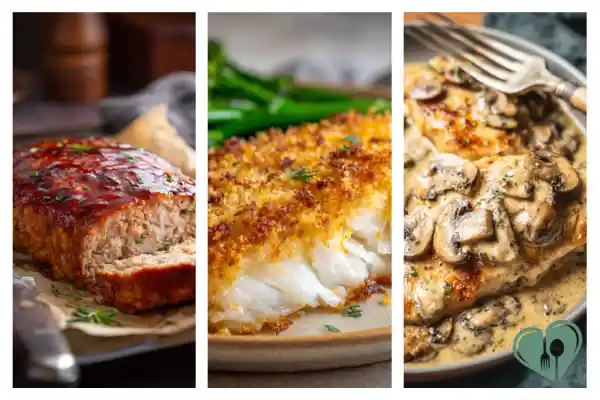
Comfort food gets weird once diabetes shows up. Foods you ate without thinking suddenly come with a pause. Maybe even a sigh. You want dinner to feel normal, but now there’s math in your head and a little doubt sitting there too. It takes the fun out of it fast.
Most nights, people are not chasing some perfect meal. They are just tired. They want something warm. Something that feels familiar. Something that does not feel like a decision. That’s usually why people look for diabetic comfort food dinners. Not to be good. Not to be strict. Just to eat and relax a bit.
This isn’t about fixing everything. Or turning comfort food into health food. It’s just about finding dinners that still feel like comfort, but don’t leave you regretting it later. Meals you can sit down with. Eat. And move on from without overthinking every bite.
Can Comfort Food Be Diabetic-Friendly?
Short answer. Yes. Longer answer. Yes, but it probably does not look like what you are picturing right away.
A lot of people hear “diabetic friendly” and think dry food. Or tiny portions. Or meals that feel like they were designed by someone who never eats dinner after a long day. So comfort food and diabetes start to feel like opposites. One feels good. The other feels restrictive. That gap messes with your head more than the food itself.
Comfort food was never just about carbs. That’s part of it sure. But it’s also heat. Soft textures. Savory flavors. Foods that feel steady and grounding. The kind of meals you do not rush through. You sit down. You breathe. You eat. That feeling does not disappear just because blood sugar is part of the picture now.
Where things usually go wrong is the assumption that comfort means excess. Too much starch. Too little protein. Nothing slowing digestion down. Then comes the spike. Then the regret. That cycle trains people to believe comfort food is the problem, when really it’s the structure of the meal that causes trouble.
Diabetic friendly comfort food dinners work when the comfort stays, but the chaos leaves. That might mean less breading but more seasoning. A creamy texture that comes from mushrooms instead of a pile of flour. A hearty bowl that includes protein and fiber so you actually feel done when you finish eating. Not stuffed. Just done.
Reframing comfort
Comfort does not have to mean heavy. Sometimes it just means familiar. A meal you recognize. One that smells right while it cooks. One that feels like something you’ve eaten before, not a replacement version. That mental comfort matters more than most nutrition advice admits.
Flavor vs. formulation
Flavor is rarely the issue. Formulation is. You can keep the herbs the salt, the richness, and still build a plate that behaves better in your body. Same comfort. Different aftermath.
Common question: Does comfort food automatically spike blood sugar?
Not automatically. Some meals do. Some don’t. It depends on what’s on the plate together, how fast it digests and how much you eat. Comfort food is not one single thing, even if it gets treated that way.
How to Lighten Comfort Meals Without Ruining Them
This is where people usually get nervous. Lighten the meal and suddenly it sounds like the comfort part disappears. Like everything turns into a sad version of itself. That fear makes sense. A lot of “lighter” comfort food out there feels watered down. Same name. Totally different experience.
The goal is not to make dinner impressive. Or clever. It’s just to keep the parts that actually make the meal comforting, and quietly change the parts that cause problems later. Most of the time, that means small shifts. Not a full makeover. You don’t need to announce them to yourself either.
Comfort meals fall apart when too many things hit fast at once. Heavy starch. Not much protein. No pause in digestion. That’s usually the issue. Not the flavor. Not the salt. Not even the richness. So instead of stripping things away, you slow the meal down. That’s it.
Ingredient swaps
Swaps work best when they feel boring. If a swap feels dramatic, it probably won’t stick.
Think in terms of additions not removals. Adding mushrooms to ground meat so the portion still looks full. Mixing cauliflower into mashed potatoes instead of replacing them completely. Using Greek yogurt to finish a sauce instead of building the whole thing from cream. Little things. Things you forget about once you start eating.
Protein helps here more than people expect. A comfort meal with enough protein feels finished. You don’t keep poking at the plate looking for something else. Fiber helps too, but quietly. Beans. Lentils. Vegetables that soften when cooked and don’t scream “healthy.”
Cooking method changes
This part matters more than most ingredient lists.
How food is cooked changes how it hits your body. Baked instead of fried. Simmered instead of rushed. Roasted until soft instead of boiled into nothing. These changes keep texture, which is a big part of comfort, while avoiding that heavy after feeling.
Slow cooking helps. Sheet pan dinners help. One pot meals help. Not because they are trendy, but because food cooked this way tends to digest more slowly. You feel steady after. Not sleepy. Not wired. Just normal.
It also helps to let food cool slightly before eating. Sounds small. It is. But it slows things down a bit, which your body usually appreciates.
Common question: Will lighter comfort meals still feel filling?
Usually, yes. Sometimes more than the original. When meals are balanced, you stop eating because you’re satisfied, not because the plate is empty. That feeling is different, and once you notice it, it’s hard to unnotice.
5 Comfort Food Dinners That Are Diabetes-Safe
This is the part people usually scroll to first. Totally fair. Ideas matter more than theory when you’re hungry and it’s already late.
These are not fancy dinners. They are the kind of meals that feel familiar once they hit the plate. The kind you actually want to eat, not just tolerate. Each one works because it keeps the comfort part intact while avoiding the usual blood sugar mess that shows up later. Nothing extreme. Nothing fragile. ” If you want even more simple options beyond comfort meals, you can browse through 20 Easy Diabetic Dinner Recipes that follow the same steady, real-life approach. ”
Healthy Chicken Pot Pie Skillet (No Crust)

This still smells like comfort food when it’s cooking. That matters more than it sounds. You get the chicken, the soft vegetables, the savory sauce. The part that’s missing is the crust, which honestly most people stop noticing after a few bites. The filling is the comfort anyway. Served in a bowl, it feels complete.
Baked Turkey Meatloaf with Veggie Boost
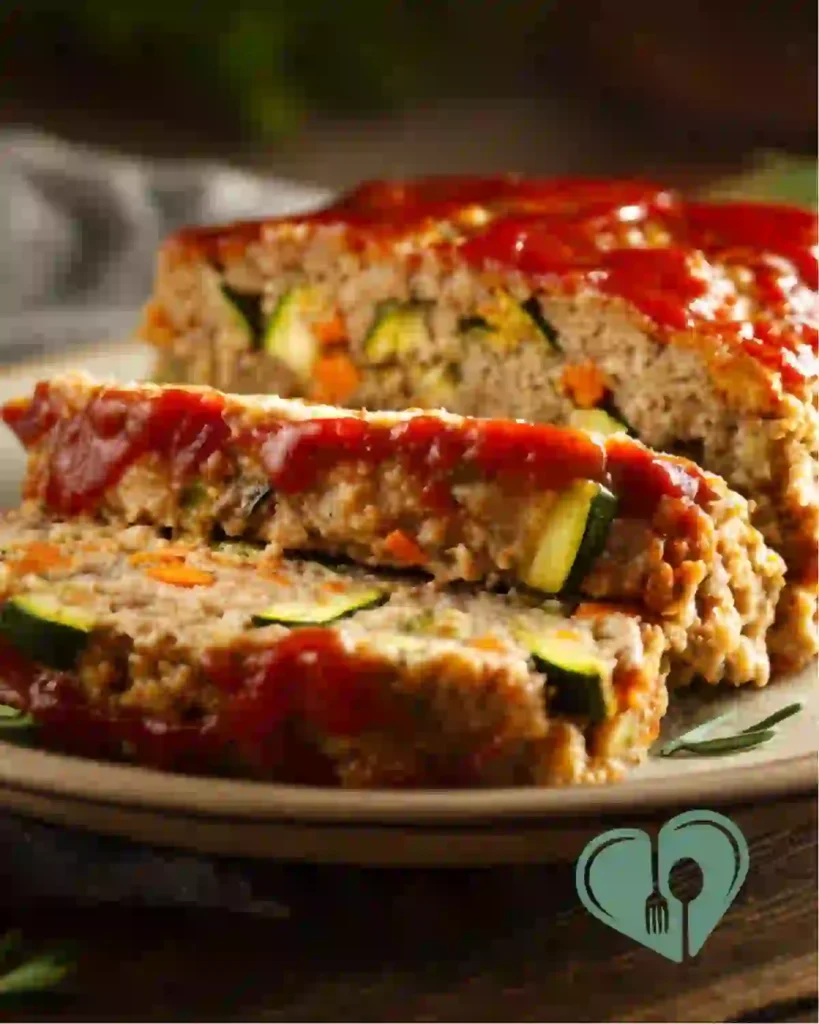
Meatloaf is already forgiving. That makes it easy to tweak without ruining it. Using turkey keeps it lighter, but the real trick is mixing in vegetables. Zucchini, onion, even mushrooms. It stays moist. It tastes like meatloaf. It just sits better afterward.
Creamy Mushroom Chicken (Dairy-Light Option)
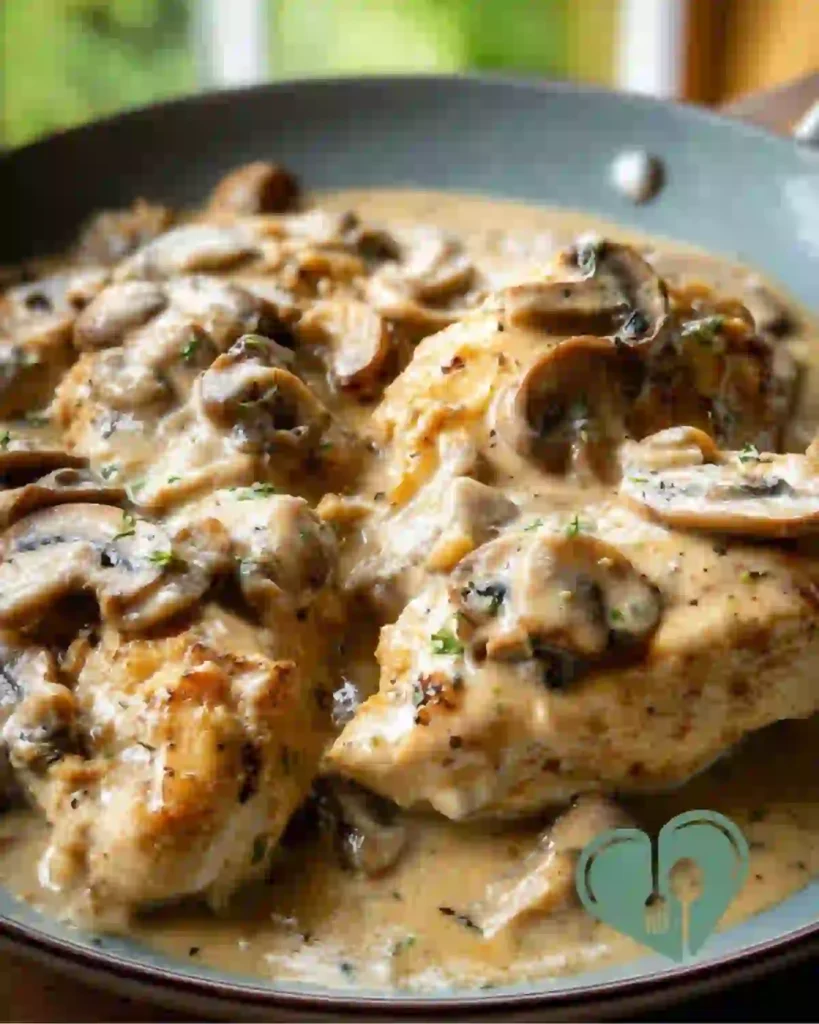
This one surprises people. It feels rich even without heavy cream doing all the work. Mushrooms pull a lot of weight here. They give that deep, savory flavor that reads as comfort. Served with something simple on the side, it feels like a real dinner, not a workaround.
Diabetic-Safe Chili with Beans and Lean Beef
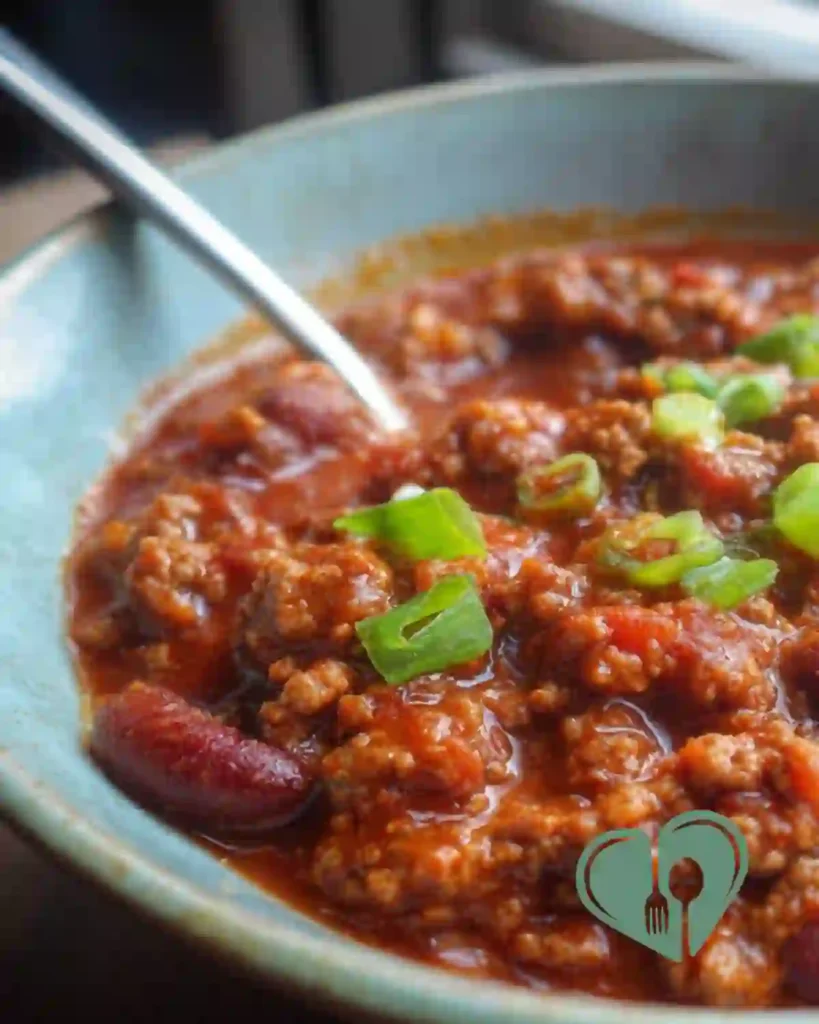
Chili already knows how to behave. Protein, fiber, warmth. It’s a comfort food that does not need much convincing. Keeping the beef lean and not going overboard on portions is usually enough. It’s filling in that slow, steady way that makes you forget about snacks later.
Oven-Baked Parmesan Crusted Fish

This one sounds lighter than it feels. The crunch helps. The salt helps. The oven does most of the work. It doesn’t feel like diet food once you’re eating it, which is the whole point.
Common question: Can comfort food really be diabetes safe?
It can be safer, which is usually what people actually need. These dinners don’t aim for perfection. They aim for meals you can enjoy and move on from without your body pushing back later.
Portion Control Without Feeling Deprived
Portion control has a bad reputation. It sounds like stopping early. Or leaving food behind. Or pretending you are full when you are not. Most people have tried that version, and it never lasts. It just turns dinner into a quiet argument with yourself.
The problem usually is not the portion. It’s how fast the meal hits. When food moves too quickly, your body does not get a chance to catch up. So you finish eating, wait a bit, and still feel off. Not hungry exactly. Just not settled. That’s when deprivation creeps in, even if the plate looked reasonable.
Comfort food dinners work better when the portion feels complete. Not small. Just complete. Enough protein. Enough volume. Enough time to register. That’s what keeps you from feeling like something is missing.
Visual plate method
This is less about measuring and more about glancing.
Half the plate being something soft and slow helps. Vegetables. Beans. Anything that takes a bit of time to eat. A solid section for protein so the meal feels anchored. Then the comfort part. The part you actually came for. When the plate looks balanced, your brain relaxes a little.
Bowls help too. They make meals feel intentional. Like you are done when you finish, not like you are supposed to stop halfway through. That matters more than it should, but it does.
Slower digestion tips
Small things make a difference here. Eating warm food instead of piping hot. Sitting down, even briefly. Putting the fork down without thinking about it. These are not rules. They just slow the moment.
Fat helps with this too. Not a lot. Just enough. It stretches the meal out inside your body so the comfort lasts longer. Protein does the same thing. Together, they change how the meal feels an hour later, not just during.
You do not need to eat less to feel better. Sometimes you just need the food to behave differently.
Common question: How do I know when I’ve had enough?
Usually it shows up as quiet. The urge to keep eating fades. Not dramatically. It just stops asking for attention. That’s the signal most people miss when meals move too fast.
Emotional Eating and Dinner Choices
This part usually gets uncomfortable fast. Not because it’s dramatic, but because it’s familiar. A long day. Low energy. Maybe a little irritation you can’t place. Dinner ends up carrying more weight than it should. It’s not just food anymore. It’s relief. Or distraction. Or something that shuts the day down.
A lot of diabetes advice treats emotional eating like a mistake to fix. That framing does not help much. People don’t eat for comfort because they don’t know better. They do it because it works at least in the moment. Food calms things. It creates a pause. It gives the brain something steady to hold onto. Taking that away without replacing it just leaves a gap.
Dinner is often where emotional eating shows up because it’s quiet. No rush. No rules from work or other people. That’s when comfort food feels the loudest. And honestly, that’s not always a bad thing. Problems start when dinner becomes the only coping tool or when the food itself leaves you feeling worse later.
Guilt free strategies
Guilt tends to make things spiral. You eat. You feel bad about eating. Then the meal feels heavier than it needed to be. That loop has nothing to do with blood sugar and everything to do with pressure.
One way to soften that is to decide ahead of time that dinner is allowed to be comforting. Not perfect. Not optimized. Just allowed. When you expect comfort, you don’t chase it as hard. You notice when you’ve had enough. That alone can change how the meal ends.
Another quiet strategy is to eat the comfort part first. The thing you actually want. Not saving it. Not negotiating with yourself. When that craving is met early, the rest of the plate becomes easier to eat normally.
Satisfaction first thinking
Satisfaction is different from fullness. You can be full and still restless. Comfort food helps when it brings satisfaction early, not when it overwhelms you.
This might mean smaller amounts of richer food paired with things that feel grounding. Protein. Warm vegetables. Something that slows the pace. When the meal satisfies emotionally, you stop scanning the kitchen afterward. That’s usually the real goal, even if no one says it out loud.
Common question: Is emotional eating always bad for diabetes?
Not always. Emotional eating becomes a problem when it replaces awareness completely. When it’s the only tool. Comfort at dinner can exist without harming long term habits, especially when the meals themselves are built to support you instead of fight you.
How Comfort Fits Into Long-Term Diabetic Eating
This part is easy to overthink, so I won’t stretch it out. Long term eating does not fail because someone enjoys comfort food. It usually falls apart because everything feels temporary. Like you’re “being good” for now and normal life starts later. That mindset gets heavy fast.
Comfort food fits when it’s not treated like a special event. Not a reward. Not a cheat. Just dinner. Something you eat, enjoy, and move on from. When comfort meals show up regularly, in reasonable portions, they stop feeling urgent. They lose that edge. That alone changes how people eat over time.
Most people don’t need stricter rules. They need meals that don’t trigger rebound eating later. Dinners that leave them steady instead of wired or wiped out. Comfort food can do that when it’s built with a little structure and a lot of permission.
There will be nights that are heavier. Nights that are lighter. That’s normal. Long term eating only works when it has room to flex. When nothing feels forbidden. When dinner doesn’t turn into a moral decision.
You don’t need to eat this way perfectly. You just need it to feel livable enough that you don’t quit on it in a month. Comfort food helps with that more than people admit.
Common question: Can I eat comfort food regularly and still manage diabetes?
For many people yes. Especially when comfort meals are balanced and familiar. Consistency matters more than perfection, even if that feels a little uncomfortable to hear at first.
That’s really it.
Dinner does not have to feel like a test you pass or fail. Some nights will feel easier than others. Some meals will land better. Some won’t. That’s normal, even if it’s frustrating.
If comfort food stays on the table, literally, things tend to calm down over time. Less obsessing. Less rebound eating. Fewer moments where food feels like the enemy. Just dinner again. Not perfect. Not dramatic. Just something warm, familiar, and done when it’s done.
That’s usually enough.

Layla Hayes is a Diabetes Lifestyle & Wellness Coach who shares practical tips and supportive insights for living well with type 2 diabetes. Her writing focuses on real-life strategies — from blood sugar balance to mindful routines — helping readers feel steady, informed, and empowered every day.