
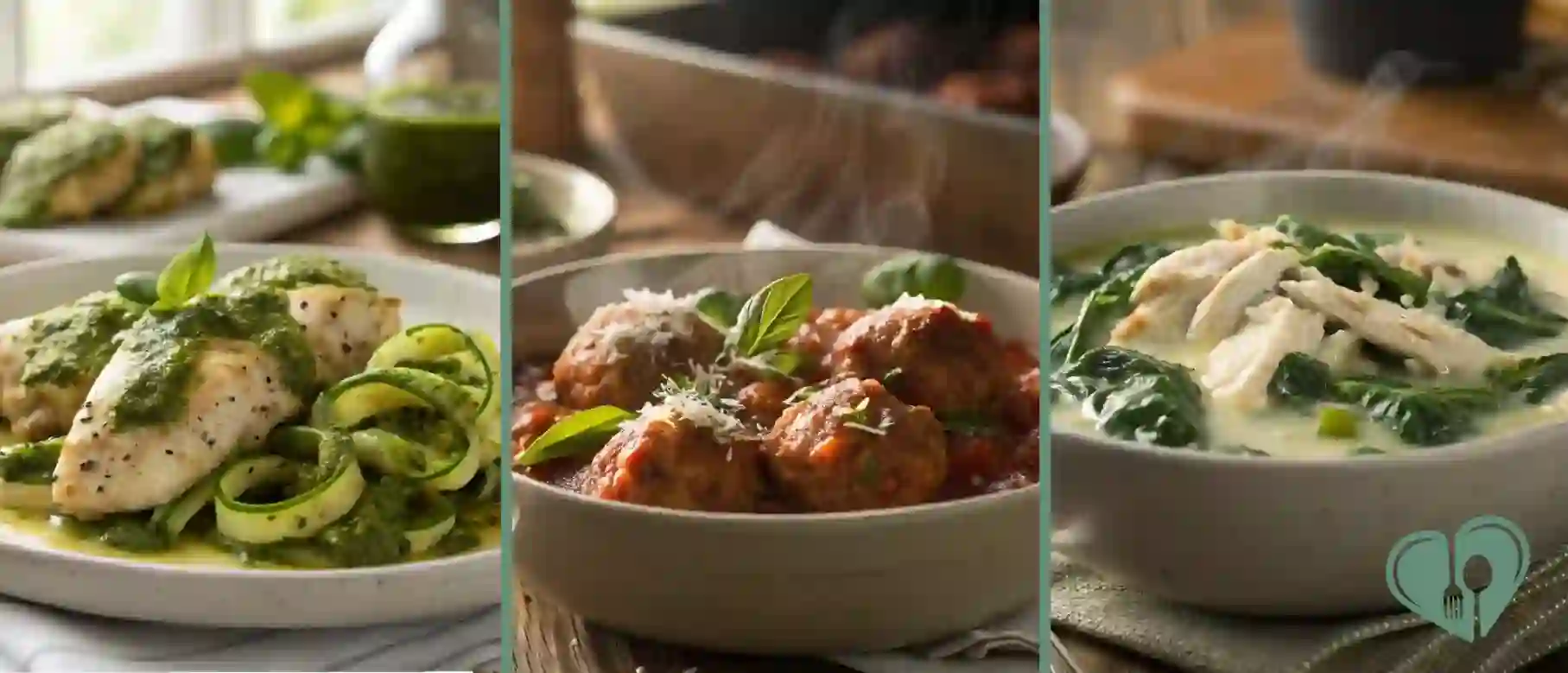
If you’ve ever tried to eat healthy with diabetes, you already know it’s not the food that’s hard – it’s the planning. The counting, the prep, the constant second-guessing every bite. You get tired of cooking one thing for your blood sugar and another for everyone else. Some nights, you just want dinner to take care of itself.
That’s why I love the crockpot. You toss everything in, go live your life, and a few hours later, you’ve got something warm, filling, and blood-sugar friendly waiting for you. It’s not magic – but it feels pretty close.
This guide isn’t about strict rules or flavorless “diet” food. It’s about learning how to use slow cooking to make low-carb, high protein meals that taste good and make sense for diabetes. We’ll go over the stuff that actually matters how to build meals that keep your glucose steady, how to batch cook without burning out, and how to flavor food without sugar or salt overload.
You’ll also get practical examples – things like a creamy chicken soup that doesn’t mess with your numbers, or a slow-cooked curry that tastes like comfort food but hits all the right macros. There’s even a 7-day meal plan and freezer prep tips so you can stop stressing about what to eat next.
If you’re done with “diet talk” and just want food that works – this is for you. Real meals, real balance, and a way of cooking that finally fits into your life instead of running it.
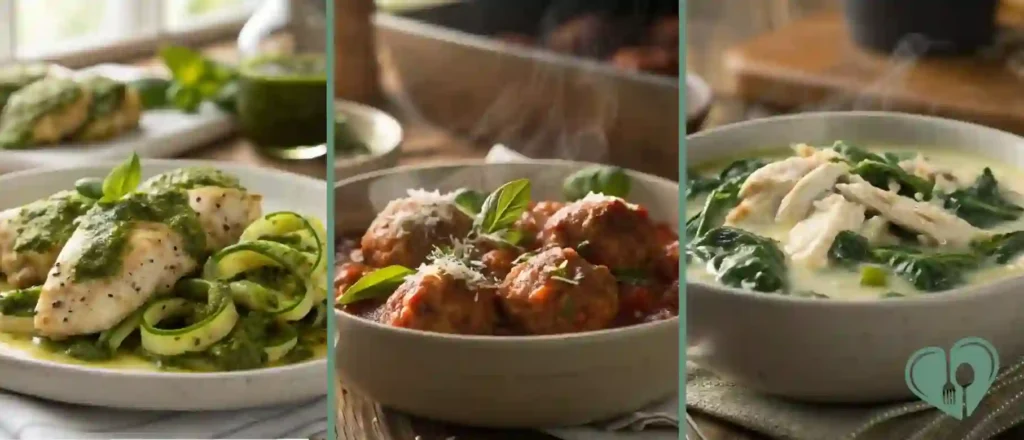
Why Crockpot Meals Are a Game-Changer for Diabetics
If you’ve been managing diabetes for a while, you already know the deal – food runs the show. You can be doing everything right, but one rushed lunch or skipped snack can send your blood sugar all over the place. That’s what makes the crockpot such a lifesaver. It takes that daily stress and just… quiets it down.
Instead of worrying about what to eat when you’re starving, you can throw a few ingredients in before work, forget about it, and come home to a meal that’s already done – warm, balanced, and ready when you are. It’s a small thing, but it makes a huge difference.A
Why Slow Cooking Works for Blood Sugar
Here’s the cool part: slow cooking naturally works with your body. The low steady heat keeps food from caramelizing or breaking down too fast, which means your carbs digest slower and your glucose stays steadier. You’re not dealing with the rollercoaster highs and lows that come with fried or high-heat cooking.
When you pair that slow process with lean proteins and non-starchy veggies, you end up with meals that hit all the right notes – hearty, filling, and still easy on your numbers.
It’s the Kind of Consistency That Actually Helps
Most people don’t realize how much routine affects their blood sugar. Eating at random times, skipping meals, or grabbing something “quick” (aka carb-loaded takeout) – that’s what throws things off. Slow cooking fixes that almost by accident. You prep once, set it, and know food will be ready when you need it.
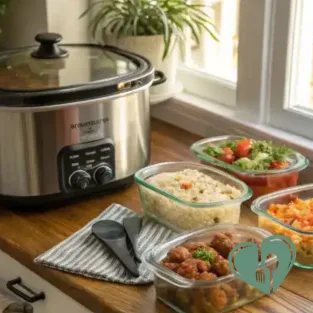
And since crockpot meals store so well, you can batch cook and portion for the week. It’s basically built-in structure without feeling like you’re dieting.
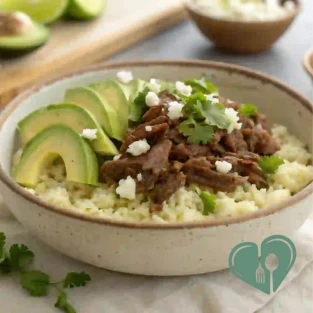
When you want something that’s filling and simple, try the Slow Cooker Beef & Cauliflower Rice Bowl – it’s rich, protein-packed, and reheats perfectly.
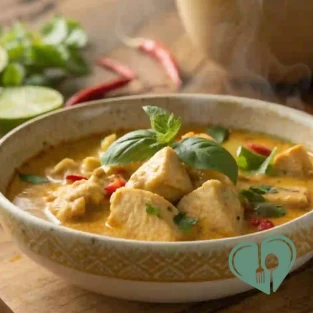
If you want something cozier, the Low-Carb Thai Coconut Chicken Curry is pure comfort – creamy flavorful and still diabetic-friendly.
And if batch cooking sounds like your kind of sanity saver, check out Batch Cooking & Freezer-Friendly Crockpot Meals for Diabetics. It breaks down how to prep, freeze, and portion meals so you’re not stuck cooking every night.
The Real Win
You start noticing small changes first – your energy evens out, you snack less, your meals actually taste like food again. It’s not about being perfect it’s about finding a way to eat that doesn’t fight you. Slow cooking just makes it easier to do that every single day.
FAQ: Can crockpot meals really help with blood-sugar control?
Yeah, they can – but it’s not magic. What helps is the habit. Cooking slow means you’re using real food, skipping the processed stuff, and eating on time. Combine that with lean protein fiber and low-carb ingredients, and you’ll feel the difference in how steady your glucose stays.
Setting the Right Macros: Low-Carb, High-Protein Balance
If you’ve ever tried to count carbs and track protein at the same time, you know how easy it is to overthink everything. But here’s the truth – getting your macros right isn’t about chasing numbers. It’s about finding that balance where you feel full, steady, and energized instead of riding the blood-sugar rollercoaster all day.
Figuring Out What Works for You
There’s no single “perfect” ratio that fits everyone. Some people do better with a little more protein, others need a few more carbs to feel satisfied. But if you’re managing diabetes, aiming for more protein and fewer fast carbs usually makes life a lot easier.
For most folks, something around 25–30 grams of protein per meal and 15–30 grams of net carbs is a solid starting point. Enough fuel for energy, not so much that your numbers spike.
That’s where the crockpot really shines – it makes it easy to build balanced meals without thinking too hard. Toss in your protein, add fiber-rich veggies, season it up, and let it do its thing.
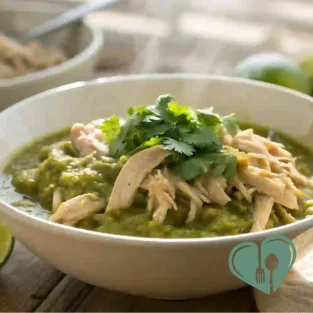
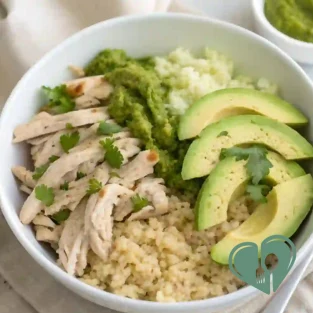
If you’re new to this, start simple with the Crockpot Salsa Verde Chicken (Low Carb, High Protein, Diabetic-Friendly) – it’s flavorful, filling, and basically foolproof.
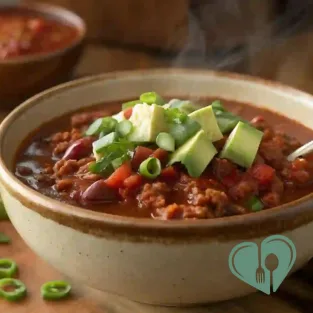
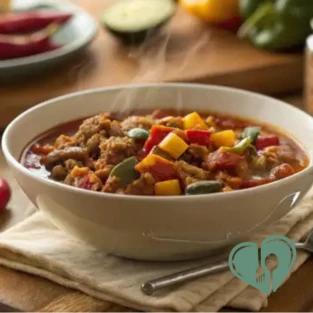
Or try the Crockpot Turkey Chili (No Beans, High Protein) when you want something heartier that still keeps your macros clean.
Net Carbs vs. Total Carbs – What Actually Matters
If you’re reading food labels and wondering why none of it adds up, here’s the short version: you want to look at net carbs, not total carbs.
Net carbs are what’s left after you subtract fiber and sugar alcohols. Those don’t raise your blood sugar the same way, so they give you a better picture of how your meal actually affects you.
Here’s a quick example: if something has 20 grams of total carbs and 8 grams of fiber, your net carbs are 12. That’s the number that matters.
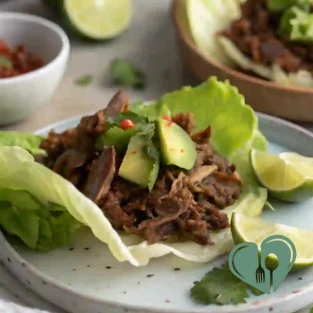
Meals like Crockpot Shredded Beef Lettuce Wraps make this easy – they’re high in protein, low in net carbs, and packed with flavor. No complicated tracking, no guilt.
If you want to really understand how carbs behave in slow-cooked meals, check out Mastering Net Carbs & Glycemic Load for Crockpot Cooking. It breaks down how different ingredients affect blood sugar and shows you how to balance them without the math headache.
Protein: The Secret Weapon for Feeling Full and Steady
Here’s something most people don’t realize -when you eat enough protein, your body naturally calms down. Hunger fades. Cravings shrink. Your energy stays steady. That’s the protein leverage effect – your body’s way of saying, “Hey, this is what I actually needed.”
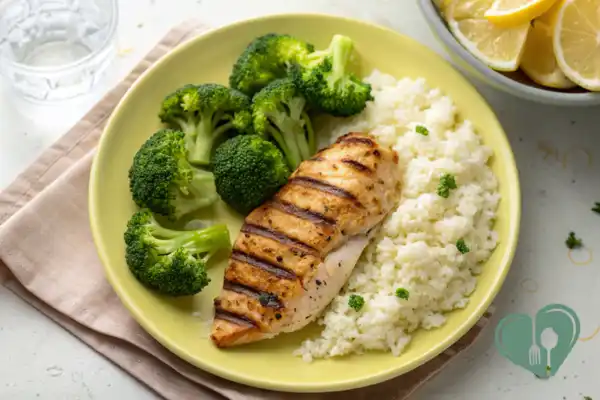
And the crockpot makes it ridiculously easy to get there. Chicken, beef, turkey, tofu – they all turn tender and flavorful when you cook them slow. You don’t need fancy recipes or a ton of effort. You just need consistency.
FAQ: How do I know if my carb and protein balance is right?
Pay attention to how you feel after eating. If your glucose stays steady, you’re full but not sluggish, and you don’t crave snacks an hour later – you’re probably right where you need to be. Adjust slowly and listen to your body. That’s a lot more accurate than any calculator.
Choosing the Right Crockpot Setup
You don’t need some fancy gadget with a touchscreen and ten settings to eat better. You just need a slow cooker that fits your life. The right crockpot makes healthy eating easy – not because it’s high-tech, but because it works with you instead of against you.
What Actually Matters When You’re Choosing One
Forget all the extra buttons. You’re not running a restaurant. Here’s what really matters:
- A built-in timer – so your food doesn’t overcook if you’re stuck at work or running errands.
- A “keep warm” setting – this saves dinner if your timing’s off (because it always is).
- A removable insert that’s easy to clean – trust me, you’ll thank yourself later.
- A tight lid and even heat – so your meals cook evenly and stay juicy.
And here’s something people miss: temperature control actually matters. Some slow cookers run way hotter than they should. If your food keeps drying out or sticking, it’s not you – it’s your machine.
According to the American Diabetes Association (ADA), cooking foods at safe internal temperatures (above 160°F or 70°C) helps prevent bacteria growth and keeps nutrients intact. So, slow and steady really does win here – both for flavor and health.
Picking the Right Size
Think about how you cook.
- If you’re cooking for one or two, a 3–4 quart crockpot is perfect.
- If you batch cook for the week, go with a 6 or 8 quart model. You’ll get leftovers without crowding your food.
And if you like variety, a dual slow cooker can be a game changer – two sections, two different meals, same effort. Chicken curry in one side veggie stew in the other. Done.
A Few Tools That Make Life Easier
You don’t need a kitchen full of gadgets, but a few simple things help a lot:
- A food scale for portioning (so you know exactly how much protein you’re eating).
- Freezer-safe glass containers – they make storing and reheating super easy.
- Silicone liners or crockpot bags – total lifesaver on cleanup days.
These little habits – portioning, labeling, freezing – are what keep you consistent. You’re not guessing what’s in your bowl or how much you should eat. It’s all there ready to go.
FAQ: What size slow cooker is best if I’m meal prepping for diabetes?
If you’re cooking for yourself, a 3–4 quart model is perfect – small enough to manage portions. If you like prepping multiple meals or cooking for family, go with a 6 or 8 quart. You can freeze leftovers and save yourself time (and blood sugar spikes) later.
Top Protein Sources for Diabetic Crockpot Cooking
If you’re trying to manage diabetes and stay full longer, protein is your best friend. It slows digestion, balances your blood sugar, and helps you avoid that “snack attack” feeling a couple hours after eating. The best part? Crockpots make protein stupidly easy. You throw it in, set the timer, and let it do its thing. By the time you come back, your food’s juicy, tender, and ready to go.
Lean Meats That Actually Taste Good
When most people think “lean protein” they picture dry chicken breast or flavorless turkey. But slow cooking changes the game it keeps meat moist and lets it soak up flavor while staying low in fat.
- Chicken and turkey are everyday staples. They go with just about any sauce or spice combo.
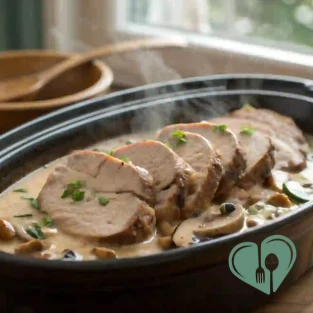
- Pork tenderloin is underrated – super lean but when it’s slow-cooked it turns soft and flavorful instead of chewy. The Crockpot Pork Tenderloin with Mushrooms is a solid example – simple ingredients, rich flavor, and totally blood-sugar-friendly.
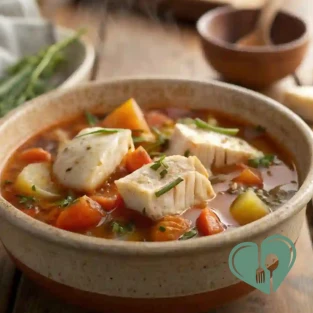
- Fish also works great in a crockpot – you just add it near the end so it doesn’t fall apart. The Crockpot Fish Stew with Vegetables is proof you can cook seafood without babysitting it.
And if you’re keeping protein high for weight loss, check out High-Protein Crockpot Meals for Weight Loss in Type 2 Diabetes – it’s packed with ideas that help you stay in control without feeling like you’re on a “diet.”
Going Plant-Based Without Losing Protein
You don’t have to rely on meat to get your protein in. The crockpot is perfect for plant-based cooking too – especially when you pick ingredients that hold their texture and absorb flavor.
- Tofu does great in slow-cooked curries and soups. It soaks up everything around it and stays satisfying.
- Tempeh gives you more bite if you like a firmer texture.
- Lentils and peas can work too, just balance them with low-carb veggies like spinach or cauliflower.
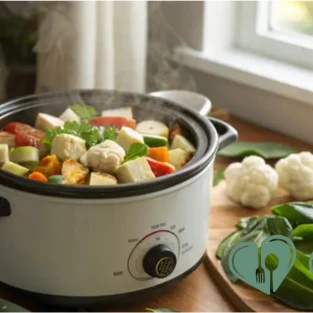
If you want a no-fuss vegetarian meal that still hits your macros, try the Vegetarian Tofu & Cauliflower Curry – flavorful, filling, and perfect for anyone cutting back on meat.
Vegetarian Tofu & Cauliflower Curry
You can find more ideas in Vegetarian & Plant-Forward Low-Carb Crockpot Meals – it’s full of easy, flexible recipes that taste good and keep your blood sugar steady.
A Few Texture Tips
Each protein cooks differently, and knowing when to add what makes all the difference:
- Chicken and turkey: about 4–6 hours on low.
- Pork tenderloin: around 6 hours max.
- Fish: last 30–40 minutes only.
- Tofu or tempeh: 4–5 hours is plenty.
When in doubt, go lower and check earlier. The goal is tender, not mushy.
FAQ: Can I mix different proteins in one crockpot meal?
You can, but timing’s everything. Chicken and pork can cook together fine, but fish needs to go in late. If you’re mixing plant protein with meat, add it near the end so it doesn’t fall apart. Think of your crockpot like a slow rhythm – once you get the timing right, everything hits perfectly.
Low-Carb Vegetables That Thrive in the Crockpot
Let’s be honest not every veggie can handle a slow cooker. Some turn to mush, others disappear into the sauce, and a few somehow manage to do both. But once you figure out which vegetables actually like being slow-cooked everything gets easier (and tastier).
For anyone managing diabetes, the right veggies are a total game changer. They keep your carbs low, your meals filling, and your blood sugar steady without making food feel “diet-y.”
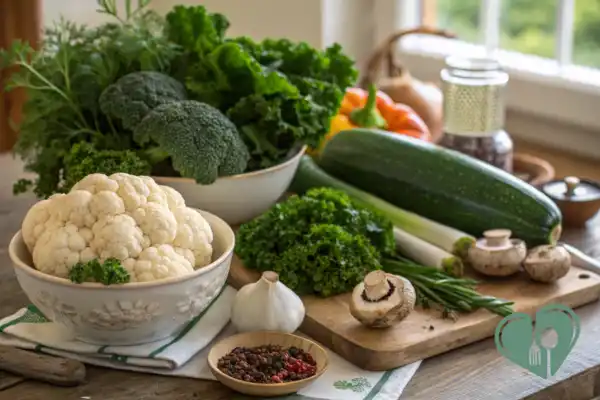
The Veggies That Can Handle the Heat
Here’s the thing – firm, low-starch veggies are where the magic happens. They hold up under heat, soak up flavor, and make your meal feel hearty. My short list:
- Cauliflower – total powerhouse. It thickens sauces and soaks up whatever flavor you throw at it.
- Spinach and kale – toss them in near the end for that deep green goodness.
- Mushrooms – they’re like little sponges of flavor.
- Zucchini or broccoli – great options, but only if you add them late.
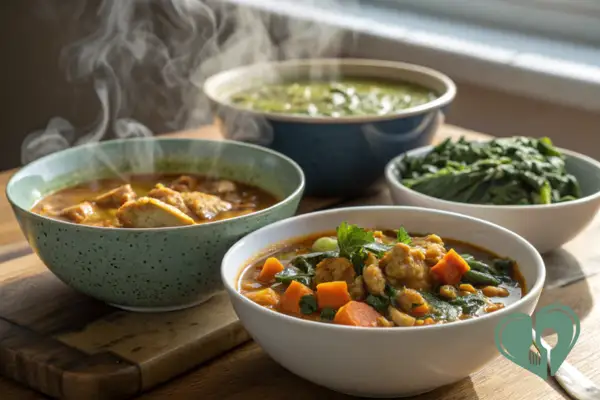
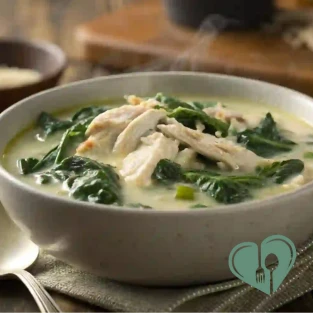
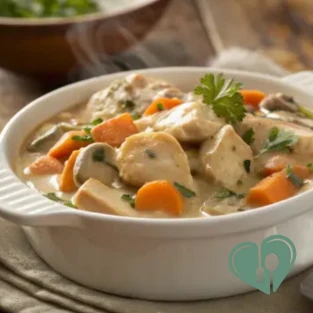
If you want something that hits all the right notes cozy, creamy and comforting – the Creamy Spinach Chicken Soup (Low Carb, Low Sodium) is perfect. It’s one of those soups that feels rich without actually being heavy or salty.
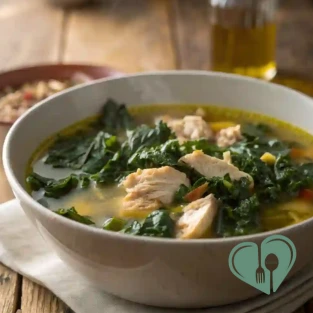
And if you’re after something lighter but still filling, try the Low-Carb Chicken & Kale Soup. It’s clean simple and great for when you want something warm that won’t weigh you down.
Timing Is Everything
The biggest mistake people make with crockpot veggies? Throwing everything in at once. Don’t do it. Start with the firm stuff cauliflower, mushrooms, carrots and save your greens and softer veggies for the end.
That one change keeps everything from turning into mush. It also helps with blood sugar – the less your veggies break down, the slower your body digests them and the steadier your glucose stays.
Keeping It Light on Sodium
If you’re managing both diabetes and blood pressure (or just trying to eat cleaner), sodium can sneak up fast. The good news? You don’t need it. The slow cooker builds flavor on its own – you just have to let time do its job.
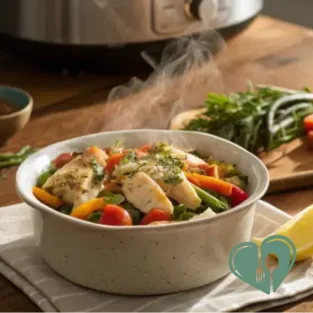
Use garlic, herbs, lemon juice or a splash of vinegar to add punch without salt. And if you’re looking for ideas that balance both kidney and blood sugar health check out Kidney-Friendly, Low-Sodium Crockpot Meals for Diabetics. It’s full of small tweaks that make a big difference.
FAQ: Can I use frozen vegetables in my crockpot?
You can but be smart about it. Frozen veggies add extra water which can make some dishes too thin. If you’re making soup, no problem – throw them in. But for thicker meals, thaw and drain them first so your sauce stays flavorful instead of watery.
Flavoring Without the Sugar: Herbs, Spices & Sauces
Let’s be honest – low-carb or diabetic-friendly food sometimes gets a bad rap for being bland. But it’s not the food’s fault. Most people just don’t season it right. When you figure out how to layer flavor – real flavor – you stop missing sugar entirely.
Building Flavor the Right Way
Here’s the thing about slow cooking: the flavors don’t just sit on top – they sink in. That means every spice, every herb, and every drop of broth has time to build depth. you don’t need sweet sauces or bottled marinades full of hidden carbs.
Start simple. Garlic, onion, herbs and a splash of something acidic lemon juice, vinegar, or even tomatoes – can wake up an entire dish. Acidity does what sugar used to do: it balances everything.
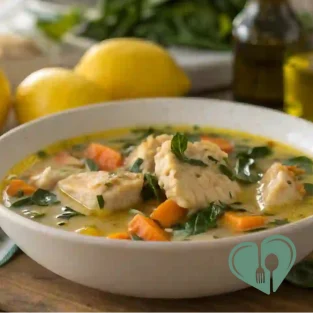
If you want proof, try the Low-Carb Greek Lemon Chicken Stew. It’s bright tangy and packed with herbs, yet still perfectly comforting.
Cutting Salt Without Losing Flavor
Salt’s a tricky one. You need some, sure – but most of us use way more than necessary. The secret is layering different types of flavor so you’re not relying on salt alone.
Here are a few easy swaps that actually work:
- Citrus zest or juice – adds brightness instantly.
- Smoked paprika or cumin – brings warmth and depth.
- Fresh herbs at the end – parsley, cilantro or dill keep everything tasting fresh.
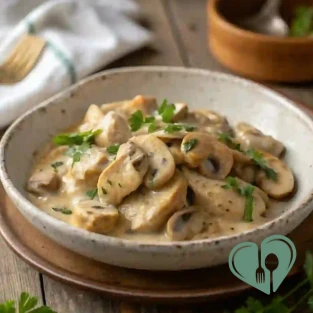
If you’re after something creamy and savory the Mushroom & Chicken Stroganoff (Low-Carb Version) nails that balance. It’s rich and comforting without the heavy sodium or hidden sugars that sneak into most sauces.
Finding Natural Sweetness
Once you cut added sugar, your taste buds start noticing the sweetness in regular foods tomatoes, carrots, onions even herbs like basil or tarragon. Cooking them slowly brings that sweetness out naturally.
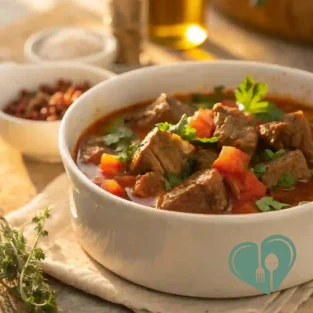
That’s what makes dishes like the Mediterranean Lamb Stew so satisfying. The long slow cook pulls sweetness from the vegetables and blends it with the herbs and spices until everything tastes deep and balanced.
Making Your Own Sauces
You don’t need store-bought sauces to get big flavor. Use a mix of low-sodium broth, tomato paste, garlic, herbs and maybe a splash of balsamic or coconut aminos. Slow cooking will do the rest.
And if you ever crave that “restaurant-style” flavor, roast your spices for a minute or two before tossing them in the crockpot. It wakes them up and gives your dish that warm, layered taste – no sugar required.
FAQ: How do I make my sauces creamy without using sugar or heavy cream?
Use unsweetened coconut milk, Greek yogurt, or even blended cauliflower. They give you that silky, thick texture without the sugar or extra fat. And once you’ve done it a few times, you won’t even think about going back to heavy cream.
Crockpot Techniques for Texture & Consistency
Let’s be honest – not every crockpot meal comes out great. Sometimes you get tender perfection other times it’s a bowl of mush or soup that wasn’t supposed to be soup. Happens to everyone. The good news? A few small tweaks can fix most of it.
Get the Layers Right
Most people throw everything in at once and hope for the best. I’ve done it too – it’s easy, but it’s also why food overcooks or turns into a soft mess. The trick is to layer things based on how long they actually need to cook.
Put your protein at the bottom – it’s the slowest to cook and needs the most heat. Then add your denser veggies (cauliflower, carrots, mushrooms). Anything soft – spinach, kale, zucchini – goes on top or added near the end.
This one simple change makes a huge difference. If you want to see it done right check out the Low-Carb Thai Coconut Chicken Curry. It’s got that perfect balance – tender chicken, soft veggies, creamy sauce – because of the layering.
Add Dairy and Greens Late
If you’ve ever ended up with curdled sauce or limp greens, this is why. Slow cookers don’t love dairy or delicate vegetables early on. Add things like yogurt, cream, or cheese near the end last 30 minutes or right before serving. Same for spinach kale or anything leafy.
That’s how you get that rich, silky finish without your sauce splitting or your greens disintegrating. The Mushroom & Chicken Stroganoff (Low-Carb Version) is a perfect example. The cream goes in at the end not the beginning, which keeps it smooth and velvety instead of grainy.
When Your Sauce Turns Watery
This one’s a classic crockpot problem. You open the lid and find your sauce’s turned into broth. It’s not you – slow cookers trap steam, so all the liquid from meat and veggies stays in the pot.
Here’s how to fix it:
- Crack the lid open during the last 30 minutes to let some steam out.
- Use less broth or sauce next time.
- Add a spoonful of something thick – blended cauliflower chia seeds or even a bit of cream cheese if the recipe allows.
If you’re still struggling to get the texture right check out Troubleshooting Slow Cooker Meals: Timing, Texture & Flavor. It breaks down all the small stuff – when to add what, how to fix watery sauces, even what to do when your meat turns stringy.
The Real Secret? Patience.
You can’t rush slow cooking (funny, right?). The best meals come from letting things take their time – low heat, long hours and the right order. Once you get a feel for that rhythm, you’ll barely ever have a bad batch again.
FAQ: My crockpot meals taste flat – what’s missing?
Usually, it’s acid. A squeeze of lemon, a splash of vinegar, or some chopped herbs right before serving makes everything taste fresh again. Don’t skip that final touch – it’s the difference between “fine” and “wow.”
20+ Recipe Frameworks for Every Goal
Once you get the hang of crockpot cooking, recipes turn into rough ideas instead of strict rules. You start noticing patterns – a base of protein, a few low-carb veggies, a sauce that ties it together – and suddenly you can throw together meals that fit whatever goal you’ve got this week.
Here are twenty real-life ideas to build from. Mix, match, tweak, and make them your own.
When You’re Focused on Weight Loss
Slow cooking makes it ridiculously easy to hit that high-protein, low-carb balance that keeps you full and steady. These meals check every box:
- Crockpot Salsa Verde Chicken – lean, flavorful, and perfect for weekly meal prep.
- Slow Cooker Beef & Cauliflower Rice Bowl – feels like comfort food but totally blood-sugar-friendly.
- Crockpot Low-Carb Turkey Chili – hearty, bean-free, and full of spice.
- Crockpot Shredded Beef Lettuce Wraps – high protein, low carb, and easy to portion out.
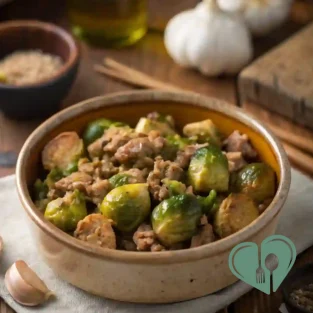
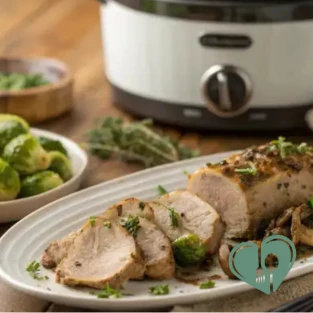
- Crockpot Turkey & Brussels Sprouts – light, flavorful, and surprisingly filling.
If you’re looking for more ideas that hit these same macros, check out High-Protein Crockpot Meals for Weight Loss in Type 2 Diabetes.
When You’re Craving Comfort Food
Some days you just want something that feels like home. The slow cooker turns simple ingredients into deep, rich flavor without wrecking your numbers.
- Creamy Spinach Chicken Soup (Low Carb, Low Sodium) – cozy, creamy, and kind to your glucose.
- Low-Carb Greek Lemon Chicken Stew – bright and hearty at the same time.
- Mushroom & Chicken Stroganoff (Low-Carb Version) – indulgent flavor, no carb crash.
- Mediterranean Lamb Stew – rich, fragrant, and perfect for a slow weekend meal.
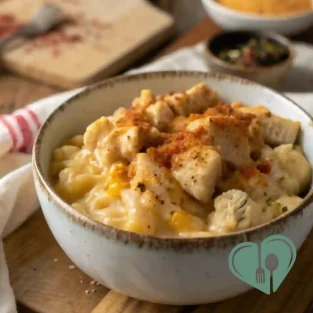
- Crockpot Cauliflower “Mac” & Cheese with Chicken – pure comfort made smarter.
When You Want Something Quick or Fun
Not every slow-cooked meal has to be a stew. These are easy, crowd-pleasing dishes that still fit your plan.
- Buffalo Chicken Crockpot Dip – perfect for game nights or high-protein snacking.
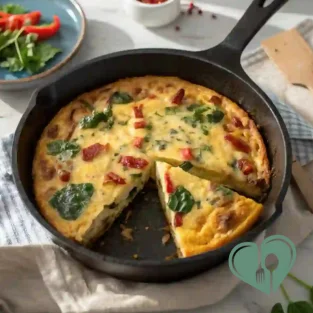
- Crockpot Breakfast Frittata – a simple make-ahead breakfast that keeps mornings stress-free.
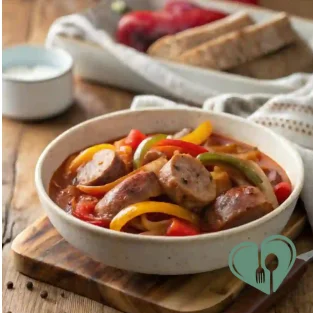
- Crockpot Sausage & Peppers – bold, satisfying, and great over cauliflower rice.
- Crockpot Pesto Chicken with Zucchini – bright, herby, and low-carb without trying.
When You’re Eating More Plants
Plant-forward meals can be just as satisfying if you pick the right ingredients.
- Vegetarian Tofu & Cauliflower Curry – rich, high-protein, and full of flavor.
- Crockpot Fish Stew with Vegetables – light, colorful, and loaded with fiber.
- Low-Carb Chicken & Kale Soup – technically not vegetarian, but fits the same clean, balanced vibe.
If you’re diving deeper into plant-based slow cooking, Vegetarian & Plant-Forward Low-Carb Crockpot Meals has a bunch of flexible combos to play with.
When You’re Batch Cooking or Freezing Ahead
This is where the crockpot really earns its keep. Cook once, eat four times.
- Crockpot Pork Tenderloin with Mushrooms – juicy even after freezing and reheating.
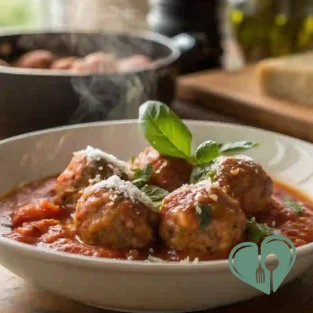
- Turkey Meatballs in Tomato Sauce – perfect freezer meal for busy weeks.
- Low-Carb Chicken & Kale Soup (again!) – stays flavorful even after a week in the freezer.
For step-by-step tips on labeling, freezing, and reheating, check out Batch Cooking & Freezer-Friendly Crockpot Meals for Diabetics.
And if you’re watching your wallet while doing all this, don’t miss Budget-Friendly Low-Carb Crockpot Meals – it’s full of ways to stretch ingredients without ever feeling like you’re compromising flavor.
FAQ: How Do I Use These Recipes Without Getting Bored?
Simple – switch up the flavor base. Use salsa one week, curry paste the next broth and herbs after that. Once you get comfortable mixing and matching proteins, veggies, and spices, these twenty meals turn into hundreds of variations.
Batch Cooking, Freezing & Reheating Tips
Here’s the truth – batch cooking isn’t about being organized or fancy. It’s about survival. You cook once, you eat all week and you stop stressing about dinner. The crockpot makes that possible.
You throw in your ingredients walk away, and come back to a meal big enough for a few days. And when life gets messy (because it always does) you’ve got something real waiting in the fridge instead of takeout menus.
Why It Works So Well
For anyone managing diabetes, consistency is everything. You can’t always control your day but you can control what’s already cooked and ready to eat. When your meals are done ahead of time you stop skipping, snacking, or reaching for stuff that throws your blood sugar off.
The best part? Crockpot food actually gets better after a day or two. The flavors deepen, the texture settles – it’s the kind of food that was meant to be reheated.
Start with the Slow Cooker Beef & Cauliflower Rice Bowl if you want something hearty and freezer-safe. The Crockpot Low-Carb Turkey Chili is another classic – no beans, tons of flavor and even better after sitting overnight. And when you want something simple that everyone will actually eat, go for the Turkey Meatballs in Tomato Sauce. Total crowd-pleaser and it reheats beautifully.
If you want to get serious about prepping for the week check out Batch Cooking & Freezer-Friendly Crockpot Meals for Diabetics. It’s packed with practical stuff -how to portion, what freezes best, how to keep flavor from fading.
Storing and Portioning Without Losing It
The biggest mistake people make? Freezing giant containers of food. You thaw half of it, eat once, and the rest ends up in the trash. Always freeze in single servings. It takes a little more time upfront but it saves you from wasting food later.
Use freezer-safe glass containers or silicone bags. Label everything – name and date. You think you’ll remember what it is, but three weeks later, that mystery orange blob says otherwise.
Reheating Without Ruining It
Microwaves are fine, but don’t go full blast. Reheat on low or medium heat with a splash of broth or water to bring the moisture back. Soups and stews? Warm them on the stove. They come back to life beautifully that way.
And here’s a small trick – add something fresh before serving. A squeeze of lemon, a sprinkle of herbs, maybe a dash of hot sauce. It makes leftovers taste like they were cooked today.
Why It’s Worth It
Once you start batch cooking, you’ll wonder how you ever managed without it. You eat better your blood sugar stays steady and you don’t spend your evenings cooking or cleaning. It’s one of those quiet habits that makes your week feel smoother – no tracking, no guilt, no stress.
FAQ: How long do slow-cooked meals last in the freezer?
Most of mine last around two to three months if I store them right. Anything longer and the flavor starts to fade. Soups and sauces usually hold up the best. Just make sure they’re sealed tight and labeled.
Portioning & Glycemic Control
Let’s be honest – portion control can get tricky when the food’s good. You tell yourself, “just a little more,” and suddenly you’ve doubled your carbs and your glucose meter isn’t happy. Been there.
The thing is, it’s not about eating tiny portions or feeling deprived. It’s about getting the balance right so your blood sugar stays steady and you actually feel satisfied.
Finding the Right Portion for You
Everyone’s different. What fills one person up might barely touch another. But as a general rule, aim for a plate that’s about half veggies, a solid serving of protein, and just a small amount of healthy carbs – maybe a handful’s worth if you’re using something like cauliflower rice or beans.
And here’s a simple trick: use smaller containers when you portion out your crockpot meals. It sounds silly, but it works. You eat what you serve yourself.
The Crockpot Shredded Beef Lettuce Wraps are a great example of how easy portion control can be – high protein, low carb and you naturally end up eating just enough. No scales or measuring cups required.
If you want to dive deeper into how protein helps with appetite and glucose balance, check out High-Protein Crockpot Meals for Weight Loss in Type 2 Diabetes – it’s packed with meal ideas that hit that perfect middle ground of filling and balanced.
Weighing Without Overthinking
If you’re tracking macros or watching carbs closely, a small food scale helps. We’re not talking obsessive measuring – just enough to get a feel for what your typical serving should look like. After a few weeks, you’ll be able to eyeball it easily.
You can also use everyday stuff to estimate:
- Your palm = about one serving of protein
- Your fist = about one cup of veggies
- Your thumb = about one tablespoon of fat
That’s all you need. No math, no apps, just basic awareness.
Smart Tools That Make Life Easier
If you want to stay consistent, a few kitchen helpers go a long way:
- Digital kitchen scale – great for portioning protein.
- Measuring cups – good for soups or chili.
- Meal prep containers – pre-portioned meals mean no guesswork later.
I also like using an app to log meals occasionally, not every day – just enough to spot patterns. You start noticing which meals keep your energy steady and which ones don’t.
The Payoff
When you start eating balanced portions you feel the difference fast. Your blood sugar stays even, you don’t crash mid-afternoon, and you stop obsessing over food. It’s not about restriction – it’s about control that feels natural.
FAQ: Do I really need to track everything I eat?
Not forever. Do it for a bit, get to know what your plate should look like, and then trust yourself. Once you’ve built the habit, you won’t need the numbers – you’ll just know when it’s right.
Customizing & Swapping Recipes
If you’ve cooked the same few meals over and over, you know the feeling – everything starts tasting the same. That’s when it’s time to start swapping things around. Crockpot meals are perfect for that. They’re flexible, forgiving, and honestly, kind of hard to mess up once you know the basics.
Why You Shouldn’t Stick to One Version
Healthy eating gets boring fast if you don’t change it up. When you’ve got diabetes, that boredom can be dangerous – it’s usually what pushes people to grab takeout or something easy. But when you can tweak recipes to fit your mood (or what’s in your fridge) it doesn’t feel like work.
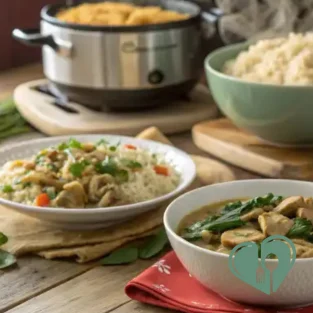
The Slow Cooker Beef & Cauliflower Rice Bowl is a great example you can make it with turkey pork or even tofu and it still tastes amazing. Same for the Creamy Spinach Chicken Soup (Low Carb, Low Sodium) – it works with any protein you throw in and the flavor stays solid.
If you want more ideas like that, check out Smart Ingredient Swaps for Lower-Carb Crockpot Cooking. It breaks down what to trade and why it works – no guesswork, no flavor loss.
Easy Swaps That Don’t Ruin the Meal
You don’t need to change everything – just the parts that make sense. Here are a few swaps I use all the time:
- Instead of rice: Go for cauliflower rice or chopped cabbage. Same texture no carb hit.
- Instead of heavy cream: Try unsweetened coconut milk or blended cauliflower. Works every time.
- Instead of chicken: Switch to turkey pork tenderloin or tofu. Just adjust the timing a bit.
- For extra flavor: Add lemon juice, herbs or a touch of vinegar instead of sugar-heavy sauces.
For instance the Low-Carb Thai Coconut Chicken Curry tastes just as good with shrimp or tofu instead. And the Mushroom & Chicken Stroganoff (Low-Carb Version)? Swap the chicken for turkey or add more mushrooms for a meat-free version – it still comes out creamy and rich.
If you’re eating plant-based more often the Vegetarian Tofu & Cauliflower Curry is one of those meals you’ll keep coming back to. It’s hearty, flavorful, and doesn’t feel like “vegetarian food.”
And if you want something leaner but filling, try the Crockpot Turkey & Brussels Sprouts. It’s simple, earthy, and keeps your carbs low without feeling like diet food.
Make It Yours
Once you start swapping, you realize you don’t need strict recipes. You start trusting your taste – what works, what doesn’t, what your body responds to. That’s the point. You’re not following a plan anymore; you’re cooking food that actually fits your life.
FAQ: What if I mess up a swap?
Then you learn. Seriously – that’s the only way to figure it out. Worst case, add a splash of broth, more herbs, or a squeeze of lemon to fix it. Crockpots are forgiving. Most “mistakes” still end up edible – sometimes even better.
Troubleshooting Common Mistakes
If you’ve ever lifted the crockpot lid and thought “Well… that didn’t go as planned,” you’re not alone. Every slow-cooking fan’s been there. Too watery. Too mushy. Meat that falls apart when you didn’t want it to. The good news? These are all fixable – and once you figure out why they happen, you’ll almost never mess up again.
When Everything Turns to Mush
This one’s classic. Usually, it’s because everything cooked for too long or went in at the same time. Hard veggies like carrots cauliflower or mushrooms can handle long hours. Softer ones zucchini, spinach, kale can’t.
Add the delicate stuff near the end, not the beginning. That’s how you keep texture and color. You’ll see this trick done perfectly in the Low-Carb Thai Coconut Chicken Curry – the greens go in late, so everything stays bright and fresh instead of wilted.
When Your Sauce Is Too Watery
Crockpots don’t let steam escape so all that moisture from meat and veggies ends up in the pot. If your dish looks like soup when it’s supposed to be creamy don’t panic. just crack the lid open during the last 30 minutes to let some steam out, or mix in a spoonful of chia seeds or blended cauliflower to thicken it up naturally.
The Mushroom & Chicken Stroganoff (Low-Carb Version) gets this balance just right – rich sauce, thick texture, no weird separation. It’s a good one to study if you want to nail creamy crockpot meals.
When Meat Falls Apart (in a Bad Way)
Sometimes “tender” turns into “stringy.” Usually that means it cooked too long or got too hot. Use the “low” setting for most proteins, and if your crockpot runs hot, shorten the cooking time by an hour or two.
If you’re meal prepping, cool your food completely before refrigerating or freezing. putting hot food straight in the fridge can make it dry out or taste off later.
When It Just Tastes… Flat
If your food tastes dull, it’s probably missing acid or salt balance. A squeeze of lemon, a dash of vinegar, or a sprinkle of fresh herbs right before serving makes all the difference. Think of it like waking the flavors back up after a long nap.
A lot of people underestimate how much fresh garnish helps too – cilantro, parsley, even green onion. It makes leftovers feel brand new.
Quick Fix Matrix
Here’s a little cheat sheet for next time something goes sideways:
| Problem | Quick Fix | Try This Recipe |
|---|---|---|
| Watery sauce | Crack lid, add chia or puree veggies | Mushroom & Chicken Stroganoff (Low-Carb Version) |
| Mushy veggies | Add soft veggies late | Low-Carb Thai Coconut Chicken Curry |
| Flavor too flat | Add lemon, vinegar, or herbs | Troubleshooting Slow Cooker Meals: Timing, Texture & Flavor |
| Meat too dry | Cook on low, shorter time | Use broth for moisture |
FAQ: How do I fix a meal that’s already overcooked?
You can’t un-cook it, but you can save it. Shred the protein, add sauce or broth, and turn it into something new tacos, lettuce wraps, or soup. You’d be surprised how often “messed up” turns into a new favorite.
7-Day Diabetic Crockpot Meal Plan
Meal planning sounds like a chore until you realize how much easier it makes your week. With a crockpot, it’s not about spending your Sunday in the kitchen – it’s about setting yourself up so you don’t have to think about food when life gets busy.
Here’s a simple seven-day setup to keep your meals balanced, low-carb, and full of flavor. you can swap things around or double up if you like having leftovers (which honestly, you’ll want).
Day 1 – Simple and Fresh
Start the week with Crockpot Salsa Verde Chicken – it’s light, tangy, and pairs perfectly with cauliflower rice or lettuce wraps. It also keeps beautifully so you can eat it again later in the week.
Day 2 – Hearty and Filling
The Slow Cooker Beef & Cauliflower Rice Bowl hits that perfect comfort zone without the carbs. It’s meaty, rich, and feels like takeout – just way better for you.
Day 3 – Classic and Cozy
Crockpot Low-Carb Turkey Chili is one of those meals that tastes even better the next day. Make a big batch, portion it out and you’ll have lunches sorted too.
Day 4 – Comfort Food, the Smart Way
Switch gears with a creamy meal like Creamy Spinach Chicken Soup or a low-sodium stew from your weekly rotation. It’s warm easy to digest and keeps your glucose steady all day.
Day 5 – Flavor Boost
Go for something bold maybe a Thai-inspired curry or Mediterranean-style chicken. The key is using spices, herbs, and acid for flavor instead of sugar or salt.
Day 6 – Easy Prep, Big Payoff
Pull out those leftovers. Mix and match – chili with eggs, shredded chicken over greens or beef served with steamed veggies. This is where batch cooking pays off.
Day 7 – Reset and Refuel
End the week light with a veggie-heavy meal like chicken and kale soup or something similar. You’ll feel good heading into the next week without feeling like you “dieted.”
For an easy printable version and grocery list, check out Meal Planning & Grocery Lists for Low-Carb Crockpot Cooking. It’ll help you organize everything – shopping, portions, and prep – so you spend less time planning and more time actually living.
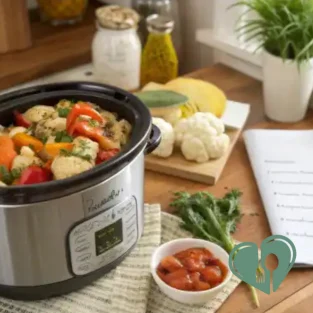
Prep Schedule (Keep It Simple)
- Sunday: Prep 2 proteins and chop veggies for the week.
- Wednesday: Refill one crockpot meal and freeze half.
- Friday: Use up leftovers or freeze what’s left for later.
This way, you’re never starting from scratch, and you always have something ready that fits your plan.
FAQ: Can I repeat meals during the week?
Absolutely. Most of these recipes are made for leftovers. Crockpot food actually tastes better after a day or two – so don’t feel like you need something new every night.
Pairing Low-Carb Sides & Snacks
Here’s the truth – the main dish isn’t everything. You can make the best crockpot meal in the world but if you don’t pair it with the right side or snack, it’s just… missing something. The side is what brings it all together.
And if you’ve got diabetes, it’s not just about taste – it’s about balance. You want meals that keep your blood sugar steady without making you feel like you’re eating “diet food.”
Finding Your Go-To Sides
You don’t need fancy sides. Most of the time, the simple stuff wins. I like keeping a few low-carb staples ready to go so I can mix and match during the week.
Here are a few that always work:
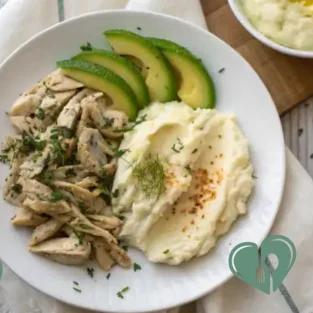
- Cauliflower mash – basically comfort food without the carbs. It’s amazing next to something hearty like Turkey Meatballs in Tomato Sauce.
- Roasted veggies – toss whatever’s in your fridge with olive oil and salt. Broccoli, green beans, Brussels sprouts – they all work.
- Zucchini noodles – great for soaking up sauces, especially tomato or curry-based ones.
- Fresh salads – I like something crisp with lemon or vinegar dressing to balance richer meals.
If you want a bunch of easy side ideas that actually taste good, check out Pairing Low-Carb Sides & Snacks with Crockpot Main Meals – it’s basically a cheat sheet for mixing things up.
Snacks That Keep You Going
Snacking doesn’t have to be the enemy. You just have to do it right. Go for things that mix protein, fat, and a bit of fiber – they’ll keep you full and stop you from reaching for the wrong stuff.
Some of my regulars:
- A handful of almonds or pistachios
- A hard-boiled egg
- Cheese and cucumber slices
- Celery with peanut butter
- A spoonful of Greek yogurt with cinnamon
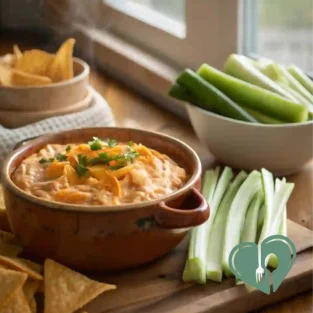
And if you want something warm and actually crave-worthy the Buffalo Chicken Crockpot Dip is gold. High in protein, low in carbs, and tastes like party food – just smarter.
Keeping It Balanced
When you’re putting meals together, think about how everything fits. Your crockpot dish gives you the main flavor and protein. Your side adds fiber or crunch. The snack keeps your energy from dipping later. That’s it.
Once you start thinking this way, eating low-carb stops feeling like a “plan.” It just becomes what you do – easy, steady, and totally normal.
FAQ: Do I have to track every carb from my sides and snacks?
Not really. Focus on portions and balance. If every meal has some protein and fiber, you’re already ahead. The tracking apps are fine if you’re starting out, but after a while, your body tells you what works.
Building Long-Term Success
Eating healthy isn’t about being perfect. It’s about finding a rhythm that actually fits your life. Anyone can do a clean week – it’s the sticking with it that’s the hard part. But here’s the truth: once you learn a few habits that make eating right easy, it stops feeling like work.
Make It Routine, Not a Rule
When food feels like a rulebook, you’ll get tired of it fast. So stop treating it like one. Crockpot meals are your secret weapon here – they’re flexible, forgiving, and honestly, they give you your time back.
Pick one or two slow cooker meals each week and make them your base. Something like the Slow Cooker Beef & Cauliflower Rice Bowl or Creamy Spinach Chicken Soup (Low Carb, Low Sodium) both are simple, flavorful and last for days.
Once you’ve got that base, mix things up with easy swaps. The Low-Carb Thai Coconut Chicken Curry is a good change-up when you want bold flavor and the Mushroom & Chicken Stroganoff (Low-Carb Version) works for days you’re craving something creamy.
For plant-based weeks, try the Vegetarian Tofu & Cauliflower Curry – you’ll get plenty of protein without feeling like you’re missing anything. Or go seasonal with the Crockpot Turkey & Brussels Sprouts – it’s hearty, earthy, and perfect for colder months.
You can find more ideas like this in Smart Ingredient Swaps for Lower-Carb Crockpot Cooking – it’s basically a playbook for how to stay consistent without getting bored.
Listen to What Your Body’s Telling You
This part’s huge. You’ll know when you’re eating right because your body will tell you – steady energy, clear head, no wild cravings. If something feels off, adjust. More protein, fewer starches, or a little more healthy fat – whatever keeps you steady.
Don’t chase perfection. Chase what feels sustainable.
Keep It Interesting
Food should still taste good. Season it. Try new spices. Rotate your sauces. Cooking healthy doesn’t mean eating the same chicken and broccoli forever. That’s why crockpots are great – they handle whatever flavors you throw at them.
If you ever get bored, go back to your favorites and change one thing – the sauce, the spice blend, or the protein. It’s amazing how new a meal can feel with one small tweak.
Use the Right Tools
A few little things can keep you consistent long term:
- Portion containers so you’re not guessing.
- A slow cooker that fits your batch size.
- A freezer section that’s actually organized.
- And a short list of go-to meals that never fail you.
When you’ve got these in place, eating healthy becomes automatic – not a daily decision you have to fight through.
FAQ: What if I fall off track for a week?
You just start again. No guilt, no “restart Monday” nonsense. Pull out your crockpot, make one solid meal, and build from there. Momentum comes from one good choice, not a perfect streak.
Wrapping It Up
You don’t have to overhaul your life to eat better – you just need a few meals that make it easier to stay on track. That’s what this whole guide’s about.
The crockpot isn’t just a kitchen tool it’s the cheat code for consistency. it helps you prep once, eat smart all week, and keep your blood sugar steady without stressing over every bite. You don’t have to count every carb, chase every number or cook every night. You just build a few habits – and let the slow cooker do the rest.
Whether it’s the Crockpot Salsa Verde Chicken that keeps you full all afternoon, the Low-Carb Thai Coconut Chicken Curry that makes healthy food exciting again, or the Mushroom & Chicken Stroganoff (Low-Carb Version) that proves comfort food can still be good for you – every recipe here is another step toward balance.
Take it one meal at a time. Play with flavors. Mess up a few batches. You’ll learn what works for your body, and before you know it, eating for your health won’t feel like a task anymore – it’ll just feel normal.
Because the goal isn’t to eat perfectly. The goal is to eat well enough, consistently, for a long time. And your crockpot’s got your back for that.