
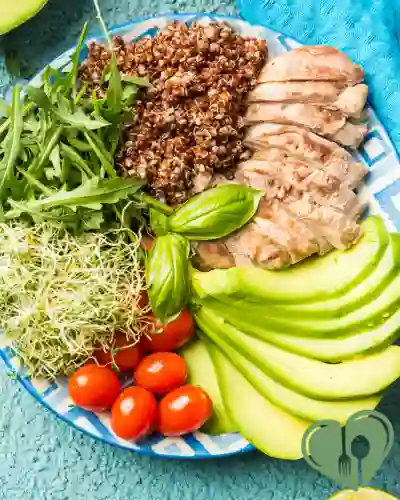
Glycemic Index in Diabetic Meal Planning isn’t just a chart or a number it’s something you start to notice when your blood sugar acts weird after eating the same meal two days in a row. One day it’s fine. The next, it spikes or crashes, and you’re left staring at your plate like it kept a secret from you.
If you’re living with diabetes, GI can feel like either a helpful clue or just more noise. It’s supposed to tell you how fast food turns into sugar. Sounds simple, but in real life? It’s rarely that clean. Sometimes it explains everything. Sometimes it explains nothing.
But once you stop looking for perfect answers and just use it to notice patterns, it gets easier. You learn why some meals hold you steady and others don’t. Why oatmeal works but cornflakes crash you. Why barley beats white rice even if both look harmless on the plate.
This isn’t about rules or restriction. It’s about getting through the day without feeling wrecked after lunch. This guide breaks down how the glycemic index and glycemic load actually play out in diabetic meal planning so you can eat with more clarity, fewer surprises, and a little more peace.
What Is the Glycemic Index (GI) and Why It Matters
There are days when you do everything “right” and your blood sugar still kicks up for no clear reason. You check what you ate, compare it to yesterday, and it doesn’t make sense. But your body’s not broken. You’re not doing it wrong. The numbers just don’t tell you what you actually need to know.
That’s where the glycemic index matters. It doesn’t tell you how much sugar you ate. It tells you how fast it hit. That’s it. Not grams. Just pace.
Some foods raise blood sugar slowly. Others flood your system. The GI measures that difference. Not perfectly but better than nothing.
Foods are assigned a number between 0 and 100:
- Low GI (≤55): oats, beans, apples. They digest slowly. Blood sugar rises in a softer arc.
- Medium GI (56–69): things like couscous or whole grain rice. They vary depending on the rest of the meal.
- High GI (≥70): white bread, cornflakes, instant noodles fast movers. You feel it not long after you eat.
Glucose is the baseline set at 100. Everything else is measured against how fast it acts compared to that.
When a meal hits fast, your body rushes to catch up. It releases insulin, sometimes too much, and before long you’re tired or foggy or hungry again even though you just ate. You don’t always notice it until it’s already happening. You just feel… off.
Low-GI foods slow that down. They give your system a chance. The rise is there, but it doesn’t whip around so hard. You stay more level. You feel fuller longer. Not perfect. But more manageable.
Eventually, you stop needing a number to tell you. You feel the difference. The GI just explains what your body was already trying to show you.
Glycemic Index vs. Glycemic Load – What’s the Difference?
At first, it’s all about the glycemic index. That’s what people bring up. Low GI is good, high GI is risky, and everything in between is… kind of up to interpretation. It’s not wrong, just not complete. Because at some point, you hit a wall something with a low GI still spikes you, or something with a high GI barely moves the numbers. And it throws you. You check what you ate, you look it up again, and it still doesn’t quite line up.
That’s where glycemic load starts making more sense. Not because it’s better, but because it fills in what GI misses. GI looks at how fast carbs turn to sugar. GL looks at both speed and size how fast, and how much. It’s the difference between sipping something sweet and downing a jug of it.
So even if a food hits quickly, if there isn’t much sugar in the portion, it might not actually do much. That’s why watermelon ends up being the go-to example. It digests fast, sure, but there’s not a lot of sugar in a slice. So the glycemic load is low. GI by itself would make you avoid it. GL helps you realize it’s fine.
It’s not about being technical. It’s about food that makes more sense. GL won’t tell you everything either, but it brings the numbers closer to what actually happens in your body. Less guessing. Fewer surprises. That’s the point, really.
How GI Affects Blood Sugar in Diabetics
Sometimes you eat and you feel fine, and then an hour later you don’t. It’s not dramatic. Just… something’s wrong. You’re full, but it feels like you’re crashing. You want more food, even though you shouldn’t be hungry yet. Your hands feel a little off. Maybe your mood drops. It’s hard to name, but it’s real.
That happens when food hits too fast.
High-GI meals do that. Not every time, but often. Sugar comes in quick, insulin overreacts, then you’re on the other side of it before your body can steady itself. That’s when you feel weird. Like your energy just cut out underneath you.
Low-GI stuff isn’t like that. It’s slower. Not perfect, not magic, just easier. Your body doesn’t have to panic to keep up. You still get a rise, but it doesn’t feel like a spike. It doesn’t snap back as hard.
When you eat fast carbs all the time, those crashes stack up. And it becomes more difficult to distinguish what is real the more it occurs. Anxiety is similar to hunger. Fatigue feels like sugar. The signals blur.
This isn’t about food rules. It’s just about getting some breathing room. Eating in a way that doesn’t make your day harder than it already is.
Low-GI Foods Ideal for Diabetic Meals
You already know when a meal hits wrong. Your body tells you fast. But on the days when everything’s unpredictable, it helps to have a list just a starting point. Something you can go to when you’re too tired to figure it out from scratch.
These foods don’t fix blood sugar. They’re just slower. Which means less scrambling after you eat.
Grains
- Barley
- Quinoa
- Steel-cut oats
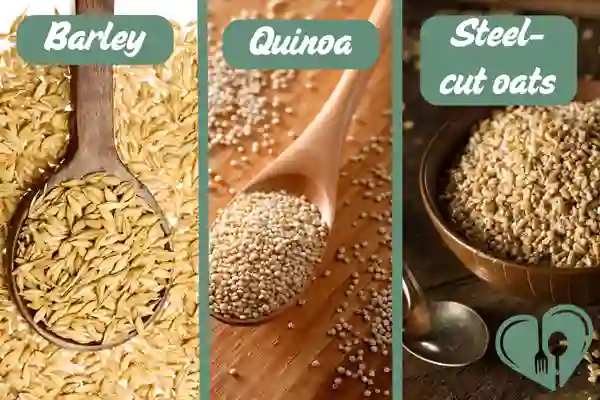
Barley’s solid. Doesn’t get enough credit. Quinoa’s fine too not amazing, not bad. Oats help, but the steel-cut kind not the mushy stuff. Add a little fat or fiber and they hold better.
Looking to swap high-GI staples like white rice or soft bread? Here’s a full list of smart carb substitutes for diabetics that won’t spike your blood sugar with swaps for pasta, rice, and bread that actually work.
For a deeper breakdown of how to swap high-GI foods without sacrificing comfort or taste, check out our guide on Glycemic Index and Smart Carb Swaps for Diabetics.
Vegetables
- Leafy greens
- Broccoli
- Zucchini

These don’t spike you. They just sit quiet in the background. You can eat a lot of them without thinking too hard. Helps to have something on the plate you don’t have to stress about.
Legumes
- Lentils
- Chickpeas
- Black beans
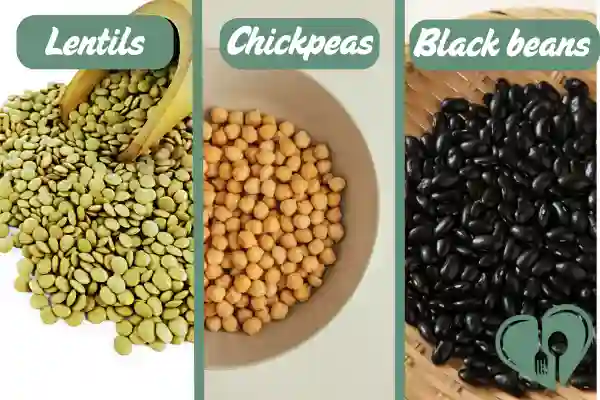
These are slow burners. They don’t hit fast. Add them to whatever soup, wraps, side dish. They keep you full, and they usually behave.
Fruits
- Berries
- Apples
- Cherries
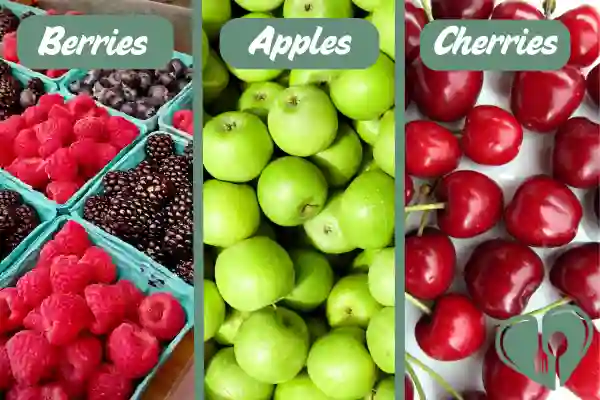
You hear “fruit” and think “sugar,” but these are different. You eat them whole, not juiced, and they land okay. The fiber slows it down. Just don’t go overboard.
Others
- Greek yogurt
- Nuts and seeds
- Vinegar and olive oil
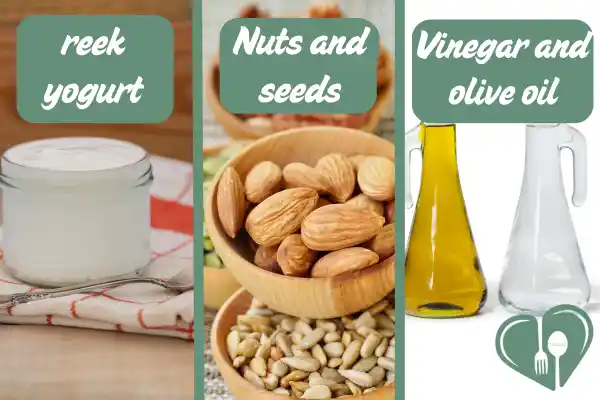
Yogurt, if it’s plain. Nuts help too almonds, walnuts, whatever. Vinegar actually changes how your body handles carbs a bit. Not a fix. But it shifts the pace. That’s enough sometimes.
This list isn’t about what’s “good.” It’s about what doesn’t make things worse. On hard days, that’s all you’re really looking for..
Practical Ways to Lower the GI of Your Meals
You eat something and feel off afterward wired, then tired, then hungry again. Not always, but often enough that you start to see a pattern. That pattern is what this is about.
Lowering the GI of a meal isn’t about switching to special foods. It’s about slowing the ones you already eat. That’s it. Just slowing them down.
Adding something with fat helps. Same with protein. If you eat rice, put avocado on the side. If you’re having toast, throw on eggs or cheese or nut butter. Not because it’s “balanced” or “clean” or whatever just because it changes how the carbs move through you. That shift? You feel it about 45 minutes later. Less spike. Less crash.
Vinegar works, oddly enough. Or lemon. Something acidic. You don’t need much just enough to tilt the chemistry a bit. A squeeze over beans. A dash in a dressing. It buys you time. Which is weird to say about digestion, but that’s what it does. It buys you time.
Pasta’s a big one. If it’s soft, it’s fast. If it’s got bite, it slows down. You don’t need to overthink it. Just don’t boil it to mush. The same is true for foods like sweet potatoes and carrots. They take effect more quickly the longer you heat them. That softness feels comforting, but it messes with your blood sugar. You don’t have to skip them just roast them until they still have shape.
Fruit? Whole is better. Always. An apple you bite into will land softer than one you drink. Same sugar. Totally different result.
This isn’t about being perfect. It’s about noticing which version of the same food makes you feel steadier. You don’t need to be rigid about it. Just present. Just slightly more tuned in. And over time, that tuning-in becomes the real habit.
Final Thoughts on Using the Glycemic Index in Diabetic Meal Planning
Some days you care about the numbers. Some days you just want to eat and not think about any of it. That push and pull never really stops it just shifts. Learning about GI, or GL, or any of this isn’t meant to box you in. It’s meant to give you a little more say in how things go. Maybe a little less chaos.
Not every swap will land. Some meals will still spike you. Some won’t. What changes isn’t the outcome it’s the way you see the patterns forming. The longer you pay attention, the clearer they get. And the clearer they get, the less often you have to guess.
You don’t need to fix your food. You just need to find your pace. If this helps you slow one thing down just one then that’s already something. Maybe even enough.

Layla Hayes is a Diabetes Lifestyle & Wellness Coach who shares practical tips and supportive insights for living well with type 2 diabetes. Her writing focuses on real-life strategies — from blood sugar balance to mindful routines — helping readers feel steady, informed, and empowered every day.