
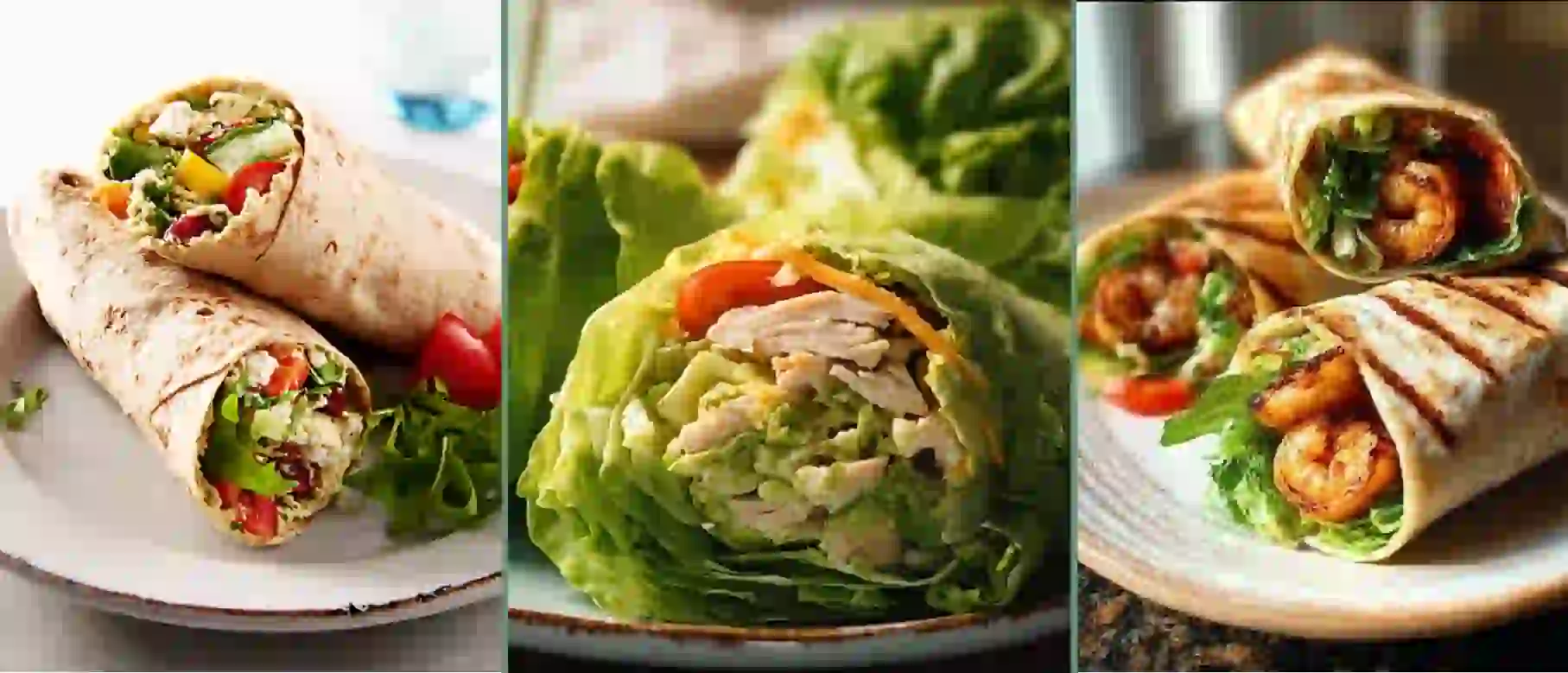
Diabetic Wrap Recipes sound simple. Sometimes they are. Sometimes they really are not.
You grab a wrap because it feels like the better choice. Lighter than a sandwich. Easier than cooking a full meal. Then you look closer and it is a huge tortilla, sweet sauce, barely any vegetables, and suddenly lunch does not feel that simple anymore.
That is the frustrating part. You are not trying to make a perfect diet meal. You just want something quick, filling, and normal enough to enjoy without second-guessing every bite later.
The good news is that wraps are not off the table. A good diabetic-friendly wrap usually comes down to the build: a better wrap base, enough protein, crunchy vegetables, a little healthy fat, and a sauce that does not push the whole thing off track.
In this guide, you will find 20 diabetic wrap recipes that work for busy lunches and simple meals. Some are low-carb wraps for diabetics. Some use chicken, turkey, shrimp, tuna, tofu, chickpeas, avocado, and crisp vegetables. Some skip the tortilla completely and still feel satisfying.
That is really the goal here. Not perfect diet food. Just blood sugar-friendly wraps that feel realistic enough to make again.
Why Fiber, Protein, and Healthy Fats Matter
This is the part that makes wraps work better.
Fiber helps with fullness. Protein makes the wrap feel like a real meal, not just something rolled up because it looks healthy. A little healthy fat can help too, especially from avocado, hummus, nuts, seeds, or an olive oil-based dressing.
Nothing magical. Just practical.
NIDDK uses the plate method to show a balanced meal pattern, with non-starchy vegetables taking up half the plate, protein taking one quarter, and higher-fiber carb foods taking the other quarter. That same idea works well for blood sugar-friendly wraps too. You are still aiming for balance, just in a rolled-up format instead of a dinner plate.
This is also why vegetarian diabetic wrap recipes can work so well. When the filling includes fiber-rich ingredients and a real source of plant protein, the wrap feels more satisfying and usually makes more sense as a full lunch.
Best Wrap Bases for People with Diabetes
There is no one perfect wrap base. That would be nice, honestly, but it does not really work like that. The better choice depends on your portion, your filling, and how your body responds. The ADA says there is not one single eating pattern for diabetes, and both ADA and CDC point people toward quality carbs, higher-fiber choices, and reasonable portions instead of a one size fits all rule. So when you are choosing a base for diabetic wrap recipes the smartest move is usually to look at total carbs, fiber, serving size and how processed the wrap is, not just the marketing on the front of the package.
Whole Wheat Tortillas
Whole wheat tortillas are often the easiest place to start. They feel familiar, they hold together well, and they usually make more sense than large refined white wraps. CDC explains that whole grains and other complex carbs tend to raise blood sugar more slowly than refined grains because they contain fiber and take longer to digest. That does not mean every whole wheat tortilla is automatically great, because labels still vary a lot, but as a general direction, whole grain products are a solid base for blood sugar friendly wraps.
Low-Carb and High-Fiber Tortillas
Low carb wraps for diabetics can be useful, especially if you want a little more flexibility with the rest of the meal. Maybe you want fruit on the side. Maybe beans are already in the filling. That is where a lower carb tortilla can help. Still, lower carb does not automatically mean better. ADA guidance suggests aiming for nutrient-rich, minimally processed carbs and looking for at least 2.5 grams of fiber per serving. Their grocery guidance also encourages shoppers to read labels and choose whole grain starches that are high in fiber and low in added sugars. So yes, a lower carb tortilla can work well, but it still needs to earn its spot.
Lettuce Wraps
Lettuce wraps are one of the easiest ways to cut the carb load without making lunch feel depressing. And that matters more than people think. ADA lists lettuce as a non-starchy vegetable, and CDC notes that some salad greens have so little carbohydrate that they are considered free foods. The tradeoff is that lettuce is lighter and less filling on its own so it works best when the filling has enough protein and healthy fat to make the meal actually last.
Cabbage and Collard Green Wraps
Cabbage and collard leaves deserve more credit than they get. They are sturdier than lettuce, they hold fillings better, and they fit nicely into healthy diabetic lunch ideas when you want something lower in carbs but not flimsy. ADA includes cabbage and collard greens among non starchy vegetables, which makes them a practical option for wraps for type 2 diabetes. They take a little more prep, sure but they are often worth it.
When to Skip the Tortilla Altogether
Sometimes the best wrap base is no wrap base at all. Not in a dramatic way. Just in a practical one. If your filling already includes beans, corn, or another carb source, turning the wrap into a bowl or lunch box can make the meal easier to balance. ADA’s plate method is useful here. Fill half with non starchy vegetables, one quarter with lean protein and one quarter with a quality carb. That same idea can guide your lunch, even when lunch is not technically a wrap anymore.
Which wrap base is best for blood sugar?
The best option is the one that helps you keep the meal balanced and repeatable. For some people that is a smaller whole wheat tortilla. For others it is a high fiber low carb wrap. And for plenty of people, lettuce, cabbage, or collard leaves just feel easier. The label matters, the portion matters, and the filling matters too. That is really the whole thing.
How to Build a Balanced Diabetic Wrap
This is the part that usually helps the most, because once you have a simple formula, lunch stops feeling like guesswork. You are not trying to build the perfect wrap. You are just trying to make one that feels filling, balanced, and less likely to throw the rest of your afternoon off. The easiest way to think about it is the same way diabetes meal planning is often explained on a plate just folded into wrap form. The general idea is still balance, not extremes. The American Diabetes Association and NIDDK both lean on that same pattern, plenty of non starchy vegetables, a solid protein source, and a sensible portion of carbohydrate foods.
Step 1: Choose Lean Protein
Start with protein. Not because it sounds healthy on paper, but because it makes the wrap feel like an actual meal. Chicken, turkey, tuna, salmon, shrimp, tofu, eggs and even beans can all work, depending on the kind of wrap you want. NIDDK includes lean meats, fish, dairy, tofu, and soy foods in the protein group and the ADA also points to fish, chicken, meats, soy products, and similar foods as protein options for diabetes friendly meals. That matters because protein helps give the wrap some structure and staying power. Otherwise, it is very easy to end up with a lot of tortilla and not much else.
Step 2: Add Non Starchy Vegetables
This is where the wrap starts to feel fresher and, honestly, more satisfying. Lettuce, spinach, cabbage, cucumbers, peppers, tomatoes, shredded carrots, herbs, all of that adds crunch and volume without loading the meal with a lot of extra carbs. The diabetes plate method from both ADA and NIDDK puts non starchy vegetables in the biggest part of the meal, about half the plate, because they help round things out without crowding everything else. In wrap terms that usually means being more generous with vegetables than people first expect. A few lonely lettuce strips do not really do much. A real handful does.
Step 3: Include a Little Healthy Fat
This part is easy to overlook, but it makes a difference. A small amount of avocado, hummus, olive oil based dressing, nuts, or seeds can make the wrap feel more complete. The ADA highlights healthy fats, including unsaturated fats, as part of diabetes meal planning, and it also lists avocados, olive oil, nuts, and some fish as examples people often build around. The key word here is little. You want enough to add flavor and help the meal feel satisfying, not so much that the wrap turns heavy for no good reason. Sometimes that is the difference between a wrap you actually enjoy and one that feels like health homework.
Step 4: Keep the Carb Side Reasonable
A wrap does not have to be ultra low carb to make sense. That is probably worth saying twice. What matters more is the total picture. The ADA and CDC both support using quality carbohydrate foods and keeping portions realistic, rather than acting like every carb needs to disappear. So in practical terms, that means checking the tortilla label, noticing the serving size, and remembering that the filling counts too. Beans, corn, sweet sauces, and crunchy add ons all add up. Sometimes a whole wheat wrap works well. Sometimes a higher fiber low carb tortilla makes more sense. Sometimes lettuce or collard leaves are the easiest move. It depends on the meal, and on you.
What is the simplest formula for a diabetic friendly wrap?
A good wrap usually comes down to this: one reasonable base, one clear protein, plenty of non-starchy vegetables, a small amount of healthy fat, and a sauce that is not quietly loaded with sugar. That is the kind of structure that makes diabetic wrap recipes easier to repeat, which is really the whole point. Lunch should not feel like a puzzle every day.
Poultry Based Diabetic Wrap Recipes
Chicken and turkey wraps tend to be the easiest place to start, mostly because they are familiar and easy to meal prep. You cook a batch once, and suddenly lunch feels a lot less chaotic for the next few days.
The CDC plate method and ADA diabetes plate both include lean protein as one part of a balanced meal, with examples like chicken and turkey. So when people look for diabetic wrap recipes that feel practical, poultry usually shows up first for a reason.
It is versatile, filling, and easy to pair with crunchy vegetables, herbs, yogurt sauces, avocado, or lighter cheeses without making the whole wrap feel too heavy. For more balanced lunch ideas in this category, browse these healthy chicken and turkey wraps for diabetics.
Chicken wraps worth keeping on repeat
Some chicken wraps feel fresh and light. Others lean savory and a little richer. That mix is useful, because lunch moods are real.
Greek Salad Wrap
Think chopped chicken, cucumber, tomato, olives, romaine and a little feta. Bright, salty, crisp. Good for people who get bored easily.
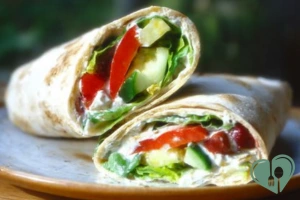
Chicken Lettuce Wraps
Very simple, very clean. These are great when you want blood sugar friendly wraps without much carb load from the base.
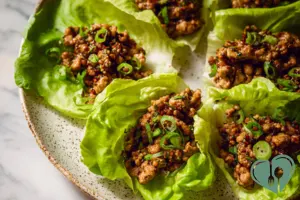
Peanut Chicken Cabbage Wraps
A little crunch, a little creaminess, and enough texture to make lunch feel interesting again.

Chicken and Apple Kale Wraps
This one has that sweet savory thing going on. Not sugary, just fresh. It works surprisingly well.
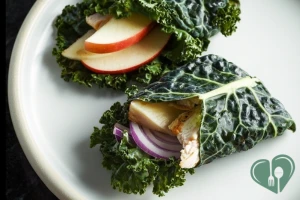
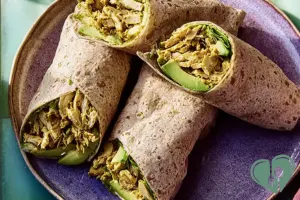
Turmeric Chicken and Avocado Wraps
A warmer flavor, a little earthier, and more filling than it first sounds.
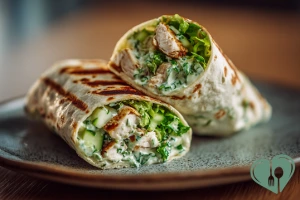
Cucumber Chicken Green Goddess Wrap
Cool, creamy, herby. This is the kind of wrap that tastes like someone actually thought about lunch instead of throwing leftovers into a tortilla.
Turkey wraps that do not feel boring
Turkey gets treated like the backup option way too often. It deserves better than that, honestly. It is mild, which means it picks up flavor easily, and it works really well in healthy diabetic lunch ideas when you want something high in protein but not too heavy.
Turkey Avocado Wrap
Probably the easiest win in this whole category. Creamy avocado makes turkey feel less dry, which is half the battle.
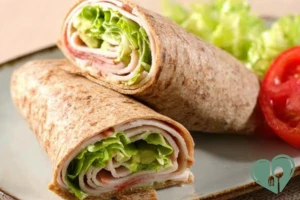
Turkey and Cheddar Lettuce Wraps
This one is great if you want low carb wraps for diabetics that still feel satisfying and familiar.
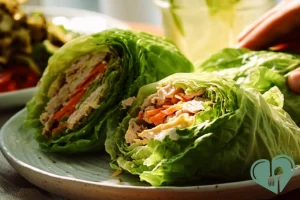
Kale Turkey Wraps
A bit heartier, a bit more chew, and a nice way to work in extra greens without trying too hard.
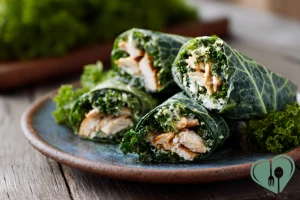
What makes these wraps for type 2 diabetes work is not just the poultry. It is the full build around it. Chicken or turkey plus non starchy vegetables, a sensible wrap base, and just enough healthy fat to make lunch feel complete. That is what keeps the meal from turning into one more dry “healthy” lunch you never want to make again. NIDDK and the ADA both support this kind of pattern, with non starchy vegetables, protein and a moderate amount of carbohydrate foods working together in one meal.
Are chicken and turkey wraps good for type 2 diabetes?
Yes, they can be a really solid option. Chicken and turkey are both common lean protein choices in diabetes meal planning, and they work especially well in diabetic wrap recipes when you pair them with vegetables, a reasonable wrap base, and sauces that do not add a lot of sugar. If you want the best results, think less about making the wrap “diet food” and more about building a lunch that actually feels balanced and repeatable.
Seafood Diabetic Wrap Recipes
Seafood wraps are a nice change when chicken starts feeling a little too familiar. That happens. You meal prep the same lunch a few times, it works, then suddenly you cannot look at it anymore. Fish and seafood can fix that fast. They bring protein, they usually feel lighter than heavier lunch options, and some choices, especially salmon and tuna, also bring omega 3 fats that the American Diabetes Association connects with heart health. That matters because a lot of people looking for diabetic wrap recipes are not just thinking about blood sugar. They are thinking about the bigger picture too. If you want more ideas in this category, explore these healthy seafood wraps for diabetics.
Seafood wraps that actually feel like lunch
Some seafood wraps are cool and fresh. Some are a bit richer. That is part of why this category works so well. You have options, and they do not all taste like diet food.
Mediterranean Tuna Salad Wrap
This one is easy to keep on repeat. Tuna, cucumber, tomato, herbs, maybe a little olive oil or Greek yogurt. It feels bright, filling and not overly complicated.
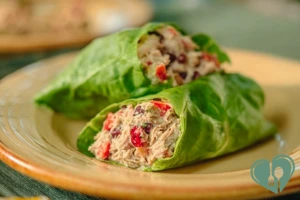
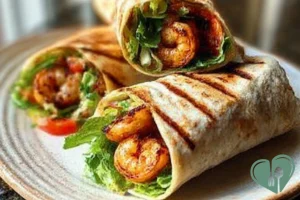
Thai Shrimp Wrap
Shrimp works well when you want something with crunch and a bit of flavor. Cabbage, carrots, herbs, and a peanut or lime-based sauce can make this one feel more interesting than the usual weekday lunch.
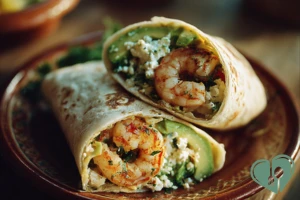
Shrimp, Avocado and Feta Wrap
Creamy, salty, fresh. You do need to keep the portion balanced here, but when the wrap is built well, it feels satisfying without being too heavy.
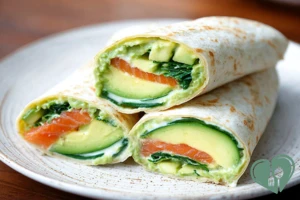
Avocado Salmon Wrap
This is one of the strongest options in the whole seafood group. Salmon brings protein and omega 3 fats, and avocado makes the wrap feel substantial in a good way.
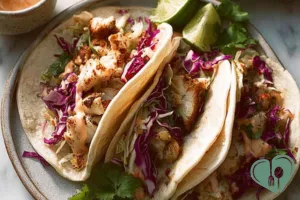
Fish Taco Wraps
These are great when you want something a little more fun. The trick is keeping the slaw fresh, the sauce reasonable and the tortilla from becoming the main event.
What makes these blood sugar friendly wraps work is not just the fish. It is the way they come together. A wrap with seafood still needs the same basic balance as any other lunch. Protein first, then plenty of non starchy vegetables, then a wrap base that makes sense for the rest of the meal. NIDDK says fish can fill the protein part of a balanced plate, while non starchy vegetables should take up the biggest share overall. That same logic fits wraps really well, even if lunch is rolled up instead of plated neatly.
Are seafood wraps good for type 2 diabetes?
Yes, usually they can be a really smart option. The ADA includes fish and seafood among good protein choices, and it suggests eating fish at least two times per week. For wraps for type 2 diabetes seafood works best when the sauce is not loaded with sugar, the vegetables are generous and the wrap base is chosen with the whole meal in mind. In other words, the same rule as always. Keep it balanced, keep it realistic, and make it something you would actually want to eat again.
Vegetarian and Plant Based Diabetic Wrap Recipes
Vegetarian wraps can be really good for this kind of lunch. Not fake good. Not “healthy, but kind of disappointing” good. Actually good. A lot of plant based fillings bring fiber along with protein, and that combo can make a wrap feel more steady and satisfying. The American Diabetes Association says plant protein options include beans, legumes, nuts, seeds, tofu, tempeh and seitan. NIDDK also includes tofu and other soy foods in the protein section of a balanced diabetes meal, while CDC points to legumes and whole foods with fiber as smart carb choices. That mix is a big reason vegetarian diabetic wrap recipes work so well when they are built with a little intention. If you want more balanced ideas in this category, explore these vegetarian diabetic wrap recipes.
Plant based wraps that do not feel like a compromise
Some vegetarian wraps lean fresh and crunchy. Others are warmer, creamier, or a little messier in a good way. That variety matters because nobody wants five versions of the same lunch.
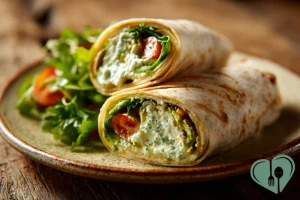
Veggie Wrap with Cilantro Hummus
This is the kind of wrap that feels easy to come back to. Hummus adds creaminess, and the vegetables do the rest.
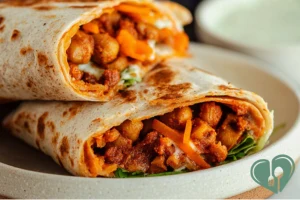
Roasted Buffalo Chickpea Wraps
Chickpeas have more personality than people give them credit for. They bring fiber some protein, and a bit more staying power than a wrap filled with vegetables alone. CDC lists legumes like beans and lentils as complex carbs that tend to raise blood sugar more slowly because they contain fiber.
Crispy Tofu Wrap
Tofu is one of those ingredients that gets much better once you stop expecting it to be chicken. On its own terms, it works. NIDDK includes tofu and soy foods as protein options in diabetes meal planning.
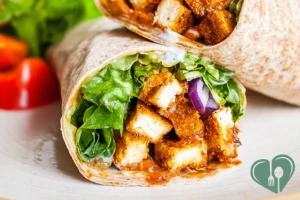
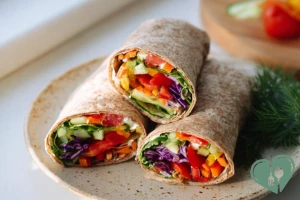
Rainbow Veggie Wraps
These are great when you want crunch, color, and a wrap that feels fresh instead of heavy. They work best with a spread like hummus or yogurt-based sauce so they do not feel too dry.
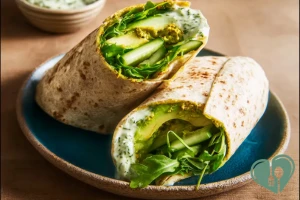
Cucumber and Avocado Wrap
Very simple. Maybe almost too simple. But on busy days, simple is not a bad thing. Add seeds, herbs, or a little hummus and it starts to feel more complete.
Why vegetarian wraps can work so well for blood sugar
The biggest mistake with vegetarian wraps is not that they are too high in carbs. It is that they are sometimes built with almost no protein or fat, so they look healthy but do not hold up for very long. That is usually when lunch turns into random snacking later. A better move is pairing the vegetables with chickpeas, tofu, edamame, hummus, nuts or seeds, then choosing a wrap base that makes sense for the rest of the filling. ADA notes that some plant proteins also contain carbohydrates, especially beans and legumes, so the whole wrap still needs balance. That is not a problem, just something to notice.
Are vegetarian wraps good for people with diabetes?
Yes, definitely. Vegetarian wraps can fit very well into healthy diabetic lunch ideas when they include fiber rich ingredients, a meaningful protein source and a reasonable amount of carbs overall. In some ways, they make balancing a meal easier, because beans, tofu, vegetables, nuts, and seeds naturally push the wrap toward a more whole food pattern. You just do not want the filling to be all shredded vegetables and wishful thinking.
Low Carb and Lettuce Wrap Alternatives
Some days, using a regular tortilla is totally fine. Other days, it just feels like too much. Maybe the filling already has beans or corn. Maybe you want lunch to feel lighter. Maybe you are just tired of wraps that are mostly bread and not much else. That is where the lower carb side of diabetic wrap recipes starts to make sense. Not because every meal has to be super low carb and not because carbs are automatically bad, but because swapping the base can make the whole wrap easier to balance. The CDC and NIDDK both keep coming back to the same core idea, pay attention to carbs, build meals around non starchy vegetables and protein and keep portions realistic.
When a lower carb wrap actually helps
This part gets overcomplicated online. In real life, a lower carb wrap helps most when it gives you more room for the rest of the meal. say you want hummus, or fruit on the side, or a filling with chickpeas or corn. Using lettuce, cabbage, collard greens or a higher fiber lower carb tortilla can make that lunch feel more balanced without making it feel tiny. The ADA plate method also makes this easier to picture, with non starchy vegetables taking up a big part of the meal and protein getting its own place instead of letting the starch crowd everything out.
Low carb wrap ideas that still feel satisfying
Here are the wraps in this collection that fit best when you want to pull the carbs down a bit without turning lunch into a sad pile of leaves. If you want more balanced ideas in this category, explore these low-carb wraps for diabetics.
Taco Lettuce Wraps
These work because the filling does the heavy lifting. Seasoned protein, crunchy lettuce, salsa, maybe a little avocado. Still fun, still lunch.
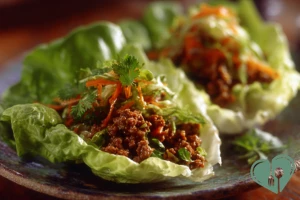
Turkey and Cheddar Lettuce Wraps
Familiar, easy and good for days when you want something quick that does not need much planning.
Chicken Lettuce Wraps
Crisp and light, but still filling if the chicken portion is generous enough.
Peanut Chicken Cabbage Wraps
Cabbage holds up better than lettuce, which makes these nice for meal prep. It also gives more crunch, which helps.
Cucumber and Avocado Wrap
Simple, cool, and easy to adjust. Add seeds, tofu, or extra hummus if you want more staying power.
The thing I like about these blood sugar friendly wraps is that they do not try too hard. They just use the wrap base differently. Lettuce, cabbage and collard style wraps lean on non starchy vegetables that the ADA specifically lists as helpful choices for blood glucose management, including lettuce, cabbage and greens like collards.
Lettuce, cabbage, or collards, which one is better?
Lettuce is the easiest. No question. It is quick, fresh, and low effort, which is probably why people start there. Cabbage is sturdier and better when you want crunch or need something that can sit in the fridge for a bit. Collard leaves take a little more prep, but they hold together well and feel closer to a real wrap. None of them is the single best answer. It depends on what you are filling them with, and honestly, on how patient you are that day. What matters more is that these bases are built from non starchy vegetables, which diabetes meal planning guidance consistently encourages people to eat more of.
Are low carb wraps better than whole wheat wraps?
Not always. A low carb wrap can be useful, but it is not automatically better just because the number on the front of the package is lower. You still want to check serving size, total carbs, fiber, sodium, and the ingredient list. Sometimes a smaller whole wheat tortilla makes more sense. Sometimes a lettuce or cabbage wrap is the easier call. It really comes down to the whole meal, not just the wrap by itself. That is usually the more realistic way to look at wraps for type 2 diabetes anyway.
Weekly Meal Prep Plan Using These 20 Wrap Recipes
Meal prep sounds amazing in theory. Then Sunday shows up, the kitchen is a mess, and a “simple lunch plan” starts feeling like a second job.
So let’s keep it realistic.
The point is not to prep every single wrap down to the last cucumber slice. It is to make weekday lunches easier, less random, and less tempting to replace with whatever is closest. CDC says tools like the plate method and carb counting can make diabetes meal planning easier, and NIDDK makes a similar point in a simpler way: the best eating pattern is the one you can actually keep doing.
5 Day Balanced Plan Example
A good week does not need to be exciting every day. It just needs enough variety that lunch does not annoy you by Wednesday.
You could do turkey avocado wraps on Monday, Mediterranean tuna wraps on Tuesday, buffalo chickpea wraps on Wednesday, chicken and cucumber lettuce wraps on Thursday, then shrimp avocado wraps on Friday. That already feels like a real week. Different enough, but not chaotic.
If you want to keep blood sugar in mind without overcomplicating it, CDC notes that carb counting usually starts with total carbohydrate on the label, and one carb serving is about 15 grams. That makes it easier to look at tortillas, sauces, or side fruit without guessing.
Grocery Shopping Strategy
The easiest grocery plan is usually the least impressive one.
Buy two proteins, a couple of wrap bases, a handful of vegetables you actually like, and one or two spreads or sauces you know you will use. That is enough.
Chicken and turkey work well. Tuna and tofu do too. Then grab lettuce, cabbage, cucumbers, peppers, tomatoes, herbs, and maybe avocado or hummus.
The CDC also recommends using food labels to compare items and pay attention to portion size. That really matters with tortillas because the package can sound healthy while the serving size tells a very different story.
Storage and Food Safety Tips
This is the unglamorous part, but it saves lunch.
Store cooked protein, chopped vegetables, and sauces separately when you can. Assemble later. That one habit keeps wraps from going soggy and weird.
USDA says leftovers can be kept in the refrigerator for 3 to 4 days, and perishable foods should not sit out for more than 2 hours, or 1 hour if it is hotter than 90°F. So yes, meal prep is helpful, but not if lunch has been hanging around on the counter all afternoon.
Portioning for Carb Control
Portioning gets talked about like it has to be super precise, but most of the time it is just about being honest.
One wrap can quietly turn into a much bigger meal than expected if the tortilla is oversized and the filling also includes beans, corn, sweet sauces, or crunchy toppings. None of those foods are the problem by themselves. They just count.
CDC’s diabetes meal planning guidance keeps coming back to the same idea: balance the meal, notice portions, and use the plate method or carb counting if that helps you stay grounded.
How Far Ahead Can You Prep Wraps?
Usually, three to four days is the safe zone for cooked fillings in the fridge, according to USDA guidance on leftovers.
If you want the wraps to taste good too, prep the parts ahead and assemble them later. And if you are batch cooking proteins, USDA says poultry should reach 165°F and fish should reach 145°F.
Small detail, big difference.
Ingredient Swaps to Lower Blood Sugar Impact
Most of the time, you do not need a completely different lunch. You just need a few better tradeoffs. That is what makes this part useful. A wrap can look almost the same on the plate and still work a lot better for blood sugar once you change the tortilla, the sauce, or the creamy part holding it all together. The general idea from CDC and ADA are pretty steady: choose higher-fiber carbs more often, keep non-starchy vegetables in the mix, use healthy fats in sensible amounts, and watch added sugars that sneak in through packaged foods.
The first easy swap is the wrap itself. A big white tortilla can eat up a lot of the meal before you even add the filling. Sometimes a smaller whole wheat tortilla is enough to fix that. Sometimes a higher fiber wrap makes more sense. CDC notes that fiber helps with fullness and supports blood sugar control and ADA’s plate guidance points people toward quality carbohydrate foods and more vegetables instead of letting refined starches take over the meal. So no, you do not have to fear every tortilla. It is more about choosing one that brings something useful to the table.
Sauce is the other place where wraps quietly get away from you. It happens fast. A little sweet chili sauce here, a drizzle of honey mustard there, and suddenly the wrap that looked balanced is carrying more added sugar than you meant to eat at lunch. A better move is usually mustard, salsa, hummus, olive oil with lemon or a yogurt-based sauce with herbs. Those swaps still give you flavor which matters because nobody wants a dry, joyless wrap, but they usually keep the sugar load lower and the whole lunch a bit steadier. CDC also recommends checking labels on packaged foods because added sugars can hide in products that do not even taste especially sweet.
Then there is the creamy swap, which is maybe the least exciting one to talk about and one of the most useful. Plain Greek yogurt can do a lot of the same work as sour cream or mayo-heavy spreads, but it brings protein with it and fits nicely into ADA meal planning guidance, which includes plain or Greek yogurt and suggests using healthy fats like olive oil, avocado, nuts, and nut butters as condiments in reasonable portions. And if the wrap still feels carb heavy after that, changing the base can help too. Lettuce, cabbage, collards, and even cauliflower-based alternatives all lean harder on non starchy vegetables, which ADA repeatedly puts front and center in diabetes friendly meal planning. It is not about making lunch sadder. It is just about shifting the balance a little.
What swap makes the biggest difference first?
Usually, start with the tortilla or the sauce. Those two changes tend to give you the most noticeable improvement with the least effort. A higher fiber wrap and a less sugary spread can make the whole meal feel more balanced without making it feel like a punishment lunch, which, honestly, is the whole goal.
FAQs About Diabetic Wrap Recipes
People ask these questions because wraps can be weirdly deceptive. They look simple. Then you start thinking about tortillas, sauces, fillings, portions, and suddenly lunch feels more complicated than it should. So here is the plain-English version. No fluff. Just the stuff people usually want to know.
Are wraps good for diabetics?
Yes, they can be. A wrap is not a problem just because it is a wrap. What matters more is what is inside it, how big it is, and whether the meal has some balance to it. CDC and NIDDK both lean on the same general idea for diabetes meal planning, build meals around non starchy vegetables, protein, and a sensible amount of carbohydrate foods instead of letting one part take over everything else. That same thinking works really well for wraps.
How many carbs should someone with diabetes eat for lunch?
There is no one lunch number that works for everybody. I know that answer is not very exciting, but it is the honest one. NIDDK says meal planning can be done with methods like carb counting or the plate method, and it also says your eating plan should fit your health needs, medicines, routine, and goals. ADA says carb counting can be useful, especially when it matches the right treatment plan. So the better question is usually, what amount works for you, not what number works for everyone on the internet.
Can people with diabetes eat hummus?
Yes. Hummus can fit just fine. Chickpeas are legumes, and foods in that family can bring fiber and some protein, which is part of why hummus works better than a lot of sweeter spreads. You still want to be a little mindful of the portion, because it is not nothing nutritionally, but as a wrap spread, it makes a lot of sense. ADA also points people toward balanced eating patterns that include nutrient-dense foods rather than cutting out every carb-containing food.
Is avocado okay for blood sugar?
Yes, avocado is usually a really solid wrap ingredient. It adds fiber and healthy fat, and it helps a wrap feel more satisfying instead of dry or flimsy. ADA includes avocado in its diabetes superstar foods and points to healthy fats like avocados, olive oil, nuts, and some fish as good choices in a diabetes-friendly eating pattern. So no, avocado is not one of the foods people need to be nervous about here.
Are low carb tortillas better than whole wheat tortillas?
Not automatically. Sometimes they are helpful. Sometimes a smaller whole wheat tortilla is the better choice. ADA says terms like “net carbs” are not defined by the FDA and are not recommended by the ADA as a shortcut, which is why checking total carbohydrates on the Nutrition Facts label matters more than trusting a big claim on the front of the package. That is usually the more realistic way to compare low carb tortillas, whole wheat tortillas, and other wrap options.
Conclusion
At the end of the day, wraps are not the problem. It is usually the way they get built. A better base, enough protein, plenty of non starchy vegetables, a little healthy fat, and a sauce that is not loaded with sugar can turn a wrap into a lunch that actually feels steady and satisfying. That lines up with how CDC, NIDDK, and the American Diabetes Association all talk about diabetes meal planning, which is really about balance, portion awareness, and food choices you can keep coming back to.
That is probably the most useful takeaway here. You do not need a perfect lunch. You need one that works on a normal Tuesday when you are busy, hungry, and not in the mood to overthink every bite. A repeatable meal pattern matters more than chasing some overly strict idea of “clean eating.” ADA says meal patterns for diabetes should be built to last and fit your needs and preferences, not just look good for a day or two.
So if you came here looking for diabetic wrap recipes that feel realistic, not rigid, that is the real win. Start with one or two wraps you would honestly eat again. Keep the formula simple. Adjust as you go. That is usually how healthy habits stick. And that is how diabetic wrap recipes become something more useful than a list on a page. They become lunch you can actually trust.