
The Truth About Lunch (Portion Control for Diabetics)
You ever notice how lunch can mess you up more than breakfast or dinner? I didn’t, not at first. I’d eat what I thought was fine a sandwich, some rice, even a “healthy” bowl. Then, like clockwork, I’d hit that wall around three. Not just tired, but… gone. My focus, my energy, everything.
Here’s what I finally figured out: it wasn’t the food itself. It was the amount. Nobody really tells you this, but for diabetics, portions can flip your whole afternoon upside down. You can do everything “right” and still get nailed by a glucose spike just because the serving was bigger than your body could handle.
And no, I’m not saying you need to eat tiny meals or carry a scale. That’s not real life. I’m saying there’s a way to eat enough to feel full without paying for it later. That’s what portion control really is. Not a diet. Not a punishment. Just knowing where the line is so you don’t spend the rest of the day fighting to stay awake.
This isn’t another “watch your carbs” lecture. It’s the stuff I wish I’d known sooner why portions matter so much, how to spot when they’re working against you, and what to do about it without overthinking everything.
Why Portion Control Matters If You’re Diabetic
I learned this the hard way. It’s not only about what you eat. It’s how much ends up on your plate. You can eat something you think is good for you brown rice, fruit, whatever and still watch your blood sugar shoot up. The bigger the portion, the bigger the spike. Simple as that.
When I started eating just enough, not too much, things changed. My numbers stayed calmer. I didn’t crash in the middle of the day. Energy lasted.
People think only sweets cause spikes. Nope. Even the “healthy” foods can mess with you if the portion’s off. The body doesn’t care if it’s candy or quinoa too much is too much.
So portion control isn’t about eating tiny meals or following some strict diet. It’s just knowing your limit and sticking close to it. That’s what keeps you steady.
How Overeating At Lunch Wrecks Your Afternoon
Lunch. it’s where it all goes wrong, isn’t it? you eat, you feel fine, and then a couple hours later boom, it hits. Your head’s heavy, eyes fighting to stay open, and you just want s ething sweet to pull you back up.
It’s not just food. It’s too much food at once. Your body can’t keep up. The sugar in your blood climbs fast, Insulin rushes in, and suddenly you’re on the floor energy-wise. It’s like a roller coaster you didn’t sign up for.
And it doesn’t matter if it’s “healthy.” That big bowl of rice? The wrap with all the extras? Same thing. Too much is too much. You crash, you crave, you repeat.
When I started cutting back, just a little, afternoons stopped feeling like a fight. Not starving myself. Just… less. Enough to feel good, not stuffed. that’s it. simple, but it works.
Visual Portion Guides For Diabetic Lunches
Here’s what helped me the most I stopped guessing. I started using simple tricks to figure out how much was “enough.” No numbers, no weighing food. Just stuff you can see.
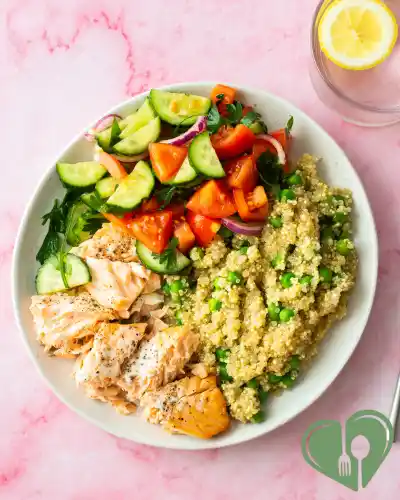
The plate thing? Works. half the plate full of veggies, A quarter protein, a quarter carbs. that’s it. Not a mountain, just a flat plate. it’s boring advice, but it keeps me steady.
Then there’s the hand method. Your hand’s always with you, Right? palm for protein, fist for carbs, thumb for fats. done. No measuring cups needed.
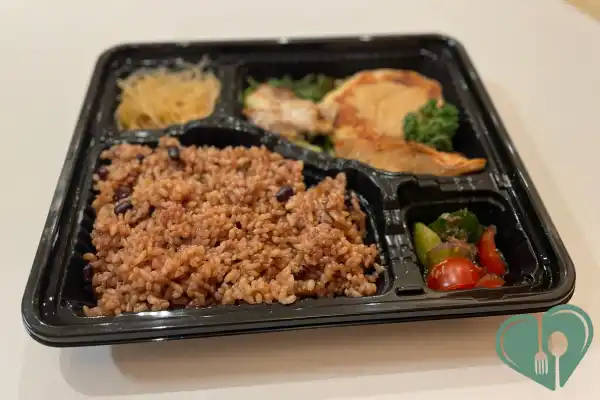
Sometimes I pack my lunch in those bento-style containers. You know, the ones with dividers? They make it impossible to overfill because there’s only so much space. Makes eating less… automatic.
The point is, you don’t need fancy tools. You just need some kind of guide so your portions don’t creep up without you noticing. It’s those little extras A few more scoops here, a bigger slice there That throw everything off. Keep it simple, and it works.
Tips To Measure Portions Without A Scale
I used to think you needed a kitchen scale to get it right. Nah. Nobody’s dragging a scale to work or a restaurant. You just learn to eyeball it.
Household stuff helps. A cup of rice? about the size of a baseball. Cheese? think two dice. Peanut butter? the tip of your thumb. These little comparisons stick in your head and make it easy to know when you’re overdoing it.
Pre-portioning is another lifesaver. I’ll pack snacks in small bags ahead of time or use those tiny containers for nuts, fruit, whatever. If it’s already measured, you’re not tempted to pour “just a little more.” For more tips on keeping your packed lunch fresh and safe, check out How to Pack Diabetic Lunches That Stay Fresh Until Noon.
The less you have to think about it, the better. You don’t need to be exact, just close enough. Once you start noticing what the right amount looks like, it becomes second nature.
Adjusting Portions For Activity And Medication
Here’s something I didn’t get at first Portions aren’t one-size-fits-all. They shift depending on what you’re doing and what meds you’re on. If you’re more active after lunch, like taking a walk or doing errands, your body can usually handle a little more carbs without the same spike. Sit at a desk all afternoon? Maybe pull back a bit.
Insulin changes the game too. Some days, if I know my dose covers a certain amount, I match my portion to that. Other days, when I’m trying to avoid extra corrections, I keep things lighter. For more strategies on balancing meals when using insulin, see What to Eat for Lunch If You’re On Insulin. It’s a balancing act, but you get better at it the more you pay attention.
You learn your patterns. Some meals work, others don’t. The trick is adjusting, not sticking to some rigid rule. Eat what keeps you steady, not what someone else’s chart says.
Tools & Apps That Make Portioning Easier
Sometimes you just need a little help. I tried a few apps that count carbs and track meals not perfect, but they make you more aware. Myfitnesspal, carb manager, even simple note apps work if you stick with them. After a while, you start remembering portions without opening your phone.
there are also smart lunchboxes now containers that show portion sizes so you don’t have to guess. not necessary, but they’re handy if you struggle with overeating.
Bottom line, use whatever makes it easier. An app, a divided plate, even setting aside leftovers before you start eating. The less you have to think, the less likely you are to overshoot. small tools, big difference.
conclusion
Lunchtime doesn’t have to wreck your day. I learned that the hard way feeling good in the morning, then crashing hard after eating too much. the food wasn’t “bad.” it was just more than my body could handle.
Portion control changed that. not a diet, not strict rules, just paying attention to how much goes on the plate. A little less rice, one slice of bread instead of two, packing food in smaller containers… Small tweaks that keep my blood sugar steady and my energy even.
You don’t need to be perfect. You just need to know your limits and stick close to them. once you do, afternoons stop feeling like a fight. You stay sharp, steady, and in control and that’s worth it.

Layla Hayes is a Diabetes Lifestyle & Wellness Coach who shares practical tips and supportive insights for living well with type 2 diabetes. Her writing focuses on real-life strategies — from blood sugar balance to mindful routines — helping readers feel steady, informed, and empowered every day.