
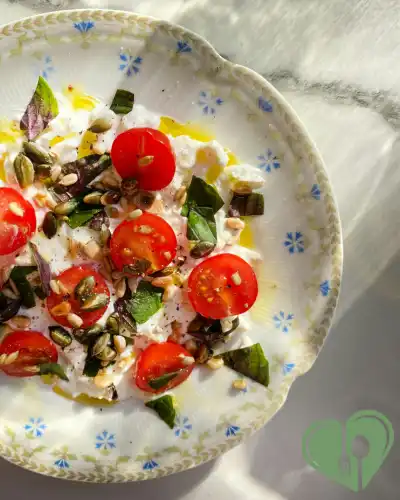
You know, before diabetes, I never really gave olive oil, feta, or fiber a second thought. They were just part of the usual food around me. But once diabetes became part of my life, everything on my plate suddenly mattered.
I tried all the usual things Googling “diabetic-friendly” foods, counting every bite like it was a test. It got tiring fast. That’s when I stumbled upon the Mediterranean diet for diabetics. It wasn’t complicated or strict. It was just real food, simple and balanced.
What really helped me were three simple things that kept coming back: olive oil, feta cheese, and veggies packed with fiber. They don’t shout about being cures. They just quietly help keep my blood sugar steady.
This isn’t about rules or diets. It’s just how this way of eating gave me a little calm with my meals again.
Curious about building full menus? Check our Diabetic Mediterranean Meal Guide: Recipes, Nutrients & Meal Plans for ready‑to‑use meal plans.
Why These Three Ingredients Are Blood Sugar Superstars
Here’s what I didn’t expect: some foods don’t just feed you they change the pace of what happens next. Olive oil, feta, fiber they’re not flashy, but they get it done.
Olive oil smooths out digestion. You eat, but your body doesn’t freak out. It’s like turning down the volume on a noisy reaction.
Feta fills that craving gap. Salty, rich, but not heavy on sugar or carbs. It gives meals a center so you don’t go hunting for something else 30 minutes later.
Fiber? It’s the steady one. The reason you don’t crash. It stretches the whole process out, keeps things calm.
None of them fix anything outright. But together? They make the day a little easier to navigate. Which some days is everything.
Olive Oil – The Diabetic-Friendly Fat
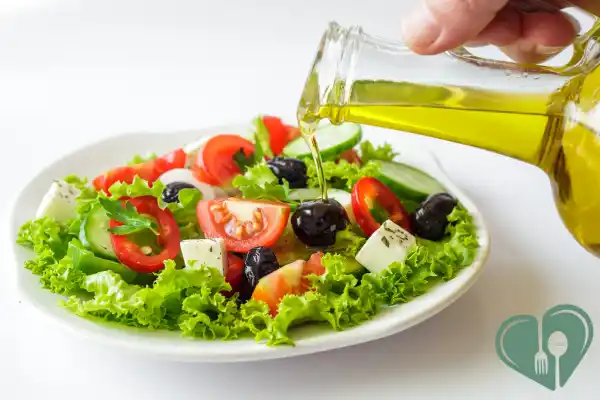
At some point, olive oil just became the thing I reached for. Not because it’s trendy, but because it kept showing up in meals that didn’t send my blood sugar into chaos. And over time, I realized this stuff actually helps.
It slows digestion. So when you eat carbs with it, your body doesn’t rush the process. The rise in glucose is softer, more gradual. You feel it not as a “health effect,” but as less brain fog, less crash.
Back then, I didn’t think twice about things like inflammation or insulin resistance. But once I started understanding how they connect, olive oil suddenly made a lot more sense. It wasn’t just flavor it was part of the fix.
You don’t need much. And you don’t have to be fancy about it. Use it on roasted veg, spoon some over beans, cook your eggs in it. Just don’t fry the life out of it keep the heat chill, so it keeps its benefits.
It won’t solve everything. But for me? It became one of the few ingredients I trust to pull its weight.
Feta Cheese – Flavorful and Filling
Feta wasn’t on my radar until I started paying attention to how meals made me feel afterward. Some foods left me hungry again an hour later, others didn’t. Feta, weirdly, helped meals stick.
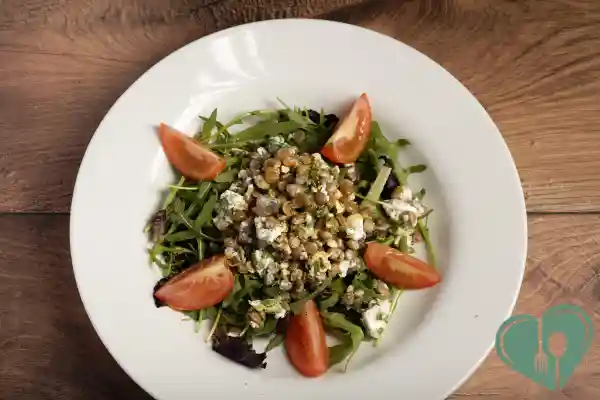
It’s not that it’s magical it’s just got the right profile. Low carb, plenty of protein, and that salty richness that makes simple food feel satisfying. Tossing a bit onto warm lentils or leafy greens? It turned something basic into something that actually filled me up.
One thing I didn’t expect: you barely need any. Just a bit shifts everything taste, how full you feel, even the pace you eat at. And slower meals tend to play nicer with blood sugar. Not always, but often.
If you’re going to use it, go for the kind packed in brine. It’s fresher, cleaner, less processed than those dry, pre-crumbled tubs. Yes, it’s salty but when the rest of your plate is fiber and veg, it tends to balance out.
Feta doesn’t pretend to be healthy. But it fits quietly, reliably into meals that make you feel better. That’s more than enough.
Feta wasn’t on my radar until I started paying attention to how meals made me feel afterward. Some foods left me hungry again an hour later, others didn’t. Feta, weirdly, helped meals stick.
It’s not that it’s magical it’s just got the right profile. Low carb, plenty of protein, and that salty richness that makes simple food feel satisfying. Tossing a bit onto warm lentils or leafy greens? It turned something basic into something that actually filled me up.
One thing I didn’t expect: you barely need any. Just a bit shifts everything taste, how full you feel, even the pace you eat at. And slower meals tend to play nicer with blood sugar. Not always, but often.
If you’re going to use it, go for the kind packed in brine. It’s fresher, cleaner, less processed than those dry, pre-crumbled tubs. Yes, it’s salty but when the rest of your plate is fiber and veg, it tends to balance out.
Feta doesn’t pretend to be healthy. But it fits quietly, reliably into meals that make you feel better. That’s more than enough.
Mediterranean Fiber Sources That Regulate Blood Suga
Fiber doesn’t sell itself. There’s no headline. No before-and-after photo. But if you’re paying attention, it’s the difference between feeling steady… or feeling off.
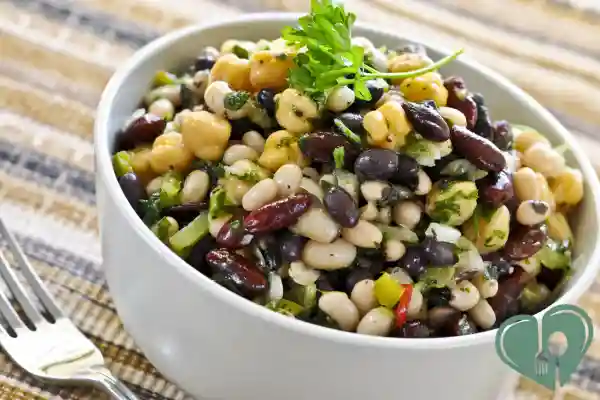
Mediterranean food gets this right without trying. Lentils in stew. Chickpeas tossed with olive oil. Kale, barley, artichokes normal food, not “diabetic food.” But every bite slows things down. Glucose doesn’t surge. You stay full longer. And your gut, quietly, thanks you for feeding it the way it wants to be fed.
Some types of fiber smooth out the blood sugar rise. Others just help keep your system on track. And most meals in this way of eating offer both without labels, without tracking apps.
You don’t need to measure it. Just cook like they do: beans, grains, greens, repeat. And let fiber do what it’s been doing for centuries make real food feel like enough.
You can also explore more Mediterranean foods that help stabilize blood sugar if you want to go further.
Sample Meals Featuring All Three
Some meals don’t need recipes. They just… come together. I find myself making the same combos over and over not because I planned to, but because they leave me full and steady. No drama. No regrets.
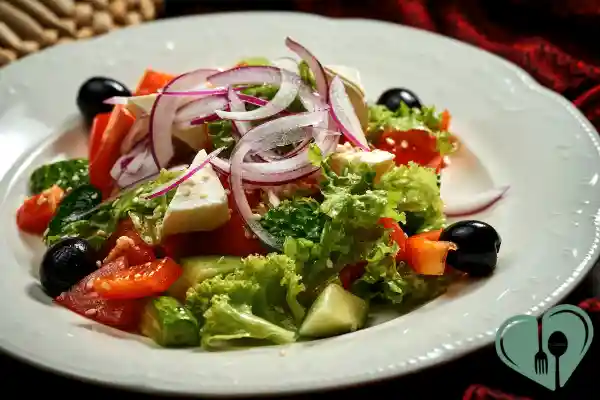
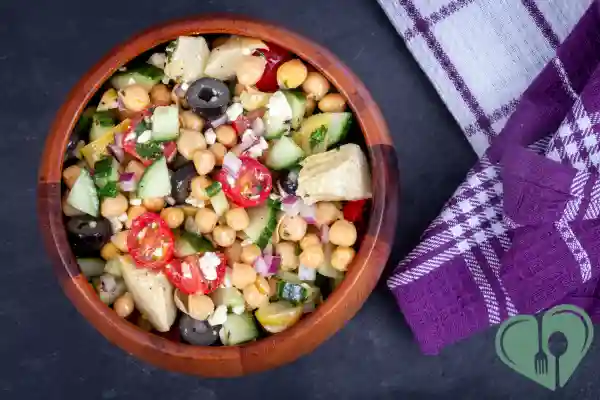
There’s this cold chickpea salad I keep in the fridge. Tomatoes, cucumbers, red onion whatever’s fresh. Olive oil, lemon, maybe a bit of vinegar. Crumble in some feta and let it sit. Somehow it gets better after a few hours. It’s not flashy, but it carries you through the afternoon.
Or roasted veg bowls zucchini, eggplant, red pepper. I roast them until they get browned and sweet, toss them over barley, and hit it with olive oil and feta while it’s still warm. Nothing else needed.
Spinach-feta omelets are another go-to. I cook the spinach down first in olive oil so it’s soft and dark. Then eggs, low heat, fold in the feta. It’s not fancy, but it sticks with you. You feel it in a good way.
And the lentil-stuffed peppers? Total fridge-cleanout move. Cooked lentils, herbs, feta mix and stuff it into bell peppers. Roast them with a little olive oil on top. They hold up for lunch the next day too.
None of these feel like “diabetic meals.” They’re just good food that happens to help you feel okay after eating. Which, honestly, is the bar I’m aiming for most days.
Cooking Tips for Balanced Mediterranean Meals
Look, cooking Mediterranean meals that don’t mess with your blood sugar? It’s simple stuff. Mostly fat plus fiber. Your body likes that combo.
Roast veggies in olive oil makes them sweet, carbs slow down. Don’t drown them or crank the oven too high though. Keep the good parts alive.
Feta’s salty, strong. Use little. More like seasoning. Keeps flavor without the salt overload.
Fiber is key. Lentils, chickpeas, greens. Slows digestion. Keeps you full. Stops sugar crashes.
At the end, it comes down to putting together flavors and textures you enjoy. When your meals feel good and taste good, you want to eat them again. That’s what matters most.
FAQs
Trying new diets? Questions pop up. Here’s the usual stuff, straight talk.
Is feta better than other cheeses?
Yeah, mostly. Lower fat and carbs. Less blood sugar spikes. Plus, a little goes a long way.
Can you cook olive oil on high heat?
Not really. Extra virgin loses good parts when hot. Use low heat or raw.
What fiber to focus on?
Both. Soluble (lentils, oats) slows sugar. Insoluble (greens, grains) keeps you going.
How much olive oil and feta?
A tablespoon or two olive oil daily. Feta? Small handful for taste, not salt overload.
Replace meds?
Nope. Just part of bigger plan. Talk to your doc.
Final Thoughts: Simple Habits That Make the Mediterranean Diet for Diabetics Stick
Okay, here’s the thing. Managing diabetes with food? It’s not about perfect meals or big changes. It’s the little things that stick.
Olive oil, feta, fiber-rich veggies they’re not magic. But they’re solid. They work quietly, helping your blood sugar not jump around.
They’re easy to add in too. A drizzle here, a crumble there, some greens on the side. No crazy diets. Just food that works with your body.
The Mediterranean way feels doable because it’s simple, real. Not a sprint, more a slow walk you can keep up.
So yeah, start small. Keep it tasty. And trust that over time, those small habits add up. Your body and your taste buds will notice.

Layla Hayes is a Diabetes Lifestyle & Wellness Coach who shares practical tips and supportive insights for living well with type 2 diabetes. Her writing focuses on real-life strategies — from blood sugar balance to mindful routines — helping readers feel steady, informed, and empowered every day.